 Preview
 Send
Send Share
Share
 Details

 Download
 Similars
 X-Ray
X-Ray Diaporama
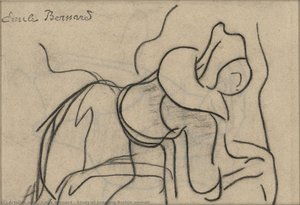
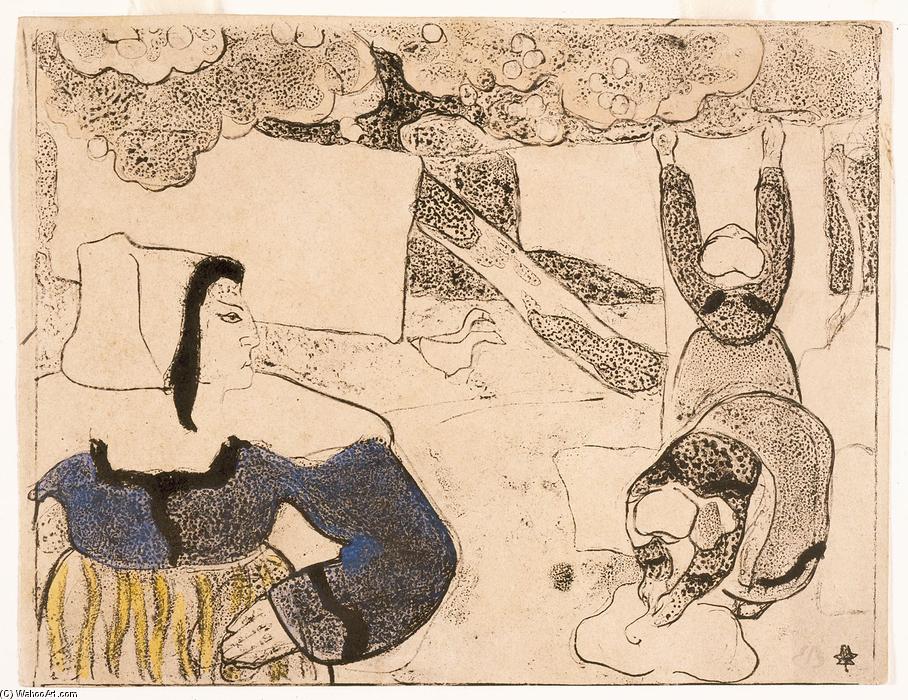
Femmes étendant du linge (Women Hanging Laundry)

 Read More
Hand Made Oil Reproduction
Hand-painted oil on canvas in your size and frame, made to order by our artists. ( Buy Print Buy Image)




































Pick from our preset sizes that match the artwork's original proportions.

You may enter your own dimensions to fit a specific frame or space. If your selected size does not match the original image's proportions, we will either crop the artwork or extend the painting with additional hand-painted elements. A digital mockup will be sent for your approval before production begins.
Please note that the on-screen preview does not reflect the actual cropping or extension. Only the mockup will accurately show the final composition.
While custom sizes are available, we recommend selecting a dimension from the predefined list to preserve the original proportions.
After order, ArtsDot.com team will email client for instructions and provide a mockup preview
Worldwide Delivery () in 3/4 weeks instead of standard 5 weeks. (24 August). No compromise on quality.

Free Worldwide Express Shipping

High-Quality Linen Canvas

Full Shipping Insurance

Customs Tax Refund Guarantee

True Color Matching Guarantee

60-Day Return Policy (Defects Only)

100% Money-Back Guarantee

Bulk Discount Offer
 Glass option is only available in size under 110 CM

Femmes étendant du linge (Women Hanging Laundry)
Reproduction Medium
Reproduction Size
-


Total Price
S$ 372
Artwork Description
A Glimpse of Rural Serenity: Émile Bernard’s "Women Hanging Laundry"
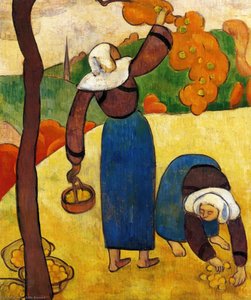
Émile Bernard's "Femmes étendant du linge" (Women Hanging Laundry) offers a captivating window into the quiet rhythms of rural life. Painted with a distinctive style that bridges Impressionism, Expressionism, and early Fauvism, this artwork transcends a simple depiction of domesticity, elevating it to an artistic statement about memory, tradition, and the beauty found in everyday moments. The scene portrays two women engaged in the familiar task of hanging laundry – one seated, looking towards the viewer with a gentle gaze, and the other reaching upwards, her form simplified yet imbued with a sense of purpose. This seemingly mundane activity becomes a focal point for contemplation, inviting viewers to reflect on the enduring nature of human connection and the passage of time.Style & Technique: A Synthesis of Influences
Bernard’s artistic journey was marked by experimentation and a willingness to absorb diverse influences. Here, we see echoes of Impressionism's focus on capturing fleeting moments, but with a bolder, more expressive approach characteristic of the burgeoning Expressionist movement. The flattened perspective, simplified forms, and bold outlines demonstrate an early exploration of Synthetism – a style Bernard helped pioneer alongside Gauguin and others – which prioritized symbolic meaning over strict representational accuracy. The artwork is believed to be a lithograph print, a technique involving transferring an image from a stone or metal plate onto paper using ink and pressure. This process lends the piece a distinctive grainy texture and contributes to its overall graphic quality. The restrained color palette—earthy tones punctuated by blues and yellows—further enhances the work’s understated yet evocative charm.Historical Context & Personal Resonance
Created during a period of significant artistic transition in France, "Femmes étendant du linge" reflects a shift away from purely representational art towards more subjective and emotionally driven expressions. Bernard's personal history deeply informs this work. Raised primarily by his grandmother who ran a laundry in Lille, the scene likely holds a nostalgic significance for the artist. His travels through Brittany also profoundly shaped his artistic vision, exposing him to local traditions and landscapes that would become recurring themes in his oeuvre. His close friendships with artists like Vincent van Gogh and Paul Gauguin further exposed him to innovative approaches to color and form, contributing to the unique aesthetic of this piece.Symbolism & Emotional Impact
Beyond its surface depiction, "Femmes étendant du linge" resonates with a quiet emotional depth. The simplified forms and expressive use of color evoke a sense of peaceful contemplation and perhaps a longing for simpler times. The abstracted background elements—the loosely sketched foliage and the circular shapes in the sky—add a dreamlike quality to the scene, suggesting that the artwork is not merely a representation of reality but rather an emotional response to it. The women themselves become symbols of resilience, tradition, and the enduring strength found within everyday life. The overall effect is one of gentle beauty and understated power, inviting viewers to pause and appreciate the simple joys of existence.Related Artworks

Artist Biography
Émile Bernard: A Post-Impressionist Pioneer
Early Life and Education
- Born: April 28, 1868, in Lille, France.
- Émile Henri Bernard’s early life was shaped by his sister's illness, leading to him being raised primarily by his grandmother, who ran a laundry in Lille. This supportive environment fostered his artistic inclinations.
- In 1878, the family relocated to Paris, where Bernard attended the Collège Sainte-Barbe.
- He began formal art studies at the École des Arts Décoratifs and later joined the Atelier Cormon in 1884. Here, he experimented with Impressionism and Pointillism.
- His expressive tendencies led to a suspension from the École des Beaux-Arts, prompting a formative journey through Brittany on foot.
Artistic Development and Influences
- Bernard’s artistic development was significantly influenced by his travels in Brittany, where he encountered local traditions and landscapes that deeply resonated with him.
- Key Relationship: A pivotal moment came in August 1886 when he met Paul Gauguin in Pont-Aven. This encounter sparked a close artistic friendship and profoundly impacted both artists’ styles.
- Bernard's style played a crucial role in shaping Gauguin’s mature work, particularly his exploration of symbolism and flattened forms.
- He also associated with Vincent van Gogh, forming part of the “School of Petit-Boulevard” alongside Anquetin and Toulouse-Lautrec.
Key Artistic Movements
- Cloisonnism: Bernard is considered a pioneer of Cloisonnism, a style characterized by bold, flat shapes separated by dark contours – reminiscent of stained glass.
- Synthetism: He also played a key role in the development of Synthetism, which emphasized the creation of art based on subjective experience and symbolic meaning rather than direct observation of nature.
- These movements represented a departure from Impressionism, focusing instead on structure, symbolism, and emotional expression.
Notable Works
- La Grandmère (1887): A poignant portrait of his grandmother, showcasing the artist’s early mastery of expressive form and color. This work is considered one of his most iconic pieces.
- Numerous Breton landscapes capturing the essence of rural life in Brittany.
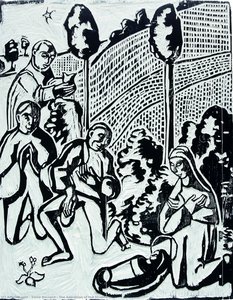
- Religious works such as “The Adoration of the Shepherds” demonstrating his exploration of symbolic themes.
Literary Contributions and Historical Significance
- Beyond painting, Bernard was a prolific writer, producing plays, poetry, and art criticism. His writings provide valuable first-hand insights into the development of modern art during his time.
- Legacy: Émile Bernard’s contributions to Post-Impressionism, particularly his role in shaping Cloisonnism and Synthetism, left a lasting impact on the course of modern art.
- His work paved the way for subsequent movements like Fauvism and Expressionism, influencing generations of artists to explore subjective expression and symbolic representation.
- He died in 1941, leaving behind a body of work that continues to be celebrated for its originality and artistic innovation.
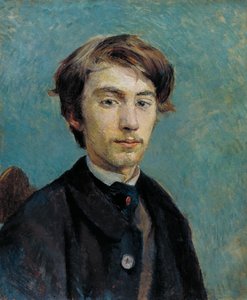
Émile Bernard
1868 - 1941 , France
Quick Facts
- Birth Date: April 28, 1868
- Birth Place: Lille, France
- Death Date: 1941
- Influenced: ['Paul Gauguin']
- Movement:
- Post-Impressionism
- Cloisonnism
- Synthetism
- Name: Émile Bernard
- Nationality: French
- Notable Works: ['La Grandmère']
Related Articles
Émile Bernard: Pioneering Synthetism & the Post-Impressionist Quest for Essence
Explore the life & work of Émile Bernard, a pivotal Post-Impressionist pioneer of Synthetism. Discover his influence on Van Gogh & Gauguin and learn about collecting his art with ArtsDot.
Post-Impressionism's 10 Defining Masterpieces: Art for Your Home |
Journey through Post-Impressionism's 10 defining masterpieces – Van Gogh, Monet & more. Explore iconic paintings, art history & find museum-quality reproductions for your home at . Discover all masterpieces online!
Beyond Light & Color: Impressionism vs. Post-Impressionism for the Discerning Collector
Explore the nuances of Impressionism & Post-Impressionism with . Expert insights for collectors on style, investment, and acquiring museum-quality reproductions.
Beyond Impressionism: Exploring the Emotional Depth of Post-Impressionist Painting
Explore the profound emotional depth & innovative techniques of Post-Impressionism with ArtsDot. Discover Cézanne, Van Gogh, Gauguin & more – and their lasting impact on modern art.

Cézanne's Masterpieces: 25 Iconic Artworks to Transform Your Space
Journey through 25 iconic artworks by Paul Cézanne – a master of Impressionism and Post-Impressionism. Explore his landscapes, still lifes, and the stories behind these timeless masterpieces. Discover museum-quality reproductions & curated decor at ArtsDot.com.