

 Preview
 Send
Send Share
Share
 Details

 Download
 Similars
 X-Ray
X-Ray Diaporama
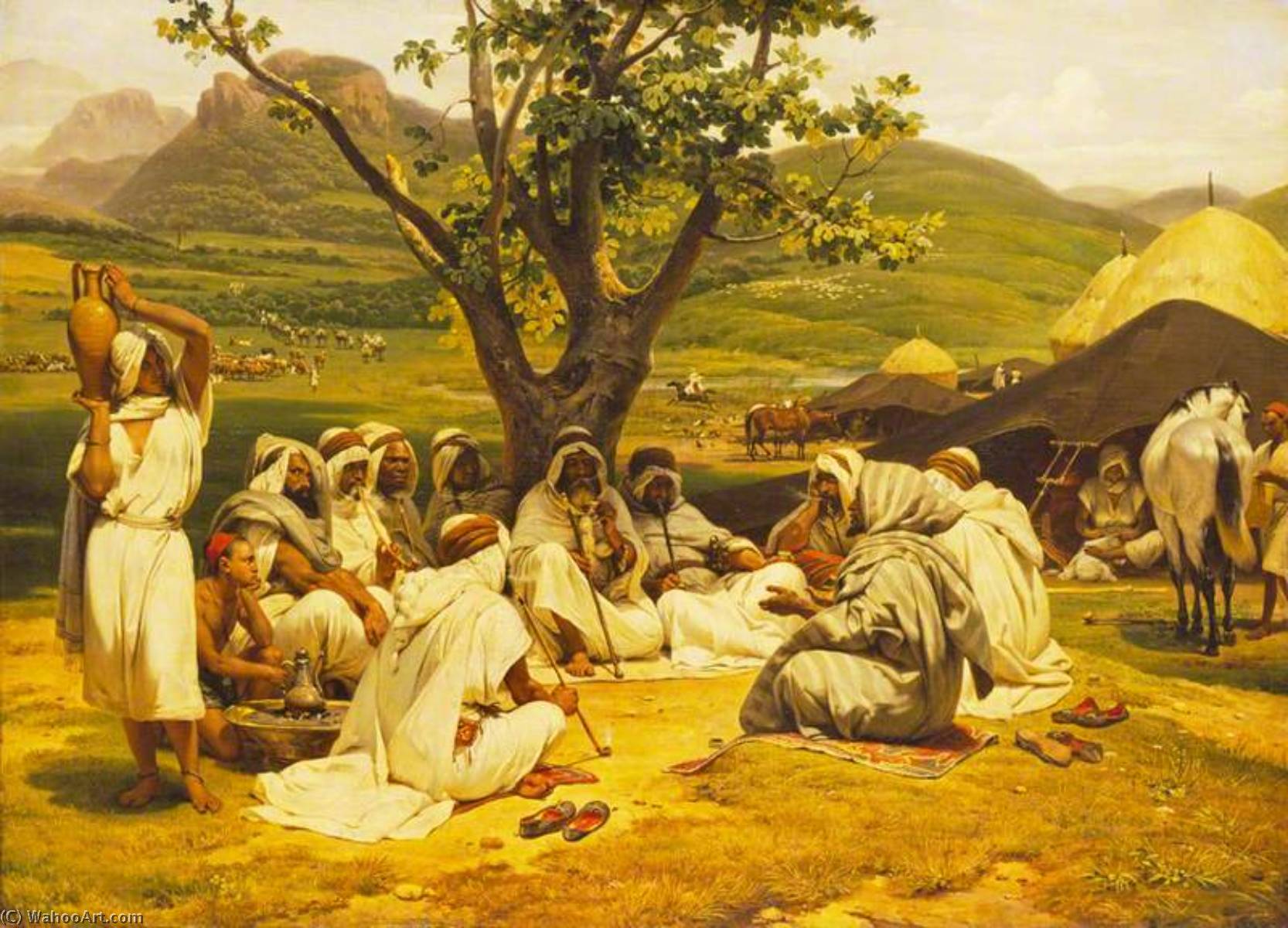
The Arab Tale Teller
 Acrylic On Canvas
- WallArt
- Romantic Realism
 1833
1833 99.0 x 137.0 cm
 The Wallace Collection
 Read More
Purchase a high-resolution, enhanced digital image, far superior to the online preview.
Each file is meticulously prepared by our in-house specialists using advanced tools and expert manual retouching. We ensure every image has exceptional clarity, precise color accuracy, and fine detail.
The final file is delivered via email within 72 hours, optimized for immediate use in professional, editorial, and print environments. This is the same quality trusted by top-tier design studios, publishers, and galleries.
Digital Image
Download a high-resolution file for personal display, printing, and creative projects. ( Buy Print Buy Hand Made Painting)
Included in Every Digital Image Order
Expert Digital Delivery, Guaranteed
When you choose ArtsDot.com, you're not just getting an image - you're receiving a professionally enhanced digital artwork, crafted with precision and backed by a satisfaction guarantee. Here's everything that comes with your order, automatically:

Fast Email Delivery
Your high-resolution digital image file will be emailed to you within 72 hours of ordering - ready for immediate use.

AI-Enhanced Digital File
Your artwork is professionally optimized using advanced AI tools and manual editing, ensuring maximum detail, clarity, and color accuracy.

Free Lifetime Re-Delivery
Accidentally deleted or lost your file? No worries - we'll resend it to you anytime, free of charge.

No Import Fees - Ever
Enjoy your artwork instantly with zero customs, duties, or delivery fees - digital downloads are always tax-free.

Color Accuracy Guarantee
We ensure your digital image reflects the original colors as closely as possible using professional tools and color management.

60-Day Satisfaction Guarantee
If you're not satisfied with your digital image, we'll revise it or refund 100% within 60 days - no questions asked.

100% Money-Back Guarantee
Not satisfied? Get a full refund within 60 days of receiving your digital file - no questions asked.

Bulk Order Discounts
Buy 3 images, save 10% - Buy 5, save 15% - Buy 10+, save 20%. Great for creative projects, galleries, and agencies.
Collectible Description
The Arab Tale Teller: A Symphony of Light and Movement
Émile Jean Horace Vernet’s “The Arab Tale Teller” transcends mere depiction; it's an immersive experience into the vibrant spirit of 19th-century Orientalism. Painted in 1833, this monumental oil on canvas captures a pivotal moment – not just of visual spectacle but also of cultural exchange between France and Algeria during Napoleon III’s reign. The artwork immediately draws the eye with its expansive composition, dominated by a sunlit desert landscape punctuated by rugged mountains, establishing an atmosphere of grandeur and remoteness.A Scene Steeped in Narrative
The central focus is a gathering of men around a tree – ostensibly a storyteller imparting wisdom to his audience. This isn’t simply a portrait of individuals; it's a deliberate staging designed to convey a narrative. Vernet skillfully employs chiaroscuro, utilizing dramatic contrasts between light and shadow to sculpt the figures and heighten the emotional intensity of the scene. Notice how the dappled sunlight filtering through the foliage illuminates faces etched with contemplation, emphasizing the importance of oral tradition and storytelling within Arab culture. The inclusion of horses – both standing motionless and galloping in the distance – adds dynamism and reinforces the sense of movement inherent in desert life.Technique and Artistic Vision
Vernet’s mastery lies in his ability to fuse observation with artistic license. He meticulously rendered the textures of the arid terrain—the rough bark of the tree, the undulating sand dunes—demonstrating a profound understanding of landscape painting techniques. His brushstrokes are loose yet confident, conveying immediacy and capturing the fleeting beauty of the moment. The artist’s stylistic choices align perfectly with Romantic Realism, prioritizing emotional resonance over idealized representation. Vernet eschewed academic conventions, opting for a style that prioritized capturing the essence of his subject matter rather than adhering to rigid artistic rules.Symbolism Beyond Surface Beauty
“The Arab Tale Teller” carries symbolic weight beyond its aesthetic appeal. The desert itself represents hardship and resilience—themes central to both French colonial ambitions and the cultural heritage of Algeria. The storyteller embodies wisdom and tradition, highlighting the importance of preserving cultural narratives across generations. Furthermore, Vernet’s depiction of Algerian soldiers training underscores France's perceived role as a civilizing force – an idea that reflects the broader intellectual debates surrounding colonialism at the time. It’s a painting that invites contemplation on themes of history, culture, and human connection.Emotional Impact: Capturing the Soul of Place
Ultimately, Vernet succeeds in transporting the viewer to this evocative desert setting. The painting pulsates with energy—the movement of horses, the animated faces of the men engaged in conversation—creating a palpable sense of immediacy. It’s not merely a visual record; it's an emotional journey that captures the spirit of a bygone era and speaks to our enduring fascination with landscapes and human interaction. “The Arab Tale Teller” remains a testament to Vernet’s artistic genius and his ability to transform observation into unforgettable art.Related Artworks
Artist Biography
Émile Jean-Horace Vernet: A Life in Paint
Early Life and Family Legacy
Émile Jean-Horace Vernet was born on June 30, 1789, in Paris, France – remarkably, within the Louvre Palace while his parents resided there during the French Revolution. He came from a distinguished artistic lineage; his father was Carle Vernet, also a renowned painter, and his grandfather was Claude Joseph Vernet, celebrated for his marine landscapes. This familial background profoundly shaped his early exposure to art and laid the foundation for his own career.Artistic Development and Early Influences
Vernet quickly developed a preference for depicting contemporary life rather than adhering to the high-minded seriousness of academic Classicism. He rejected idealized representations, favoring a more realistic and vernacular style. During Napoleon Bonaparte’s reign, he began portraying French soldiers with a newfound familiarity, diverging from the grand, Davidian approach. Early works like “The Taking of an Entrenched Camp” showcased his developing character and directness. His artistic development was also influenced by observing the realities of war and military life firsthand.Rise to Prominence During the Restoration
The Bourbon Restoration brought Vernet significant recognition. He secured a series of commissions from the Duc d'Orleans (the future King Louis-Philippe) for battle paintings. Critics were impressed by his speed and accuracy, noting that his works combined historical detail with compelling landscapes. His “Four Battles” series – including “The Battle of Jemappes,” “The Battle of Montmirail,” “The Battle of Hanau,” and “The Battle of Valmy” – established him as a leading battle painter of the era.Director of the French Academy in Rome
Vernet’s talent and reputation led to his appointment as director of the French Academy in Rome from 1829 to 1835. This period allowed him to study classical art and architecture, further refining his skills and broadening his artistic horizons. However, he remained committed to representing contemporary subjects upon his return to France.Patronage Under Louis-Philippe and the Second Empire
King Louis-Philippe became a prolific patron of Vernet, commissioning him to decorate the entire Constantine room at the Palace of Versailles within three years. These paintings depicted French colonization in Algeria, portraying scenes of military conquest and “civilizing” efforts. After the Revolution of 1848, Napoléon III also became a supporter, continuing Vernet’s commissions during the Second Empire. He continued to depict heroic representations of the French army, maintaining his commitment to realism.The Crimean War and Later Years
Vernet accompanied the French army during the Crimean War, producing paintings such as “The Battle of the Alma.” While not as well-received as his earlier works, these pieces demonstrated his dedication to documenting contemporary events. He famously refused a request to remove an unpopular general from one of his paintings, stating his commitment to historical truth.Major Achievements and Historical Significance
- Vernet’s realistic depictions of soldiers and battle scenes revolutionized military painting in France.
- His work provides valuable insights into 19th-century French society, politics, and colonial endeavors.
- He skillfully blended historical accuracy with artistic flair, creating compelling and visually striking compositions.
- His paintings served as powerful propaganda tools, shaping public perception of the French army and its campaigns.
Legacy
Émile Jean-Horace Vernet died in Paris on January 17, 1863. His work continues to be studied and admired for its historical significance and artistic merit. He is also a curious footnote in popular culture as the alleged relative of Sherlock Holmes (according to Arthur Conan Doyle’s story “The Adventure of the Greek Interpreter”). Vernet's legacy lies in his ability to capture the spirit of 19th-century France through vivid, realistic, and often dramatic depictions of war, colonialism, and everyday life.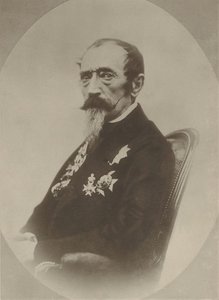
emile jean horace vernet
1789 - 1863
Quick Facts
- Birth Date: 1789
- Death Date: 1863
- Influenced By:
- Carle Vernet
- Claude Joseph Vernet
- Movement:
- Romanticism
- Orientalism
- Name: Émile Jean-Horace Vernet
- Nationality: French
- Notable Works:
- The Battle of Valmy
- Polish Prometheus
- The Artist's Studio
- Angel of Death

