

 Preview
 Send
Send Share
Share
 Details

 Download
 Similars
 X-Ray
X-Ray Diaporama
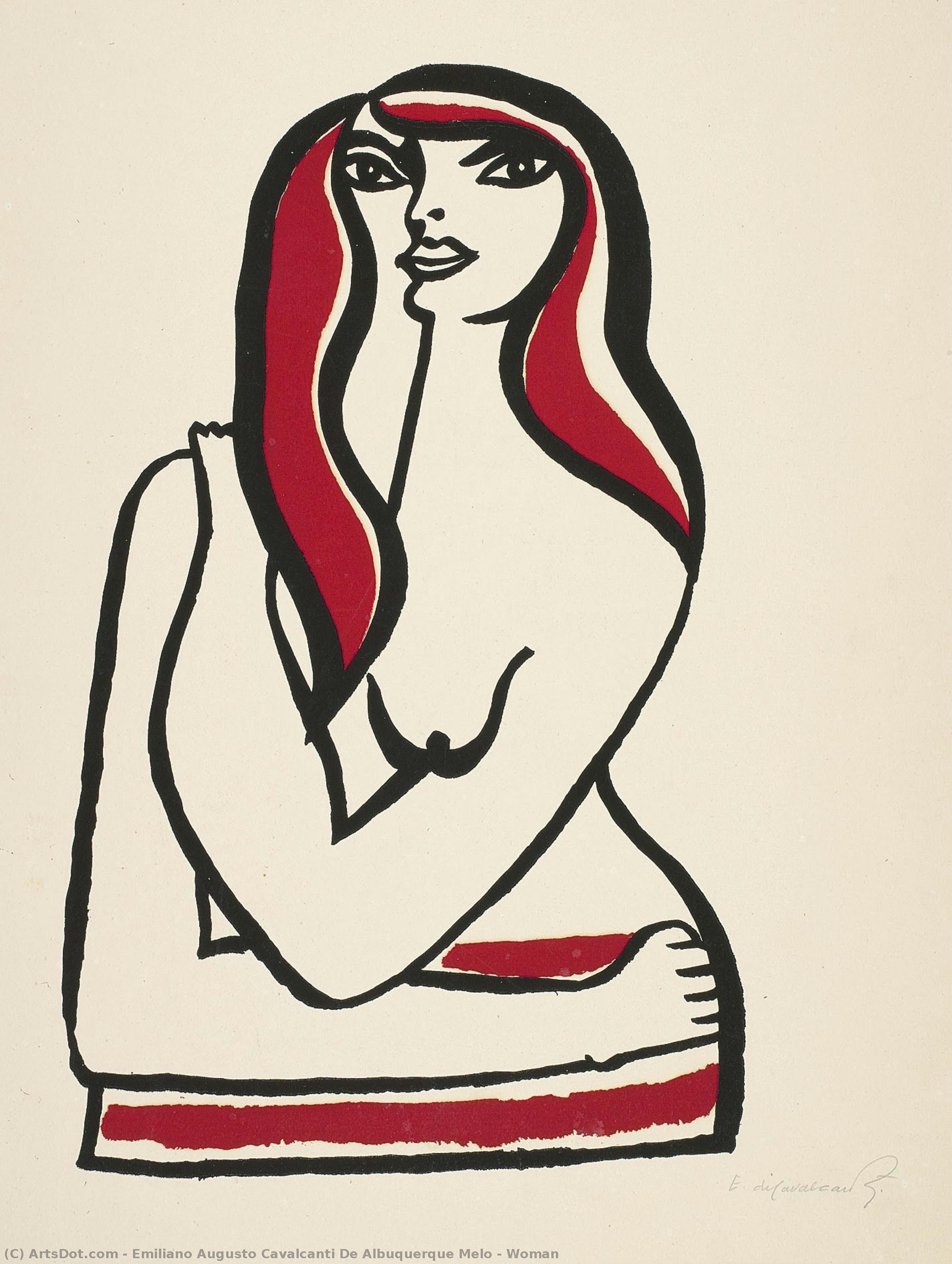
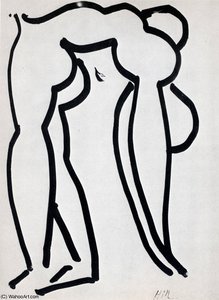
Woman
 Silkscreen
- Modernism
 1968
1968- Modern
 41.0 x 25.0 cm
 Museu de Valores do Banco Central do Brasil
 Read More
Purchase a high-resolution, enhanced digital image, far superior to the online preview.
Each file is meticulously prepared by our in-house specialists using advanced tools and expert manual retouching. We ensure every image has exceptional clarity, precise color accuracy, and fine detail.
The final file is delivered via email within 72 hours, optimized for immediate use in professional, editorial, and print environments. This is the same quality trusted by top-tier design studios, publishers, and galleries.
Digital Image
Download a high-resolution file for personal display, printing, and creative projects. ( Buy Print Buy Hand Made Painting)
Included in Every Digital Image Order
Expert Digital Delivery, Guaranteed
When you choose ArtsDot.com, you're not just getting an image - you're receiving a professionally enhanced digital artwork, crafted with precision and backed by a satisfaction guarantee. Here's everything that comes with your order, automatically:

Fast Email Delivery
Your high-resolution digital image file will be emailed to you within 72 hours of ordering - ready for immediate use.

AI-Enhanced Digital File
Your artwork is professionally optimized using advanced AI tools and manual editing, ensuring maximum detail, clarity, and color accuracy.

Free Lifetime Re-Delivery
Accidentally deleted or lost your file? No worries - we'll resend it to you anytime, free of charge.

No Import Fees - Ever
Enjoy your artwork instantly with zero customs, duties, or delivery fees - digital downloads are always tax-free.

Color Accuracy Guarantee
We ensure your digital image reflects the original colors as closely as possible using professional tools and color management.

60-Day Satisfaction Guarantee
If you're not satisfied with your digital image, we'll revise it or refund 100% within 60 days - no questions asked.

100% Money-Back Guarantee
Not satisfied? Get a full refund within 60 days of receiving your digital file - no questions asked.

Bulk Order Discounts
Buy 3 images, save 10% - Buy 5, save 15% - Buy 10+, save 20%. Great for creative projects, galleries, and agencies.
Collectible Description
A Vision of Crimson Radiance
In the evocative masterpiece Woman, created in 1968 by the legendary Brazilian Modernist Emiliano Augusto Cavalcanti de Albuquerque Melo—known affectionately to history as Di Cavalcanti—we encounter a profound moment of stillness and introspection. The painting presents a striking figure, a woman whose vibrant red hair serves as a flame against the composition, mirroring the deep, passionate tones of her crimson dress. As she rests her chin thoughtfully upon her hand, her gaze meets the viewer with an intensity that is both inviting and enigmatic. This piece is not merely a portrait; it is a psychological encounter, capturing a fleeting second of contemplation that feels as though it could stretch into eternity.
The technique employed in this work, a delicate silkscreen on paper, lends a unique texture and depth to the subject. Measuring an intimate 41 x 25 cm, the artwork possesses a concentrated energy that allows its colors to pulse with life. The medium of silkscreening allows for a certain graphic clarity, where the bold blocks of color interact with soft transitions, creating a sense of volume and presence. For the discerning collector or interior designer, this piece offers a sophisticated interplay of warmth and weight, making it an ideal focal point for spaces that demand both elegance and a touch of avant-garde spirit.
Modernist Soul and Brazilian Identity
To understand the emotional resonance of Woman, one must look toward the historical heartbeat of Di Cavalcanti’s era. As a central figure in the Brazilian Modernist movement, the artist spent his life weaving the socio-political threads of his nation into the fabric of his art. This work, though created later in his career, carries the legacy of his lifelong quest to define a national identity through the lens of human emotion and local character. The use of bold, saturated hues is reminiscent of the tropical vitality of Brazil, yet there is an underlying melancholy, a quiet dignity that speaks to the universal human condition.
The symbolism within the piece is subtle yet profound. The color red, dominating the palette, evokes themes of passion, vitality, and perhaps even the turbulent political currents that shaped the artist's world. By capturing the subject in a pose of quiet reflection, Di Cavalcanti invites us to look beyond the surface of the paint and into the soul of the sitter. For those seeking to adorn their homes with art that tells a story, this reproduction offers more than just aesthetic beauty; it provides a window into a pivotal moment of art history, bringing the warmth of Brazilian Modernism into the contemporary living space.
Related Artworks


Artist Biography
A Brazilian Modernist’s Quest for National Identity
Emiliano Augusto Cavalcanti de Albuquerque Melo, known to the art world as Di Cavalcanti, was a pivotal figure in the shaping of modern Brazilian art. Born in Rio de Janeiro in 1897, his life and artistic journey were deeply intertwined with the socio-political currents of his nation. From an early age, he was immersed in intellectual discourse thanks to his maternal uncle’s involvement in the abolitionist movement – a formative experience that instilled within him a lifelong commitment to politically engaged art. Though initially pursuing law in São Paulo, Di Cavalcanti's true calling lay elsewhere. He quickly gravitated towards artistic expression, holding his first exhibition in 1917 showcasing caricatures imbued with Symbolist undertones. This early work hinted at the restless spirit and innovative tendencies that would come to define his career.The Semana de Arte and European Encounters
Di Cavalcanti’s emergence coincided with a period of fervent artistic experimentation in Brazil. He became a key participant in the landmark *Semana de Arte Moderna* (Week of Modern Art) of 1922, a watershed moment that sought to liberate Brazilian art from the constraints of European academic tradition. While the event championed a uniquely Brazilian aesthetic, Di Cavalcanti’s contributions at the time still bore traces of Symbolist, Expressionist, and Impressionist influences – a testament to the complex interplay between national aspiration and artistic training. This tension would become a defining characteristic of his work. Seeking further inspiration, he journeyed to Europe in 1923, immersing himself in the vibrant modernist scene of Paris and Montparnasse. There, encounters with luminaries like Pablo Picasso, Henri Matisse, Georges Braque, and Fernand Léger profoundly impacted his artistic vision, exposing him to new techniques and perspectives.Forging a Brazilian Style
Upon returning to Rio de Janeiro in 1925, Di Cavalcanti embarked on a deliberate quest to synthesize European modernism with distinctly Brazilian themes. This wasn’t merely an aesthetic exercise; it was fueled by a growing sense of nationalistic fervor and a commitment to social commentary. Joining the Brazilian Communist Party further solidified his political convictions and informed his artistic choices. His work began to focus increasingly on depictions of everyday Brazilian life, particularly celebrating the beauty and vitality of *mulata* women – figures often marginalized in traditional art. These paintings weren’t simply portraits; they were powerful statements about national identity, racial diversity, and social inclusion. He skillfully blended Cubist fragmentation with a vibrant color palette and fluid lines, creating a style that was both modern and deeply rooted in Brazilian culture. Beyond painting, Di Cavalcanti also explored interior design, demonstrating his versatility as an artist.Legacy and Lasting Influence
Di Cavalcanti’s artistic legacy extends far beyond the canvases he created. He became a symbol of Brazil's modernist movement, inspiring generations of artists to embrace their national heritage while engaging with global artistic trends. His work continues to resonate today for its bold aesthetic, social consciousness, and celebration of Brazilian identity. Though his life was marked by periods of political persecution – including two imprisonments due to his communist affiliations – he remained steadfast in his commitment to artistic expression. Museums across Brazil proudly display his paintings, and his works are increasingly recognized internationally. His ability to capture the spirit of a nation undergoing profound social and cultural transformation cemented his place as one of Brazil’s most important and beloved artists. Discover some of his notable artworks such as A Carioca, Untitled (Heralds), and Mulatas at ArtsDot, and explore further insights into his life and work through resources like Wikipedia and WikiArt.
Emiliano Augusto Cavalcanti de Albuquerque Melo
1897 - 1976 , Brazil
Quick Facts
- Artistic Movement Or Style: Brazilian Modernism
- Artists Who Influenced This Artist:
- Pablo Picasso
- Henri Matisse
- Date Of Birth: September 6, 1897
- Date Of Death: October 26, 1976
- Full Name: Emiliano Di Cavalcanti
- Nationality: Brazilian
- Notable Artworks:
- A Carioca
- Untitled (Heralds)
- Mulatas
- Place Of Birth: Rio de Janeiro, Brazil

