 Preview
 Send
Send Share
Share
 Details

 Download
 Similars
 X-Ray
X-Ray Diaporama
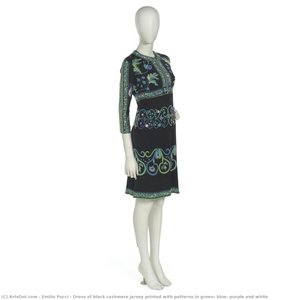
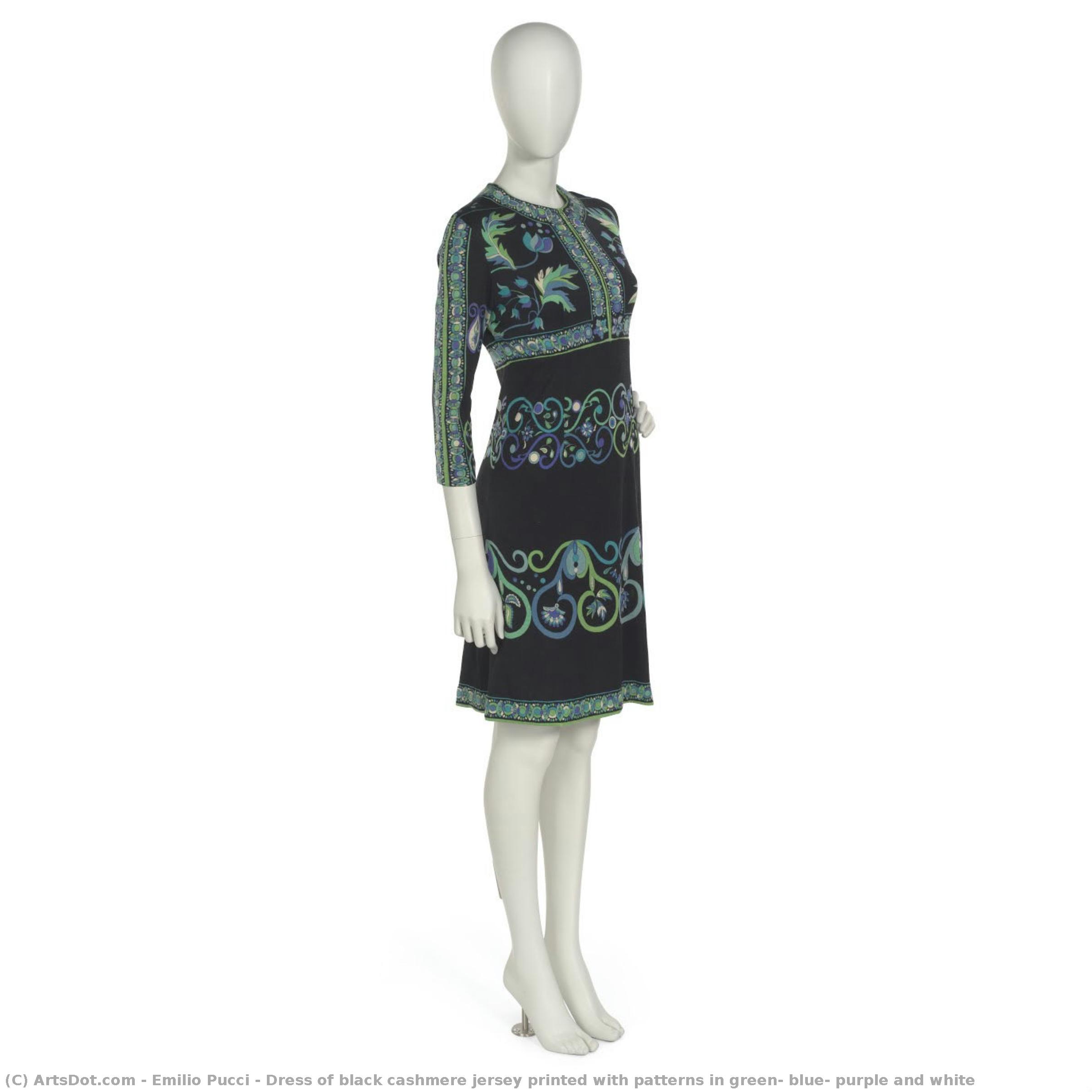
Dress of black cashmere jersey printed with patterns in green, blue, purple and white


 Read More
Giclée / Art Print
Museum-quality giclée or canvas print with fast production and flexible finish options. ( Buy Hand Made Painting Buy Image)




P118B $10

P118H $10

P118W $10

P438Z $10

P508JH $12

P508YH $12

P805H $10

P805Z $10

P919BZ $10

P919G $10

P919XJ $10

P959ZH $10

P968JZ $12

W106C $8

W218G $10

W218JH $8

W218Y $10

W307PJ $10

W316G $10

W316PJ $8

W316Y $10

W398PJ $8

W4111J $10

W500HY $15

W500JH $15

W692G $12

W849H $8

W940BG $15

W953PJ $8




Pick from our preset sizes that match the artwork's original proportions.

You may enter your own dimensions to fit a specific frame or space. If your selected size does not match the original image's proportions, we will either crop the artwork or extend the image with a mirrored or solid-fill edge. A digital mockup will be sent for your approval before production begins.
Please note that the on-screen preview does not reflect the actual cropping or extension. Only the mockup will accurately show the final composition.
While custom sizes are available, we recommend selecting a dimension from the predefined list to preserve the original proportions.
Worldwide Delivery () in 2 weeks instead of standard 4/5 weeks. (27 August)

Free Worldwide Express Shipping

High-Quality Linen Canvas

Full Shipping Insurance

Customs Tax Refund Guarantee

True Color Matching Guarantee

60-Day Return Policy (Defects Only)

100% Money-Back Guarantee

Bulk Discount Offer
 Glass option is only available in size under 110 CM

Dress of black cashmere jersey printed with patterns in green, blue, purple and white
Giclée / Art Print
Reproduction Size
-


Total Price
$ 63
Collectible Description
The Dawn of a New Aesthetic – Emilio Pucci's 1967 Masterpiece
Before the explosion of psychedelic patterns and the rise of maximalist fashion, there existed a quiet revolution in Italian design. Emilio Pucci’s 1967 black cashmere jersey dress isn’t merely a garment; it’s a portal to a specific moment – a vibrant snapshot of mid-century optimism, jet-setting glamour, and an audacious embrace of geometric abstraction. This piece, often overlooked amidst the more flamboyant pronouncements of his career, represents a pivotal shift in Pucci's design philosophy: a move towards sophisticated, wearable art that seamlessly blended luxury materials with bold visual statements.
Pucci’s early work was deeply rooted in sportswear and uniforms, honed during his time as a bomber pilot. However, it was after the war, fueled by a desire to capture the spirit of international travel and the burgeoning world of jet-set fashion, that he truly blossomed. He began experimenting with innovative fabrics – stretch jerseys, silk blends, and vibrant prints – creating garments that were both comfortable and undeniably stylish. This particular dress exemplifies this evolution perfectly; it’s a testament to his ability to elevate everyday materials into objects of desire.
A Dance of Color and Form: Decoding the Design
The dress itself is a study in controlled chaos. The base fabric, a luxurious black cashmere jersey, provides an elegant foundation for a riot of color – deep blues, vibrant greens, rich purples, and flashes of white intertwine in a complex network of geometric patterns. These aren’t haphazard splashes; they are meticulously crafted shapes: stylized flowers, overlapping squares, and flowing curves that seem to ripple across the fabric like water. The printing technique—likely screen printing—is remarkably precise, creating sharp edges and distinct layers within the design. Notice how the colors bleed subtly into one another, suggesting movement and depth.
- Geometric Harmony: The dominant shapes – squares, rectangles, and triangles – are arranged in a deliberate, almost mathematical order, lending a sense of structure to the overall composition.
- Floral Echoes: While predominantly geometric, hints of stylized floral motifs peek through, adding a touch of organic softness to the otherwise structured design.
- Color Palette: The carefully chosen color palette evokes a sense of luxury and sophistication, reminiscent of Mediterranean landscapes – azure skies, emerald forests, and amethyst sunsets.
The Context of Cool: Pucci’s Influence on Global Style
Pucci's designs were instantly adopted by the international jet set in the 1960s. Celebrities like Marilyn Monroe, Jackie Kennedy, and Sophia Loren embraced his bold prints, cementing his status as a leading figure in fashion. His influence extended far beyond clothing; he designed luggage, scarves, and even interiors for private jets – creating a cohesive world of Pucci-branded luxury. The dress’s popularity reflects the broader cultural shift towards optimism and internationalism that characterized the era, mirroring the spirit of travel, exploration, and a celebration of diverse cultures.
Beyond Fashion: A Timeless Symbol of Style
More than just a beautiful garment, this Emilio Pucci dress embodies a specific aesthetic – one of effortless elegance, playful sophistication, and an unapologetic embrace of color. It’s a reminder that fashion can be both functional and expressive, a reflection of the times and a celebration of individual style. Today, reproductions capture the essence of this iconic piece, allowing us to experience its vibrant energy and timeless appeal in our own wardrobes and interiors. The dress remains a powerful symbol of mid-century glamour and a testament to Emilio Pucci’s enduring legacy as one of fashion's most innovative designers.
Related Artworks
Artist Biography
Early Life and Education
- Born: November 20, 1914, Naples, Italy
- Died: November 29, 1992, Florence, Italy
- Emilio Pucci came from a wealthy aristocratic Florentine family.
- He demonstrated an early interest in sports and education.
- Pucci studied agriculture, political science, and social science at various universities including the University of Milan, the University of Georgia (USA), and Reed College (Oregon).
- While at Reed College, he earned a skiing scholarship and received an MA in social science.
World War II Service and Early Fashion Beginnings
- During World War II, Pucci served as a bomber pilot in the Italian Air Force, rising to the rank of captain.
- He was involved in a plan to save Count Galeazzo Ciano's life, demonstrating courage and resourcefulness.
- After the war, he leveraged his experience designing uniforms for the Reed College ski team into creating sportswear.
- His designs gained recognition when Toni Frissell photographed one of his outfits for Harper’s Bazaar in 1947.
- This led to Pucci being commissioned to design women's ski clothes, marking the beginning of his fashion career.
The Rise of Emilio Pucci Fashion
- In 1949, Pucci established a couture house in Capri and began producing swimwear and silk scarves.
- His designs were characterized by vibrant colors, bold geometric patterns, and innovative use of stretch fabrics.
- Stanley Marcus of Neiman Marcus played a key role in promoting his work, leading to the creation of blouses and printed silk dresses.
- Pucci's fashion house quickly gained popularity among the international jet set.
- Notable clients included Marilyn Monroe, Sophia Loren, and Jackie Kennedy, solidifying his status as a prominent designer.
Artistic Style and Legacy
- Distinctive Prints: Pucci is best known for his kaleidoscopic prints featuring geometric shapes, swirling patterns, and vibrant colors.
- Innovative Fabrics: He pioneered the use of stretch fabrics in clothing, creating comfortable and flattering designs.
- Influence on Fashion: His bold aesthetic significantly influenced 1960s fashion and continues to inspire contemporary designers.
- Brand Expansion: Pucci expanded his brand into lingerie, knitwear, accessories, ceramics, and perfume.
- Continued Success: After Emilio's death in 1992, his daughter Laudomia continued to lead the company, maintaining its artistic vision. LVMH acquired a majority stake in Pucci in 2000.
Political Career and Later Years
- Pucci served as a member of the Italian Parliament from 1963 to 1972 representing the Florence constituency.
- He also held a position as a city counselor in Florence.
- His political career demonstrates his broader engagement with Italian society beyond fashion.
- The Pucci family has a long history of political involvement in Florence, adding another layer to Emilio's legacy.
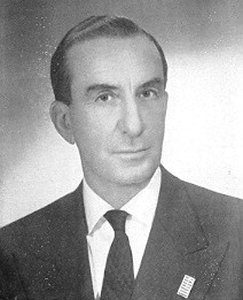
emilio pucci
1914 - 1992 , Italy
Quick Facts
- Artistic Movement Or Style: Geometric prints, vibrant colors
- Artists Or Movements Influenced By This Artist: ['Benvenuto Cellini']
- Date Of Birth: November 20, 1914
- Date Of Death: November 29, 1992
- Full Name: Emilio Pucci, Marchese di Barsento
- Nationality: Italian
- Notable Artworks:
- Dress of black cashmere jersey
- Evening ensemble in cotton velveteen
- Place Of Birth: Naples, Italy
Related Articles

Giclée Prints: Archival Quality & Aesthetic Nuances for the Discerning Collector
Explore the world of giclée prints with ArtsDot. Learn about archival quality, aesthetic nuances & investment potential. Expert guidance for discerning art collectors seeking museum-quality reproductions and lasting value.

The Enduring Legacy of Fine Art Prints: Technique, History & Aesthetic Impact
Explore the rich history & techniques of fine art prints. Discover investment potential, assess authenticity, and learn how to preserve your collection with expert guidance. Trusted insights for discerning collectors.

Echoes of Time: Exploring the Enduring Appeal & Historical Context of Vintage Art Prints
Explore the captivating world of vintage art prints! Discover their history, collecting tips & enduring appeal. Expert insights on chromolithography and building a legacy collection with ArtsDot.
The Enduring Legacy of Printmaking: Techniques, Themes & Artistic Innovation Across Centuries
Explore the rich history of printmaking with ArtsDot. Discover techniques from intaglio to lithography, learn about collecting valuable prints & find museum-quality reproductions. Expert insights for art enthusiasts and collectors.
The Enduring Legacy of Woodblock Printmaking: Technique, History & Artistic Expression
Explore the rich history of woodblock printmaking – from ancient techniques to Ukiyo-e masterpieces. Discover expert insights on collecting, preserving & appreciating this enduring art form.