

 Preview
 Send
Send Share
Share
 Details

 Download
 Similars
 X-Ray
X-Ray Diaporama
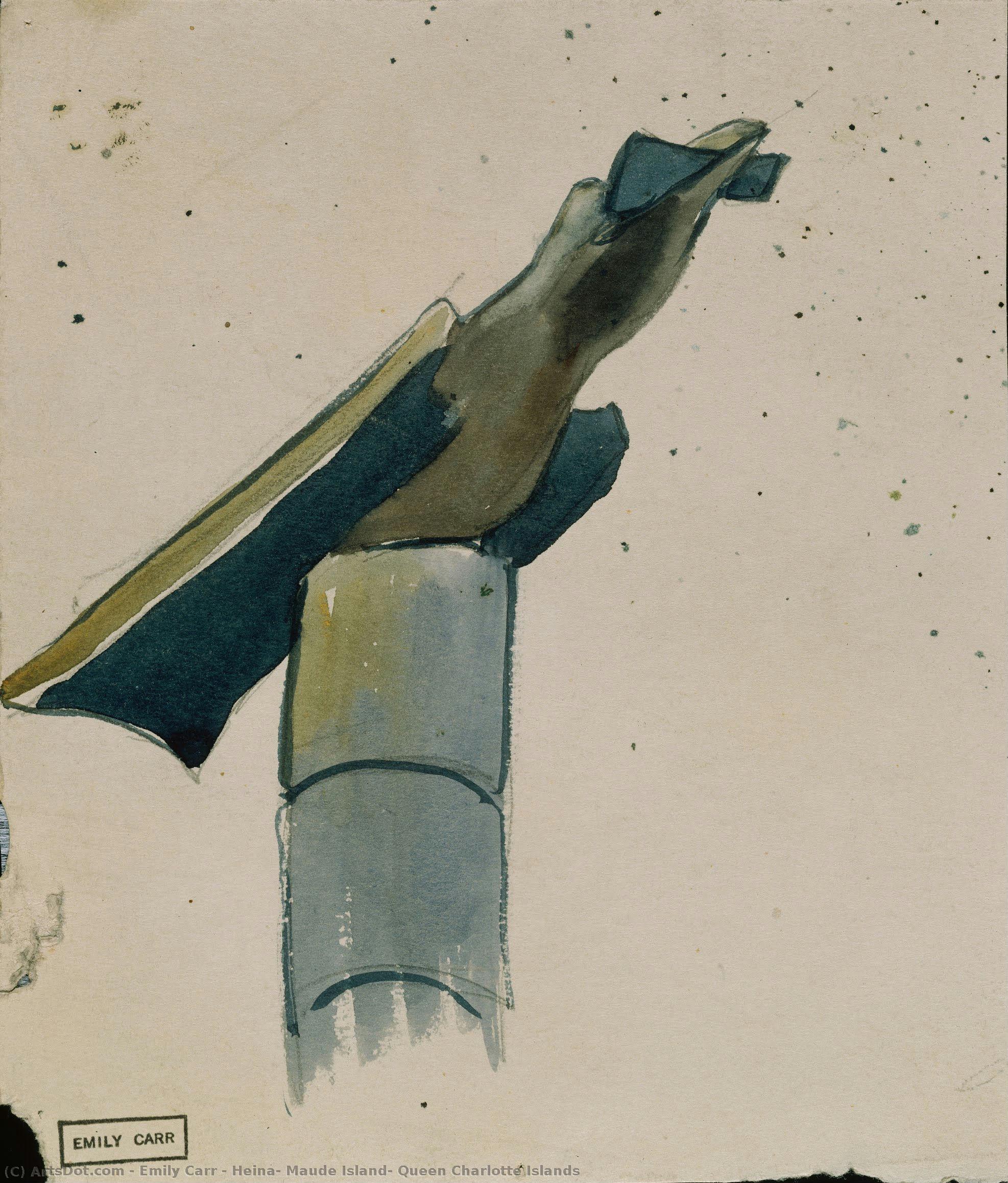
Heina, Maude Island, Queen Charlotte Islands
 Watercolor
- WallArt
- Early Modernism
 16.0 x 19.0 cm
 Royal BC Museum
 Read More
Purchase a high-resolution, enhanced digital image, far superior to the online preview.
Each file is meticulously prepared by our in-house specialists using advanced tools and expert manual retouching. We ensure every image has exceptional clarity, precise color accuracy, and fine detail.
The final file is delivered via email within 72 hours, optimized for immediate use in professional, editorial, and print environments. This is the same quality trusted by top-tier design studios, publishers, and galleries.
Digital Image
Download a high-resolution file for personal display, printing, and creative projects. ( Buy Print Buy Hand Made Painting)
Included in Every Digital Image Order
Expert Digital Delivery, Guaranteed
When you choose ArtsDot.com, you're not just getting an image - you're receiving a professionally enhanced digital artwork, crafted with precision and backed by a satisfaction guarantee. Here's everything that comes with your order, automatically:

Fast Email Delivery
Your high-resolution digital image file will be emailed to you within 72 hours of ordering - ready for immediate use.

AI-Enhanced Digital File
Your artwork is professionally optimized using advanced AI tools and manual editing, ensuring maximum detail, clarity, and color accuracy.

Free Lifetime Re-Delivery
Accidentally deleted or lost your file? No worries - we'll resend it to you anytime, free of charge.

No Import Fees - Ever
Enjoy your artwork instantly with zero customs, duties, or delivery fees - digital downloads are always tax-free.

Color Accuracy Guarantee
We ensure your digital image reflects the original colors as closely as possible using professional tools and color management.

60-Day Satisfaction Guarantee
If you're not satisfied with your digital image, we'll revise it or refund 100% within 60 days - no questions asked.

100% Money-Back Guarantee
Not satisfied? Get a full refund within 60 days of receiving your digital file - no questions asked.

Bulk Order Discounts
Buy 3 images, save 10% - Buy 5, save 15% - Buy 10+, save 20%. Great for creative projects, galleries, and agencies.
Collectible Description
A Whisper of the Coast: Emily Carr’s “Heina, Maude Island”
Emily Carr's "Heina, Maude Island," painted in 1912, isn’t merely a depiction of a bird perched upon a weathered pole; it’s a profound meditation on solitude, resilience, and the enduring spirit of British Columbia’s Indigenous communities. This watercolor captures a fleeting moment along the rugged coastline of Haida Gwaii, specifically Maude Island, a place steeped in history and imbued with a quiet dignity that resonates deeply within the artwork. Carr, a pivotal figure in Canadian art, masterfully translated her observations into a style uniquely her own – one characterized by loose brushwork, vibrant color, and an intimate connection to the land and its people.
Composition and Technique: Embracing Impressionistic Fluidity
The composition immediately draws the eye upward, anchored by the stark verticality of the pole against the expansive, muted backdrop. Carr’s technique is deliberately impressionistic; she eschews precise detail in favor of capturing the *feeling* of the scene. The watercolor washes are applied with a remarkable fluidity, creating an atmospheric haze that softens the edges and suggests the dampness of the coastal air. Notice how the colors bleed into one another – blues and grays dominate, punctuated by subtle ochre highlights hinting at the weathered wood of the pole and the bird’s plumage. The artist employs a wet-on-wet technique, allowing the pigments to mingle and blend seamlessly, resulting in an almost ethereal quality. The slight perspective shift in the pole subtly draws the viewer into the scene, creating a sense of depth without resorting to rigid linear rules.
Symbolism: Echoes of Haida Culture and Enduring Strength
Beyond its aesthetic beauty, “Heina” is rich with symbolic meaning. The bird itself – identified as likely a raven or crow – is a frequent motif in Haida art and carries significant cultural weight. Ravens are often associated with intelligence, prophecy, and connection to the spirit world. The weathered pole, seemingly rooted firmly in the earth, speaks to resilience and endurance—a visual metaphor for the enduring strength of both the landscape and the Indigenous communities who have called it home for millennia. The island’s name, “Haina,” is a direct reference to this historical settlement, grounding the artwork within its specific context. Carr's deliberate choice to depict this quiet scene speaks volumes about her respect for the natural world and her desire to document a vanishing way of life.
Carr’s Vision: A Bridge Between Worlds
Emily Carr’s work is inextricably linked to her deep engagement with First Nations culture. She wasn't simply an observer; she sought to understand and represent their worldview, their connection to the land, and their artistic traditions. “Heina” exemplifies this approach – it’s not a photographic representation but rather a subjective interpretation filtered through Carr’s own unique sensibility. The painting invites contemplation, prompting us to consider our relationship with nature and the importance of preserving cultural heritage. It's a testament to Carr’s ability to capture the essence of a place and its people, transforming a simple observation into a powerful work of art that continues to resonate today.
Additional Research & Reproduction Details
- Artist: Emily Carr (1871-1945)
- Date: Unknown, likely circa 1912
- Medium: Watercolor on Paper
- Size: 16 x 19 cm
- Location: Royal BC Museum PDP2298
- Further Information: Royal BC Archives
ArtsDot offers high-quality reproductions of “Heina, Maude Island,” allowing you to bring this evocative piece into your home or office. Consider a custom size for optimal impact within your space.
Related Artworks
Artist Biography
A Life Rooted in the Landscape and Spirit of British Columbia
Emily Carr, born December 13, 1871, in Victoria, British Columbia, was more than just a painter; she was a chronicler of a changing world, a passionate observer of both the natural majesty of the Pacific Northwest and the rich cultural heritage of its First Nations peoples. Her life unfolded against the backdrop of a rapidly evolving Canada, a nation grappling with its identity and relationship to its Indigenous populations. The daughter of Richard and Emily Carr, English immigrants who sought opportunity in the burgeoning colony, she grew up in a household that valued both tradition and progress. This duality would profoundly shape her artistic vision. From an early age, encouraged by her father, Emily displayed a remarkable aptitude for art, a talent nurtured through formal instruction and a deep connection to the surrounding landscape. The imposing forests of Vancouver Island, the rugged coastline, and the vibrant life within them became enduring sources of inspiration. However, it was not merely the visual beauty that captivated Carr; she sought to capture the *spirit* of this land, its inherent power and mystery.Forging a Unique Artistic Voice
Carr’s artistic journey was one of continuous exploration and refinement. She pursued formal training at the San Francisco Art Institute (1890-1892) and later at the Westminster School of Art in London (1899), immersing herself in European artistic currents. Yet, she found herself increasingly drawn back to her native British Columbia, recognizing that true artistic expression lay not in imitation but in authentic representation of her own experience. Initially influenced by Post-Impressionism, Carr gradually moved away from conventional techniques, developing a style characterized by bold colors, dynamic brushstrokes, and an almost visceral energy. A pivotal moment in her development came through her encounters with the First Nations communities along the British Columbia coast. She traveled extensively throughout these regions, documenting their villages, totem poles, and ceremonial objects with reverence and respect. These experiences profoundly impacted her work, infusing it with a spiritual depth and a commitment to preserving a culture facing immense pressure from colonial forces. Carr wasn’t simply painting *about* First Nations cultures; she was attempting to convey their worldview, their connection to the land, and the profound symbolism embedded in their art. Her paintings became powerful statements of cultural preservation and artistic innovation.Modernism and the Expression of Inner Vision
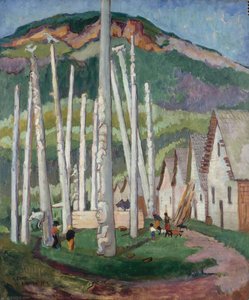
Emily Carr stands as a pioneering figure in Canadian Modernism, embracing new forms of expression while remaining deeply rooted in her own unique perspective. She wasn’t content to merely replicate what she saw; instead, she sought to convey the emotional and spiritual essence of her subjects. This led her to experiment with increasingly abstract compositions, employing thick impasto techniques to create a sense of movement and texture. Her canvases often pulsate with energy, reflecting the raw power of the natural world and the vibrant life force of the First Nations communities she depicted. Kispiox Village, for example, is not simply a representation of a village scene; it’s an evocation of its atmosphere, its history, and its spiritual significance. Carr's work often features towering trees that seem to reach towards the heavens, symbolizing both the grandeur of nature and the enduring spirit of Indigenous cultures. She wasn’t afraid to challenge conventional artistic norms, pushing boundaries and forging her own path. This commitment to artistic independence would inspire generations of Canadian artists to come.Legacy and Enduring Influence
Though recognition came relatively late in life, Emily Carr is now widely celebrated as “the Mother of Modern Canadian Art.” Her paintings are treasured for their beauty, their emotional depth, and their historical significance. Beyond her artistic achievements, Carr was also a gifted writer, chronicling her experiences and observations in the acclaimed autobiography Klee Wyck, which won the Governor General’s Literary Award for non-fiction in 1941. This work provides invaluable insights into her life, her artistic process, and her profound connection to British Columbia. Carr's legacy extends far beyond the art world; she has become a national icon, representing artistic independence, cultural exploration, and the enduring beauty of the Canadian landscape. Her influence can be seen in the work of numerous subsequent artists, including Pegi Nicol Macleod, who similarly sought to capture the spirit of the West Coast. Even today, her paintings continue to resonate with audiences around the world, reminding us of the importance of preserving cultural heritage and celebrating the power of artistic expression. A testament to her lasting impact is the naming of minor planet 5688 Kleewyck in her honor—a celestial tribute to a truly remarkable artist and visionary.Major Works
- Tanoo (watercolor): A delicate yet powerful depiction of First Nations life, showcasing Carr’s mastery of watercolor techniques.
- A Haida Village (oil): A striking oil painting that captures the architectural grandeur and spiritual significance of a Haida village.
- The Indian Church (oil): A poignant representation of the intersection between Indigenous culture and Christian missionary influence, reflecting Carr’s complex engagement with colonial history.
- Kispiox Village (oil): An iconic painting that embodies Carr's unique style and her deep connection to the landscapes and communities of British Columbia.
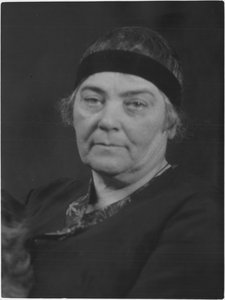
Emily Carr
1871 - 1945 , Canada
Quick Facts
- Artistic Movement Or Style: Modernism, Post-Impressionism
- Artists Or Movements Influenced By This Artist: ['Pegi Nicol Macleod']
- Date Of Birth: Dec 13, 1871
- Date Of Death: Mar 2, 1945
- Full Name: Emily Carr
- Nationality: Canadian
- Notable Artworks:
- Tanoo
- A Haida Village
- The Indian Church
- Kispiox Village
- Place Of Birth: Victoria, Canada

