 Preview
 Send
Send Share
Share
 Details

 Download
 Similars
 X-Ray
X-Ray Diaporama
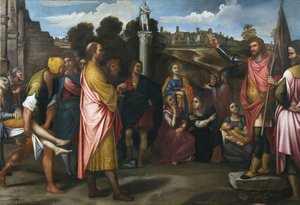
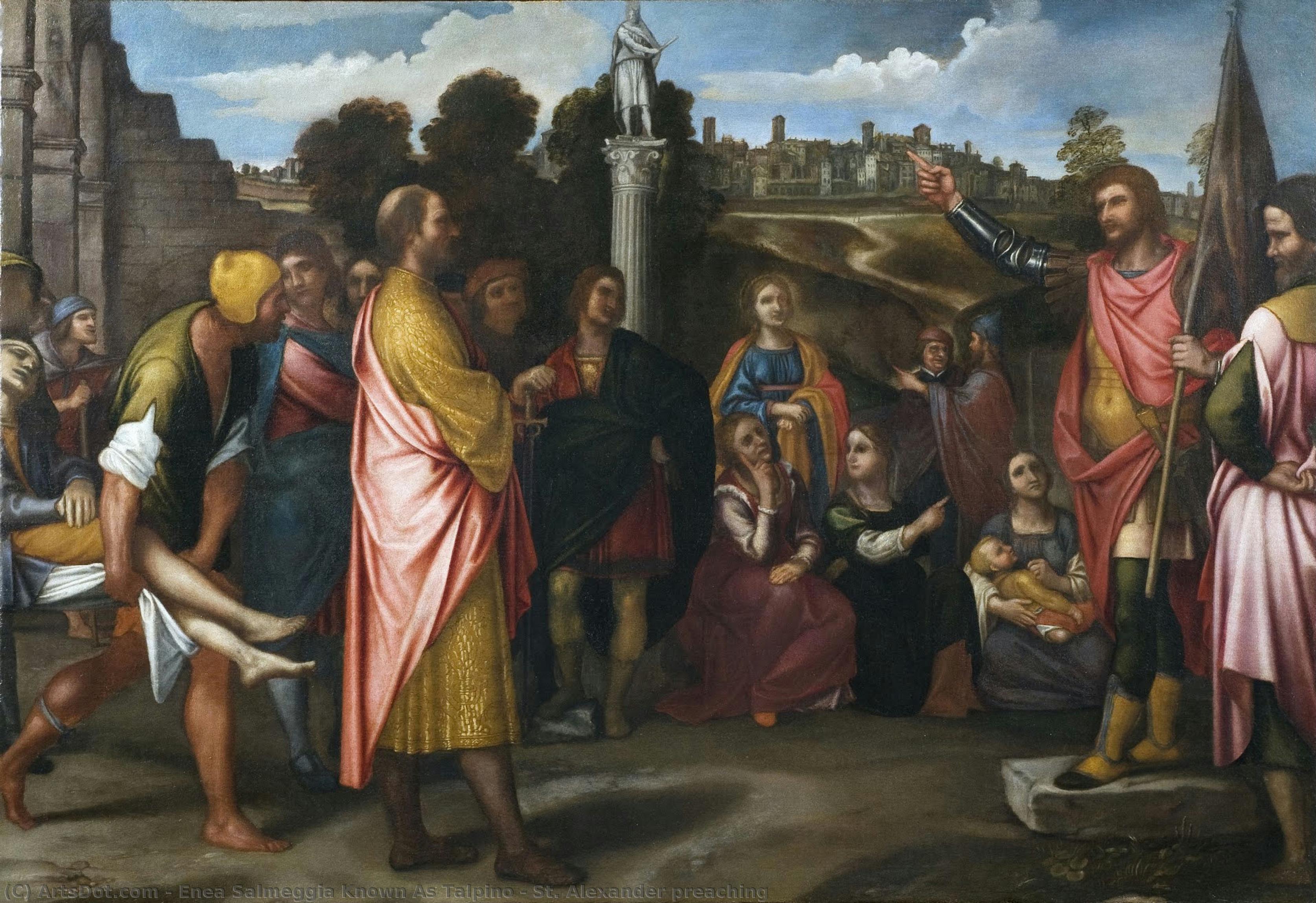
St. Alexander preaching

 Read More
Giclée / Art Print
Museum-quality giclée or canvas print with fast production and flexible finish options. ( Buy Hand Made Painting Buy Image)




































Pick from our preset sizes that match the artwork's original proportions.

You may enter your own dimensions to fit a specific frame or space. If your selected size does not match the original image's proportions, we will either crop the artwork or extend the image with a mirrored or solid-fill edge. A digital mockup will be sent for your approval before production begins.
Please note that the on-screen preview does not reflect the actual cropping or extension. Only the mockup will accurately show the final composition.
While custom sizes are available, we recommend selecting a dimension from the predefined list to preserve the original proportions.
Worldwide Delivery () in 2 weeks instead of standard 4/5 weeks. (29 August)

Free Worldwide Express Shipping

High-Quality Linen Canvas

Full Shipping Insurance

Customs Tax Refund Guarantee

True Color Matching Guarantee

60-Day Return Policy (Defects Only)

100% Money-Back Guarantee

Bulk Discount Offer
 Glass option is only available in size under 110 CM

St. Alexander preaching
Giclée / Art Print
Reproduction Size
-


Total Price
$ 63
Related Artworks





Artist Biography
A Bergamo Raphael: The Life and Art of Enea Salmeggia
Enea Salmeggia, affectionately known as Il Talpino – “The Mole” – was a pivotal figure in the transition from the High Renaissance to the burgeoning Baroque period in Lombardy. Born around 1565-1570 in the small frazione of Salmezza near Nembro, Italy, his artistic journey unfolded primarily within the vibrant cultural landscape of Bergamo and Milan. While not as widely celebrated internationally as some of his contemporaries, Salmeggia’s prolific output and distinctive style earned him a reputation as a master painter, deeply rooted in the traditions of 16th-century Lombard art yet subtly foreshadowing the dramatic intensity of the coming era.
Early Training and Influences
Salmeggia's formative years were steeped in artistic apprenticeship. He initially studied with members of the Campi family, a prominent dynasty of painters active in Bergamo, absorbing their techniques and compositional approaches. This early exposure laid a solid foundation in the local artistic vernacular. However, his ambitions led him to Milan, where he entered the workshop of the Procaccini family. The Procaccinis, known for their dynamic compositions and expressive figures, broadened Salmeggia’s horizons and introduced him to a more sophisticated understanding of Mannerist aesthetics. Crucially, it is believed that during his time with Peterzano, he may have encountered the young Caravaggio, though the extent of any direct influence remains debated.
A Prolific Output: Religious Scenes and Poignant Figures
Salmeggia’s artistic production was remarkably prolific. He specialized in religious subjects, particularly scenes depicting the Passion of Christ – a testament to the Counter-Reformation fervor sweeping through Italy at the time. His paintings are characterized by a delicate balance between idealized beauty and emotional realism. Works like “Christ’s Agony in the Garden” and “Flagellation,” commissioned for the church of the Passion in Milan, exemplify this approach. These compositions aren't merely depictions of biblical events; they are imbued with a palpable sense of human suffering and spiritual anguish. His figures possess a quiet dignity even amidst torment, reflecting a deep empathy and understanding of the human condition.
Style and Technique: Echoes of Raphael and Lombard Tradition
The moniker “Bergamo Raphael” wasn’t bestowed lightly. Salmeggia demonstrably absorbed elements of Raphael's grace, clarity, and harmonious compositions. However, he didn’t simply imitate his idol. He skillfully integrated these influences with the existing Lombard artistic tradition – the legacy of Bernardino Luini and Correggio – creating a unique synthesis. He was known for reworking pre-existing models, often adapting details and scales to suit new contexts. This practice, sometimes employing cardboard techniques for compositional ease, allowed him to maintain consistency while still producing fresh and engaging works. A drawing once attributed to Raphael, now recognized as Salmeggia’s hand, further underscores his deep engagement with the master's style.
Legacy and Historical Significance
Enea Salmeggia died in Bergamo on February 25th, 1626, leaving behind a substantial body of work that continues to captivate viewers today. His paintings can be found throughout Lombardy, adorning churches and galleries alike. While he didn’t initiate a revolutionary new style, his ability to synthesize diverse influences – Raphael's classicism, the dynamism of the Procaccinis, and the local Lombard tradition – made him an important transitional figure. He bridged the gap between the High Renaissance and the Baroque, paving the way for future generations of artists who would embrace greater emotional intensity and dramatic expression. His work offers a compelling glimpse into the artistic climate of 17th-century Italy, revealing a painter deeply attuned to both the spiritual currents of his time and the enduring power of human emotion.
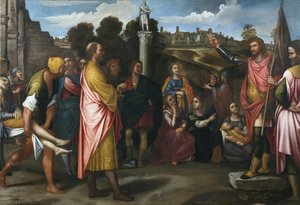
enea salmeggia known as talpino
1565 - 1626 , Italy
Quick Facts
- Artistic Movement Or Style: Late Renaissance
- Artists Who Influenced This Artist:
- Campi family
- Procaccini family
- Raphael
- Date Of Birth: c. 1565-1570
- Date Of Death: 1626
- Full Name: Enea Salmeggia
- Nationality: Italian
- Notable Artworks:
- Christ’s Agony in the Garden
- Flagellation
- Virgin and Child with Saints Roch
- Adoration of the Magi (1595)
- Deposition
- Place Of Birth: Nembro, Italy