 Preview
 Send
Send Share
Share
 Details

 Download
 Similars
 X-Ray
X-Ray Diaporama
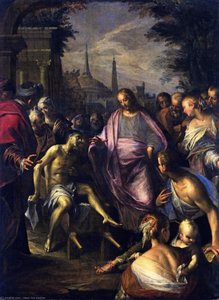
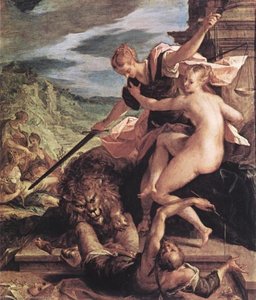
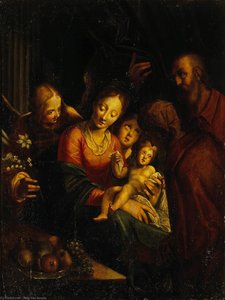
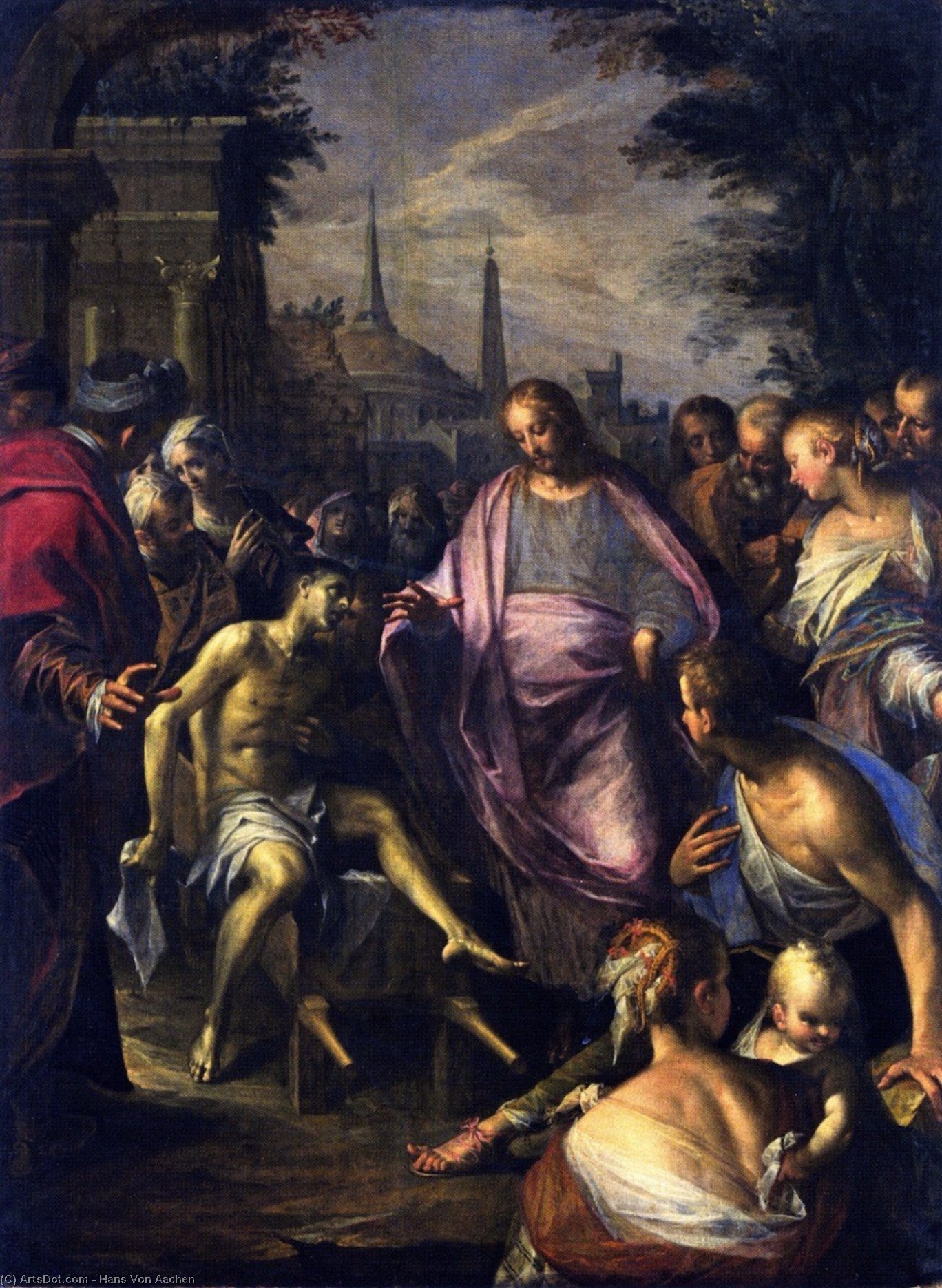
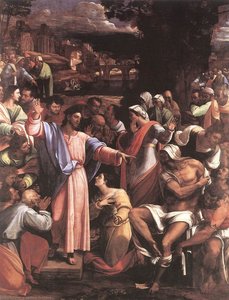
The Raising of the Widow's Son of Niam
 Oil On Canvas
- WallArt
- Mannerist Style
 1590
1590 230.0 x 171.0 cm
 Bayerische Staatsgemaldesammlungen
 Read More
Hand Made Oil Reproduction
Hand-painted oil on canvas in your size and frame, made to order by our artists. ( Buy Print Buy Image)




P118B $10

P118H $10

P118W $10

P438Z $10

P508JH $12

P508YH $12

P805H $10

P805Z $10

P919BZ $10

P919G $10

P919XJ $10

P959ZH $10

P968JZ $12

W106C $8

W218G $10

W218JH $8

W218Y $10

W307PJ $10

W316G $10

W316PJ $8

W316Y $10

W398PJ $8

W4111J $10

W500HY $15

W500JH $15

W692G $12

W849H $8

W940BG $15

W953PJ $8




Pick from our preset sizes that match the artwork's original proportions.

You may enter your own dimensions to fit a specific frame or space. If your selected size does not match the original image's proportions, we will either crop the artwork or extend the painting with additional hand-painted elements. A digital mockup will be sent for your approval before production begins.
Please note that the on-screen preview does not reflect the actual cropping or extension. Only the mockup will accurately show the final composition.
While custom sizes are available, we recommend selecting a dimension from the predefined list to preserve the original proportions.
After order, ArtsDot.com team will email client for instructions and provide a mockup preview
Worldwide Delivery () in 3/4 weeks instead of standard 5 weeks. (16 August). No compromise on quality.

Free Worldwide Express Shipping

High-Quality Linen Canvas

Full Shipping Insurance

Customs Tax Refund Guarantee

True Color Matching Guarantee

60-Day Return Policy (Defects Only)

100% Money-Back Guarantee

Bulk Discount Offer
 Glass option is only available in size under 110 CM

The Raising of the Widow's Son of Niam
Reproduction Medium
Reproduction Size
-


Total Price
$ 263
Artwork Description
A Masterpiece of Mannerism: Hans von Aachen's "The Raising of the Widow’s Son of Niam"
Hans von Aachen’s “The Raising of the Widow’s Son of Niam,” completed in 1590, stands as a testament to the fervor and artistic innovation characteristic of the Mannerist movement. Executed on canvas measuring 230 x 171 cm and currently housed at the Bayerische Staatsgemaldesammlungen in Munich, Germany, this painting transcends mere depiction; it strives for emotional intensity and dramatic visual impact—a hallmark of Aachen’s distinctive style.Historical Context & Artistic Influences
The Renaissance had begun to yield to Mannerism, a stylistic reaction that prioritized expressive gesture and stylized form over the idealized beauty favored by its predecessors. Aachen himself absorbed considerable influence from El Greco, whose elongated figures and dramatic chiaroscuro—the interplay of light and shadow—became foundational elements in Aachen’s oeuvre. This artistic lineage reflects the broader cultural anxieties of the period, grappling with questions of faith, mortality, and divine intervention amidst a turbulent political landscape. The painting's subject matter – the biblical miracle recounted in Matthew 9:27-31 – tapped into deeply held spiritual beliefs and served as a vehicle for conveying profound emotional resonance.Composition & Technique
Aachen’s masterful technique employed oil on canvas, allowing for rich pigment layering and nuanced tonal gradations that heighten the painting's dramatic effect. The composition is deliberately unsettling; Aachen arranges figures in asymmetrical groupings, creating a sense of dynamism and instability. Notably, fourteen individuals populate the scene—a deliberate choice intended to overwhelm the viewer’s gaze and emphasize the magnitude of the miraculous event. The central figure of Jesus dominates the canvas, radiating compassion and authority as he raises the son of the widow from death. Careful attention is paid to anatomical detail, albeit rendered in a mannerist style that prioritizes expressive distortion over accurate representation. The artist skillfully utilizes color—primarily reds and golds—to convey warmth and solemnity, reinforcing the spiritual significance of the narrative.Symbolism & Emotional Impact
Beyond its visual splendor, “The Raising of the Widow’s Son of Niam” is laden with symbolic meaning. The widow represents humility and vulnerability before God, while the resurrected son symbolizes hope and redemption—themes central to Christian theology. Aachen's expressive brushstrokes convey a palpable sense of emotion – awe, compassion, and reverence – inviting contemplation on themes of faith and divine grace. The painting’s impact lingers long after viewing, prompting reflection on humanity’s relationship with spirituality and the transformative power of miracles.Further Exploration & Reproduction
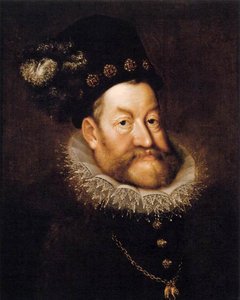
For those captivated by Aachen's artistic vision, reproductions of “The Raising of the Widow’s Son of Naim” offer an opportunity to experience its beauty and grandeur firsthand. Available at https://ArtsDot.com/, these meticulously crafted prints allow art enthusiasts to appreciate the legacy of Hans von Aachen and immerse themselves in the emotive power of Mannerist painting. To delve deeper into Aachen's artistic journey, visit /art/list/?Filter=8DP7GJ-Hans-Von-Aachen-Portrait-of-Emperor-Rudolf-II and explore other masterpieces at /en/art/show/art-8ydqmz-en/ .Related Artworks
Artist Biography
early life and training
hans von aachen, a german painter, was born in 1552 in the city of cologne. little is known about his early life, but it is believed that he received his artistic training in the workshop of leonardus sievenhoven, a local painter.artistic style and influences
von aachen's work is characterized by the use of vivid colors and dramatic compositions, typical of the mannerist style. his paintings often featured elongated figures, intricate details, and a sense of tension, which was influenced by the works of el greco (domenikos theotokopoulos). some of his notable works include:- the crucifixion (1585), a painting showcasing his use of bold colors and dramatic lighting.
- the last judgment (1590), a work that demonstrates his ability to balance multiple figures in a single composition.
- portrait of an unknown lady (1595), a portrait that highlights his skill in capturing the subtleties of human expression.
notable collections and exhibitions
von aachen's works can be found in various museums, including:- gemäldegalerie alte meister, dresden, germany - featuring an extensive collection of european paintings from the 15th to the 18th centuries.
- museum ostdeutsche galerie, regensburg, germany - showcasing a unique collection of eastern german art.
legacy
hans von aachen passed away in 1615, leaving behind a legacy of intricate and emotionally charged paintings. his work continues to inspire artists and art enthusiasts alike, offering a unique glimpse into the world of mannerist art. discover more about hans von aachen's life and works on ArtsDot.com: [https://ArtsDot.com/@@/a@d3aquv](https://ArtsDot.com/@@/a@d3aquv) | discovering the museum ostdeutsche galerie (germany)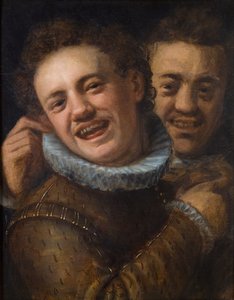
Hans von Aachen
1552 - 1615 , Germany
Quick Facts
- Artistic Movement Or Style: Mannerist Painting
- Artists Or Movements Influenced By This Artist: ['Renaissance Art']
- Artists Who Influenced This Artist: ['El Greco']
- Date Of Birth: 1552 Cologne, Germany
- Date Of Death: 1615
- Full Name: Hans von Aachen
- Nationality: German
- Notable Artworks:
- The Crucifixion
- The Last Judgment
- Portrait of an Unknown Lady
- Place Of Birth: Cologne
Related Articles
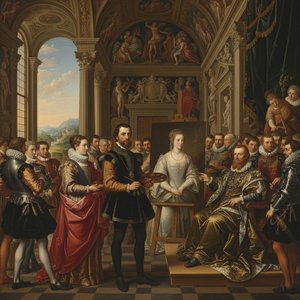
Hans von Aachen: Mannerism's Courtly Visionary & Imperial Portraiture
Explore the captivating world of Hans von Aachen, a leading Mannerist painter renowned for his exquisite imperial portraits & mythological scenes. Discover his legacy and influence on 16th-century European art.
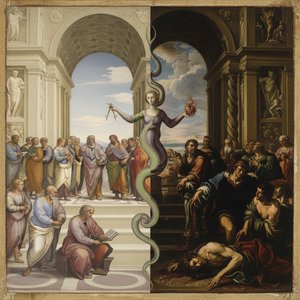
Mannerism: Bridging Renaissance Harmony & Baroque Drama – A Study of Style & Affectation
Explore the fascinating world of Mannerism! Discover its key characteristics, pioneering artists like Pontormo & Bronzino, and its pivotal role in bridging Renaissance harmony to Baroque drama. A comprehensive guide for art enthusiasts.

Illuminating Faith: Biblical Narrative & Artistic Expression Through the Ages
Explore the rich history of biblical art from Giotto to the Renaissance masters with ArtsDot. Discover symbolism, techniques & enduring legacies. Museum-quality reproductions & expert insights.
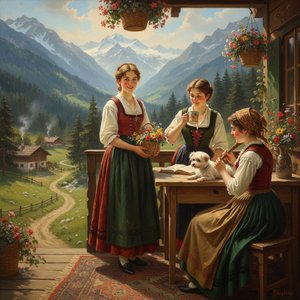
Eugen von Blaas: Capturing Alpine Life & Sentiment in 19th-Century Austrian Painting
Discover the captivating world of Eugen von Blaas! Explore his exquisite 19th-century paintings capturing Venetian life & Alpine beauty. Learn about his Academic Classicism style and find museum-quality reproductions at ArtsDot.
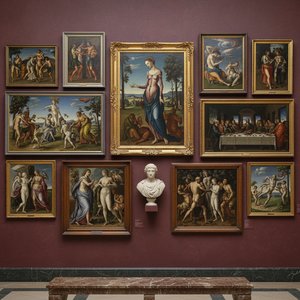
Mannerism's Masters: 10 Artworks That Redefined Renaissance Style | ArtsDot
Explore 10 defining Mannerism masterpieces – from Pontormo to El Greco. Discover the stories behind these Renaissance paintings, their unique style & symbolism. Find museum-quality art reproductions at ArtsDot.com and elevate your home decor.