 Preview
 Send
Send Share
Share
 Details

 Download
 Similars
 X-Ray
X-Ray Diaporama
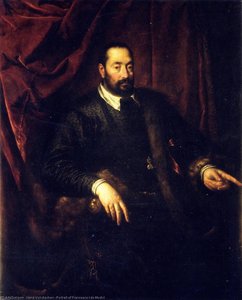
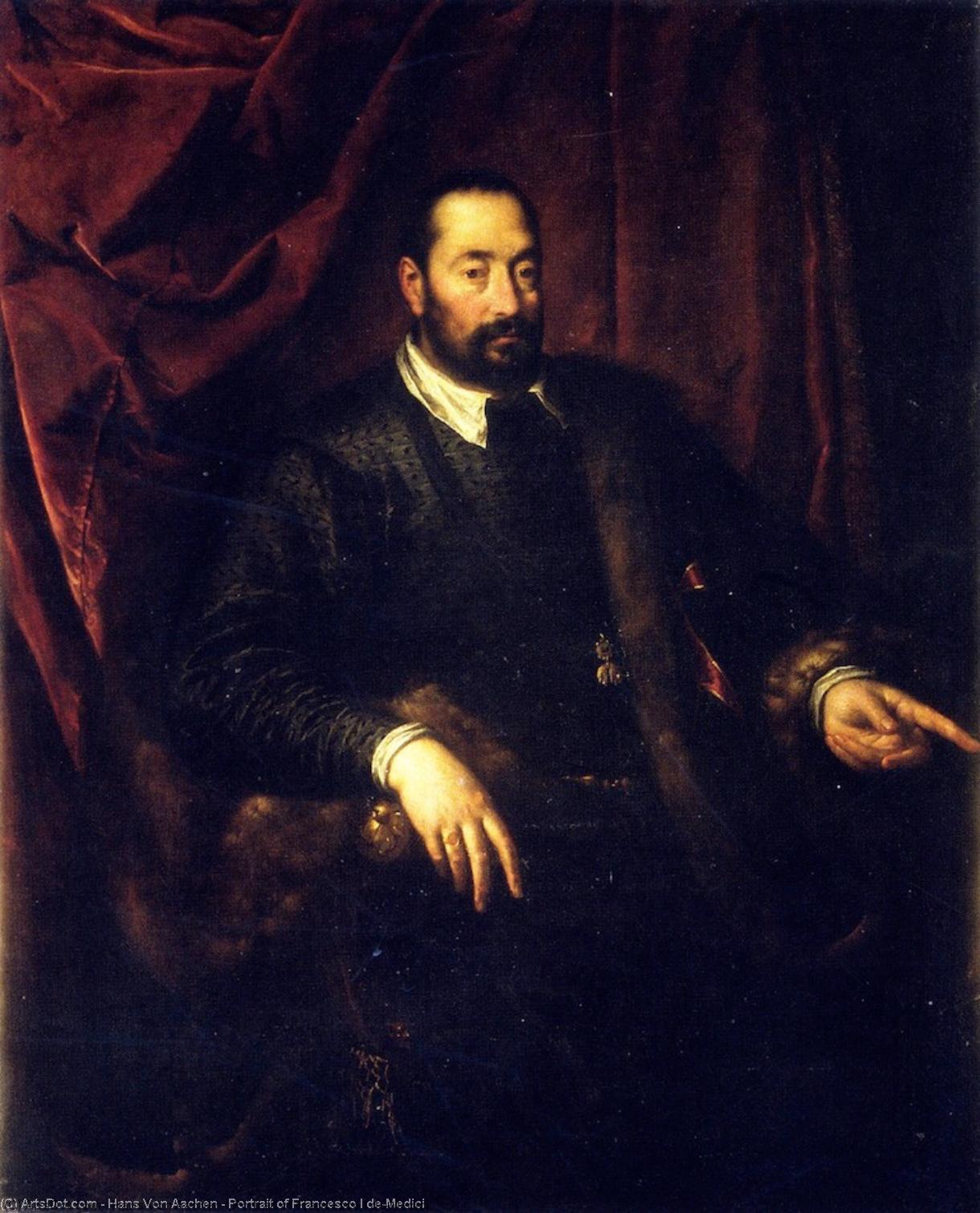
Portrait of Francesco I de'Medici
 Oil On Canvas
- WallArt
- Mannerism
 1585
1585 140.0 x 117.0 cm
 Pitti Palace Museum
 Read More
Hand Made Oil Reproduction
Hand-painted oil on canvas in your size and frame, made to order by our artists. ( Buy Print Buy Image)




P118B $10

P118H $10

P118W $10

P438Z $10

P508JH $12

P508YH $12

P805H $10

P805Z $10

P919BZ $10

P919G $10

P919XJ $10

P959ZH $10

P968JZ $12

W106C $8

W218G $10

W218JH $8

W218Y $10

W307PJ $10

W316G $10

W316PJ $8

W316Y $10

W398PJ $8

W4111J $10

W500HY $15

W500JH $15

W692G $12

W849H $8

W940BG $15

W953PJ $8




Pick from our preset sizes that match the artwork's original proportions.

You may enter your own dimensions to fit a specific frame or space. If your selected size does not match the original image's proportions, we will either crop the artwork or extend the painting with additional hand-painted elements. A digital mockup will be sent for your approval before production begins.
Please note that the on-screen preview does not reflect the actual cropping or extension. Only the mockup will accurately show the final composition.
While custom sizes are available, we recommend selecting a dimension from the predefined list to preserve the original proportions.
After order, ArtsDot.com team will email client for instructions and provide a mockup preview
Worldwide Delivery () in 3/4 weeks instead of standard 5 weeks. (31 August). No compromise on quality.

Free Worldwide Express Shipping

High-Quality Linen Canvas

Full Shipping Insurance

Customs Tax Refund Guarantee

True Color Matching Guarantee

60-Day Return Policy (Defects Only)

100% Money-Back Guarantee

Bulk Discount Offer
 Glass option is only available in size under 110 CM

Portrait of Francesco I de'Medici
Reproduction Medium
Reproduction Size
-


Total Price
$ 263
Portrait of Francesco I de’ Medici: A Renaissance Masterpiece
The Portrait of Francesco I de'Medici, painted by Hans von Aachen in 1585, is more than just a likeness; it’s a carefully constructed tableau of power, piety, and the burgeoning grandeur of the Florentine Renaissance. This oil-on-canvas painting, currently residing within the hallowed halls of the Pitti Palace Museum in Florence, offers a captivating glimpse into the life of one of Italy's most influential figures – a man who skillfully navigated the treacherous currents of political intrigue while presiding over an era of unprecedented artistic and cultural flourishing.
Von Aachen’s style is a fascinating blend of Northern European realism and the opulent elegance of Italian Renaissance portraiture. He masterfully employs chiaroscuro, utilizing dramatic contrasts between light and shadow to sculpt Francesco's form and imbue the scene with an almost theatrical intensity. The meticulous detail in the rendering of his velvet coat, the subtle sheen of his fur-trimmed cloak, and the intricate folds of his drapery speak volumes about the artist’s technical skill and his dedication to capturing the textures and nuances of the subject’s attire. Notice particularly how the light catches the rich crimson fabric, drawing the eye directly to the figure at the heart of the composition.
The Man and His Context
Francesco I de'Medici, depicted here, was a pivotal figure in Florentine history. As Grand Duke from 1574 until his death in 1587, he presided over a period of remarkable stability and prosperity, skillfully balancing the ambitions of rival Italian states through diplomacy and strategic alliances – most notably, the influential Italic League. The painting itself is deeply rooted in this historical context; it’s not merely a portrait but a carefully staged representation of Francesco's authority and status. The setting, though subtly suggested by the curtained backdrop, evokes the grandeur of his court and the wealth accumulated through the Medici family’s banking empire.
The Pitti Palace Museum, where this masterpiece hangs, carries its own weighty history. Originally built for Luca Pitti in 1458, it was later acquired by the Medici family in 1549, becoming their primary residence and a testament to their power and influence. This location underscores the painting’s significance – it's not simply an artwork; it’s a piece of Florentine history itself, inextricably linked to the legacy of the Medici dynasty.
Symbolism and Narrative
Beyond the straightforward depiction of Francesco I, the portrait is rich in symbolic detail. The man seated before him, identifiable as a close advisor or perhaps a representative from another Italian state, adds a layer of political complexity to the scene. His posture and attire subtly convey deference and respect towards the Grand Duke. The inclusion of two figures in the background – one on the left, another on the right – further enriches the narrative, hinting at the intricate web of alliances and rivalries that characterized Francesco’s reign. The tie worn by the figure on the right is a particularly intriguing detail, suggesting a connection to diplomacy or perhaps even a subtle challenge to Francesco's authority.
The direct gaze of Francesco I, unwavering and authoritative, commands attention. It speaks of confidence, intelligence, and a keen awareness of his position. His carefully cultivated mustache – a fashionable accessory of the era – adds to his air of dignified composure. The painting is not simply a representation of a man; it’s an embodiment of power, wealth, and political acumen.
A Timeless Masterpiece
The Portrait of Francesco I de'Medici stands as a testament to Hans von Aachen’s artistic genius and the enduring legacy of the Florentine Renaissance. Its masterful composition, meticulous detail, and evocative symbolism continue to captivate viewers centuries after its creation. Whether admired for its technical brilliance or its historical significance, this painting remains a powerful reminder of a pivotal era in European history – an era defined by art, diplomacy, and the ambition of one extraordinary man.
Related Artworks
Artist Biography
early life and training
hans von aachen, a german painter, was born in 1552 in the city of cologne. little is known about his early life, but it is believed that he received his artistic training in the workshop of leonardus sievenhoven, a local painter.artistic style and influences
von aachen's work is characterized by the use of vivid colors and dramatic compositions, typical of the mannerist style. his paintings often featured elongated figures, intricate details, and a sense of tension, which was influenced by the works of el greco (domenikos theotokopoulos). some of his notable works include:- the crucifixion (1585), a painting showcasing his use of bold colors and dramatic lighting.
- the last judgment (1590), a work that demonstrates his ability to balance multiple figures in a single composition.
- portrait of an unknown lady (1595), a portrait that highlights his skill in capturing the subtleties of human expression.
notable collections and exhibitions
von aachen's works can be found in various museums, including:- gemäldegalerie alte meister, dresden, germany - featuring an extensive collection of european paintings from the 15th to the 18th centuries.
- museum ostdeutsche galerie, regensburg, germany - showcasing a unique collection of eastern german art.
legacy
hans von aachen passed away in 1615, leaving behind a legacy of intricate and emotionally charged paintings. his work continues to inspire artists and art enthusiasts alike, offering a unique glimpse into the world of mannerist art. discover more about hans von aachen's life and works on ArtsDot.com: [https://ArtsDot.com/@@/a@d3aquv](https://ArtsDot.com/@@/a@d3aquv) | discovering the museum ostdeutsche galerie (germany)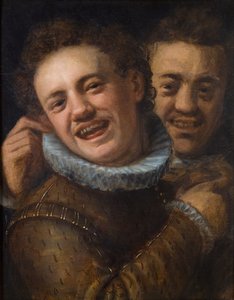
Hans von Aachen
1552 - 1615 , Germany
Quick Facts
- Artistic Movement Or Style: Mannerist Painting
- Artists Or Movements Influenced By This Artist: ['Renaissance Art']
- Artists Who Influenced This Artist: ['El Greco']
- Date Of Birth: 1552 Cologne, Germany
- Date Of Death: 1615
- Full Name: Hans von Aachen
- Nationality: German
- Notable Artworks:
- The Crucifixion
- The Last Judgment
- Portrait of an Unknown Lady
- Place Of Birth: Cologne
Related Articles
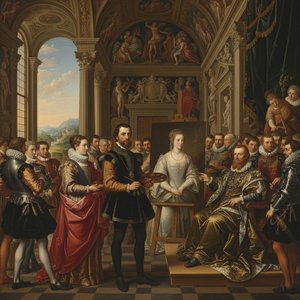
Hans von Aachen: Mannerism's Courtly Visionary & Imperial Portraiture
Explore the captivating world of Hans von Aachen, a leading Mannerist painter renowned for his exquisite imperial portraits & mythological scenes. Discover his legacy and influence on 16th-century European art.

The Enduring Legacy of Oil on Canvas: Technique, History & Aesthetic Impact
Explore the rich history & techniques of oil painting – from Renaissance masters to Impressionism. Discover pigments, layering methods, and why this timeless medium endures. Expert insights for artists & art enthusiasts.

Oil on Canvas: A Historical & Technical Exploration of a Timeless Artistic Medium
Explore the rich history & enduring techniques of oil painting on canvas. Discover the science behind its longevity, conservation practices, and contemporary relevance. Expert insights for art enthusiasts.

The Enduring Power of Painting: A Historical & Contemporary Exploration of Form and Emotion
Explore the rich history & enduring techniques of oil painting with ArtsDot. Discover masterpieces, learn about art collecting, and find authentic handmade reproductions crafted by skilled artists.

The Enduring Legacy of Oil on Canvas: Technique, History & Contemporary Practice
Explore the rich history & enduring techniques of oil painting on canvas. Discover the science behind its longevity, conservation practices, and contemporary relevance. Expert insights for art enthusiasts.