 Preview
 Send
Send Share
Share
 Details

 Download
 Similars
 X-Ray
X-Ray Diaporama
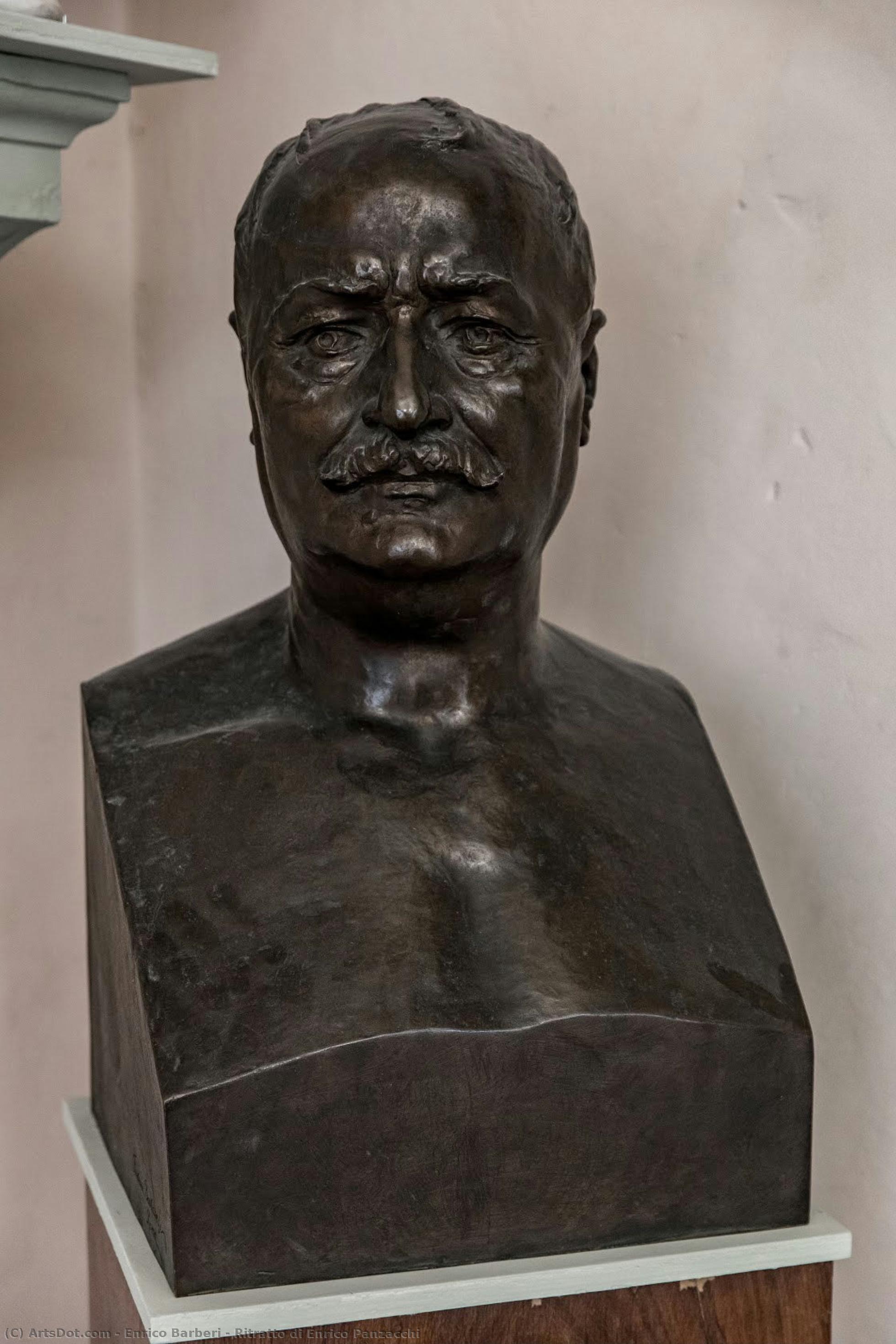
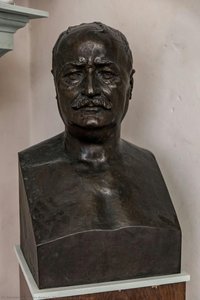
Ritratto di Enrico Panzacchi


 Read More
Hand Made Oil Reproduction
Hand-painted oil on canvas in your size and frame, made to order by our artists. ( Buy Print Buy Image)




































Pick from our preset sizes that match the artwork's original proportions.

You may enter your own dimensions to fit a specific frame or space. If your selected size does not match the original image's proportions, we will either crop the artwork or extend the painting with additional hand-painted elements. A digital mockup will be sent for your approval before production begins.
Please note that the on-screen preview does not reflect the actual cropping or extension. Only the mockup will accurately show the final composition.
While custom sizes are available, we recommend selecting a dimension from the predefined list to preserve the original proportions.
After order, ArtsDot.com team will email client for instructions and provide a mockup preview
Worldwide Delivery () in 3/4 weeks instead of standard 5 weeks. (24 August). No compromise on quality.

Free Worldwide Express Shipping

High-Quality Linen Canvas

Full Shipping Insurance

Customs Tax Refund Guarantee

True Color Matching Guarantee

60-Day Return Policy (Defects Only)

100% Money-Back Guarantee

Bulk Discount Offer
 Glass option is only available in size under 110 CM

Ritratto di Enrico Panzacchi
Reproduction Medium
Reproduction Size
-


Total Price
$ 263
Related Artworks








Artist Biography
The Sculptural Legacy of Enrico Barberi
In the heart of Bologna, a city where the echoes of Renaissance masters still linger in every marble vein and cobblestone, Enrico Barberi (1850–1941) carved a legacy that would span nearly an entire century. His life was a profound dialogue with stone and bronze, a continuous pursuit of capturing the ephemeral human spirit within the permanence of classical form. Born into a lineage deeply rooted in the artisan traditions of Bologna, Barberi did not merely learn a trade; he inherited a devotion to the meticulous craftsmanship that defines the Italian sculptural tradition. His early years were shaped by the atmospheric grandeur of his birthplace, an environment that instilled in him a reverence for both the technical rigor of anatomy and the poetic grace of humanist ideals.
The trajectory of Barberi’s artistic development was marked by a prestigious education and a wandering eye for stylistic excellence. At the Accademia di Belle Arti di Bologna, he refined his foundational skills under the guidance of Salvino Salvini, absorbing the principles of classical proportion. However, it was his period of apprenticeship in Florence between 1871 and 1873 that truly expanded his creative horizons. Working alongside the renowned sculptor Giovanni Dupré, Barberi integrated the delicate Florentine nuances of naturalism into his native Bolognese sensibilities. This synthesis of styles allowed him to approach the medium with a unique versatility, blending structural strength with an exquisite sensitivity to texture and light.
Mastery in Marble and the Spirit of Instruction
Barberi’s ascent within the artistic community was punctuated by moments of singular brilliance that signaled his arrival as a master of his craft. In 1876, the exhibition of his monumental plaster work, The Great Otriade, served as a breathtaking introduction to the Academy, capturing the imagination of critics and peers alike. As his reputation grew, so did his influence beyond the chisel. Barberi became a pillar of the academic community, holding the chair of sculpture at the Institute of Fine Arts and later at the Accademia di Belle Arti di Bologna from 1895 to 1921. His classroom was not merely a place of technical instruction but a sanctuary where he nurtured the next generation of Italian talent, guiding students such as:
- Silverio Montaguti
- Giuseppe Romagnoli
- Farpi Vignoli
- Antonio Alberghini
- Cleto Tomba
- Giuseppe Virgili
Through these pupils, Barberi’s commitment to classical excellence was woven into the very fabric of early 20th-century Italian sculpture, ensuring that his pedagogical philosophy would endure long after his passing.
A Monumental Presence in the Italian Landscape
The true testament to Barberi’s genius lies in the silent, enduring presence of his works scattered throughout the Italian landscape. His ability to breathe life into marble is perhaps most poignantly felt in the Certosa of Bologna, where an expansive catalog of his sculptures and models resides, offering a profound meditation on mortality and beauty. Within the Galleria degli Angeli, his masterpieces—such as the Monument of Raffaele Bisteghi and the delicate tribute to the opera singers Adelaide and Erminia Borghi-Mamo—stand as triumphs of emotive storytelling. His reach extended into the sacred spaces of the Church of San Girolamo with the refined monument to Cardinal Vincenzo Moretti, demonstrating his capacity to navigate both the secular and the divine.
Beyond the funerary and religious spheres, Barberi engaged with the civic identity of his beloved Bologna. His bronze Monument to Marcello Malpighi in Crevalcore remains a rare and striking public achievement, showcasing his mastery of larger-than-life commemorative art. Even in his role as a technical advisor—notably when he recommended the preservation of the iconic Neptune Fountain in Piazza Maggiore—he demonstrated a deep-seated respect for the historical continuity of his city. Enrico Barberi was more than a sculptor; he was a guardian of tradition, a teacher of light and shadow, and an artist whose hands shaped the very soul of Bolognese heritage.
Enrico Barberi
1850 - 1941 , Italy
Quick Facts
- Artistic Movement Or Style: Sculpture
- Artists Or Movements Influenced By This Artist: ['Achille Casanova']
- Artists Who Influenced This Artist:
- Salvino Salvini
- Giovanni Dupré
- Date Of Birth: 1850 Bologna Italy
- Date Of Death: 1941 Bologna Italy
- Full Name: Enrico Barberi
- Nationality: Italian
- Notable Artworks:
- Monument Raffaele Bisteghi
- Ritratto Enrico Panzacchi
- Place Of Birth: Bologna Italy