 Send
Send Share
Share
 Details

 Download
 Similars
 Diaporama
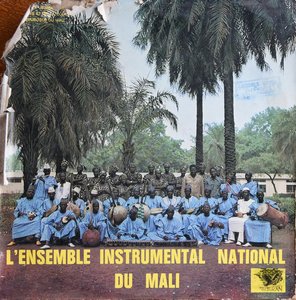
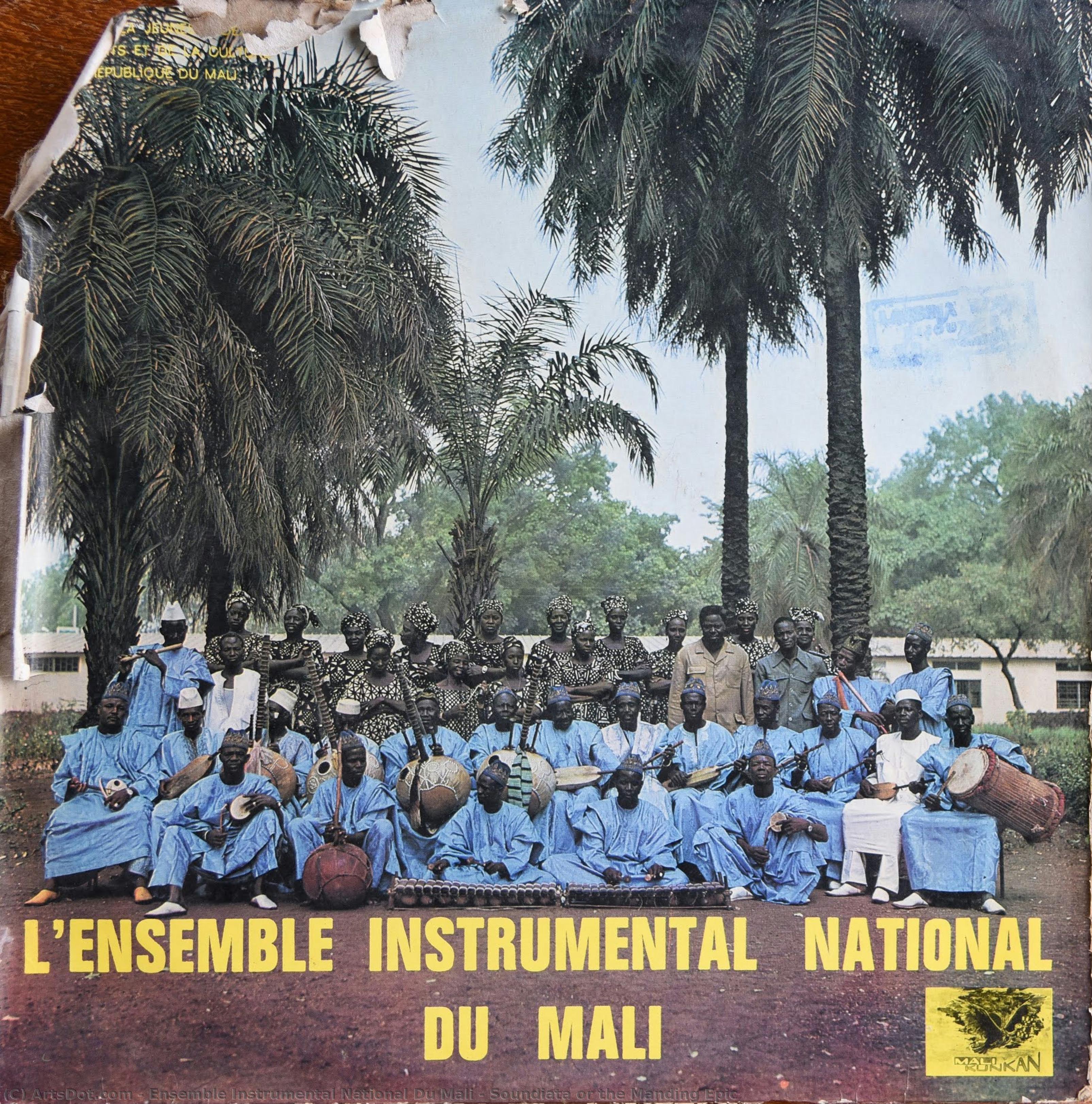
Soundiata or the Manding Epic


 Read More
Purchase a high-resolution, enhanced digital image, far superior to the online preview.
Each file is meticulously prepared by our in-house specialists using advanced tools and expert manual retouching. We ensure every image has exceptional clarity, precise color accuracy, and fine detail.
The final file is delivered via email within 72 hours, optimized for immediate use in professional, editorial, and print environments. This is the same quality trusted by top-tier design studios, publishers, and galleries.
Digital Image
Download a high-resolution file for personal display, printing, and creative projects. ( Buy Print Buy Hand Made Painting)
Included in Every Digital Image Order
Expert Digital Delivery, Guaranteed
When you choose ArtsDot.com, you're not just getting an image - you're receiving a professionally enhanced digital artwork, crafted with precision and backed by a satisfaction guarantee. Here's everything that comes with your order, automatically:

Fast Email Delivery
Your high-resolution digital image file will be emailed to you within 72 hours of ordering - ready for immediate use.

AI-Enhanced Digital File
Your artwork is professionally optimized using advanced AI tools and manual editing, ensuring maximum detail, clarity, and color accuracy.

Free Lifetime Re-Delivery
Accidentally deleted or lost your file? No worries - we'll resend it to you anytime, free of charge.

No Import Fees - Ever
Enjoy your artwork instantly with zero customs, duties, or delivery fees - digital downloads are always tax-free.

Color Accuracy Guarantee
We ensure your digital image reflects the original colors as closely as possible using professional tools and color management.

60-Day Satisfaction Guarantee
If you're not satisfied with your digital image, we'll revise it or refund 100% within 60 days - no questions asked.

100% Money-Back Guarantee
Not satisfied? Get a full refund within 60 days of receiving your digital file - no questions asked.

Bulk Order Discounts
Buy 3 images, save 10% - Buy 5, save 15% - Buy 10+, save 20%. Great for creative projects, galleries, and agencies.
Related Artworks

![Les Apprentis Mécanicians Au Garage Dramane [trainees At The Garage Dramane - Car Repair Shop] — Malick Sidibé, Contemporary Realism](/media/artworks/images-thumb/46/ad/46ad88f7fa24ecc51ecb44b49a2a6c55.jpg)
Artist Biography
The Voices of a Nation: Ensemble Instrumental National Du Mali
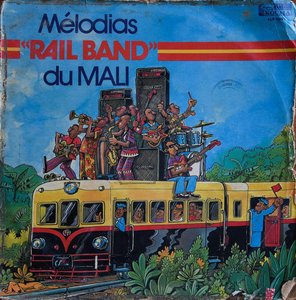
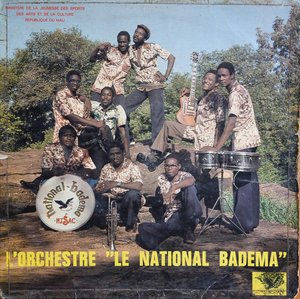
The Ensemble Instrumental National du Mali, often simply known as the Malian National Instrument Ensemble, represents far more than just a musical group; it is a living embodiment of West African cultural heritage. Founded in 1961 following independence from France, the ensemble was conceived as a deliberate act of nation-building, a project to collect, preserve, and promote the diverse musical traditions that constituted Mali’s identity. In a newly independent nation striving to forge its own path, music became a powerful tool for unity and self-expression. The initial impetus came from the Ministry of Culture, recognizing the urgent need to document oral traditions before they were lost amidst modernization and globalization. The ensemble wasn't created as a homogenous unit but rather as a collective of master musicians representing different ethnic groups – Bambara, Mandinka, Soninke, Dogon, Peulh (Fulani), and others – each bringing their unique instruments, vocal styles, and repertoire to the table. This deliberate inclusivity was crucial; it wasn’t about creating a single “Malian” sound but celebrating the rich tapestry of sounds *within* Mali. Early expeditions across the country were undertaken, recording performances, transcribing melodies, and learning directly from griots – the traditional storytellers, musicians, and keepers of history.A Synthesis of Tradition and Innovation
The early years of the Ensemble Instrumental National du Mali were dedicated to this intensive process of documentation and arrangement. Rather than simply replicating existing performances, the ensemble began a fascinating experiment in synthesis. Traditional instruments like the *ngoni* (a lute-like instrument), the *kora* (a 21-string harp-lute), the *balafon* (a wooden xylophone), various drums (*djembe*, *dunun*, etc.), and flutes were combined with Western orchestral instruments – violins, cellos, trumpets – creating a unique sonic landscape. This wasn’t about imposing Western aesthetics onto Malian music; instead, it was an attempt to find common ground, to explore the possibilities of dialogue between different musical worlds. Arrangements often involved layering complex polyrhythms with melodic lines played on both traditional and Western instruments, resulting in pieces that were simultaneously deeply rooted in African tradition and strikingly modern. This innovative approach quickly gained international recognition. The ensemble’s performances weren't merely concerts; they were immersive experiences, often accompanied by dance, storytelling, and elaborate costumes, offering audiences a glimpse into the vibrant cultural life of Mali. Key figures during this period included Djelimady Tounkara, a master *ngoni* player who became a central figure in shaping the ensemble’s sound, and Lamine Soumano, renowned for his virtuosity on the *kora*.Global Ambassadors of Malian Culture
Throughout the 1970s and 80s, the Ensemble Instrumental National du Mali embarked on numerous international tours, becoming de facto ambassadors of Malian culture. They performed at prestigious venues around the world – Carnegie Hall in New York, the Olympia in Paris, festivals across Europe and Asia – captivating audiences with their energetic performances and unique sound. These tours weren’t just about showcasing Malian music; they were also opportunities for cultural exchange, fostering understanding and appreciation between different cultures. The ensemble collaborated with musicians from various backgrounds, further expanding its musical horizons. Recordings during this period helped to solidify the ensemble's reputation. Albums like “Mali Koura” (1978) and “N’Goni Ba” (1982) became seminal works in world music, introducing audiences to the beauty and complexity of Malian musical traditions. The ensemble also played a crucial role in inspiring a new generation of Malian musicians, paving the way for artists like Salif Keita, Toumani Diabaté, and Ali Farka Touré who would later achieve international stardom.Challenges and Continued Legacy
Despite its success, the Ensemble Instrumental National du Mali faced numerous challenges over the years. Political instability in Mali, coupled with economic difficulties, led to funding cuts and a decline in support for cultural institutions. The ensemble experienced periods of inactivity and internal strife, as musicians struggled to maintain their artistic vision amidst changing circumstances. However, despite these setbacks, the spirit of the ensemble endured. In recent decades, there have been renewed efforts to revitalize the group, with younger generations of musicians joining forces with veteran members to continue its mission.- The ensemble continues to perform and record, albeit on a smaller scale.
- Workshops and educational programs are organized to transmit traditional musical knowledge to future generations.
- Collaborations with contemporary artists help to keep the music relevant and accessible to new audiences.