 Preview
 Send
Send Share
Share
 Details

 Download
 Similars
 X-Ray
X-Ray Diaporama
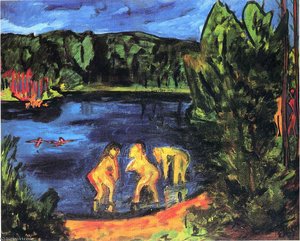
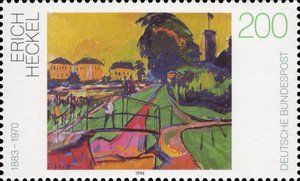
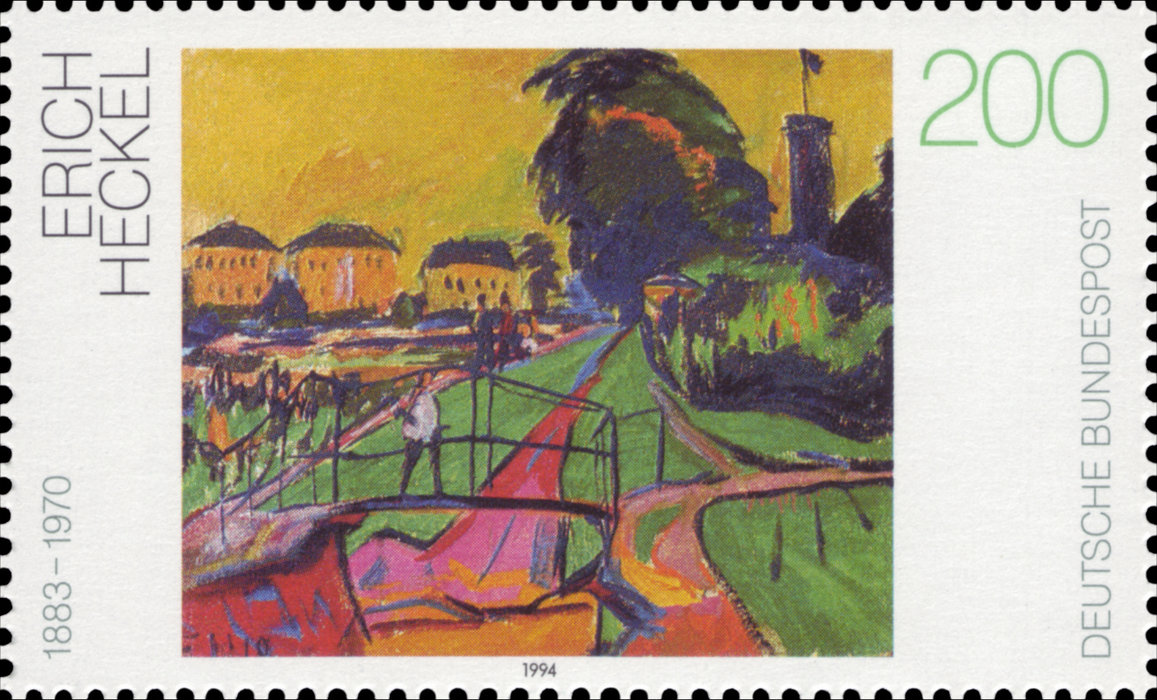
Landscape near Dresden

 Read More
Hand Made Oil Reproduction
Hand-painted oil on canvas in your size and frame, made to order by our artists. ( Buy Print Buy Image)




































Pick from our preset sizes that match the artwork's original proportions.

You may enter your own dimensions to fit a specific frame or space. If your selected size does not match the original image's proportions, we will either crop the artwork or extend the painting with additional hand-painted elements. A digital mockup will be sent for your approval before production begins.
Please note that the on-screen preview does not reflect the actual cropping or extension. Only the mockup will accurately show the final composition.
While custom sizes are available, we recommend selecting a dimension from the predefined list to preserve the original proportions.
After order, ArtsDot.com team will email client for instructions and provide a mockup preview
Worldwide Delivery () in 3/4 weeks instead of standard 5 weeks. (20 August). No compromise on quality.

Free Worldwide Express Shipping

High-Quality Linen Canvas

Full Shipping Insurance

Customs Tax Refund Guarantee

True Color Matching Guarantee

60-Day Return Policy (Defects Only)

100% Money-Back Guarantee

Bulk Discount Offer
 Glass option is only available in size under 110 CM

Landscape near Dresden
Reproduction Medium
Reproduction Size
-


Total Price
$ 263
Related Artworks
Artist Biography
Early Life and Formation of Die Brücke
- Born: Döbeln, Germany (1883)
- Erich Heckel was the son of a railway engineer, leading to frequent family moves during his childhood.
- He studied architecture in Dresden but left after three terms.
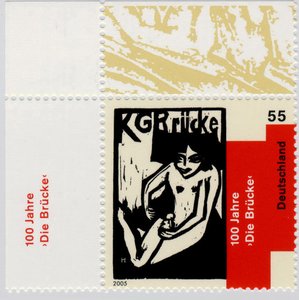
- A pivotal moment was meeting Ernst Ludwig Kirchner, Karl Schmidt-Rottluff, and Fritz Bleyl, which led to the formation of Die Brücke ("The Bridge") in 1905.
- Heckel served as the group's secretary and treasurer, handling much of the administrative work.
- Early influences included Friedrich Nietzsche and Henrik Ibsen, reflecting a burgeoning intellectual curiosity.
Artistic Development and Style
- Die Brücke’s Aims: The group aimed to bridge traditional neo-romantic German painting with modern Expressionist approaches.
- Influences: Heckel and the other members of Die Brücke were heavily influenced by Edvard Munch's expressive style and African sculpture, which they saw as embodying a raw, primitive power.
- Printmaking Focus: The group made extensive use of printmaking (woodcuts, etchings, lithographs) to create affordable art and disseminate their ideas widely. Heckel was particularly prolific in this medium.
- Subject Matter: His work often depicted nudes, landscapes, and scenes from modern life, characterized by bold colors, distorted forms, and a sense of emotional intensity.
- Evolution of Style: Initially influenced by Post-Impressionists like Van Gogh and Gauguin, Heckel's style evolved towards more melancholic themes and subdued color palettes after moving to Berlin in 1911.
World War I and Later Years
- War Service: During World War I, Heckel volunteered as a medical orderly in a hospital train stationed in Belgium. This experience profoundly impacted his perspective.
- Dissolution of Die Brücke: The group officially dissolved in 1913 due to internal disagreements.
- Heckelraum Mural: Between 1922 and 1924, Heckel painted the "Heckelraum" at the Angermuseum in Dresden, a series of mural paintings depicting “Stages in Life,” considered among the most important surviving works of German Expressionism.
- Nazi Persecution: In 1937, the Nazi regime declared his work "degenerate," confiscating over 700 artworks from German museums and banning public exhibitions.
Legacy and Historical Significance
- Expressionist Pioneer: Erich Heckel is recognized as a key figure in the Expressionist movement, particularly for his contributions to Die Brücke.
- Printmaking Master: His prolific printmaking output significantly impacted the development of modern graphic art.
- Influence on Subsequent Artists: His bold style and emotional intensity influenced generations of artists who followed.
- Rediscovery and Recognition: After World War II, Heckel's work was rediscovered and gained widespread recognition for its artistic merit and historical importance.
- Death: He died in Radolfzell in 1970, leaving behind a substantial body of work that continues to be studied and admired today.
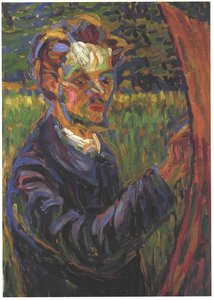
Erich Heckel
1883 - 1970 , Germany
Quick Facts
- Artistic Movement Or Style: German Expressionism
- Artists Who Influenced This Artist: ['Edvard Munch']
- Date Of Birth: July 31, 1883
- Date Of Death: January 27, 1970
- Full Name: Erich Heckel
- Nationality: German
- Notable Artworks: ['Lebenstufen mural paintings']
- Place Of Birth: Döbeln, Germany
Related Articles

German Expressionism's 10 Defining Masterpieces | Art for Your Home
Explore 10 defining German Expressionism masterpieces – from Munch's 'The Scream' to Kandinsky’s abstracts. Discover the artists, stories & bold colors behind this powerful art movement. Find museum-quality reproductions at ArtsDot.com.

Beyond the Horizon: 10 Landscape Masterpieces for Your Home Decor
Journey through 10 breathtaking landscape paintings by Monet, Van Gogh & more! Explore iconic artworks, artistic techniques & find inspiration for your home decor. Museum-quality reproductions at ArtsDot.com. Discover all masterpieces on ArtsDot.com
The Visceral Cry of a Nation: Exploring Emotion & Distortion in German Expressionism
Explore the powerful world of German Expressionism with ArtsDot. Discover Kirchner, Nolde & Die Brücke's emotive masterpieces. Learn about this pivotal art movement and its lasting impact on modern art.

Romantic Landscapes: 10 Masterpieces for Your Home | ArtsDot
Journey through 10 Romantic landscape masterpieces by Friedrich, Turner & Cole. Explore emotional art, sublime nature scenes & iconic 19th-century paintings. Find museum-quality reproductions for your home at ArtsDot.com – discover the full collection online!

Evocations of Place: A Historical Journey Through Landscape Art
Explore the rich history of landscape art with ArtsDot. Discover renowned artists, movements like Impressionism & Romanticism, and expert guidance for collecting timeless pieces. Find your perfect serene escape today!