The Dawn of Inner Turmoil: Historical Context & Precursors to Expressionism
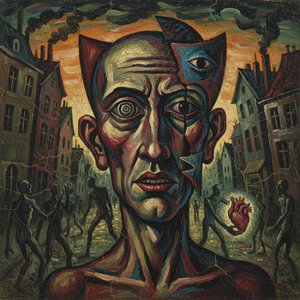
Expressionism is a modernist movement, initially in poetry and painting, originating in Northern Europe around the beginning of the 20th century. Its typical trait is to present the world solely from a subjective perspective, distorting it radically ...
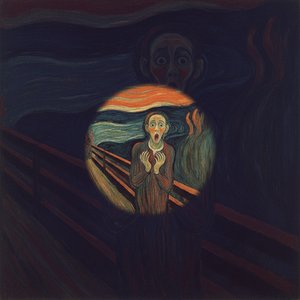
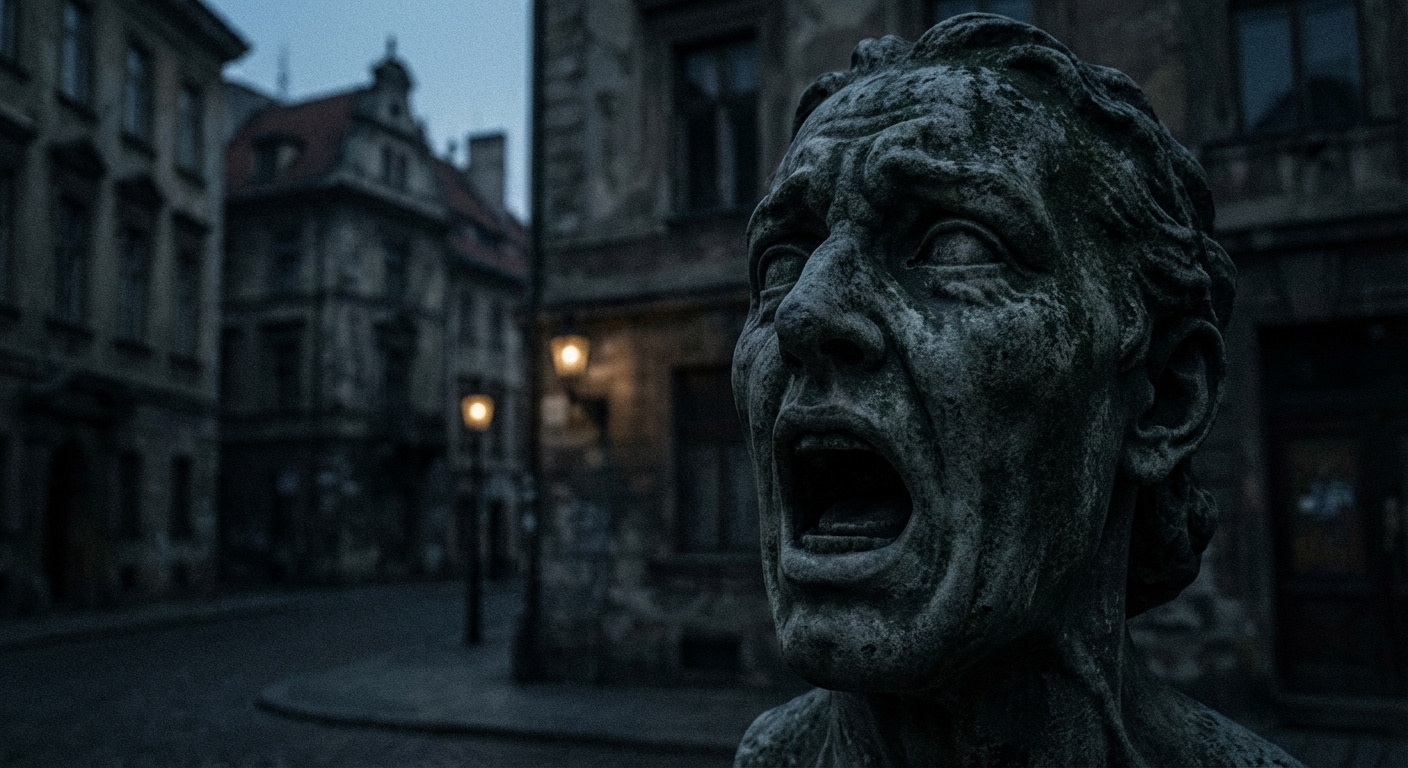
The early years of the 20th century were a crucible of change, and within that ferment arose an artistic movement profoundly shaped by societal anxieties and a burgeoning sense of alienation. German Expressionism wasn’t born in a vacuum; it was a visceral response to rapid industrialization, urbanization, and the psychological pressures of modern life. A generation grappling with the loss of traditional values sought new ways to articulate their inner worlds – worlds often fractured, chaotic, and deeply emotional. While Impressionism had focused on capturing fleeting moments of external reality, Expressionism turned inward, prioritizing subjective experience above all else. This shift wasn’t sudden; it was a culmination of philosophical currents questioning objective truth, literary explorations of the human psyche by figures like Friedrich Nietzsche and August Strindberg, and the pioneering work of artists who dared to depict emotion with raw intensity – artists such as Edvard Munch, whose haunting “The Scream” foreshadowed the movement's preoccupation with angst and existential dread. Vincent van Gogh’s passionate brushwork and distorted forms also served as a crucial inspiration, demonstrating the power of art to convey feeling rather than simply replicate appearances. The seeds of Expressionism were sown in a rejection of academic conventions and a yearning for authentic expression, a desire to portray not what things *looked* like, but what they *felt* like.
Die Brücke: Forging a New Visual Language in Dresden
 Wikipedia: Die Brücke
Die Brücke (German pronunciation: [diː ˈbʁʏkə] , "The Bridge"), also known as Künstlergruppe Brücke or KG Brücke, was a group of German expressionist artists formed in Dresden in 1905. The founding members were Fritz Bleyl, Erich Heckel, Ernst Ludwig...
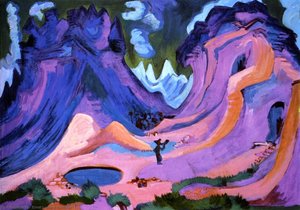
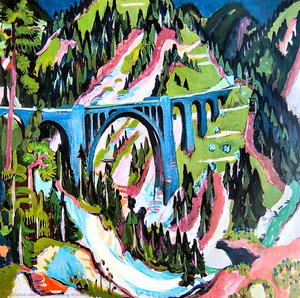
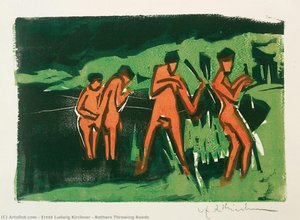
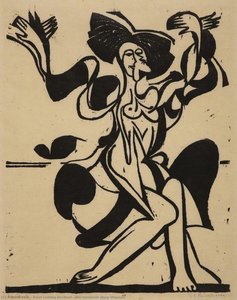
In 1905, in the bustling city of Dresden, four young architecture students – Fritz Bleyl, Erich Heckel, Ernst Ludwig Kirchner, and Karl Schmidt-Rottluff – formed an artistic collective that would become known as Die Brücke (The Bridge). Dissatisfied with the rigid constraints of their formal training, they sought to create a new visual language capable of expressing the intensity of their experiences. Their name itself was symbolic, representing a desire to connect with the past while simultaneously forging a path towards an unknown future. Unlike many artistic groups of the time, Die Brücke wasn’t solely focused on aesthetic innovation; it was deeply rooted in a bohemian lifestyle and a rejection of bourgeois values. They deliberately chose subjects that challenged societal norms – urban scenes teeming with life and alienation, nude figures exploring themes of sexuality and vulnerability, and landscapes imbued with emotional resonance. The group's early works were characterized by bold, non-naturalistic colors, simplified forms, and a deliberate crudeness in execution, often employing woodcut prints as a primary medium—a nod to Germany’s artistic heritage and a rejection of refined techniques. They established a studio in an abandoned butcher shop, transforming it into a space for experimentation, collaboration, and the uninhibited exploration of their inner selves.
Emotional Intensity & Subjective Reality: Key Characteristics of the Movement
At its core, Expressionism was defined by a relentless pursuit of emotional truth. Artists weren’t interested in objective representation; they sought to convey the *feeling* of an experience, even if it meant distorting reality to do so. This often manifested as jarring color palettes, exaggerated forms, and a sense of unease or anxiety within their compositions. The use of color was particularly significant – colors were not chosen for their descriptive accuracy but for their emotional impact. Vivid reds might represent passion or anger, while somber blues could evoke melancholy or isolation. Brushstrokes were often loose and gestural, conveying a sense of immediacy and spontaneity. Subjectivity reigned supreme; the artist’s personal perspective dictated every aspect of the work. This rejection of traditional artistic conventions extended to subject matter as well. Expressionist artists frequently depicted scenes of urban alienation, psychological turmoil, and social unrest. They explored themes of isolation, anxiety, and the darker aspects of human nature, often challenging viewers with their unflinching honesty. The goal wasn’t simply to create beautiful images but to provoke an emotional response, to force a confrontation with uncomfortable truths.
Kirchner, Nolde & Schmidt-Rottluff: Pioneering Artists and Their Distinct Styles
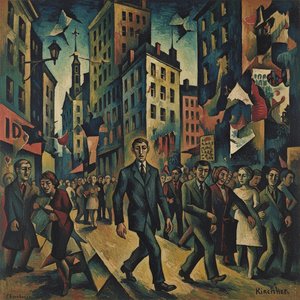
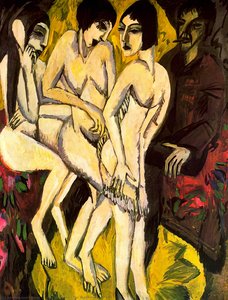
While united by a shared aesthetic vision, the artists of Die Brücke each developed their own distinct style. Ernst Ludwig Kirchner, arguably the most prominent figure in the group, is renowned for his depictions of urban life – crowded streets, cabaret scenes, and portraits that capture the alienation and anxiety of modern society. His paintings often feature angular figures, distorted perspectives, and a sense of claustrophobia. “The Judgement of Paris”, with its bold colors and unsettling composition, exemplifies his ability to convey psychological tension. Emil Nolde, known for his vibrant landscapes and religious scenes, brought an almost primal energy to his work. His use of color was particularly striking – often employing intense, non-naturalistic hues to evoke a sense of spiritual fervor or emotional turmoil. Karl Schmidt-Rottluff’s work, characterized by its simplified forms and powerful woodcut prints, explored themes of isolation and the human condition. His landscapes, though seemingly serene, often conveyed a sense of underlying unease. Each artist, while contributing to the collective spirit of Die Brücke, brought their own unique sensibility and artistic vision to the movement.
Beyond Painting: Expressionism’s Influence on Literature, Theatre & Film
The impact of Expressionism extended far beyond the realm of painting. The movement's emphasis on subjective experience and emotional intensity resonated deeply with writers, playwrights, and filmmakers who were also grappling with the anxieties of modern life. In literature, authors like Franz Kafka explored themes of alienation, bureaucracy, and existential dread in a style that mirrored the psychological turmoil depicted by Expressionist painters. Expressionist theatre rejected traditional dramatic conventions, favoring fragmented narratives, distorted sets, and exaggerated performances to convey inner states rather than realistic events. The stage became a space for exploring nightmares, anxieties, and the darker aspects of human consciousness. Similarly, German Expressionist film – exemplified by works like Robert Wiene’s “The Cabinet of Dr. Caligari” (1920) – employed distorted sets, dramatic lighting, and unconventional camera angles to create a sense of unease and psychological tension. These films weren't simply telling stories; they were attempting to visually represent the inner world of their characters.
The Enduring Legacy of German Expressionism in Modern Art
Though Die Brücke disbanded around 1913, its influence on modern art remains profound. The movement’s emphasis on subjective experience, emotional intensity, and bold experimentation paved the way for subsequent artistic developments, including Abstract Expressionism and Neo-Expressionism. The artists of Die Brücke challenged traditional notions of beauty and representation, demonstrating the power of art to convey inner states rather than simply replicate external reality. Their legacy continues to inspire artists today, reminding us of the importance of authenticity, emotional honesty, and the courage to confront uncomfortable truths. At ArtsDot.com, we celebrate this enduring spirit by offering high-quality reproductions of Expressionist masterpieces, allowing you to bring the visceral power of Kirchner, Nolde, and their contemporaries into your own home. Explore our collection today and discover the transformative potential of German Expressionism.