The Genesis of Die Brücke: Kirchner and the Rejection of Academic Tradition
 Wikipedia: Die Brücke
Die Brücke (German pronunciation: [diː ˈbʁʏkə] , "The Bridge"), also known as Künstlergruppe Brücke or KG Brücke, was a group of German expressionist artists formed in Dresden in 1905. The founding members were Fritz Bleyl, Erich Heckel, Ernst Ludwig...
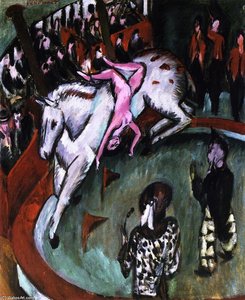
Ernst Ludwig Kirchner, a name synonymous with German Expressionism, didn’t emerge from a vacuum. His artistic rebellion was born within the walls of the Königliche Technische Hochschule in Dresden, initially as an architecture student. However, the rigid formalism of academic training proved stifling for a sensibility already attuned to the burgeoning anxieties of the modern world. Kirchner, alongside fellow students Fritz Bleyl, Erich Heckel, and Karl Schmidt-Rottluff, found themselves increasingly alienated from the established artistic norms – a yearning for authenticity that would coalesce into the formation of Die Brücke (The Bridge) in 1905. This wasn’t merely a stylistic shift; it was a conscious dismantling of tradition, a rejection of idealized beauty in favor of raw emotional truth. The group sought to forge a new artistic language capable of expressing the psychological weight of their rapidly changing era, one that resonated with the visceral experience of urban life and the primal forces simmering beneath the surface of societal order.
The choice of name itself is profoundly symbolic. Die Brücke wasn’t intended as an endpoint but rather a connection – a bridge between the past and the future, between artistic conventions and a new, untamed expression. They looked to earlier masters like Albrecht Dürer and Matthias Grünewald for their expressive power, particularly in woodcut techniques, but also drew inspiration from non-Western art forms, recognizing a shared emphasis on emotional intensity and symbolic representation. This eclectic mix of influences fueled their desire to create an art that was both deeply rooted in history and radically forward-looking.
Berlin's Streets as Canvas: Capturing Modern Life’s Disquiet
 Erich Heckel
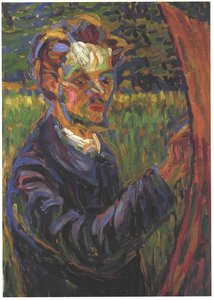
Erich Heckel (1883-1970) was a founding member of Die Brücke. Explore his powerful Expressionist paintings & woodcuts depicting nudes, landscapes & modern life.
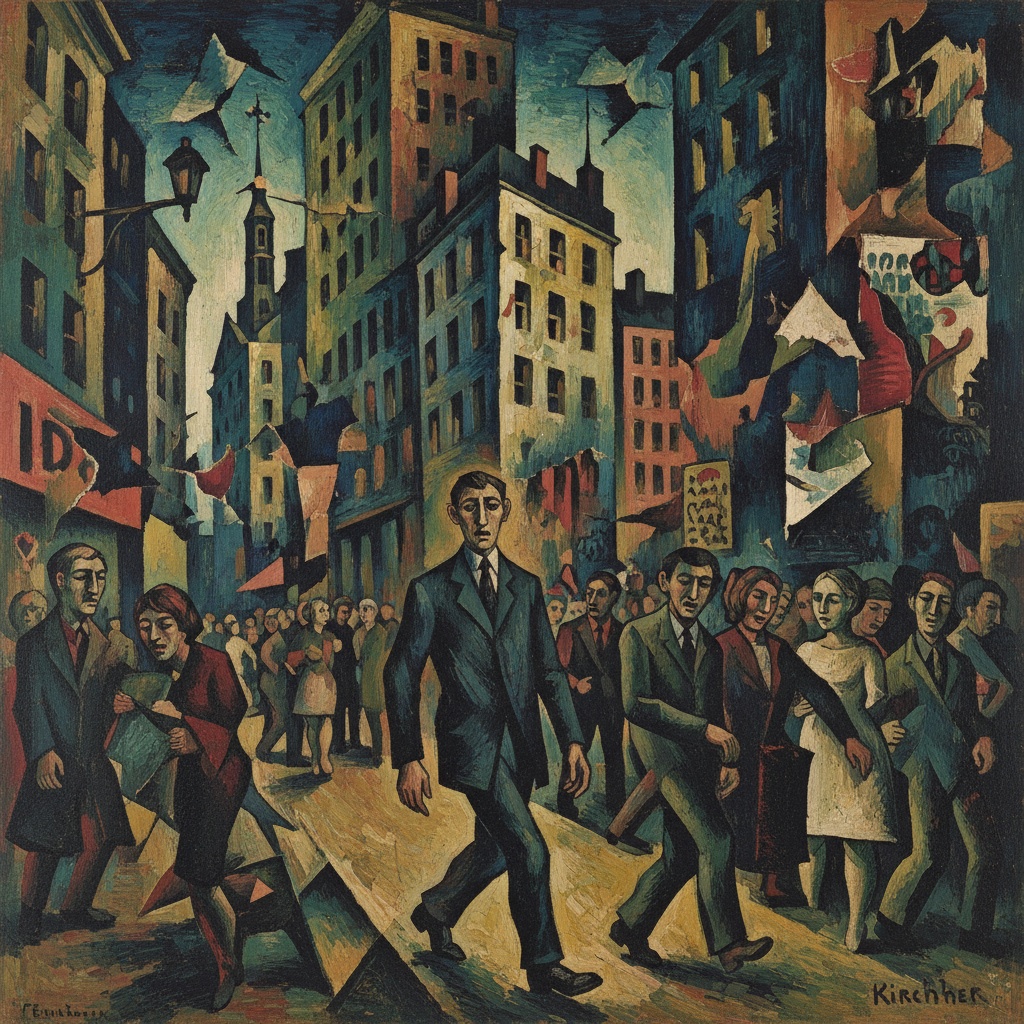
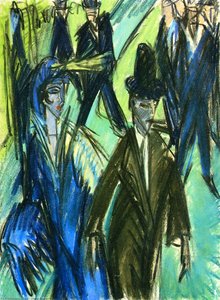
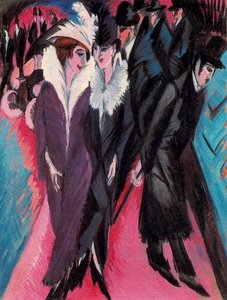
The relocation to Berlin in 1911 marked a pivotal moment for Kirchner and the Expressionists. The city, a maelstrom of industrial growth, social upheaval, and burgeoning decadence, became their primary subject matter. Unlike the Impressionists who sought to capture fleeting moments of light and beauty, Kirchner focused on the darker undercurrents of urban existence – the alienation, the anonymity, the psychological strain of modern life. His paintings are not celebrations of progress but rather unflinching portrayals of its human cost.
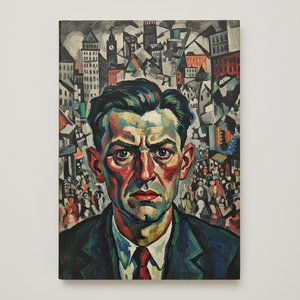
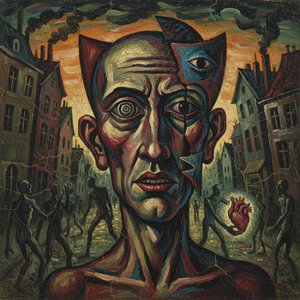
Consider his depictions of crowded streets, populated by sharply angular figures with mask-like faces. These aren’t portraits in the traditional sense; they are archetypes of urban dwellers – isolated individuals lost within a sea of humanity. The jarring color palettes, often employing discordant combinations and bold outlines, amplify the sense of unease and psychological tension. Kirchner masterfully used perspective to create claustrophobic spaces, mirroring the feeling of being overwhelmed by the city’s relentless energy. His work isn't about what Berlin *looked* like; it’s about how it *felt* – a visceral experience of anxiety, fragmentation, and moral decay.
Woodcut Revolution: A Primitivist Aesthetic & Emotional Directness
 Wikipedia: Ernst Ludwig Kirchner
Ernst Ludwig Kirchner (6 May 1880 – 15 June 1938) was a German expressionist painter and printmaker. He was one of the founders of the artists group Die Brücke or "The Bridge", a key group leading to the foundation of Expressionism in 20th-century ar...
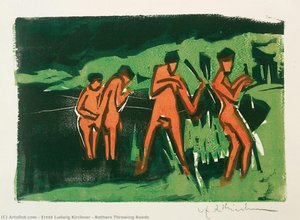
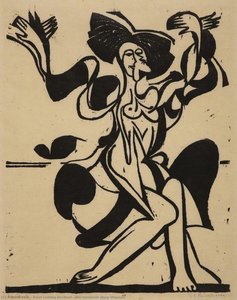
While Kirchner is celebrated for his paintings, his exploration of woodcut printing was equally revolutionary. The medium itself lent itself perfectly to the Expressionist aesthetic – its inherent roughness, stark contrasts, and potential for emotional directness. Rejecting the refined techniques favored by traditional printmakers, Kirchner embraced a deliberately crude style, often leaving visible tool marks and imperfections in the final image.
This wasn’t simply a matter of technical preference; it was a conscious aesthetic choice rooted in their fascination with “primitivism.” Inspired by art from Africa, Oceania, and other non-Western cultures, Kirchner sought to recapture a sense of raw, unmediated expression. The woodcut process allowed him to strip away the layers of academic polish and create images that were immediate, visceral, and emotionally charged. Figures are often distorted and simplified, their forms reduced to essential shapes and lines, conveying a powerful sense of psychological intensity. The stark black-and-white contrasts further amplify this effect, creating an atmosphere of tension and unease.
Psychological Landscapes: Anxiety, Alienation, and the Fragmented Self
Kirchner’s art is fundamentally concerned with the human psyche – specifically, the anxieties and alienation that characterized modern life. His paintings often depict scenes of social interaction, but these are rarely harmonious or comforting. Instead, they reveal a sense of isolation, disconnection, and underlying tension. The figures in his works seem trapped within their own internal worlds, unable to connect with one another on a meaningful level.
Prostitute who offers, for example, is a stark depiction of urban loneliness and the commodification of human relationships. The figure’s gaze is direct but devoid of warmth, conveying a sense of desperation and vulnerability. The angular forms and jarring colors further amplify this feeling of unease. Kirchner wasn't merely documenting social realities; he was exploring the psychological consequences of modernity – the fragmentation of identity, the loss of community, and the pervasive sense of alienation that haunted the urban landscape.
Kirchner's Late Style and the Shadow of Societal Collapse
The outbreak of World War I profoundly impacted Kirchner’s artistic trajectory. He volunteered for military service in 1914 but suffered a nervous breakdown shortly thereafter, leading to his discharge. The trauma of war exacerbated his existing anxieties and led to a period of intense psychological distress. His late style reflects this turmoil – characterized by increasingly fragmented forms, distorted perspectives, and a sense of impending doom.
The paintings from this period are often unsettling and claustrophobic, depicting scenes of urban decay and social unrest. The vibrant colors of his earlier works give way to darker, more somber tones, reflecting the growing shadow of societal collapse. In 1933, Kirchner’s work was branded as “degenerate” by the Nazi regime, and over 600 of his paintings were confiscated and destroyed. He took his own life in 1938, a tragic culmination of years of psychological suffering and artistic persecution.
The Enduring Legacy of Kirchner: Influence and Collecting Today
Despite the hardships he faced during his lifetime, Ernst Ludwig Kirchner’s influence on modern art remains profound. His exploration of urban anxiety, psychological fragmentation, and emotional directness continues to resonate with audiences today. He paved the way for subsequent generations of artists who sought to express the complexities of the human condition in a rapidly changing world.
Collecting Kirchner's work is an investment not only in artistic beauty but also in a powerful historical narrative. His paintings and prints offer a unique window into the anxieties and aspirations of early 20th-century Germany, providing valuable insights into the social, political, and psychological forces that shaped the modern era. ArtsDot.com offers high-quality reproductions of Kirchner’s iconic works, allowing art enthusiasts to experience the power and emotional intensity of his vision firsthand. Explore our collection today and discover the enduring legacy of this groundbreaking Expressionist master.