

![Carring [sic] Trench Mats At Passchendaele — Ernest Wilfred Albert Church](/media/artworks/images-full/d7/a9/d7a96b7d802fe5e0f25167551a6db5a2.jpg)
 Send
Send Share
Share
 Details

 Download
 Similars
 Diaporama
Carring [sic] Trench mats at Passchendaele


 Read More
Purchase a high-resolution, enhanced digital image, far superior to the online preview.
Each file is meticulously prepared by our in-house specialists using advanced tools and expert manual retouching. We ensure every image has exceptional clarity, precise color accuracy, and fine detail.
The final file is delivered via email within 72 hours, optimized for immediate use in professional, editorial, and print environments. This is the same quality trusted by top-tier design studios, publishers, and galleries.
Digital Image
Download a high-resolution file for personal display, printing, and creative projects. ( Buy Print Buy Hand Made Painting)
Included in Every Digital Image Order
Expert Digital Delivery, Guaranteed
When you choose ArtsDot.com, you're not just getting an image - you're receiving a professionally enhanced digital artwork, crafted with precision and backed by a satisfaction guarantee. Here's everything that comes with your order, automatically:

Fast Email Delivery
Your high-resolution digital image file will be emailed to you within 72 hours of ordering - ready for immediate use.

AI-Enhanced Digital File
Your artwork is professionally optimized using advanced AI tools and manual editing, ensuring maximum detail, clarity, and color accuracy.

Free Lifetime Re-Delivery
Accidentally deleted or lost your file? No worries - we'll resend it to you anytime, free of charge.

No Import Fees - Ever
Enjoy your artwork instantly with zero customs, duties, or delivery fees - digital downloads are always tax-free.

Color Accuracy Guarantee
We ensure your digital image reflects the original colors as closely as possible using professional tools and color management.

60-Day Satisfaction Guarantee
If you're not satisfied with your digital image, we'll revise it or refund 100% within 60 days - no questions asked.

100% Money-Back Guarantee
Not satisfied? Get a full refund within 60 days of receiving your digital file - no questions asked.

Bulk Order Discounts
Buy 3 images, save 10% - Buy 5, save 15% - Buy 10+, save 20%. Great for creative projects, galleries, and agencies.
Related Artworks
Artist Biography
A Witness to the Great War: The Lens of Ernest Wilfred Albert Church
In the harrowing landscape of the First World War, where the earth itself seemed to dissolve into a quagmire of mud and despair, few voices captured the visceral reality of combat as starkly as Ernest Wilfred Albert Church. A Canadian photographer operating amidst the chaos of the Western Front, Church did not merely document events; he froze moments of profound human struggle within the silver halide of his film. His work serves as a haunting, monochromatic window into the Battle of Passchendaele, offering a perspective that transcends mere historical record to become an intimate encounter with the brutality of trench warfare.
The life of Church is inextricably linked to the heavy atmosphere of 1917, a period defined by unprecedented industrial slaughter. While many photographers of the era focused on the grand movements of armies or the heroic portraits of commanders, Church’s eye was drawn to the granular, often overlooked details of survival. His imagery captures the grit and the physical labor required to endure the elements, such as the arduous task of transporting trench mats through the sludge. Through his lens, the viewer is forced to confront the unvarnished truth of the soldier's existence—a life defined by wooden planks, heavy loads, and an ever-present sense of peril.
The Artistry of the Unfiltered Moment
Technically, Church’s contributions to the photographic canon of World War I rely on a raw, documentary aesthetic that eschews romanticism. There is no attempt to beautify the carnage; instead, there is a profound focus on texture and composition that highlights the environmental devastation. His photographs utilize the high contrast of black and white to emphasize the skeletal remains of landscapes and the weary expressions of military personnel. The way light interacts with the wet, churned earth in his shots creates a sense of depth that makes the viewer feel as though they are standing alongside the troops in the trenches.
The significance of his work lies in its ability to bridge the gap between historical fact and emotional resonance. By focusing on subjects like the Carring [sic] Trench mats at Passchendaele, Church highlights the logistical nightmare of the war. These images are not just about combat; they are about the infrastructure of misery. His ability to find a composition within the chaos—capturing the weight of the wooden planks and the struggle of the men carrying them—elevates his work from simple journalism to a poignant form of visual storytelling that speaks to the resilience and the exhaustion of a generation.
Legacy in the Shadows of History
Though his life was cut short by the very era he documented, the legacy of Ernest Wilfred Albert Church remains etched in the historical consciousness. His photographs act as vital artifacts for historians and art enthusiasts alike, providing a somber counterpoint to the propaganda often circulated during wartime. He remains a pivotal figure for anyone seeking to understand the true human cost of the Great War.
The enduring impact of his photographic journey can be summarized through several key elements:
- Historical Authenticity: Providing an unfiltered, unromanticized view of the Passchendaele battlefield.
- Human Connection: Focusing on the individual struggles and physical burdens of the Canadian soldiers.
- Visual Documentation: Preserving the specific textures and environmental conditions of trench warfare for future generations.
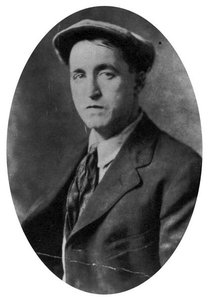
ernest wilfred albert church
1896 - 1917 , Canada
Quick Facts
- Artistic Movement Or Style: Pre-Raphaelite
- Artists Or Movements Influenced By This Artist:
- William Holman Hunt
- Dante Gabriel Rossetti
- Artists Who Influenced This Artist: ['Sir John Everett Millais']
- Date Of Birth: 8 June 1829
- Date Of Death: 13 August 1896
- Full Name: John Everett Millais
- Nationality: English
- Notable Artworks:
- Ophelia
- Christ in the House of His Parents
- Autumn Leaves
- Place Of Birth: Southampton, England

