
A Monument of Memory: The National WWI Museum and Memorial
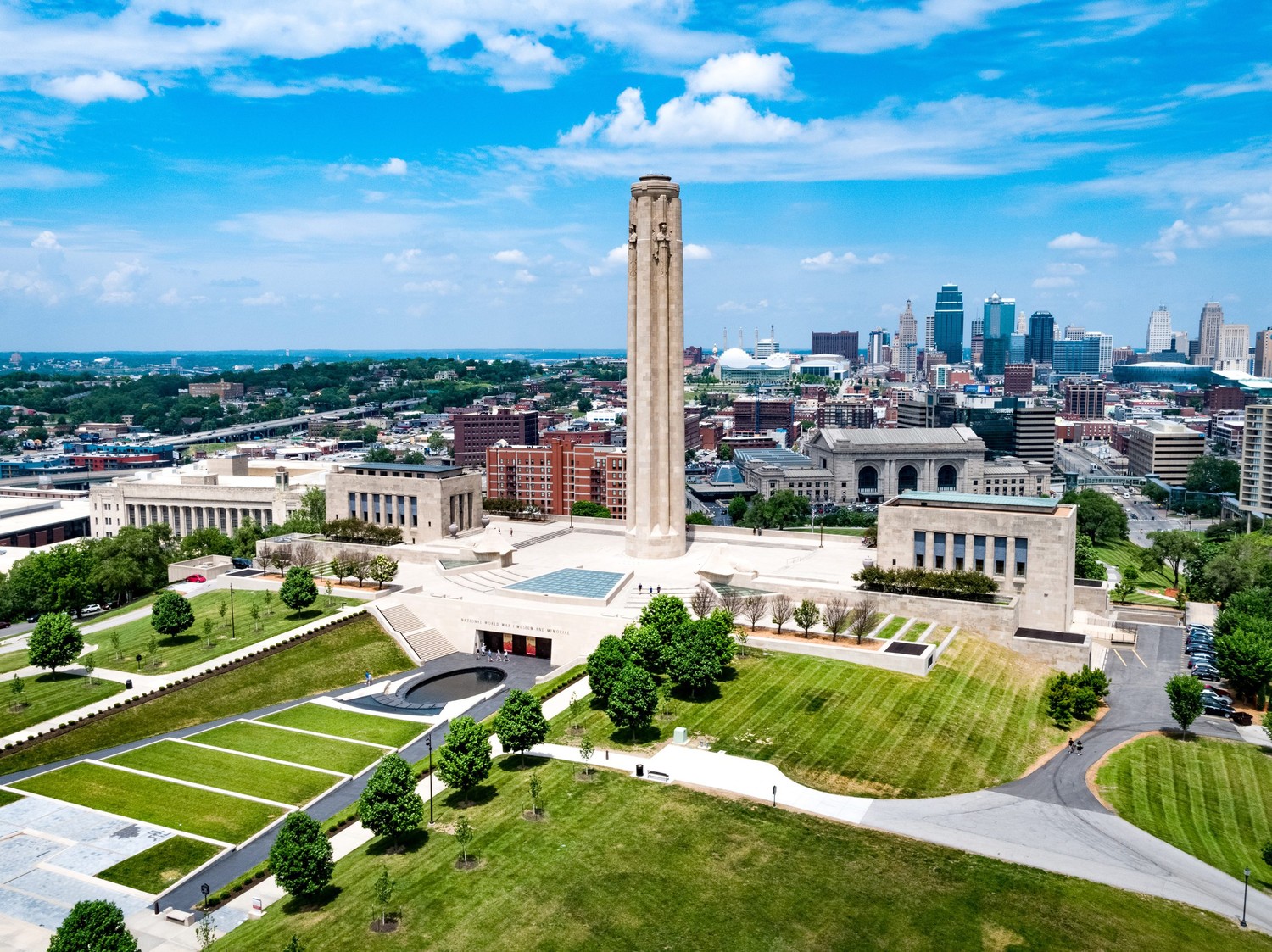
In the heart of Kansas City, a singular beacon of historical preservation and artistic contemplation rises against the skyline, serving as both a solemn tribute and a profound architectural masterpiece. The National World War I Museum and Memorial is not merely a repository of artifacts but a living testament to the human spirit's capacity for remembrance. Established in 1926 as the Liberty Memorial, the institution was born from an extraordinary outpouring of public generosity, reflecting a collective yearning to grapple with the profound human cost of the Great War. To walk through its gates is to enter a space where the echoes of global conflict converge with an enduring pursuit of peace, making it an essential pilgrimage for those who find beauty in the intersection of history and art.
The architecture of the memorial itself serves as a powerful allegory for the journey from innocence to experience. Conceived by the renowned landscape architect George Kessler and shaped by the hand of Harold Van Buren Magonigle, the structure masterfully blends the grandeur of Beaux-Arts classicism with the evocative weight of Egyptian Revival influences. This deliberate juxtaposition speaks to the universality of human suffering across millennia while simultaneously conveying an aspiration for renewal. One of the most breathtaking experiences for any visitor is the crossing of the monumental glass bridge. Suspended above the vibrant Poppy Field—a sea of 9,000 red poppies representing 1,000 lives lost—this architectural feat creates a literal and symbolic passage, transitioning the observer from the modern world into a space irrevocably marked by the shadows of history.
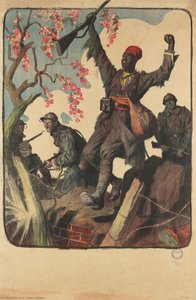
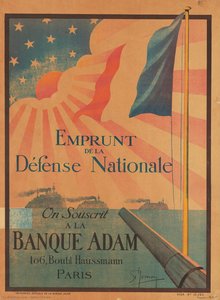
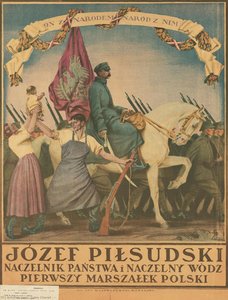
Within its walls, the museum’s collection offers a staggering global narrative, meticulously assembled to capture the intimate and the epic. For the collector of stories and the lover of tangible history, the holdings are unparalleled. Visitors encounter the poignant reality of the trenches through uniforms worn on battlefields spanning Europe and beyond, creating a visceral connection to soldiers from Britain, France, Germany, Russia, Italy, and Austria-Hungary. Yet, the true soul of the collection lies in its smaller, more intimate treasures: a soldier's weathered shaving kit, a nurse's medical bag, or letters penned amidst unimaginable hardship. These objects, paired with evocative photography, transform historical data into a deeply human experience, allowing the viewer to feel the pulse of an era defined by both technological advancement and profound loss.
The museum’s commitment to cultural dialogue is further realized through its rotating exhibitions, which frequently explore the complex ripples of war on art, literature, and society. By examining themes such as the role of women in wartime service or the emergence of radical artistic movements like Dadaism and Surrealism , the institution demonstrates how global trauma can reshape the very fabric of human expression. This dedication to exploring the enduring legacy of the Great War ensures that the museum remains a dynamic, breathing entity. For interior designers seeking inspiration in themes of resilience and for art enthusiasts drawn to the weight of historical truth, the National WWI Museum and Memorial stands as an incomparable sanctuary of reflection and profound aesthetic power.