The Shadow of Conflict: Setting the Stage for Artistic Response
The First World War, which was fought between 1914 and 1918, had an immediate impact on popular culture. In the over a hundred years since the war ended, the war has resulted in many artistic and cultural works from all sides and nations that partic...
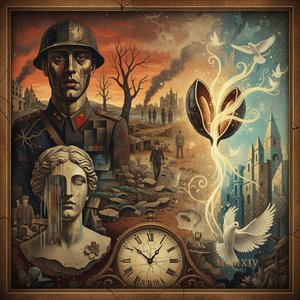
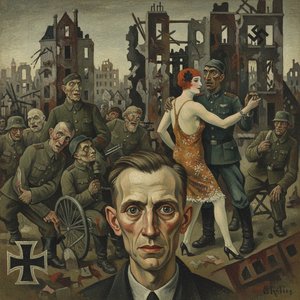
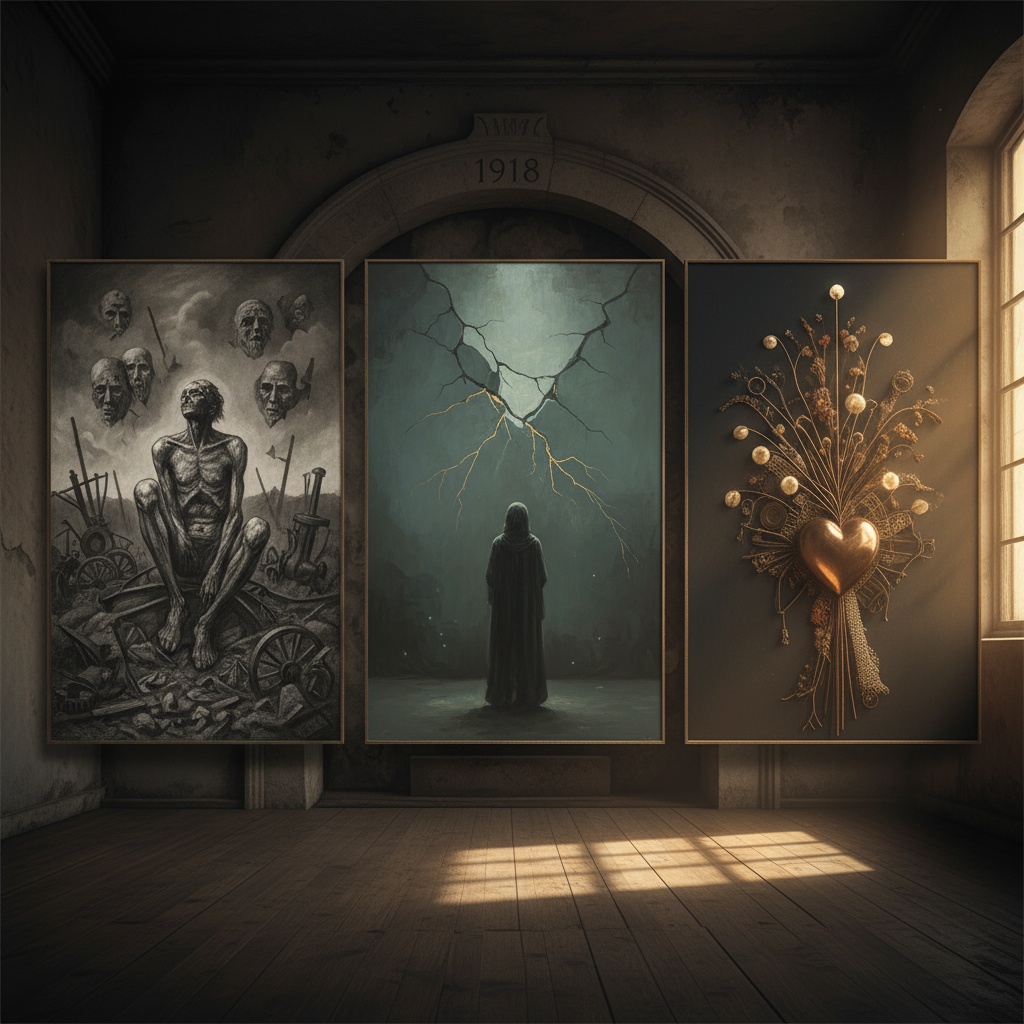
The year 1918 marked not merely the cessation of hostilities in World War I, but a profound rupture with the past—a collective trauma that irrevocably altered the course of Western civilization. The scale of devastation, unprecedented technological warfare, and the sheer loss of life shattered pre-war certainties, leaving artists grappling with how to represent an experience for which existing aesthetic languages felt woefully inadequate. Before 1914, art often celebrated heroism, national pride, or idyllic landscapes; after, it wrestled with disillusionment, fragmentation, and the psychological scars borne by a generation. The initial patriotic fervor that fueled early war propaganda gradually gave way to a deep-seated skepticism and an urgent need for new forms of expression. This wasn’t simply about depicting battlefields—it was about conveying the *feeling* of being utterly untethered from meaning, the weight of absence, and the fragility of human existence. The conflict's impact resonated far beyond the immediate theaters of war, influencing artistic movements across Europe and prompting a radical re-evaluation of traditional values.
Expressionism's Raw Voice: Capturing the Psychological Scars of War
Expressionism is a modernist movement, initially in poetry and painting, originating in Northern Europe around the beginning of the 20th century. Its typical trait is to present the world solely from a subjective perspective, distorting it radically ...
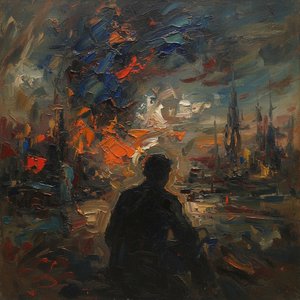
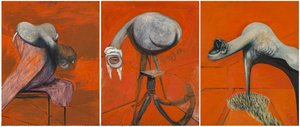
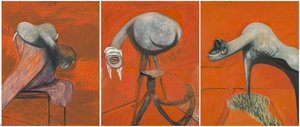
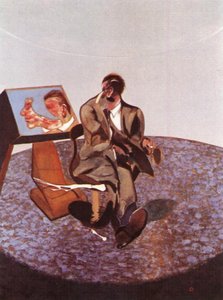
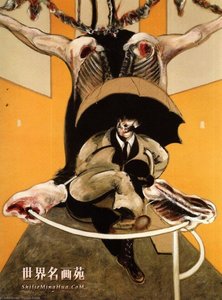
Perhaps no movement responded to this crisis with greater intensity than Expressionism. Originating in Northern Europe before the war, it found its voice amplified by the horrors unfolding on the Western Front. Artists like Ernst Ludwig Kirchner and Max Beckmann abandoned representational accuracy in favor of subjective emotional experience, distorting forms and employing jarring color palettes to evoke feelings of anxiety, alienation, and despair. Francis Bacon’s visceral 1965 Crucifixion triptych, though created decades after the war's end, stands as a powerful testament to this enduring psychological impact. The contorted figures, trapped within claustrophobic spaces, are not merely depictions of suffering but embodiments of existential anguish. Similarly, the works of Bernard Buffet, often overlooked for years, powerfully convey the bleakness and isolation of post-war life through his stark figurative style. Expressionism wasn’t about recreating what was *seen* on the battlefield; it was about conveying what was *felt*—the raw, unmediated terror and grief that haunted those who survived. The use of thick impasto, aggressive brushstrokes, and unsettling compositions served to disrupt traditional notions of beauty and harmony, reflecting a world irrevocably fractured.
Beyond Realism: Surrealism, Dada & the Fragmentation of Experience
As the initial shock of war subsided, artists began exploring more radical approaches to representation. Surrealism, born from the ashes of Dada, sought to unlock the power of the unconscious mind as a means of challenging rational thought and societal norms. Max Ernst’s “Célèbes or Elephant Célèbes” (1920) exemplifies this approach—a haunting collage that blends disparate imagery into a dreamlike landscape, reflecting the fragmented nature of memory and experience. Dada, with its embrace of absurdity and anti-art principles, was a direct response to the perceived irrationality of war itself. Artists rejected logic and reason in favor of chance, spontaneity, and provocation. These movements weren’t simply aesthetic choices; they were philosophical rebellions against a world that had seemingly lost all meaning. The exploration of automatism, collage, and unconventional materials allowed artists to bypass conscious control and tap into the deeper currents of human emotion—often revealing unsettling truths about the collective psyche.
Official Commissions and Propaganda Art: Shaping Public Perception
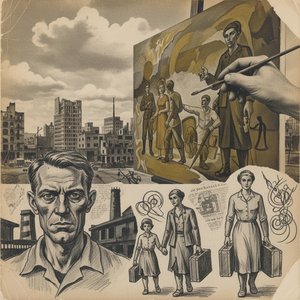
It’s crucial to acknowledge that artistic responses to World War I weren't solely driven by individual expression. Governments on all sides actively commissioned artists to create works that supported the war effort, bolstering morale and demonizing the enemy. These official commissions often took the form of heroic depictions of soldiers, patriotic landscapes, or allegorical representations of national ideals. However, even within these constraints, subtle forms of dissent could emerge. Artists were tasked with shaping public perception, but their personal experiences and artistic sensibilities inevitably influenced their work. The tension between official expectations and individual expression created a complex dynamic—one that often resulted in works imbued with ambiguity or underlying critique. Examining these propaganda pieces alongside more overtly anti-war statements reveals the multifaceted nature of artistic response during this period.
Artists as Witnesses: Individual Experiences and Memorialization
Beyond commissioned work, many artists served as witnesses to the horrors of war, documenting their experiences through sketches, paintings, and writings. These firsthand accounts offer a particularly poignant glimpse into the realities of trench warfare, the devastation of battlefields, and the psychological toll on soldiers. The Imperial War Museum in London, the Canadian War Museum in Ottawa, and the Australian War Memorial in Canberra preserve countless works created by these artist-soldiers. Their art wasn’t simply about recording events; it was about bearing witness—about confronting the unspeakable and giving voice to those who had suffered. This impulse extended beyond the immediate years of conflict, with artists continuing to grapple with themes of loss, memory, and memorialization in the decades that followed. Gastone Novelli’s abstract paintings, for example, reflect his experiences as a medic during the war, capturing the chaos and emotional intensity of the battlefield through textured surfaces and bold compositions.
A Legacy of Resilience: The Enduring Power of Post-War Artistic Reflection
The artistic responses to World War I weren’t confined to a single style or movement. They represented a profound shift in aesthetic sensibilities, paving the way for new forms of expression that continue to resonate today. From the raw emotionality of Expressionism to the subversive experimentation of Surrealism and Dada, artists sought to make sense of an experience that defied easy representation. The legacy of this period lies not only in the iconic artworks it produced but also in its enduring exploration of universal themes—trauma, loss, resilience, and the search for meaning in a fractured world. At ArtsDot.com, we are proud to offer high-quality reproductions of these masterpieces, allowing you to connect with this powerful artistic legacy and reflect on its enduring relevance. Whether you’re drawn to the haunting intensity of Bacon's figures or the fragmented landscapes of Ernst, these artworks serve as a potent reminder of the human cost of conflict—and the transformative power of art.