The Shadow of War: Dix’s Early Life & The Crucible of WWI
 Wikipedia: Otto Dix
Wilhelm Heinrich Otto Dix (German: [ˈvɪlhɛlm ˈhaɪnʁɪç ˈʔɔtoː ˈdɪks] ; 2 December 1891 – 25 July 1969) was a German painter and printmaker, noted for his ruthless and harshly realistic depictions of German society during the Weimar Republic and the br...
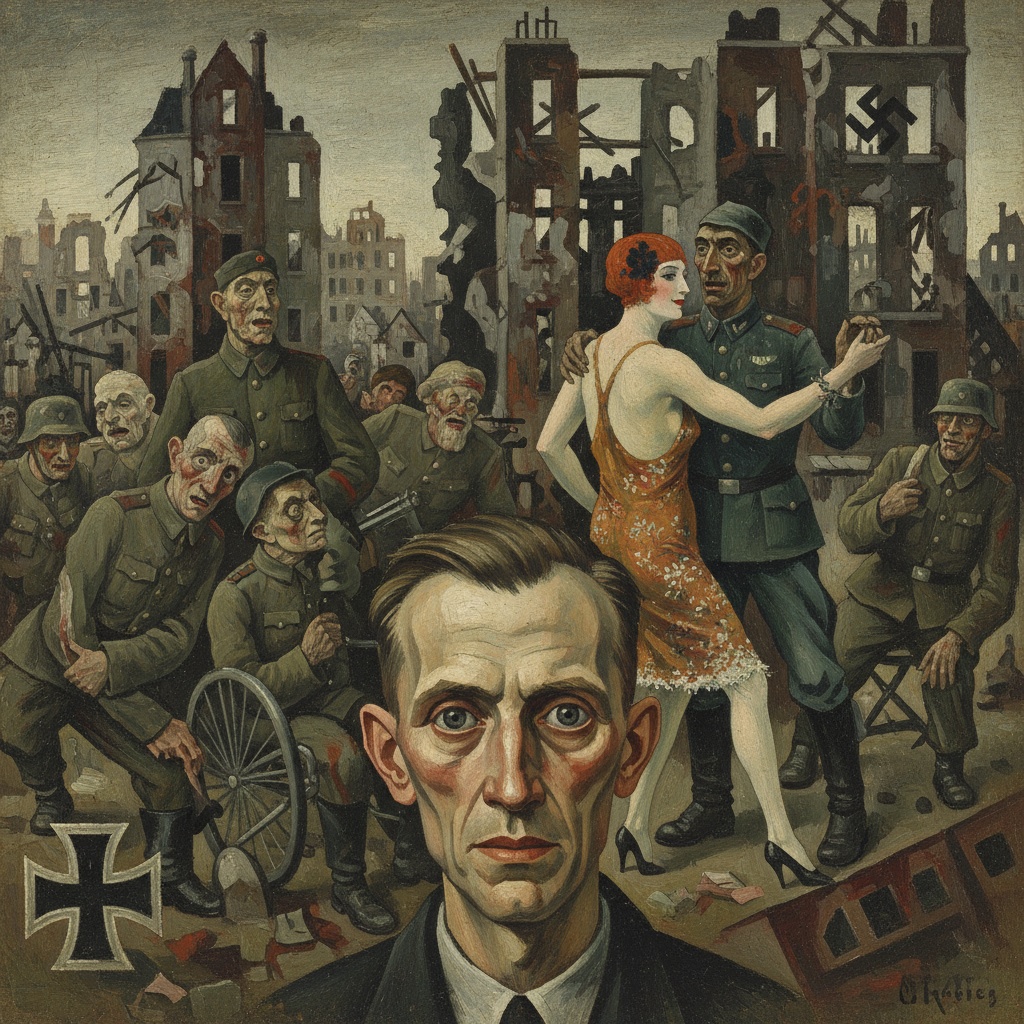
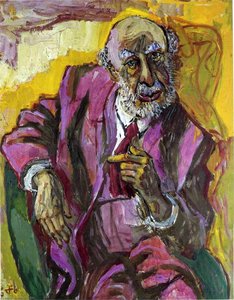
Wilhelm Heinrich Otto Dix, born in 1891 in Untermhaus, Germany, wasn't destined for artistic notoriety. His early life was marked by a pragmatic upbringing – his father an iron foundry worker, his mother a seamstress with poetic inclinations. This duality, the harsh realities of industrial labor juxtaposed with a nascent sensitivity to beauty, would become a defining tension in Dix’s oeuvre. He received encouragement from family and teachers, leading him to Dresden to study art, initially embracing landscapes and portraits rendered in a stylized realism. However, the idyllic path was irrevocably shattered by the outbreak of World War I. Dix volunteered with patriotic fervor, believing in the cause, but his experience at the front transformed him into something profoundly different – a witness to unimaginable horror.
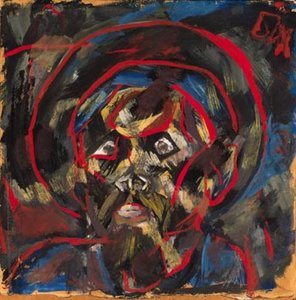
The trenches weren’t arenas of glory; they were landscapes of mud, decay, and relentless suffering. Assigned to a field artillery regiment and later a machine-gun unit, Dix endured the brutal realities of the Somme and subsequent campaigns. He earned an Iron Cross, but at what cost? The war didn't bestow honor; it inflicted trauma. Recurring nightmares plagued him – visions of crawling through destroyed houses, a visceral echo of the carnage he’d witnessed. This psychological wound would become the wellspring of his most potent work, fueling a desire to depict not heroism or patriotism, but the grotesque truth of conflict. His initial post-war paintings reflected this shift, moving away from earlier styles and hinting at the darkness that lay beneath the surface.
Neue Sachlichkeit: A Rejection of Romanticism & Embrace of Realism
 georg schrimpf
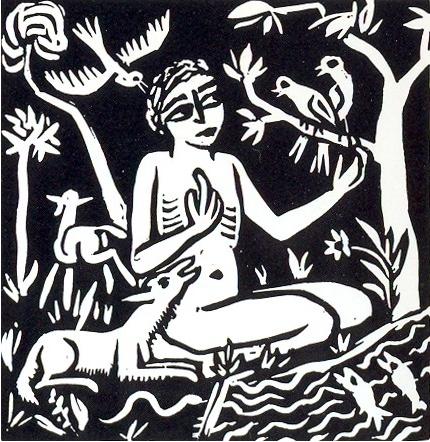
Discover Georg Schrimpf: A German painter of the Neue Sachlichkeit movement. Explore his stark realism, wartime themes & impact on art history.
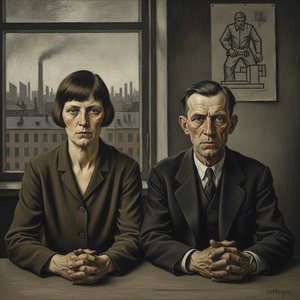
The return to civilian life in Germany was anything but peaceful. The Weimar Republic, born from the ashes of defeat, was a nation grappling with hyperinflation, political instability, and profound disillusionment. Dix found himself drawn to a burgeoning artistic movement that mirrored this societal upheaval: Neue Sachlichkeit – New Objectivity. This wasn’t merely a stylistic shift; it was a deliberate rejection of Expressionism's inward focus and emotional intensity. While Expressionists sought to convey inner turmoil through distorted forms, the proponents of Neue Sachlichkeit aimed for unflinching realism, a cold, clinical depiction of the world as it *was*, not as they wished it to be.
Dix became a central figure in this movement, alongside artists like George Grosz and Max Beckmann. He embraced a meticulous technique – thin glazes of oil paint over a tempera underpainting, reminiscent of the Old Masters – but applied it to decidedly un-romantic subjects. This wasn’t about beauty or idealism; it was about exposing the raw nerve of society. The Neue Sachlichkeit artists weren't interested in offering solace or escape; they wanted to confront viewers with uncomfortable truths, forcing them to acknowledge the decay and moral bankruptcy that permeated post-war Germany. The movement fractured into two distinct camps – the Verists, who focused on social critique, and the Classicists, who sought order and harmony – but both shared a commitment to clarity and precision.
Portraying Weimar Society: Decadence, Disillusionment & Social Critique
 Heinrich Maria Davringhausen
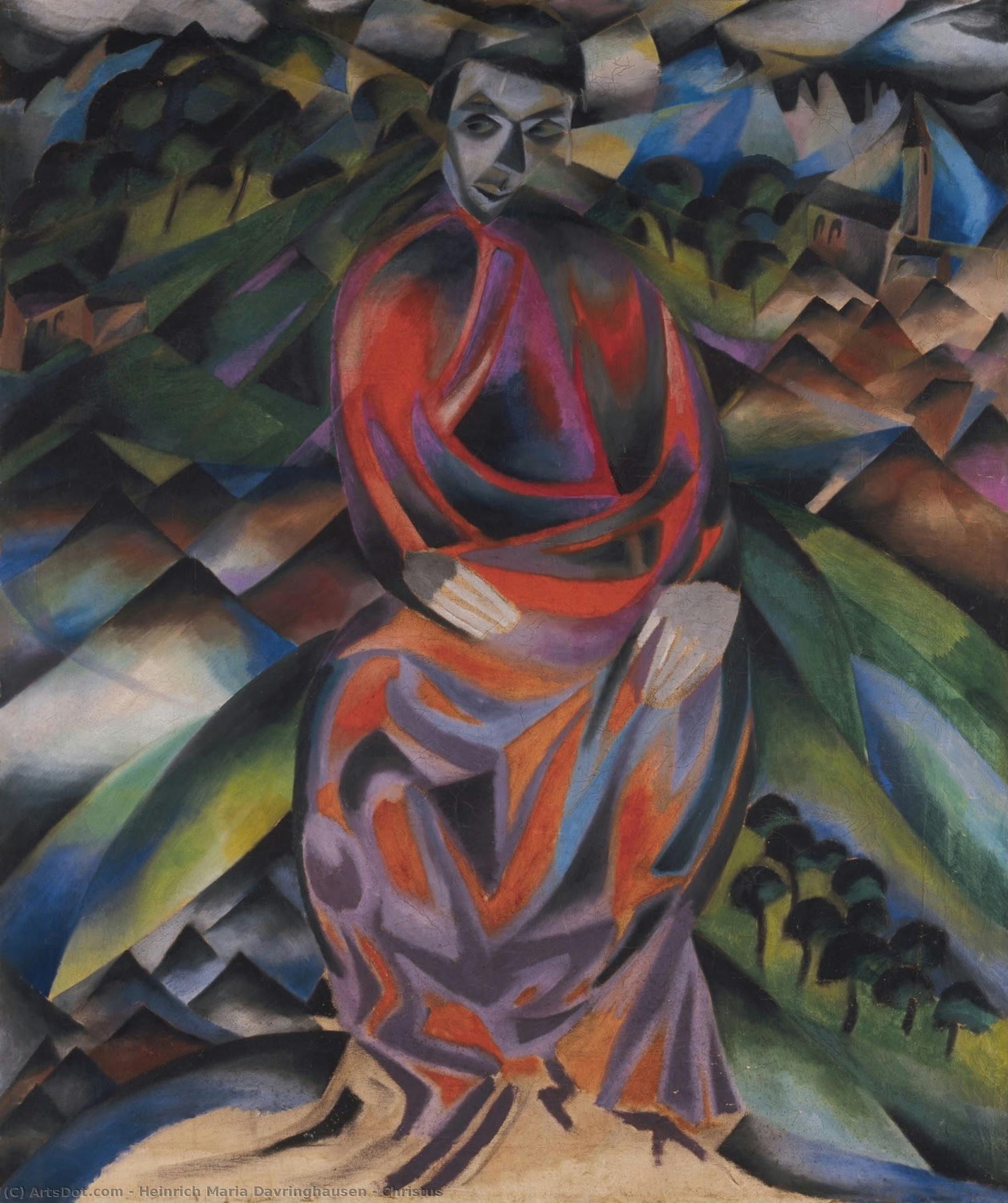
Explore the evocative new objectivity paintings of Heinrich Maria Davringhausen, a German artist known for his impactful WWII-era works & exploration of modern themes.
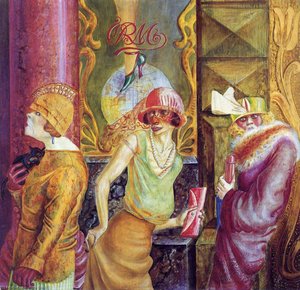
Dix’s portrayal of Weimar society was relentlessly critical. He didn't shy away from depicting the decadence, corruption, and social stratification that characterized the era. His paintings became mirrors reflecting a fractured world – a world where traditional values had crumbled and new ones hadn’t yet taken root. He captured the jazz-fueled nightlife, the rampant prostitution, and the hollow materialism of the burgeoning middle class with an almost surgical precision.
This wasn't simply observation; it was condemnation. His figures are often grotesque, their faces contorted in expressions of cynicism or despair. He exposed the hypocrisy of the bourgeoisie, the brutality of the police force, and the plight of the marginalized. His work challenged societal norms, provoking outrage and controversy. The painting *The Trench* (1923), depicting dismembered bodies after a battle, was so shocking that it was hidden behind a curtain in a museum and ultimately led to the director’s resignation. Dix wasn't interested in creating aesthetically pleasing images; he wanted to shock viewers into confronting the uncomfortable realities of their time.
Dix's Masterpieces: 'The Match Seller,' 'Sylvia von Harden,' and the 'War Triptych'
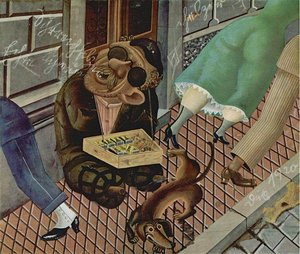 The Match Seller
Explore Otto Dix’s surreal ‘The Match Seller,’ a haunting 1920 oil painting depicting war's aftermath & social critique. Neue Sachlichkeit meets fantasy art – a unique piece!
Several works encapsulate Dix’s artistic vision with particular force. *The Match Seller* (1920), painted in the immediate aftermath of the war, is a haunting example of his surreal style. It depicts a skeletal figure offering matches against a backdrop of decaying buildings – a powerful metaphor for the shattered lives and lost hopes of a generation. The painting blends realism with fantasy, creating an unsettling atmosphere that speaks to the psychological trauma of conflict.
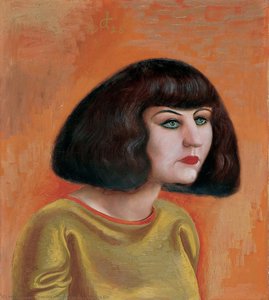
*Portrait of Sylvia von Harden* (1926) is arguably his most iconic work. Von Harden, a prominent journalist and socialite, is depicted in her opulent surroundings, surrounded by symbols of Weimar decadence. The painting isn’t merely a portrait; it's a scathing indictment of the era’s superficiality and moral emptiness. Every detail – from her carefully applied makeup to the expensive furnishings – contributes to a sense of alienation and despair.
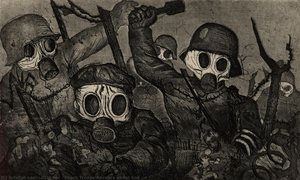
However, perhaps his most ambitious and harrowing work is *The War Triptych* (1929-1932). This monumental painting is a visceral depiction of the horrors Dix witnessed during WWI. Divided into three panels, it portrays scenes of battle, death, and decay with unflinching realism. It’s not a glorification of war; it's a condemnation – a stark warning against the futility and brutality of conflict.
Beyond Representation: Trauma, Symbolism & Artistic Technique
The thesis draws upon letters, a broad variety of contemporary publications, and specific statements Dix made in interviews, that have previously not been ...
Dix’s art transcends mere representation. While his paintings are characterized by their meticulous realism, they are also laden with symbolism. Skeletal figures, decaying bodies, and distorted faces aren't simply depictions of physical reality; they represent the psychological trauma of war and the moral bankruptcy of society. He employed a unique technique – thin glazes of oil paint over a tempera underpainting – that allowed him to create incredibly detailed and nuanced images.
This wasn’t just about technical skill; it was about conveying a sense of depth and texture, adding to the unsettling realism of his work. He often incorporated collage elements into his paintings, further disrupting traditional artistic conventions. His use of color is also significant – muted tones and stark contrasts contribute to the overall atmosphere of despair and alienation. Dix wasn’t simply painting what he saw; he was conveying a deeply personal and emotional response to the world around him.
Legacy of a Provocateur: Dix’s Influence on Modern Art & Contemporary Relevance
Otto Dix's impact on modern art is undeniable. His unflinching depictions of war, society, and trauma paved the way for subsequent generations of artists who sought to challenge societal norms and expose uncomfortable truths. He remains a pivotal figure in the history of Neue Sachlichkeit, influencing artists across various disciplines.
His work continues to resonate today, particularly in an era marked by political instability, social unrest, and ongoing conflict. The themes he explored – the horrors of war, the corruption of power, and the alienation of modern life – are as relevant now as they were during the Weimar Republic. Dix’s art serves as a powerful reminder of the importance of confronting uncomfortable truths and challenging societal complacency.
Explore the world of Otto Dix further with ArtsDot.com, where you can discover high-quality reproductions of his iconic masterpieces and delve deeper into the artistic legacy of this provocative and influential artist. From detailed studies of *The Match Seller* to immersive explorations of the *War Triptych*, we offer a unique opportunity to connect with the art that defined an era.