 Preview
 Send
Send Share
Share
 Details

 Download
 Similars
 X-Ray
X-Ray Diaporama
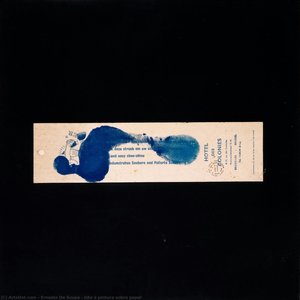
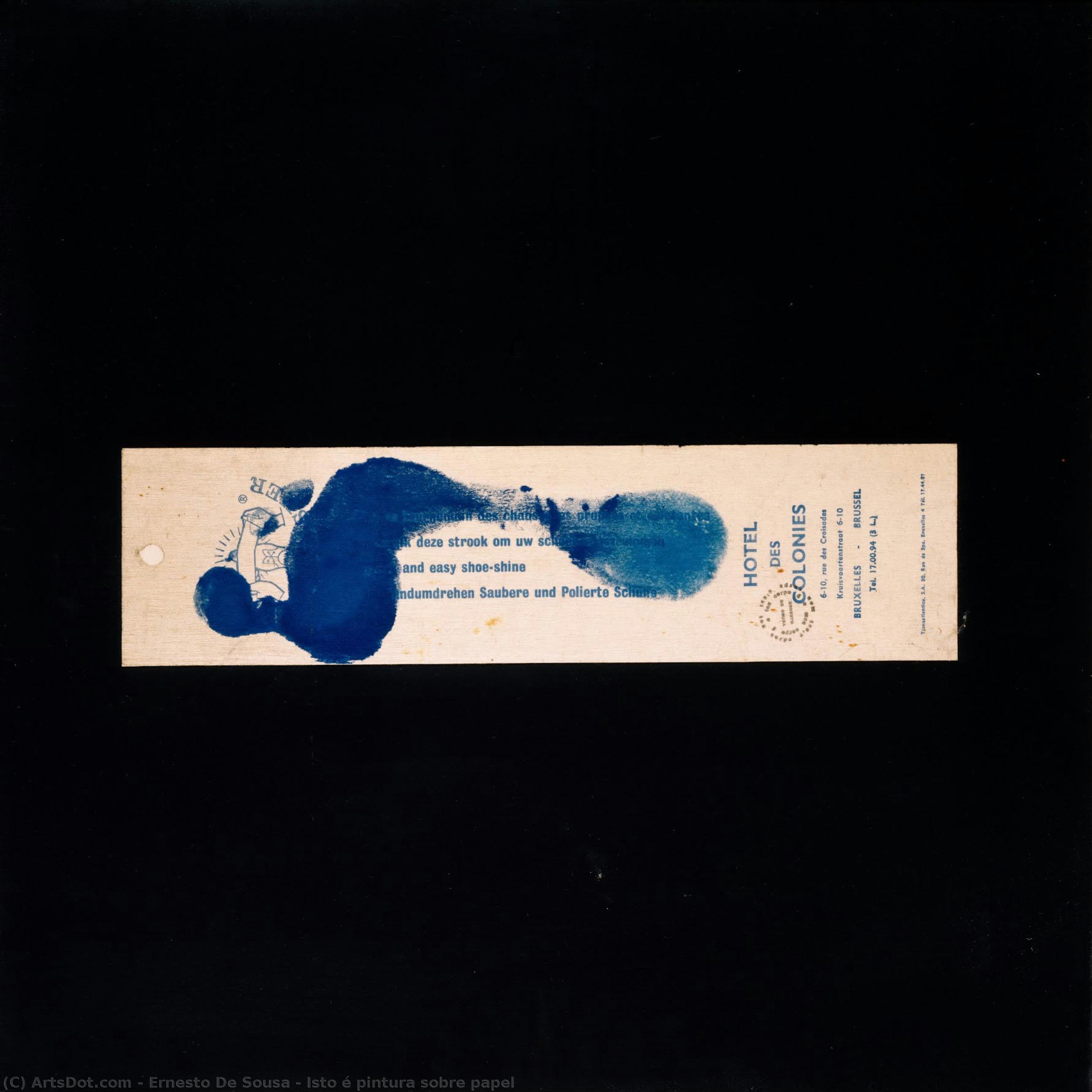
Isto é pintura sobre papel


 Read More
Hand Made Oil Reproduction
Hand-painted oil on canvas in your size and frame, made to order by our artists. ( Buy Print Buy Image)




P118B $10

P118H $10

P118W $10

P438Z $10

P508JH $12

P508YH $12

P805H $10

P805Z $10

P919BZ $10

P919G $10

P919XJ $10

P959ZH $10

P968JZ $12

W106C $8

W218G $10

W218JH $8

W218Y $10

W307PJ $10

W316G $10

W316PJ $8

W316Y $10

W398PJ $8

W4111J $10

W500HY $15

W500JH $15

W692G $12

W849H $8

W940BG $15

W953PJ $8




Pick from our preset sizes that match the artwork's original proportions.

You may enter your own dimensions to fit a specific frame or space. If your selected size does not match the original image's proportions, we will either crop the artwork or extend the painting with additional hand-painted elements. A digital mockup will be sent for your approval before production begins.
Please note that the on-screen preview does not reflect the actual cropping or extension. Only the mockup will accurately show the final composition.
While custom sizes are available, we recommend selecting a dimension from the predefined list to preserve the original proportions.
After order, ArtsDot.com team will email client for instructions and provide a mockup preview
Worldwide Delivery () in 3/4 weeks instead of standard 5 weeks. (20 August). No compromise on quality.

Free Worldwide Express Shipping

High-Quality Linen Canvas

Full Shipping Insurance

Customs Tax Refund Guarantee

True Color Matching Guarantee

60-Day Return Policy (Defects Only)

100% Money-Back Guarantee

Bulk Discount Offer
 Glass option is only available in size under 110 CM

Isto é pintura sobre papel
Reproduction Medium
Reproduction Size
-


Total Price
$ 263
Artwork Description
A Fragmentary Portrait of Change: Ernesto De Sousa’s “Isto É Pintura Sobre Papel”
The photograph captures a moment frozen in time – a 50 x 50 cm canvas by Ernesto De Sousa, presented at the Sociedade Nacional de Belas-Artes exhibition in July 1977. Initially rejected by the jury for its unconventional approach, this artwork embodies the spirit of Portugal’s turbulent late sixties and early seventies, marking a pivotal juncture in artistic experimentation and critical thought. More than just pigment on paper; it's a manifesto of shifting perspectives and a testament to De Sousa’s unwavering belief in art as a catalyst for transformation.The Context of Revolution and Disquiet
De Sousa’s oeuvre aligns itself powerfully with the seismic shifts reshaping Portuguese society during this era. The revolution of 1974, which ousted António Salazar’s dictatorship, unleashed an unprecedented surge of intellectual ferment. Artists like De Sousa responded to this upheaval not with grand pronouncements but with subtle gestures – a deliberate rejection of established painting conventions and a fascination for exploring the potential of art to disrupt accepted norms. This photograph documents a crucial moment in that trajectory: the exclusion from the exhibition itself fueled De Sousa’s determination to showcase his work, capturing the palpable frustration and urgency of those times.A Technique Rooted in Observation
The artwork's execution speaks volumes about De Sousa’s artistic philosophy. Employing a meticulous technique—primarily black and white photography—he captured an image of another painting titled “Isto É Pintura Sobre Papel”. This seemingly paradoxical act underscores his preoccupation with materiality and process. The photograph itself is printed on paper, mirroring the subject matter and highlighting the artist's awareness of the medium’s inherent limitations as a tool for conveying ideas. The subtle tonal variations achieved through printing reveal De Sousa’s dedication to capturing nuance and detail—a characteristic that extends beyond mere visual representation into a deeper engagement with artistic concepts.Symbolism Beyond Surface Appearance
Beyond its technical prowess, “Isto É Pintura Sobre Papel” is laden with symbolic significance. The inclusion of a shoe cloth from the Hotel des Colonies in Brussels – stamped with De Sousa’s foot – serves as an emblem of his physical presence and intellectual engagement. Similarly, an envelope addressed to José Ernesto de Sousa—the artist himself—represents the artist's self-awareness and his role within the broader artistic community. The photograms, experimental prints created by exposing photographic negatives to light, symbolize De Sousa’s willingness to push boundaries and embrace unconventional methods. These elements collectively convey a sense of restlessness and exploration – mirroring the artist’s own intellectual journey.Emotional Resonance: A Moment Preserved
Ultimately, “Isto É Pintura Sobre Papel” transcends its formal qualities to evoke an emotional response. The photograph captures not only the artwork itself but also the atmosphere surrounding its creation—the excitement of artistic innovation and the disappointment of rejection. It’s a poignant reminder that art is often born from confrontation and driven by a desire to communicate ideas beyond mere visual aesthetics. This reproduction offers viewers a glimpse into De Sousa's vision, inviting them to contemplate the complexities of artistic expression and the enduring power of observation.Related Artworks
Artist Biography
a life of creative convergence
ernesto de sousa, a portuguese artist, left an indelible mark on the art world with his multifaceted approach to creativity. born in 1921 and passing away in 1988, de sousa's life was a testament to the power of interdisciplinary collaboration.artistic evolution
de sousa's artistic journey traversed various movements, including:- neorealism: a movement that sought to revitalize traditional realism with modern sensibilities.
- neo-avant-garde movements of the 60s and 70s: de sousa was at the forefront of these revolutionary movements, which challenged conventional art norms.
- postmodernity: his work often blurred the lines between postmodern thought and artistic expression.
- reference studies on popular sculpture: de sousa's interest in this area reflects his broad approach to art.
collaborative spirit
de sousa's actions and projects were characterized by a spirit of collaboration with fellow artists, embodying the essence of synergistic creativity. this collaborative approach not only enriched his own work but also influenced a generation of artists.legacy and influence
as an essayist, critic, and curator, de sousa's influence extends beyond his own art. his contributions to the modernismo art movement, particularly in the realm of neorealism and postmodernity, have left a lasting impact on the art world.- explore de sousa's work and its context within the modernismo art movement.
- discover how his collaborative spirit influenced interdisciplinary art.
- learn more about the historical context of modernismo and its influence on de sousa's work.
selected works and exhibitions
though specific works by de sousa are not listed here, his influence can be seen in various museums and galleries, including those featured on ArtsDot.com. for a deeper understanding of his art and its significance, consider the following:- centro de arte moderna gulbenkian (lisbon, portugal): a hub for modern and contemporary portuguese art.
- national coach museum (lisbon, portugal): reflects the diverse nature of de sousa's influences.
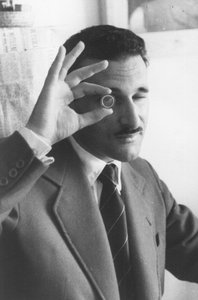
ernesto de sousa
1921 - 1988 , Portugal
Quick Facts
- Artistic Movement Or Style: Figure painting, chronicler
- Artists Or Movements Influenced By This Artist: ['Puhl & Wagner']
- Artists Who Influenced This Artist:
- Robert Clark
- Leon Golub
- Date Of Birth: June 8, 1921
- Full Name: LeRoy Neiman
- Nationality: American
- Notable Artworks:
- Idle Boats
- Man at His Leisure
- Place Of Birth: Saint Paul, Minnesota
Related Articles

Monochrome Visions: Exploring the Aesthetic & Historical Significance of Black & White Photography
Explore the rich history & artistic power of black and white photography. From early techniques to iconic masters like Ansel Adams, discover why monochrome continues to captivate art lovers today. Expert insights for collectors.
White on Canvas: 10 Masterpieces & Timeless Elegance for Your Home Decor
Explore 10 iconic white paintings by Monet, Whistler & Rothko! Discover the stories behind these serene masterpieces and their impact on art history. Find museum-quality reproductions for your home decor at .
Beyond the Lens: Photography's Enduring Influence on Modern & Contemporary Art
Explore photography's pivotal role in shaping modern & contemporary art. Discover key movements, influential artists like Stieglitz, and expert collecting advice from ArtsDot.

Dark Masterpieces: 10 Iconic Paintings Dominated by Black Tones |
Explore 10 iconic paintings dominated by black tones, from Rembrandt’s chiaroscuro to Goya's dark expressions. Discover the stories behind these masterpieces & find museum-quality art reproductions for your home at .

Pictorialism: A Search for Artistic Photography's Soul – Aesthetics, Techniques & Legacy
Explore the captivating world of Pictorialism – a pivotal movement that transformed photography into fine art. Discover key artists like Stieglitz & Käsebier, techniques, and collecting tips from experts.