 Preview
 Send
Send Share
Share
 Details

 Download
 Similars
 X-Ray
X-Ray Diaporama
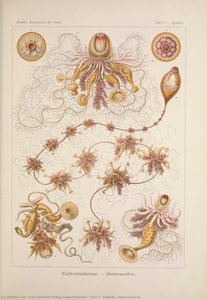
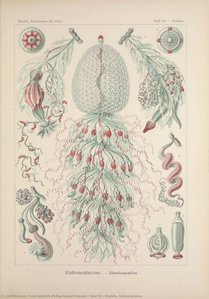
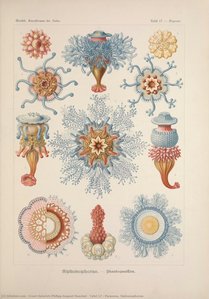
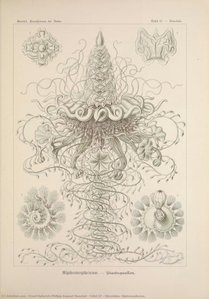
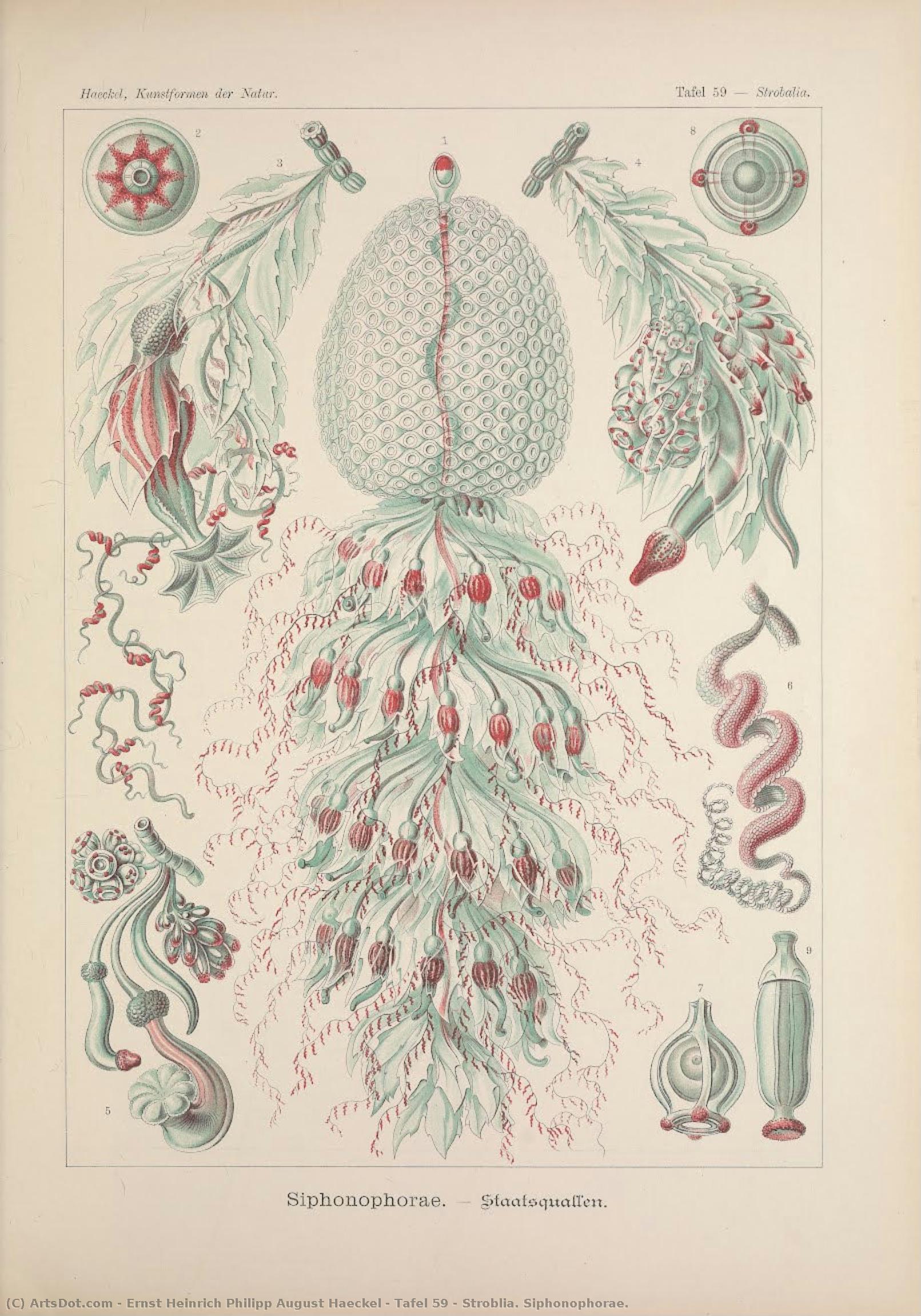
Tafel 59 - Stroblia. Siphonophorae.


 Read More
Hand Made Oil Reproduction
Hand-painted oil on canvas in your size and frame, made to order by our artists. ( Buy Print Buy Image)




P118B $10

P118H $10

P118W $10

P438Z $10

P508JH $12

P508YH $12

P805H $10

P805Z $10

P919BZ $10

P919G $10

P919XJ $10

P959ZH $10

P968JZ $12

W106C $8

W218G $10

W218JH $8

W218Y $10

W307PJ $10

W316G $10

W316PJ $8

W316Y $10

W398PJ $8

W4111J $10

W500HY $15

W500JH $15

W692G $12

W849H $8

W940BG $15

W953PJ $8




Pick from our preset sizes that match the artwork's original proportions.

You may enter your own dimensions to fit a specific frame or space. If your selected size does not match the original image's proportions, we will either crop the artwork or extend the painting with additional hand-painted elements. A digital mockup will be sent for your approval before production begins.
Please note that the on-screen preview does not reflect the actual cropping or extension. Only the mockup will accurately show the final composition.
While custom sizes are available, we recommend selecting a dimension from the predefined list to preserve the original proportions.
After order, ArtsDot.com team will email client for instructions and provide a mockup preview
Worldwide Delivery () in 3/4 weeks instead of standard 5 weeks. (21 August). No compromise on quality.

Free Worldwide Express Shipping

High-Quality Linen Canvas

Full Shipping Insurance

Customs Tax Refund Guarantee

True Color Matching Guarantee

60-Day Return Policy (Defects Only)

100% Money-Back Guarantee

Bulk Discount Offer
 Glass option is only available in size under 110 CM

Tafel 59 - Stroblia. Siphonophorae.
Reproduction Medium
Reproduction Size
-


Total Price
$ 263
Artwork Description
A Glimpse into the Microcosm: Ernst Haeckel's "Tafel 59 - Stroblia. Siphonophorae."
Ernst Haeckel’s “Tafel 59 – Stroblia. Siphonophorae,” a plate from his monumental work *Kunstformen der Natur* (Art Forms of Nature), is far more than a scientific illustration; it's a breathtaking fusion of art and science, a window into the astonishing beauty hidden within the microscopic world. Created in 1904, this black-and-white lithograph captures the intricate structure of siphonophores – colonial marine organisms—with an almost obsessive level of detail. Haeckel, a renowned zoologist, philosopher, and artist, sought to reveal the underlying mathematical harmonies and aesthetic principles governing natural forms, believing that nature itself was a manifestation of artistic creation.
The Science Behind the Art: Siphonophores and Haeckel's Vision
Siphonophores are fascinating creatures—not single organisms but colonies of specialized individuals working together as a unified whole. They drift through the ocean depths, resembling ethereal jellyfish or delicate plants. Haeckel’s meticulous rendering reveals their complex anatomy: individual zooids (tiny polyps and medusae) arranged in precise patterns to form elaborate structures like gas-filled floats and stinging tentacles. He wasn't merely documenting; he was celebrating the ingenuity of evolution. *Kunstformen der Natur* itself was born from Haeckel’s desire to popularize Charles Darwin’s theory of evolution, demonstrating its elegance and beauty through visual representation. He believed that by showcasing these intricate forms, he could inspire a deeper appreciation for the natural world and foster scientific understanding among a wider audience.
A Style Bridging Science and Art Nouveau
The style of "Tafel 59" is unique—a blend of precise scientific illustration and the burgeoning aesthetic sensibilities of the Art Nouveau movement. Haeckel’s technique involved careful observation through microscopes, followed by detailed hand-drawing and lithography. The resulting image possesses a remarkable clarity and precision, capturing every nuance of form with astonishing accuracy. Yet, it's not merely a technical exercise; there is an undeniable artistic sensibility at play. The symmetrical arrangements, flowing lines, and intricate patterns echo the decorative motifs characteristic of Art Nouveau, which was heavily influenced by natural forms. The stark contrast between black and white further enhances the image’s graphic power, creating a visually striking composition that transcends its scientific purpose.
Symbolism and Emotional Resonance
Beyond its scientific and artistic merits, "Tafel 59" evokes a sense of wonder and awe at the complexity and beauty of life. The sheer intricacy of the siphonophore colony—a vast network of interconnected individuals—hints at the profound interconnectedness of all living things. The image invites contemplation on themes of unity, cooperation, and the hidden order within apparent chaos. There's a certain melancholy too; these delicate creatures exist in a realm largely unseen by human eyes, their existence both fragile and resilient. The stark black-and-white palette lends an air of timelessness, suggesting that these forms have existed for millennia, silently drifting through the ocean depths.
A Legacy Enduring Through Time
*Kunstformen der Natur* remains a landmark achievement in both science and art, and "Tafel 59 – Stroblia. Siphonophorae" stands as one of its most captivating examples. It’s a testament to Haeckel's vision—a synthesis of scientific inquiry and artistic expression that continues to inspire artists, designers, and scientists alike. Owning a reproduction of this remarkable plate is not just acquiring a beautiful image; it’s possessing a piece of history, a window into the mind of a visionary scientist, and a celebration of the boundless beauty found within the natural world.
Related Artworks
Artist Biography
Ernst Haeckel: A Pioneer of Biology and Artistic Vision
Ernst Heinrich Philipp August Haeckel (1834-1919) stands as a monumental figure in the annals of science and art, a man whose relentless curiosity and profound insights reshaped our understanding of life itself. Born into a family steeped in legal tradition in Potsdam, Prussia – a lineage that included prominent lawyers – Haeckel’s early fascination with the natural world quickly eclipsed any inherited legal aspirations. He possessed an innate drive to observe, classify, and ultimately, comprehend the intricate tapestry of existence, a passion nurtured by his mother's love for botany and a childhood spent collecting specimens. This formative period laid the groundwork for a career that would span decades, yielding groundbreaking discoveries in zoology, marine biology, philosophy, and, crucially, a uniquely compelling visual language. Haeckel’s legacy isn’t solely rooted in scientific advancement; it’s inextricably linked to his extraordinary artistic talent, particularly evident in his meticulously rendered illustrations – works that profoundly influenced the burgeoning Art Nouveau movement.Early Life and Scientific Foundations
Haeckel's formal education began at the Domgymnasium, a prestigious cathedral school in Merseburg, where he demonstrated an exceptional aptitude for learning and a remarkable independence of thought. He then pursued studies in medicine at Berlin and Würzburg, immersing himself in the rigorous disciplines of anatomy and physiology under esteemed mentors like Albert von Kölliker, Franz Leydig, Rudolf Virchow, and Johannes Peter Müller. These formative years instilled within him a deep respect for scientific methodology and a fascination with the underlying principles governing the natural world. Crucially, his encounter with Charles Darwin’s *On the Origin of Species* in 1860 served as a catalyst, igniting a fervent commitment to evolutionary theory and shaping his subsequent research trajectory. Haeckel quickly recognized the transformative potential of Darwin's ideas and dedicated himself to popularizing and expanding upon them within Germany – a role that would both elevate him to prominence and ultimately lead to controversy.Revolutionary Discoveries and the Recapitulation Theory
Haeckel’s scientific career blossomed during his tenure as professor of zoology at the University of Jena, beginning in 1861. He embarked on extensive expeditions – traversing the Canary Islands, Mediterranean Sea, Norway, Croatia, Egypt, Turkey, and Greece – meticulously documenting thousands of previously unknown species, primarily within the realms of radiolaria and medusae. His systematic approach to classification resulted in the naming of nearly seven hundred new marine invertebrates, solidifying his reputation as a leading authority in his field. Perhaps Haeckel’s most enduring contribution lies in his development of the “recapitulation theory,” often referred to as “ontogeny recapitulates phylogeny.” This provocative concept posited that an organism's embryonic development mirrors its evolutionary history – essentially suggesting that a creature briefly embodies all stages of its lineage. While now largely discredited due to subsequent discoveries in genetics, this theory, powerfully illustrated through his stunning artistic renderings, captivated the public imagination and profoundly influenced scientific thought at the time. His detailed illustrations, particularly those found in *Kunstformen der Natur* (Art Forms of Nature), weren’t merely depictions of marine life; they were visual arguments for his evolutionary theories, showcasing a remarkable synthesis of science and art.Artistic Influence and ‘Kunstformen der Natur’
Beyond his scientific achievements, Haeckel was a gifted artist whose illustrations transcended the boundaries of mere documentation. *Kunstformen der Natur* (1897), a monumental work comprising over 100 meticulously rendered plates, stands as a testament to his artistic vision and scientific rigor. These images – depicting everything from jellyfish and sea urchins to insects and plants – are not simply beautiful; they’re imbued with a sense of dynamism and evolutionary narrative. Haeckel's ability to capture the essence of each organism through precise detail and evocative composition profoundly influenced the Art Nouveau movement, which embraced organic forms, flowing lines, and a celebration of nature’s beauty. His work demonstrated that scientific observation could be elevated to an art form, creating a powerful bridge between the natural world and artistic expression. The influence can still be seen in contemporary design and illustration today.Controversies and Lasting Legacy
Despite his significant contributions to science and art, Haeckel’s career was not without controversy. His fervent advocacy for Darwinism often clashed with religious dogma, and he became embroiled in heated debates regarding the origins of humanity. Furthermore, Haeckel embraced ideas rooted in scientific racism – a disturbing aspect of his legacy that demands careful consideration. He promoted the concept of “racial hygiene,” advocating for selective breeding to improve the perceived genetic quality of populations. These views are unequivocally reprehensible and should not be excused or minimized. However, it’s crucial to acknowledge that Haeckel's work was produced within a specific historical context – a time when scientific ideas were rapidly evolving, often influenced by prevailing social biases. Despite these troubling aspects, Ernst Haeckel remains a pivotal figure in the history of science, an artist whose illustrations continue to inspire awe and wonder, and a complex individual whose life and work warrant continued scrutiny and critical engagement. His legacy is one of both remarkable achievement and profound ethical challenges, reminding us that scientific progress must always be tempered by moral responsibility.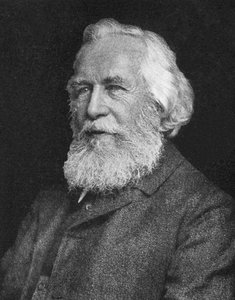
ernst heinrich philipp august haeckel
1834 - 1919 , Germany
Quick Facts
- Artistic Movement Or Style: Art Nouveau influence
- Artists Or Movements Influenced By This Artist: ['Art Nouveau']
- Artists Who Influenced This Artist: ['Charles Darwin']
- Date Of Birth: February 16, 1834
- Date Of Death: August 9, 1919
- Full Name: Ernst Heinrich Philipp August Haeckel
- Nationality: German
- Notable Artworks:
- Kunstformen der Natur
- Tafel 7 - Epibulia. Siphonophorae
- Place Of Birth: Potsdam, Germany
Related Articles
Max Ernst's Masterpieces: 25 Surreal Visions for Art Lovers & Home Decor
Journey into the surreal world of Max Ernst! Explore 25 iconic paintings, from Dada to abstract expressionism. Discover the stories behind his masterpieces & find museum-quality art reproductions for your home decor at ArtsDot.com.

Cézanne's Masterpieces: 25 Iconic Artworks to Transform Your Space
Journey through 25 iconic artworks by Paul Cézanne – a master of Impressionism and Post-Impressionism. Explore his landscapes, still lifes, and the stories behind these timeless masterpieces. Discover museum-quality reproductions & curated decor at ArtsDot.com.
Fernand Léger's Masterpieces: 25 Iconic Paintings & The Machine Age Aesthetic | ArtsDot
Explore 25 iconic Fernand Léger paintings that defined the Machine Age & Cubism. Discover the stories behind his bold colors, geometric forms & avant-garde style. Find museum-quality art reproductions on ArtsDot.com.
Henry Moore: Sculpting Modernity – Form, Emotion & the Human Condition
Explore the revolutionary sculptures of Henry Moore – abstract forms, reclining figures & powerful expressions of the human condition. Discover his legacy & artistic process with ArtsDot.
Kandinsky's Masterpieces: 25 Paintings That Define Abstract Art | ArtsDot
Journey through Wassily Kandinsky's 25 most iconic abstract paintings. Explore his revolutionary use of color, form & spiritual expressionism. Find museum-quality Kandinsky reproductions and elevate your home decor with ArtsDot.com. Discover all masterpieces on ArtsDot.com!