 Preview
 Send
Send Share
Share
 Details

 Download
 Similars
 X-Ray
X-Ray Diaporama
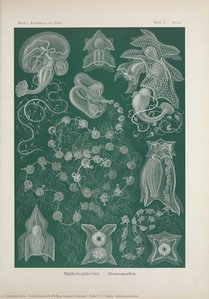
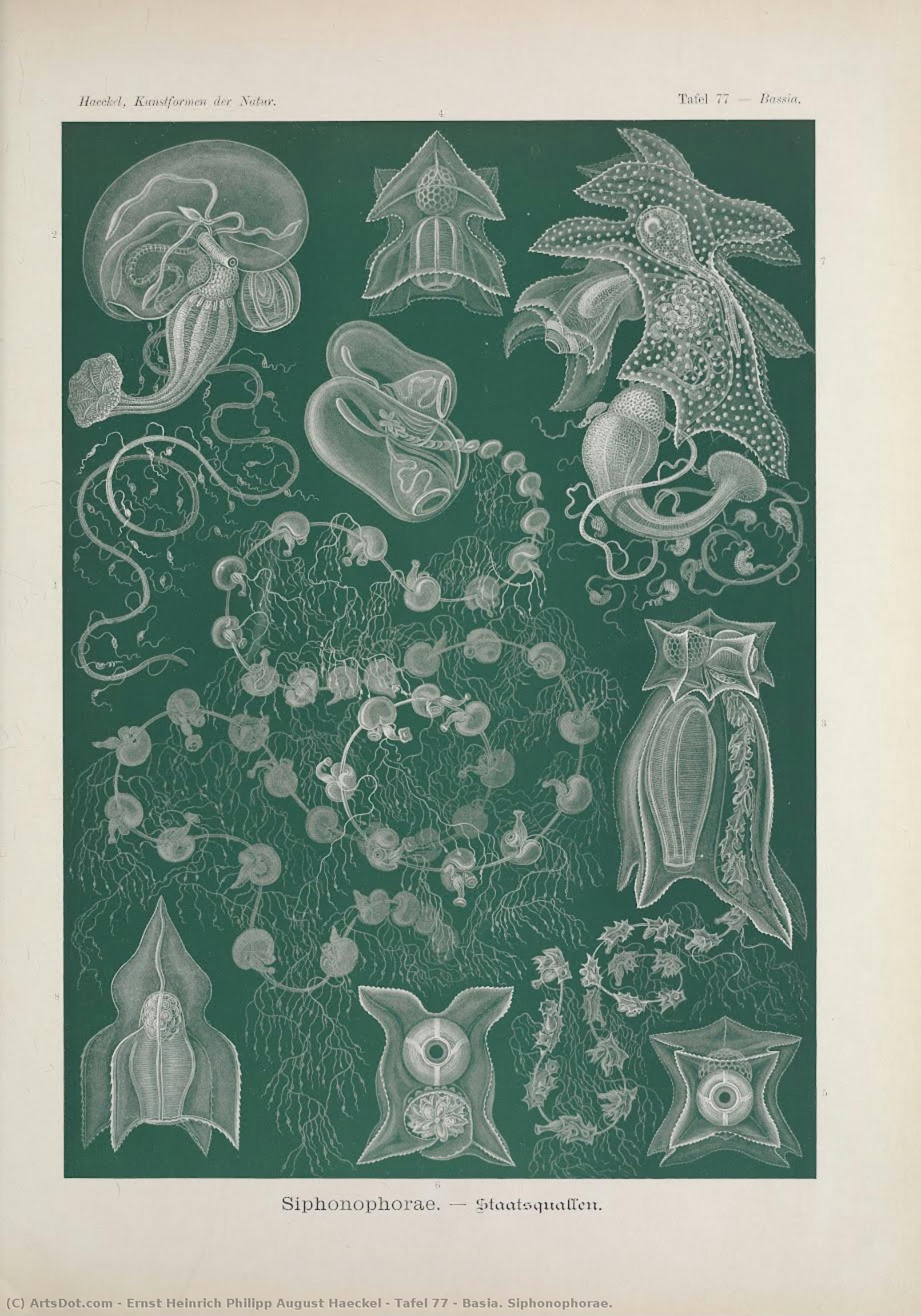
Tafel 77 - Basia. Siphonophorae.


 Read More
Hand Made Oil Reproduction
Hand-painted oil on canvas in your size and frame, made to order by our artists. ( Buy Print Buy Image)




P118B $10

P118H $10

P118W $10

P438Z $10

P508JH $12

P508YH $12

P805H $10

P805Z $10

P919BZ $10

P919G $10

P919XJ $10

P959ZH $10

P968JZ $12

W106C $8

W218G $10

W218JH $8

W218Y $10

W307PJ $10

W316G $10

W316PJ $8

W316Y $10

W398PJ $8

W4111J $10

W500HY $15

W500JH $15

W692G $12

W849H $8

W940BG $15

W953PJ $8




Pick from our preset sizes that match the artwork's original proportions.

You may enter your own dimensions to fit a specific frame or space. If your selected size does not match the original image's proportions, we will either crop the artwork or extend the painting with additional hand-painted elements. A digital mockup will be sent for your approval before production begins.
Please note that the on-screen preview does not reflect the actual cropping or extension. Only the mockup will accurately show the final composition.
While custom sizes are available, we recommend selecting a dimension from the predefined list to preserve the original proportions.
After order, ArtsDot.com team will email client for instructions and provide a mockup preview
Worldwide Delivery () in 3/4 weeks instead of standard 5 weeks. (17 August). No compromise on quality.

Free Worldwide Express Shipping

High-Quality Linen Canvas

Full Shipping Insurance

Customs Tax Refund Guarantee

True Color Matching Guarantee

60-Day Return Policy (Defects Only)

100% Money-Back Guarantee

Bulk Discount Offer
 Glass option is only available in size under 110 CM

Tafel 77 - Basia. Siphonophorae.
Reproduction Medium
Reproduction Size
-


Total Price
$ 263
Artwork Description
A Window into Victorian Scientific Wonder: Haeckel’s “Tafel 77 – Basia. Siphonophorae”
Ernst Haeckel's "Tafel 77 - Basia. Siphonophorae," a deceptively simple black and white photograph capturing a meticulously rendered watercolor painting, transcends mere botanical illustration; it embodies the spirit of Victorian scientific inquiry and artistic innovation. Created in 1904, this artwork represents more than just a depiction of jellyfish – siphonophores – it’s a testament to Haeckel's groundbreaking approach to visualizing complex biological phenomena. The photograph itself serves as an elegant gateway into understanding Haeckel’s vision, showcasing the intricate detail achieved through his artistic process.The Science Behind the Beauty: Haeckel’s Biological Philosophy
Ernst Heinrich Philipp August Haeckel (1834-1919), a German biologist and philosopher, revolutionized our comprehension of life's interconnectedness. Driven by an unwavering belief in Darwinian evolution – though he vehemently opposed Mendel’s genetic theory – Haeckel championed the concept of “Ontogeny recapitulates phylogeny,” arguing that embryonic development mirrors evolutionary history. This philosophical stance profoundly influenced his artistic endeavors, prompting him to seek visual representations that communicated scientific truths with unparalleled clarity and beauty. He wasn't merely documenting organisms; he was striving to convey their fundamental relationships within the grand scheme of nature.Technique and Style: Victorian Watercolor Precision
The watercolor painting itself exemplifies the meticulous craftsmanship characteristic of Victorian botanical illustration. Haeckel’s studio assistants painstakingly recreated the jellyfish specimens using delicate washes of pigment, layering translucent hues to capture subtle variations in texture and luminescence. The resulting image possesses a remarkable level of realism, achieved through careful observation and painstaking execution. Notice the masterful use of shading—a hallmark of Art Nouveau aesthetics—to sculpt the forms of the jellyfish and create depth within the composition. This technique reflects Haeckel’s commitment to scientific accuracy combined with an appreciation for artistic elegance.Symbolism: Jellyfish as Representations of Complexity and Transformation
Beyond its technical brilliance, “Tafel 77” carries symbolic weight. Jellyfish, often perceived as ethereal and vulnerable creatures drifting aimlessly in the ocean currents, represent both fragility and adaptability—themes central to Haeckel’s philosophical framework. Their pulsating bells and trailing tentacles symbolize dynamism and transformation, mirroring the ceaseless processes of evolution. The artist deliberately chose this subject matter to illustrate the interconnectedness of life forms and the constant flux inherent in biological systems.Emotional Resonance: A Legacy of Wonder
Viewing this reproduction evokes a feeling of quiet contemplation—a connection to the natural world and an appreciation for scientific discovery. Haeckel’s artwork speaks to our innate fascination with the mysteries of life, reminding us that even seemingly insignificant organisms hold profound secrets about the history of our planet. Like many Victorian artworks, “Tafel 77 – Basia. Siphonophorae” invites viewers to contemplate the beauty and complexity of existence—a legacy that continues to inspire artists and collectors alike.Related Artworks
Artist Biography
Ernst Haeckel: A Pioneer of Biology and Artistic Vision
Ernst Heinrich Philipp August Haeckel (1834-1919) stands as a monumental figure in the annals of science and art, a man whose relentless curiosity and profound insights reshaped our understanding of life itself. Born into a family steeped in legal tradition in Potsdam, Prussia – a lineage that included prominent lawyers – Haeckel’s early fascination with the natural world quickly eclipsed any inherited legal aspirations. He possessed an innate drive to observe, classify, and ultimately, comprehend the intricate tapestry of existence, a passion nurtured by his mother's love for botany and a childhood spent collecting specimens. This formative period laid the groundwork for a career that would span decades, yielding groundbreaking discoveries in zoology, marine biology, philosophy, and, crucially, a uniquely compelling visual language. Haeckel’s legacy isn’t solely rooted in scientific advancement; it’s inextricably linked to his extraordinary artistic talent, particularly evident in his meticulously rendered illustrations – works that profoundly influenced the burgeoning Art Nouveau movement.Early Life and Scientific Foundations
Haeckel's formal education began at the Domgymnasium, a prestigious cathedral school in Merseburg, where he demonstrated an exceptional aptitude for learning and a remarkable independence of thought. He then pursued studies in medicine at Berlin and Würzburg, immersing himself in the rigorous disciplines of anatomy and physiology under esteemed mentors like Albert von Kölliker, Franz Leydig, Rudolf Virchow, and Johannes Peter Müller. These formative years instilled within him a deep respect for scientific methodology and a fascination with the underlying principles governing the natural world. Crucially, his encounter with Charles Darwin’s *On the Origin of Species* in 1860 served as a catalyst, igniting a fervent commitment to evolutionary theory and shaping his subsequent research trajectory. Haeckel quickly recognized the transformative potential of Darwin's ideas and dedicated himself to popularizing and expanding upon them within Germany – a role that would both elevate him to prominence and ultimately lead to controversy.Revolutionary Discoveries and the Recapitulation Theory
Haeckel’s scientific career blossomed during his tenure as professor of zoology at the University of Jena, beginning in 1861. He embarked on extensive expeditions – traversing the Canary Islands, Mediterranean Sea, Norway, Croatia, Egypt, Turkey, and Greece – meticulously documenting thousands of previously unknown species, primarily within the realms of radiolaria and medusae. His systematic approach to classification resulted in the naming of nearly seven hundred new marine invertebrates, solidifying his reputation as a leading authority in his field. Perhaps Haeckel’s most enduring contribution lies in his development of the “recapitulation theory,” often referred to as “ontogeny recapitulates phylogeny.” This provocative concept posited that an organism's embryonic development mirrors its evolutionary history – essentially suggesting that a creature briefly embodies all stages of its lineage. While now largely discredited due to subsequent discoveries in genetics, this theory, powerfully illustrated through his stunning artistic renderings, captivated the public imagination and profoundly influenced scientific thought at the time. His detailed illustrations, particularly those found in *Kunstformen der Natur* (Art Forms of Nature), weren’t merely depictions of marine life; they were visual arguments for his evolutionary theories, showcasing a remarkable synthesis of science and art.Artistic Influence and ‘Kunstformen der Natur’
Beyond his scientific achievements, Haeckel was a gifted artist whose illustrations transcended the boundaries of mere documentation. *Kunstformen der Natur* (1897), a monumental work comprising over 100 meticulously rendered plates, stands as a testament to his artistic vision and scientific rigor. These images – depicting everything from jellyfish and sea urchins to insects and plants – are not simply beautiful; they’re imbued with a sense of dynamism and evolutionary narrative. Haeckel's ability to capture the essence of each organism through precise detail and evocative composition profoundly influenced the Art Nouveau movement, which embraced organic forms, flowing lines, and a celebration of nature’s beauty. His work demonstrated that scientific observation could be elevated to an art form, creating a powerful bridge between the natural world and artistic expression. The influence can still be seen in contemporary design and illustration today.Controversies and Lasting Legacy
Despite his significant contributions to science and art, Haeckel’s career was not without controversy. His fervent advocacy for Darwinism often clashed with religious dogma, and he became embroiled in heated debates regarding the origins of humanity. Furthermore, Haeckel embraced ideas rooted in scientific racism – a disturbing aspect of his legacy that demands careful consideration. He promoted the concept of “racial hygiene,” advocating for selective breeding to improve the perceived genetic quality of populations. These views are unequivocally reprehensible and should not be excused or minimized. However, it’s crucial to acknowledge that Haeckel's work was produced within a specific historical context – a time when scientific ideas were rapidly evolving, often influenced by prevailing social biases. Despite these troubling aspects, Ernst Haeckel remains a pivotal figure in the history of science, an artist whose illustrations continue to inspire awe and wonder, and a complex individual whose life and work warrant continued scrutiny and critical engagement. His legacy is one of both remarkable achievement and profound ethical challenges, reminding us that scientific progress must always be tempered by moral responsibility.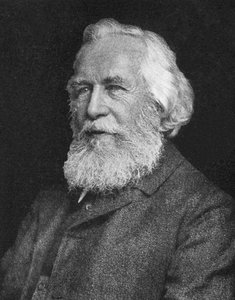
ernst heinrich philipp august haeckel
1834 - 1919 , Germany
Quick Facts
- Artistic Movement Or Style: Art Nouveau influence
- Artists Or Movements Influenced By This Artist: ['Art Nouveau']
- Artists Who Influenced This Artist: ['Charles Darwin']
- Date Of Birth: February 16, 1834
- Date Of Death: August 9, 1919
- Full Name: Ernst Heinrich Philipp August Haeckel
- Nationality: German
- Notable Artworks:
- Kunstformen der Natur
- Tafel 7 - Epibulia. Siphonophorae
- Place Of Birth: Potsdam, Germany
Related Articles
Max Ernst's Masterpieces: 25 Surreal Visions for Art Lovers & Home Decor
Journey into the surreal world of Max Ernst! Explore 25 iconic paintings, from Dada to abstract expressionism. Discover the stories behind his masterpieces & find museum-quality art reproductions for your home decor at ArtsDot.com.
The Refined Aesthetic of Victorian Illustration: A Study in Narrative & Technique
Explore the captivating world of Victorian illustration! Discover Pre-Raphaelite influences, key artists like Rossetti & Stephens, and the era's rich narrative detail. A deep dive for art enthusiasts.
Edmund Dulac: A Master of Golden Age Illustration – Exploring Myth, Symbolism & Art Nouveau Legacy
Explore the captivating world of Edmund Dulac, a master of Golden Age illustration! Discover his enchanting fairy tales, Art Nouveau style, and lasting influence on art & design. Learn about *The Rubaiyat* and more.
Kay Rasmus Nielsen: A Golden Age Illustrator's Enchanting Legacy of Symbolism & Narrative
Explore the captivating world of Kay Rasmus Nielsen, a celebrated Golden Age illustrator renowned for his Art Nouveau fairy tale art & Disney contributions. Discover his unique style, enduring legacy, and how to collect his enchanting works.
The Enduring Power of Illustration: A Historical Survey of Narrative Art & Visual Storytelling
Explore the rich history of illustration! From ancient cave paintings to Art Nouveau masterpieces, discover how visual storytelling has shaped culture. Expert insights & stunning examples.