The Dawn of Visual Narrative: Prehistoric Cave Paintings & Ancient Storytelling
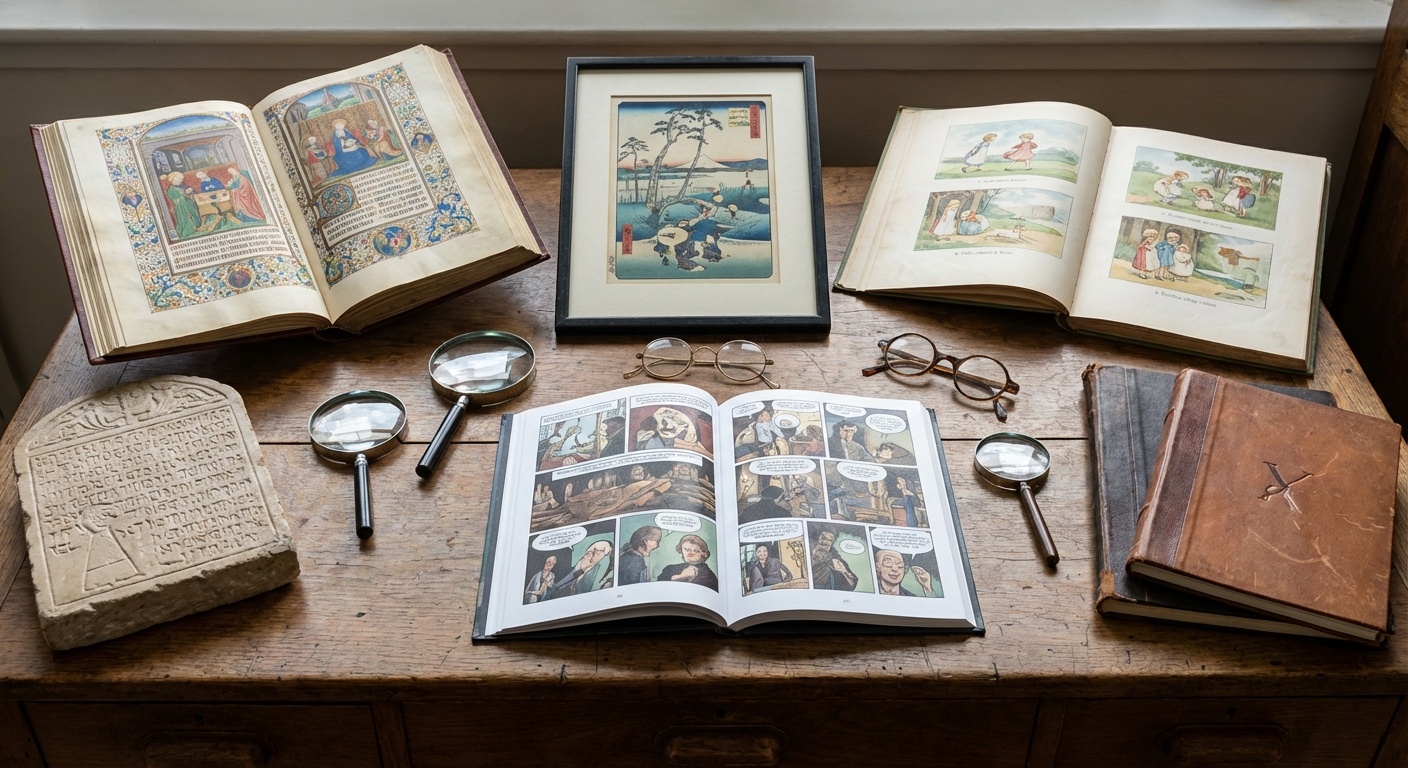
Visual communication is the use of visual elements to convey ideas and information which include (but are not limited to) signs, typography, drawing, graphic design, illustration, industrial design, advertising, animation, and electronic resources. ...
Long before the written word, humanity communicated through images. The flickering torchlight illuminating the walls of caves like Lascaux and Altamira wasn’t merely revealing depictions of bison, horses, and mammoths; it was unveiling a nascent form of storytelling. These weren't simply records of successful hunts, but likely complex narratives – perhaps ritualistic accounts, cosmological beliefs, or even early forms of shamanic practice. The power of these images lies in their immediacy, their ability to transcend language barriers and connect us directly with the minds of our ancestors. Consider the deliberate placement of animals, the dynamic energy captured in their forms, and the use of natural pigments – ochre, charcoal, manganese dioxide – ground and applied with remarkable skill. These early artists weren’t just replicating reality; they were interpreting it, imbuing it with meaning, and creating a visual language that would lay the foundation for all subsequent artistic expression.
Illumination & Medieval Manuscripts: Preserving Knowledge Through Art
 abdur rahman chughtai
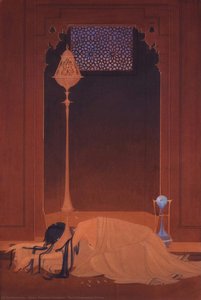
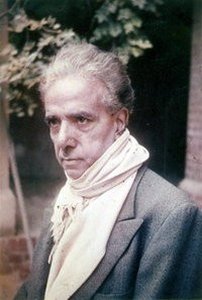
Explore the unique art of Abdur Rahman Chughtai (1894-1975), Pakistan's national artist, known for his distinctive style blending Mughal, miniature painting, and Art Nouveau influences. Discover his captivating depictions of Islamic history, folklore
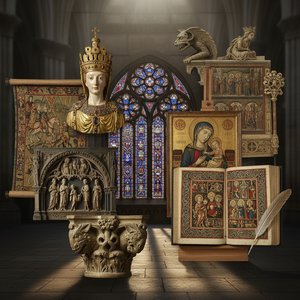
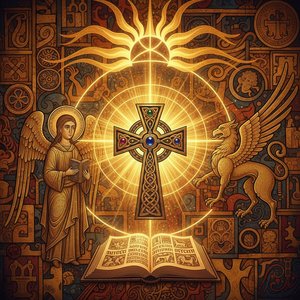
As civilizations rose and fell, the art of illustration found new purpose in the preservation of knowledge. The medieval manuscript, painstakingly crafted by monks and scribes, represents a pinnacle of dedication and artistry. These weren’t simply books; they were objects of immense spiritual and cultural value. The elaborate illuminations – miniature paintings adorning the pages – served not only to enhance the text but also to visually reinforce its message. Think of the Book of Kells, with its intricate knotwork, vibrant colors, and fantastical creatures. Each detail was imbued with symbolism: the swirling patterns representing eternity, the gold leaf signifying divine light, the carefully rendered figures embodying biblical narratives. The act of creating these manuscripts was a sacred one, a testament to faith and a commitment to preserving learning during a period often characterized by upheaval and uncertainty. The artistry wasn’t merely decorative; it *was* integral to understanding the text itself.
The Rise of Printmaking: Democratizing Images and Expanding Audiences (15th-19th Centuries)
The invention of the printing press in the 15th century revolutionized illustration, breaking the monopoly held by monastic scribes and ushering in an era of mass communication. Suddenly, images could be reproduced quickly and affordably, reaching a far wider audience than ever before. Woodcuts, engravings, and etchings became increasingly popular, allowing artists to disseminate their work beyond the confines of wealthy patrons and religious institutions. Albrecht Dürer, a master printmaker, exemplified this shift, creating intricate woodcut series like *Apocalypse* that combined powerful imagery with theological themes. The ability to replicate images also fueled scientific illustration – botanical studies, anatomical drawings, and maps became more accessible, contributing to the burgeoning Renaissance spirit of inquiry. This period saw a move towards greater realism in depiction, driven by both artistic ambition and the demands of accurate documentation.
The Golden Age of Illustration: From Victorian Fairy Tales to Art Nouveau's Flourish
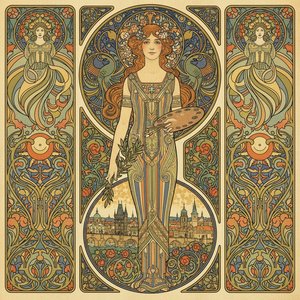 Alphonse Mucha: A Comprehensive Exploration of Art Nouveau's Master of Decorative Symbolism
Explore the life & art of Alphonse Mucha, master of Art Nouveau! Discover his iconic posters, stunning illustrations, and the monumental Slav Epic. A comprehensive guide for collectors & enthusiasts.
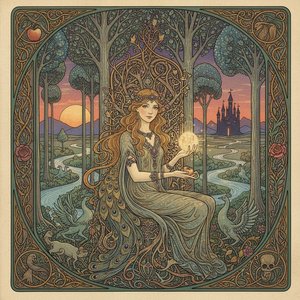
The 19th century witnessed a true golden age for illustration, fueled by advancements in printing technology and a growing middle class eager for visual entertainment. Victorian fairy tales, lavishly illustrated by artists like John Albert Bauer – whose *Prinsessan och trollen* evokes a haunting beauty with its depictions of Swedish folklore – captivated audiences with their enchanting imagery. Simultaneously, the Art Nouveau movement emerged as a reaction against industrialization and academic art, embracing organic forms, flowing lines, and decorative symbolism. Artists such as Alphonse Mucha redefined poster design with his elegant portraits of women surrounded by floral motifs, while Leopoldo Metlicovitz pioneered modern Italian graphic design through his striking opera posters. Helen Richards’ evocative pen & ink drawings captured the essence of legends and landscapes, demonstrating a mastery of line and atmosphere. This era celebrated craftsmanship, beauty, and the power of imagination.
Illustration in the 20th & 21st Centuries: New Styles, Technologies, and Cultural Impact
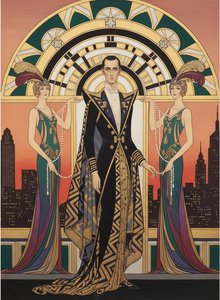 Erté: The Art Deco Visionary Who Defined Modern Glamour
Explore the glamorous world of Erté, the 'Father of Art Deco'. Discover his iconic fashion illustrations, stunning sculptures & enduring legacy. Expert insights for art collectors.
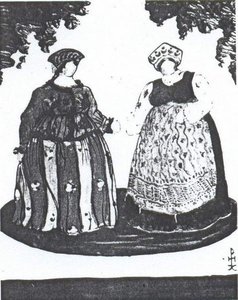
The 20th century brought unprecedented stylistic diversity to illustration, mirroring the rapid social and technological changes of the time. Art Deco, with its geometric forms and glamorous aesthetic – exemplified by Erté’s fashion illustrations – captured the spirit of the Jazz Age. Mid-century modern illustration embraced bold colors, simplified shapes, and a sense of optimism. The rise of photography challenged traditional illustration, but also spurred new approaches – photo-realism, collage, and mixed media techniques. Today, digital tools have further expanded the possibilities for illustrators, allowing them to create stunning works in a variety of styles. Illustration continues to play a vital role in advertising, publishing, animation, and graphic design, shaping our visual culture and reflecting contemporary concerns.
The Enduring Legacy: How Illustration Continues to Shape Our World
From the earliest cave paintings to the latest digital creations, illustration has consistently served as a powerful means of communication, storytelling, and artistic expression. It transcends language barriers, evokes emotions, and shapes our understanding of the world around us. The legacy of masters like Dürer, Mucha, and Erté continues to inspire artists today, while new generations are pushing the boundaries of the medium with innovative techniques and perspectives. Visual communication, as it is known, remains a fundamental aspect of human experience – a testament to our innate desire to create, share, and connect through images. At ArtsDot.com, we celebrate this enduring legacy by offering high-quality reproductions of iconic illustrations, allowing you to bring the beauty and power of these artworks into your own home. Explore our collection today and discover the captivating world of narrative art.