 Preview
 Send
Send Share
Share
 Details

 Download
 Similars
 X-Ray
X-Ray Diaporama
 Stats
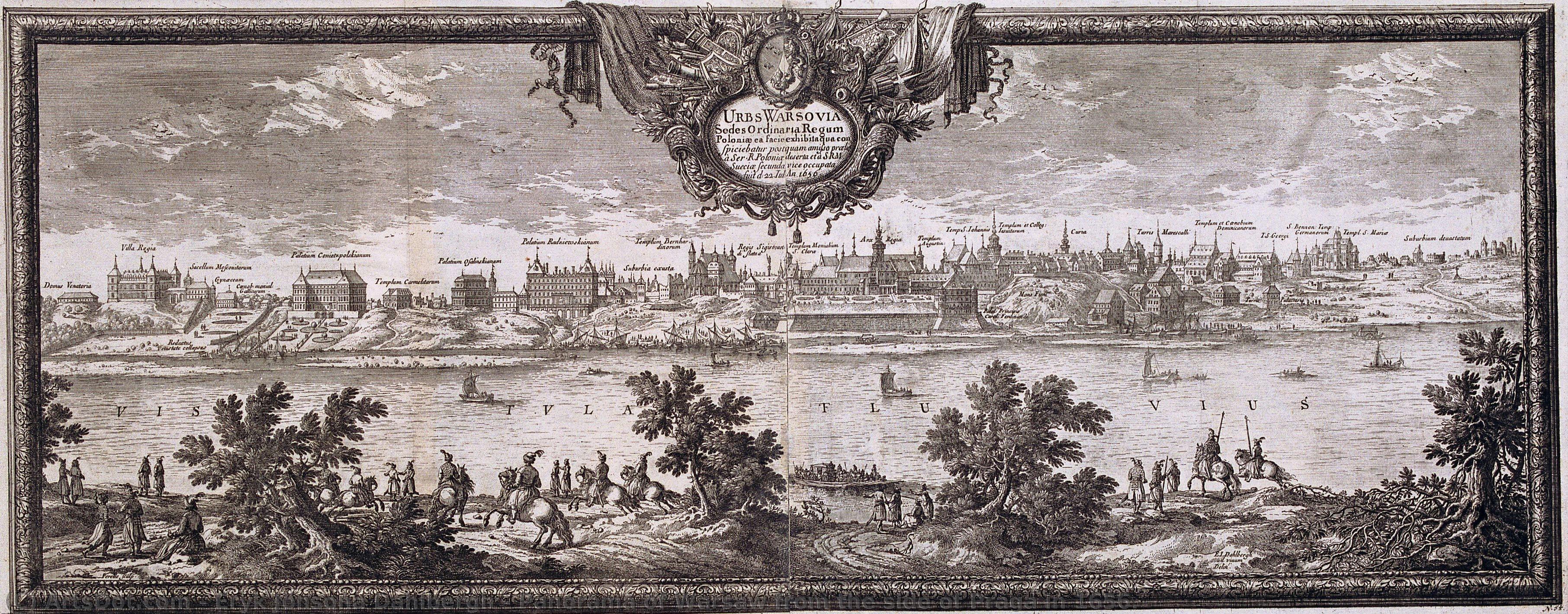
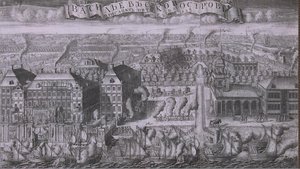
StatsPanorama of Warsaw from the side of Praga in 1656.


 Read More
Hand Made Oil Reproduction
Hand-painted oil on canvas in your size and frame, made to order by our artists. ( Switch to Print Switch to Digital Image)




































Pick from our preset sizes that match the artwork's original proportions.

You may enter your own dimensions to fit a specific frame or space. If your selected size does not match the original image's proportions, we will either crop the artwork or extend the painting with additional hand-painted elements. A digital mockup will be sent for your approval before production begins.
Please note that the on-screen preview does not reflect the actual cropping or extension. Only the mockup will accurately show the final composition.
While custom sizes are available, we recommend selecting a dimension from the predefined list to preserve the original proportions.
After order, ArtsDot.com team will email client for instructions and provide a mockup preview
Worldwide Delivery () in 3/4 weeks instead of standard 5 weeks. (9 September). No compromise on quality.

Free Worldwide Express Shipping

High-Quality Linen Canvas

Full Shipping Insurance

Customs Tax Refund Guarantee

True Color Matching Guarantee

100-Day Return Policy (Defects Only)

100% Money-Back Guarantee

Bulk Discount Offer
 Glass option is only available in size under 110 CM

Panorama of Warsaw from the side of Praga in 1656.
Reproduction Medium
Reproduction Size
-


Total Price
$ 263
Related Artworks



Artist Biography
Ludolf Backhuysen: Master of the Stormy Sea
Born in Emden, Germany, in 1631, Ludolf Backhuysen’s life was a testament to the allure and ambition of the burgeoning Dutch Golden Age. Initially destined for a clerical career, following in the footsteps of his father, he found himself drawn to the vibrant world of Amsterdam’s art scene. This shift wasn't merely a change of profession; it represented a profound embrace of artistic expression, ultimately shaping him into one of the most celebrated marine painters of his era. Backhuysen’s journey is marked by a fascinating blend of early apprenticeship and independent development, culminating in a distinctive style that captured the drama and power of the North Sea.
Early records suggest Backhuysen began his artistic training within the workshop of the merchant Guilielmo Bartolotti van den Heuvel. This association provided him with invaluable experience in portraiture and decorative painting – skills which would later inform his meticulous attention to detail and dramatic lighting. However, it was his time working for Uylenburgh that truly ignited his passion for maritime subjects. The wealth and influence of this merchant family afforded Backhuysen the freedom to explore his artistic vision, a crucial factor in establishing his unique approach.
Backhuysen’s paintings are instantly recognizable by their turbulent seas, rendered with an almost palpable sense of movement and energy. He wasn't simply depicting ships at sea; he was conveying the raw power of nature – the relentless waves, the swirling mists, and the ominous skies. His compositions often feature a dramatic interplay between light and shadow, creating a heightened sense of realism and emotional intensity. Unlike many of his contemporaries who favored idealized depictions of maritime life, Backhuysen embraced the darker, more perilous aspects of seafaring, reflecting the inherent risks faced by sailors and merchants alike.
A Distinctive Style: Innovation in Marine Painting
Backhuysen’s artistic style evolved significantly over his career. Initially influenced by the prevailing trends of the time – particularly the works of Willem van de Velde the Younger – he gradually developed a more individualistic approach. He moved away from the rigid, geometrically structured compositions favored by earlier marine painters and embraced a looser, more expressive style. His brushwork became increasingly dynamic, capturing the fleeting effects of wind and water with remarkable skill.
A key element of Backhuysen’s innovation lay in his use of color. He employed a rich, dark palette – dominated by blues, greens, and browns – to create a sense of depth and atmosphere. His seas weren't rendered in bright, cheerful hues; they were often shrouded in mist and shadow, conveying the feeling of isolation and vulnerability. Furthermore, he masterfully depicted the textures of the sea – the foam of breaking waves, the glistening surface of the water, and the rough planks of a ship’s hull – adding to the realism and immediacy of his paintings.
Key Works & Influences
Several of Backhuysen's works stand out as particularly significant examples of his artistic achievement. “Ships in Distress off a Rocky Coast” (1667) is perhaps his most famous painting, capturing a dramatic scene of a ship battling a violent storm. The composition is meticulously detailed, with every wave and ripple rendered with precision. Similarly, "Fisherman with Pack on His Shoulder" showcases his ability to convey the rugged beauty of the coastal landscape and the stoic resilience of its inhabitants.
While Backhuysen’s work was undoubtedly influenced by earlier marine painters – particularly Willem van de Velde the Younger and Jan Brueghel the Elder – he ultimately forged his own distinctive style. His paintings were also informed by contemporary accounts of maritime life, as well as the growing interest in scientific observation and exploration during the Dutch Golden Age. The meticulous detail evident in his works reflects a deep engagement with the subject matter, demonstrating a keen eye for observation and a commitment to realism.
Legacy & Historical Significance
Ludolf Backhuysen’s contribution to the history of art is considerable. He elevated marine painting to new heights, capturing not only the visual spectacle of the sea but also its inherent drama and danger. His paintings served as important documents for maritime historians and navigators, providing valuable insights into the realities of seafaring life.
Despite his success, Backhuysen’s career was relatively short-lived. He died in 1695, leaving behind a substantial body of work that continues to captivate viewers today. His paintings are now housed in major museums around the world, including the National Gallery of Art in Washington D.C., and serve as enduring reminders of the artistic brilliance of the Dutch Golden Age.

eryk jönsona dahlbergh
1631 - 1695 , France
Quick Facts
- Artistic Movement Or Style: Genre Painting, Dutch Golden Age
- Artists Who Influenced This Artist: ['Rembrandt van Rijn']
- Date Of Birth: December 18, 1631
- Date Of Death: 1695
- Full Name: Ludolf Backhuysen
- Nationality: Dutch
- Notable Artworks:
- Ships in Distress off a Rocky Coast
- Fisherman with Pack on His Shoulder
- Place Of Birth: Emden, Germany