 Preview
 Send
Send Share
Share
 Details

 Download
 Similars
 X-Ray
X-Ray Diaporama
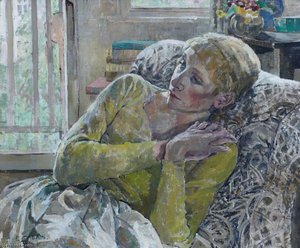
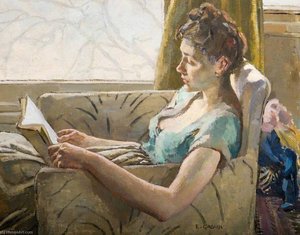
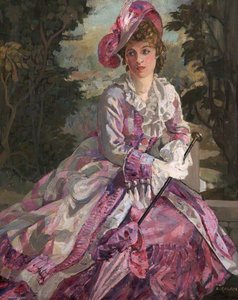
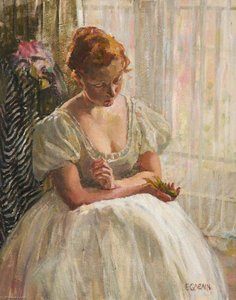
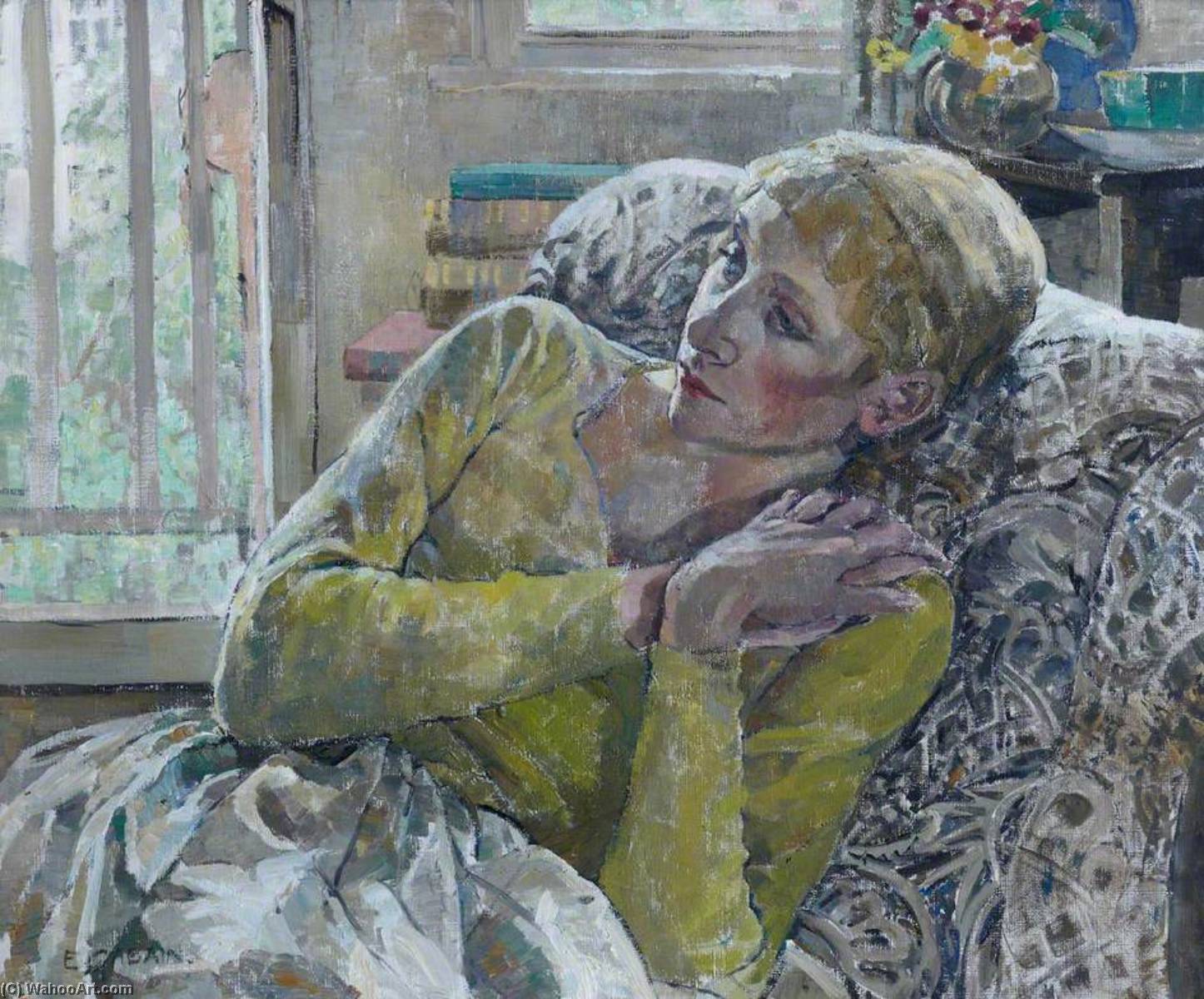
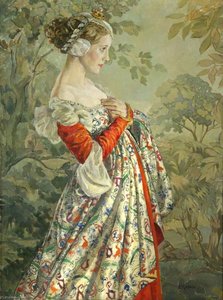
Après midi de jeune fille
 Oil On Canvas
- WallArt
- Contemporary Realism
 1936
1936 51.0 x 61.0 cm
 Royal Scottish Academy of Art - Architecture
 Read More
Hand Made Oil Reproduction
Hand-painted oil on canvas in your size and frame, made to order by our artists. ( Buy Print Buy Image)




P118B $10

P118H $10

P118W $10

P438Z $10

P508JH $12

P508YH $12

P805H $10

P805Z $10

P919BZ $10

P919G $10

P919XJ $10

P959ZH $10

P968JZ $12

W106C $8

W218G $10

W218JH $8

W218Y $10

W307PJ $10

W316G $10

W316PJ $8

W316Y $10

W398PJ $8

W4111J $10

W500HY $15

W500JH $15

W692G $12

W849H $8

W940BG $15

W953PJ $8




Pick from our preset sizes that match the artwork's original proportions.

You may enter your own dimensions to fit a specific frame or space. If your selected size does not match the original image's proportions, we will either crop the artwork or extend the painting with additional hand-painted elements. A digital mockup will be sent for your approval before production begins.
Please note that the on-screen preview does not reflect the actual cropping or extension. Only the mockup will accurately show the final composition.
While custom sizes are available, we recommend selecting a dimension from the predefined list to preserve the original proportions.
After order, ArtsDot.com team will email client for instructions and provide a mockup preview
Worldwide Delivery () in 3/4 weeks instead of standard 5 weeks. (29 August). No compromise on quality.

Free Worldwide Express Shipping

High-Quality Linen Canvas

Full Shipping Insurance

Customs Tax Refund Guarantee

True Color Matching Guarantee

60-Day Return Policy (Defects Only)

100% Money-Back Guarantee

Bulk Discount Offer
 Glass option is only available in size under 110 CM

Après midi de jeune fille
Reproduction Medium
Reproduction Size
-


Total Price
$ 263
Après midi de jeune fille – A Moment of Quiet Contemplation
Ethel Léontine Gabain’s “Après midi de jeune fille” (A Young Woman's Afternoon), completed circa 1936, isn’t merely a depiction of a woman seated in an armchair; it’s a distillation of mood and atmosphere—a snapshot of introspective stillness captured with remarkable precision. Painted in Neo-Romanticism style, Gabain eschewed grand narratives for subtle observation, prioritizing the emotional resonance of her subject matter over stylistic bravado. This decision speaks volumes about Gabain's artistic philosophy: to convey profound feeling through understated beauty. The painting’s immediate impact is one of serene melancholy. Gabain skillfully employs muted tones—primarily creams and browns—to create a sense of warmth and intimacy, mirroring the soft light filtering through the window onto her subject’s face. The woman herself occupies the center stage, gazing outwards with an expression that hints at thoughtfulness and perhaps wistful longing. Her posture is relaxed yet attentive, conveying a quiet dignity that transcends mere pose. Gabain's meticulous attention to detail—the folds of fabric draped across the chair, the delicate lattice pattern of the window frame—grounds the scene in tangible reality while simultaneously elevating it beyond the commonplace.Technique and Material Considerations
Gabain’s masterful technique is characterized by a thick impasto application of oil paint, particularly noticeable on the chair upholstery and around the edges of the canvas. This textural richness isn't simply decorative; it actively contributes to the painting’s emotional depth. The raised surface captures light in unexpected ways, creating shimmering highlights that illuminate the woman’s face and subtly emphasizing her gaze. Gabain’s layering of brushstrokes builds up volume and form, mirroring the contours of the human body and conveying a palpable sense of presence. Furthermore, Gabain's use of color is deliberate—avoiding jarring contrasts to foster an atmosphere of contemplative calm. The palette reflects Gabain’s sensitivity to light and shadow, capturing the nuances of interior illumination with remarkable accuracy.Historical Context and Artistic Influences
Gabain’s work emerged during a period of significant artistic experimentation in Britain, influenced by movements like Neo-Romanticism which sought to recapture the spirit of earlier Romantic painters—artists who prioritized emotion and imagination over strict realism. Gabain's exploration of psychological portraiture aligns with this trend, reflecting a fascination with capturing inner states rather than simply presenting external appearances. The painting’s quiet contemplation speaks to the broader cultural preoccupation with introspection during the interwar years, mirroring anxieties about societal change alongside an appreciation for beauty and solitude. Gabain’s membership in the Senefelder Club—a group of British artists dedicated to lithography—further illuminates her artistic sensibilities. Lithography, known for its tonal qualities and ability to reproduce images with exceptional fidelity, demanded a careful consideration of color and texture. Gabain's embrace of this medium underscores her commitment to conveying nuanced emotional expression through visual artistry.Symbolism: Window and Chair – Vessels of Reflection
The window serves as more than just a source of illumination; it symbolizes connection—a link between the interior world of contemplation and the external realm of experience. Gabain’s depiction captures this duality, suggesting that true understanding arises from observing both inner thoughts and outward surroundings. Similarly, the armchair represents comfort and solitude—a space for quiet reflection and introspection. The woman's gaze directs our attention inward, prompting us to consider themes of vulnerability, resilience, and the beauty found in moments of stillness. Gabain’s “Après midi de jeune fille” remains a testament to her ability to transform simple observation into profound artistic expression.Related Artworks



Artist Biography
A Life Etched in Light and Shadow
Ethel Léontine Gabain, a name perhaps less instantly recognizable than some of her contemporaries, nevertheless occupies a significant place in the narrative of early 20th-century British art. Born in Le Havre, France, in 1883 to a French father and Scottish mother, Gabain’s artistic journey was one of remarkable independence and quiet innovation. Her story is not simply that of a painter or printmaker, but of a woman navigating the complexities of an evolving art world while forging her own path with unwavering dedication. The blend of her heritage – a foot in both French artistic tradition and British sensibility – shaped a unique perspective reflected in her evocative works. From a young age, she demonstrated a keen aptitude for visual expression, nurtured during her education at Wycombe Abbey School where she was even commissioned to paint the headmistress, an early indication of her burgeoning talent. This foundation led her to further studies at the prestigious Slade School of Fine Art in London and later, Raphaël Collin’s studio in Paris, before returning to London to master the intricacies of lithography at the Central School of Arts and Crafts under F.E. Jackson.The Lithographic Revolution
Gabain's early career was profoundly defined by her mastery of lithography – a technique that allowed for a unique interplay of light, shadow, and texture. In an era where printmaking often played second fiddle to painting, Gabain distinguished herself as one of the few artists able to sustain a livelihood solely through the sale of her prints. This achievement speaks volumes about her skill and the compelling nature of her artistic vision. She wasn’t merely replicating images; she was crafting atmospheres, imbuing her lithographs with a distinctive moodiness that resonated with audiences. A pivotal moment in solidifying her commitment to this medium came with her founding membership in the Senefelder Club, an organization dedicated to promoting lithography as a legitimate and respected art form. The club provided a vital platform for artists working in printmaking, fostering collaboration and raising awareness of its potential. Gabain’s work from this period frequently featured melancholic young women, often depicted in solitary settings, their expressions hinting at unspoken stories and inner turmoil. Her favorite model, Carmen Watson, became the face of these introspective studies, posing for over sixty depictions – a testament to both her loyalty to her subject and the enduring power of that particular aesthetic.From Print to Canvas: A Shifting Landscape
The art world is rarely static, and Gabain’s career mirrored its evolving currents. Around 1924, facing economic pressures and a decline in the print market, she began to transition her focus towards oil painting. This shift wasn't born of dissatisfaction with lithography but rather a pragmatic response to changing circumstances. Her first exhibited oil painting, “Zinnias,” was met with critical acclaim, signaling a successful adaptation to a new medium. While she retained the sensitivity and atmospheric quality that characterized her prints, her paintings allowed for greater exploration of color and texture. This period also saw her develop a reputation for theatrical portraits, capturing the likenesses of prominent actresses like Peggy Ashcroft, Edith Evans, and Flora Robson – often portraying them in character, adding another layer of narrative depth to her work. These portraits weren’t simply representations of physical appearance; they were insightful studies of personality and performance.Recognition and a Legacy Forged in Resilience
Gabain's talent didn’t go unnoticed by the artistic establishment. She was elected to both the Royal Society of British Artists (RBA) in 1932 and the Royal Institute of Oil Painters in 1933, solidifying her position within the British art scene. Her portrait of Flora Robson as Lady Audley earned her the prestigious de Laszlo Silver Medal from the RBA, a testament to her skill as a portraitist. However, it was during World War II that Gabain’s work took on an even more poignant significance. Commissioned as a war artist, she created lithographs documenting the evacuation of children – most notably “The Evacuation of Children from Southend, Sunday 2nd July” – capturing the fear, uncertainty, and resilience of those affected by the conflict. In 1940, she further demonstrated her leadership within the art community by serving as president of the Society of Women Artists. Ethel Léontine Gabain passed away in 1950, leaving behind a body of work that continues to captivate and inspire. Her legacy rests not only on her artistic achievements but also on her unwavering commitment to her craft, her ability to adapt to changing circumstances, and her quiet determination to succeed as a woman artist in a challenging era. She remains a compelling figure whose contributions deserve continued recognition and appreciation.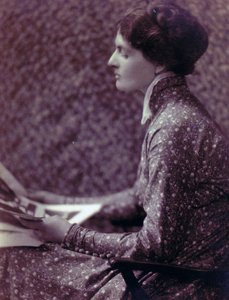
Ethel Léontine Gabain
1883 - 1950 , France
Quick Facts
- Artistic Movement Or Style: Lithography, Oil painting
- Date Of Birth: 1883
- Date Of Death: 1950
- Full Name: Ethel Léontine Gabain
- Nationality: French-Scottish
- Notable Artworks:
- Winter Sunshine
- Après midi de jeune fille
- Peggy Ashcroft as Juliet
- The Evacuation of Children
- Place Of Birth: Le Havre, France
Related Articles
Romantic Realism's Finest: 10 Masterpieces for Your Home | ArtsDot
Explore 10 defining masterpieces of Romantic Realism! Discover Courbet, Millet & Daumier's powerful paintings—capturing emotion and social realities. Find museum-quality reproductions for your home at ArtsDot.com.

Oil on Canvas: A Historical & Technical Exploration of a Timeless Artistic Medium
Explore the rich history & enduring techniques of oil painting on canvas. Discover the science behind its longevity, conservation practices, and contemporary relevance. Expert insights for art enthusiasts.

The Enduring Legacy of Oil on Canvas: Technique, History & Aesthetic Impact
Explore the rich history & techniques of oil painting – from Renaissance masters to Impressionism. Discover pigments, layering methods, and why this timeless medium endures. Expert insights for artists & art enthusiasts.

The Enduring Power of Painting: A Historical & Contemporary Exploration of Form and Emotion
Explore the rich history & enduring techniques of oil painting with ArtsDot. Discover masterpieces, learn about art collecting, and find authentic handmade reproductions crafted by skilled artists.

The Enduring Legacy of Oil on Canvas: Technique, History & Contemporary Practice
Explore the rich history & enduring techniques of oil painting on canvas. Discover the science behind its longevity, conservation practices, and contemporary relevance. Expert insights for art enthusiasts.