 Preview
 Send
Send Share
Share
 Details

 Download
 Similars
 X-Ray
X-Ray Diaporama
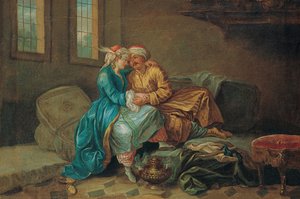
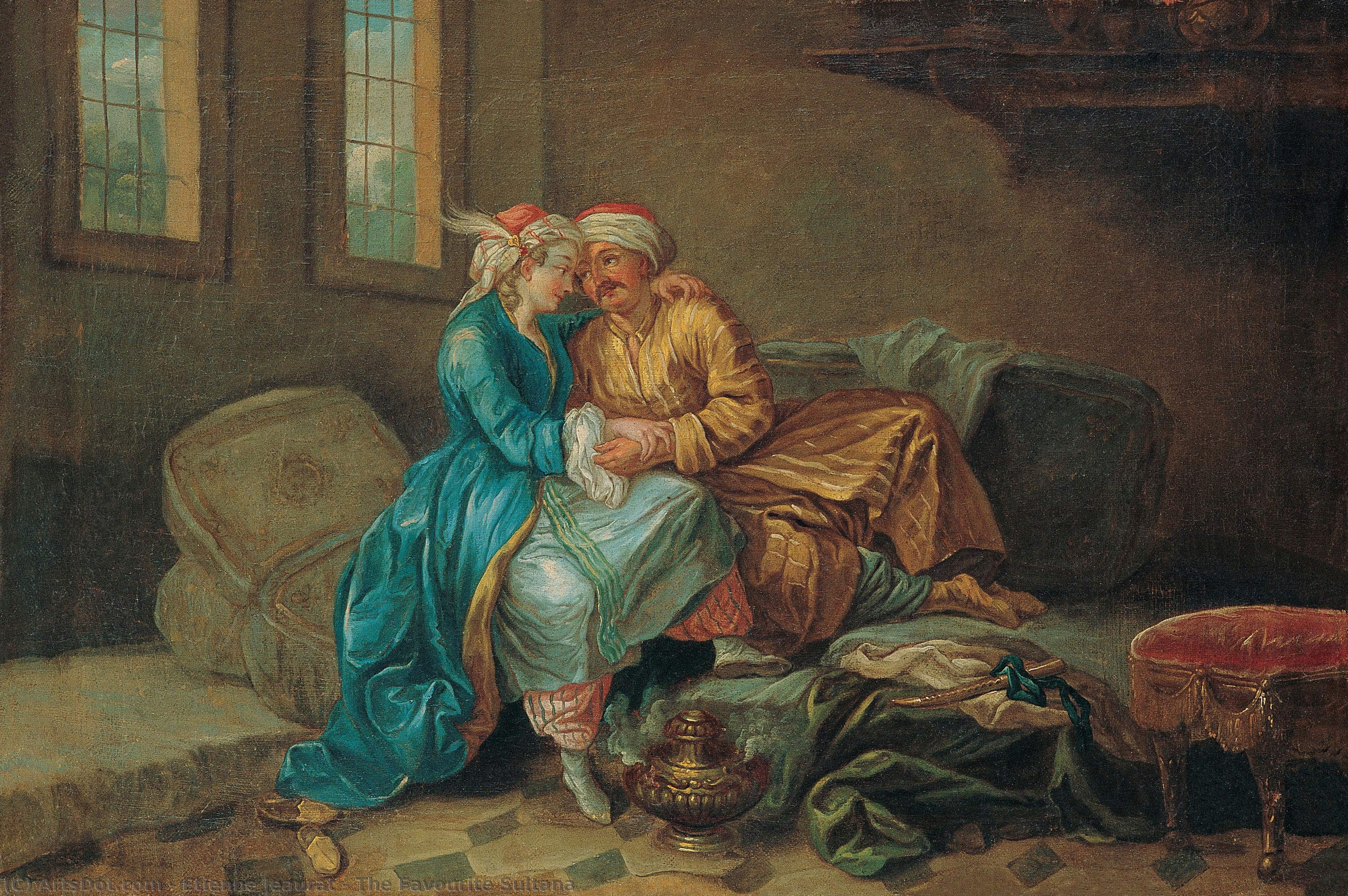
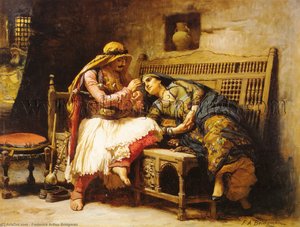
The Favourite Sultana
 745.0 x 500.0 cm
 Pera Museum
 Read More
Giclée / Art Print
Museum-quality giclée or canvas print with fast production and flexible finish options. ( Buy Hand Made Painting Buy Image)




































Pick from our preset sizes that match the artwork's original proportions.

You may enter your own dimensions to fit a specific frame or space. If your selected size does not match the original image's proportions, we will either crop the artwork or extend the image with a mirrored or solid-fill edge. A digital mockup will be sent for your approval before production begins.
Please note that the on-screen preview does not reflect the actual cropping or extension. Only the mockup will accurately show the final composition.
While custom sizes are available, we recommend selecting a dimension from the predefined list to preserve the original proportions.
Worldwide Delivery () in 2 weeks instead of standard 4/5 weeks. (25 August)

Free Worldwide Express Shipping

High-Quality Linen Canvas

Full Shipping Insurance

Customs Tax Refund Guarantee

True Color Matching Guarantee

60-Day Return Policy (Defects Only)

100% Money-Back Guarantee

Bulk Discount Offer
 Glass option is only available in size under 110 CM

The Favourite Sultana
Giclée / Art Print
Reproduction Size
-


Total Price
$ 63
Collectible Description
Related Artworks








Artist Biography
The Parisian Impressionist Before Impressionism
In the grand tapestry of eighteenth-century French art, certain names shine with a permanent, gilded luster, while others exist in the soft, flickering shadows of history. Étienne Jeaurat belongs to that evocative second group—a painter whose work possesses a rhythmic vitality that seems to pulse with the very heartbeat of pre-revolutionary Paris. Often described as a precursor to the Impressionist movement, Jeaurat did not merely paint scenes; he captured the fleeting essence of urban life, transforming mundane street encounters into enduring vignettes of human connection and atmospheric light.
Born in 1699 in Vercheny, near Auxerre, Jeaurat’s early years were shadowed by the profound loss of his father. This early tragedy, however, did not stifle his creative spirit; instead, it led him toward a destiny shaped by familial devotion and mentorship. His brother, Edme Jeaurat, an accomplished engraver, played a pivotal role in his ascent, guiding him toward the tutelage of Nicolas Vleughels. This connection proved transformative, as Vleughels—a close associate of the legendary Antoine Watteau—introduced the young artist to the sophisticated nuances of the Roman Baroque and the delicate, theatrical grace of the Rococo style.
A Journey Through Light and Shadow
The trajectory of Jeaurat’s artistic development was irrevocably altered by his time in Rome. Immersed in the cradle of classical antiquity, he absorbed the monumental grandeur of Bernini’s sculptures and the dramatic, chiaroscroll intensity of Caravaggio. Yet, Jeaurat was never a mere imitator of the past. His true genius emerged from a sophisticated synthesis of disparate worlds: he possessed the ability to marry the formal rigor of the Baroque with the quiet, understated realism found in the works of Chardin. This unique stylistic alchemy allowed him to move between the epic and the intimate, applying masterful brushwork to convey both the weight of history and the lightness of a passing breeze.
Upon his return to Paris, Jeaurat’s ascent within the prestigious Académie Royale was swift and significant. He became a member of the Academy in 1733 and eventually rose to the esteemed positions of professor and chancellor. His professional life was deeply intertwined with the French monarchy; from 1767, he served as the guardian of the king's collection of paintings at Versailles. This proximity to the pinnacle of royal patronage undoubtedly refined his eye for detail and his understanding of how art functions as both a personal expression and a monumental cultural record.
The Legacy of the Street Scene
While his official duties were centered around the halls of power, Jeaurat’s heart remained in the streets. He became celebrated for his genre paintings—lively, bustling depictions of Parisian life that breathed with an unprecedented sense of movement. Unlike the stiff, idealized portraits of the era, Jeaurat’s compositions often felt spontaneous, as if the viewer had stumbled upon a private moment in a crowded marketplace or a quiet corner of a city square. His work is characterized by:
- Atmospheric Precision: A remarkable ability to use tonal gradations to suggest the humidity of a summer afternoon or the cool dampness of a morning mist.
- Human Connection: An empathetic gaze that captured the subtle gestures, expressions, and social interplays of common citizens.
- Narrative Depth: The use of small, seemingly incidental details to hint at larger stories unfolding within his crowded street scenes.
As the eighteenth century drew to a close, Jeaurat remained a steadfast observer of a world on the brink of monumental change. He passed away in 1789, the same year the French Revolution began to reshape the landscape of Europe forever. Though he lived through the twilight of the Ancien Régime, his artistic legacy remains bright. By finding extraordinary beauty in the ordinary and capturing the ephemeral spirit of the streets, Étienne Jeaurat bridged the gap between the classical traditions of his ancestors and the modern, light-drenched sensibilities of the generations to come.
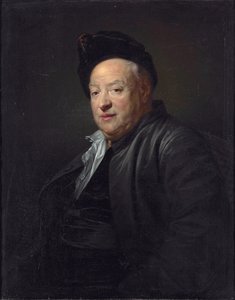
Étienne Jeaurat
1699 - 1789 , France
Quick Facts
- Artistic Movement Or Style: Rococo
- Artists Or Movements Influenced By This Artist: Chardin
- Artists Who Influenced This Artist: Nicolas Vleughels
- Date Of Birth: February 9, 1699
- Date Of Death: December 14, 1789
- Full Name: Étienne Jeaurat
- Nationality: French
- Notable Artworks:
- Girls of Pleasure at Salpétrière
- The Favourite Sultana
- Place Of Birth: Vercheny, France