 Preview
 Send
Send Share
Share
 Details

 Download
 Similars
 X-Ray
X-Ray Diaporama
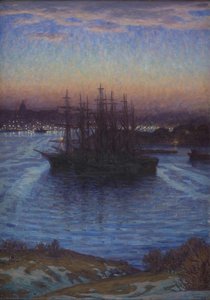
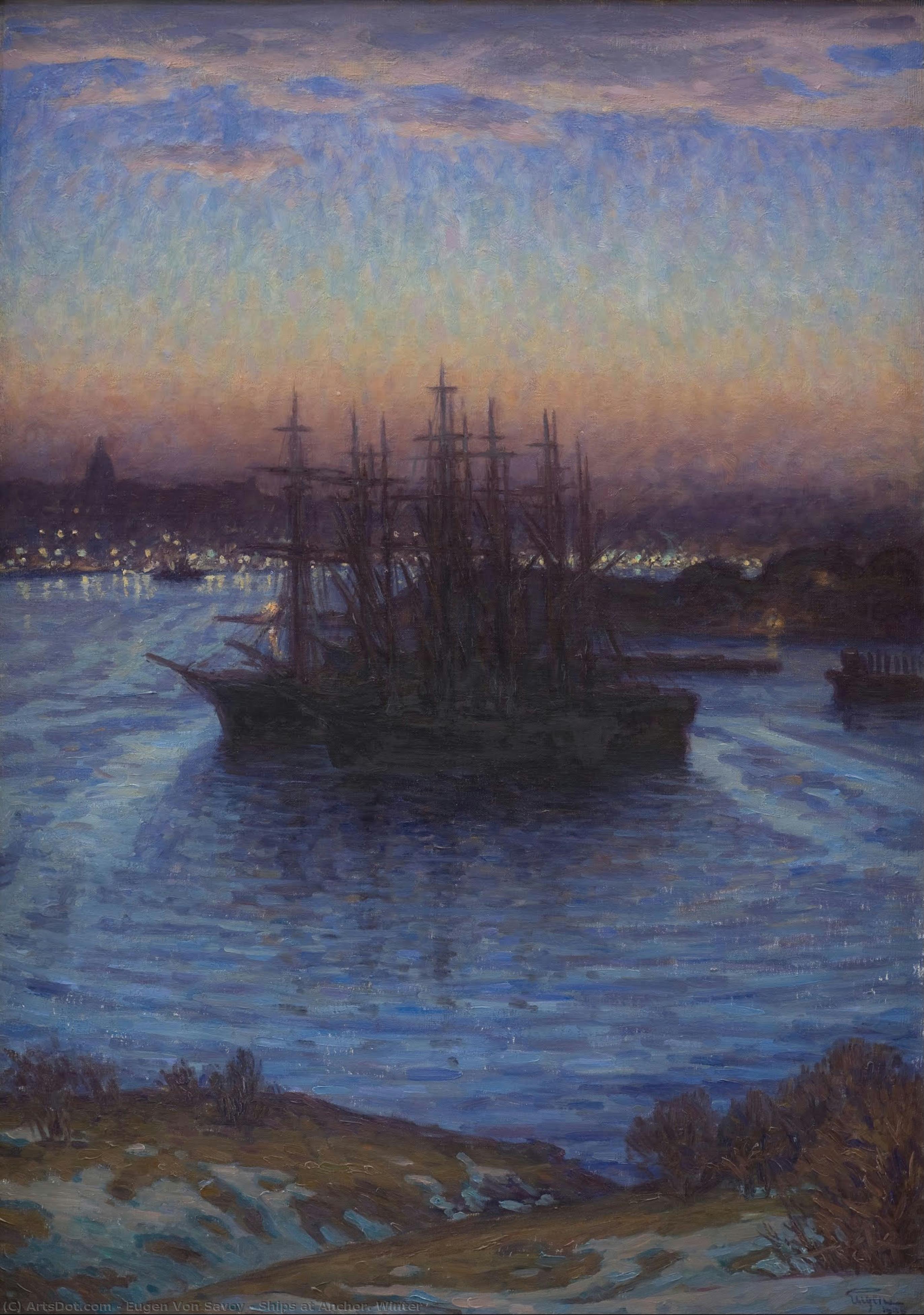
Ships at Anchor. Winter
 Acrylic
- WallArt
- Nordic Romanticism
 1908
1908 85.0 x 120.0 cm
 National Gallery of Denmark
 Read More
Hand Made Oil Reproduction
Hand-painted oil on canvas in your size and frame, made to order by our artists. ( Buy Print Buy Image)




P118B $10

P118H $10

P118W $10

P438Z $10

P508JH $12

P508YH $12

P805H $10

P805Z $10

P919BZ $10

P919G $10

P919XJ $10

P959ZH $10

P968JZ $12

W106C $8

W218G $10

W218JH $8

W218Y $10

W307PJ $10

W316G $10

W316PJ $8

W316Y $10

W398PJ $8

W4111J $10

W500HY $15

W500JH $15

W692G $12

W849H $8

W940BG $15

W953PJ $8




Pick from our preset sizes that match the artwork's original proportions.

You may enter your own dimensions to fit a specific frame or space. If your selected size does not match the original image's proportions, we will either crop the artwork or extend the painting with additional hand-painted elements. A digital mockup will be sent for your approval before production begins.
Please note that the on-screen preview does not reflect the actual cropping or extension. Only the mockup will accurately show the final composition.
While custom sizes are available, we recommend selecting a dimension from the predefined list to preserve the original proportions.
After order, ArtsDot.com team will email client for instructions and provide a mockup preview
Worldwide Delivery () in 3/4 weeks instead of standard 5 weeks. (17 August). No compromise on quality.

Free Worldwide Express Shipping

High-Quality Linen Canvas

Full Shipping Insurance

Customs Tax Refund Guarantee

True Color Matching Guarantee

60-Day Return Policy (Defects Only)

100% Money-Back Guarantee

Bulk Discount Offer
 Glass option is only available in size under 110 CM

Ships at Anchor. Winter
Reproduction Medium
Reproduction Size
-


Total Price
$ 263
Artwork Description
A Winter’s Embrace: Prince Eugen's Ships at Anchor
The painting “Ships at Anchor. Winter” by Prince Eugen von Savoy is more than just a picturesque seascape; it embodies the spirit of Nordic art around 1900 and speaks to a profound contemplation of beauty and stillness. Painted in 1908, this artwork captures a twilight scene from Stockholm’s skerries—the narrow inlets and bays surrounding the city—offering viewers an intimate glimpse into Prince Eugen's personal surroundings and artistic vision.Style and Technique: Atmospheric Impressionism
Eugen von Savoy’s approach to painting distinguishes itself as atmospheric impressionism. Rather than striving for photographic realism, he prioritized conveying mood and sensation above all else. Thick brushstrokes layered upon brushstrokes create a palpable sense of texture—the rough surface of the rocks against which the ships are anchored, the shimmering expanse of the icy water—drawing inspiration from Impressionist masters like Claude Monet and Pierre-Auguste Renoir. Savoy’s masterful use of color is particularly noteworthy; he employs muted hues – predominantly blues, greys, and ochres – to evoke the melancholic beauty of winter twilight. These colors aren't merely descriptive; they contribute significantly to the painting’s emotional resonance.Historical Context: Scandinavia’s Artistic Renaissance
The painting emerged during a period of significant artistic flourishing in Scandinavia. Prince Eugen was not simply an artist but also a prominent figure within Swedish cultural life, actively engaged in patronage and collecting art alongside influential Danish counterparts like L.A. Ring and Hammershøi. This milieu fostered experimentation and innovation, propelling artists to explore new expressive possibilities—particularly the depiction of landscapes imbued with psychological depth. The painting reflects this broader artistic movement’s preoccupation with capturing fleeting moments of experience and conveying intangible emotions.Symbolism: Tranquility and Reflection
Beyond its aesthetic qualities, “Ships at Anchor” carries symbolic weight. The anchored ships represent stability amidst change, mirroring the artist's own life journey—a royal lineage marked by both privilege and responsibility. More subtly, the twilight sky symbolizes contemplation and introspection, inviting viewers to pause and consider the beauty of the natural world. The stillness of the harbor scene speaks to a desire for serenity and escape from the pressures of daily existence – themes that resonate deeply with the humanist sensibilities of the era.Emotional Impact: Capturing Ephemeral Beauty
Ultimately, “Ships at Anchor” succeeds in transporting the viewer into a realm of quiet contemplation. Savoy’s skillful manipulation of light and color creates an ethereal atmosphere, fostering a feeling of wonder and melancholy. It's a painting that lingers in the mind long after viewing, prompting reflection on themes of beauty, solitude, and the passage of time—a testament to Prince Eugen’s enduring legacy as one of Scandinavia’s most celebrated artists.Related Artworks
Artist Biography
Johannes Vermeer: A Life Illuminated
Johannes Vermeer, a name synonymous with luminous interiors and the quiet dignity of everyday life, remains one of the most enigmatic and beloved figures in the history of Western art. Born in Delft, Netherlands, in 1632, his relatively short life—he died tragically young in 1675—yielded only around thirty-six paintings, a remarkably small number considering their profound impact on the artistic world. Yet, within this limited body of work lies an astonishing mastery of light, color, and composition, creating images that continue to captivate viewers centuries later. Vermeer’s art isn't merely about depicting scenes; it’s about capturing a fleeting moment, a subtle emotion, and inviting us into a world both familiar and profoundly mysterious.
Vermeer’s early life was steeped in the bustling commercial activity of Delft. His father, Reynier Jansz., was a weaver specializing in luxurious satin fabrics – a trade that provided the family with a comfortable, though not extravagant, livelihood. He also operated an art dealership, exposing young Johannes to the world of artistic creation and commerce from a very early age. This dual profession instilled in him a keen eye for detail and an understanding of both the production and appreciation of art. Vermeer received his initial artistic training likely from local artists, though specific details remain scarce – a common characteristic of many Dutch masters whose lives were often deliberately understated. His conversion to Catholicism in 1653, prompted by marriage to Catherina Bolnes, marked a significant shift, influencing his subject matter and perhaps even his artistic approach.
The Painter’s Palette: Style and Technique
Vermeer's distinctive style is immediately recognizable. He was a master of *chiaroscuro*, the dramatic contrast between light and dark, using it not merely for effect but to sculpt forms and create a sense of depth and atmosphere. His paintings are characterized by an almost photographic realism, achieved through meticulous observation and a remarkable ability to render textures – from the sheen of silk to the roughness of wood. He employed a unique technique involving multiple layers of thinly applied paint, often using *stiacciato* (a technique of building up color with thick impasto) to create subtle variations in tone and texture. This layering process, combined with his use of iridescent pigments, resulted in surfaces that shimmered with an ethereal glow – a hallmark of Vermeer’s work.
Unlike many of his contemporaries who focused on grand historical or religious scenes, Vermeer primarily depicted domestic interiors and everyday activities. His subjects—a woman reading, a girl with a pearl earring, a milkmaid pouring milk, a musician playing the virginal—are ordinary people engaged in simple tasks. However, it is precisely this focus on the mundane that elevates his work to something extraordinary. He imbued these scenes with an intense sense of intimacy and emotion, inviting us to contemplate the lives and experiences of those he portrayed.
Key Works and Influences
Among Vermeer’s most celebrated paintings are *Girl with a Pearl Earring* (1665), arguably the most recognizable portrait in art history; *The Milkmaid* (c. 1657-1658), a vibrant depiction of rural life; and *View of Delft* (c. 1660-1663), a meticulously rendered cityscape capturing the beauty of his hometown. His work also includes numerous interior scenes, such as *The Art of Painting* (c. 1664-1666) and *A Lady Writing*, which offer glimpses into the lives of wealthy patrons and their households. Vermeer’s style owes a debt to several influences, including the works of Pieter de Hooch, whose use of light and shadow he adopted; the meticulous detail of Frans Hals; and the atmospheric perspective of Rembrandt van Rijn.
However, Vermeer's genius lay not in imitating his predecessors but in synthesizing their techniques into a wholly original vision. He possessed an unparalleled ability to capture the fleeting effects of light and atmosphere, creating paintings that seem to vibrate with life. His compositions are often deceptively simple, yet they are imbued with a profound sense of depth and complexity.
A Legacy of Mystery
Despite his artistic brilliance, Vermeer’s life remains shrouded in mystery. He was a quiet, unassuming man who rarely exhibited his work publicly. He died relatively young, at the age of forty-two, leaving behind a small estate and a legacy that would only be fully appreciated centuries later. The scarcity of his paintings—only thirty-six survive—contributed to this obscurity. Furthermore, Vermeer’s financial difficulties during his lifetime led to the sale of many of his works, some of which were lost or destroyed.
In the 20th century, Vermeer's work experienced a remarkable revival, fueled by the writings of art historian Ernst Gombrich and the rediscovery of several previously unknown paintings. Today, Vermeer’s masterpieces are treasured as national treasures, displayed in museums around the world. His paintings continue to inspire awe and wonder, reminding us of the power of art to capture the beauty and complexity of human experience. The enduring mystery surrounding his life only adds to the allure of this enigmatic master, solidifying his place as one of the greatest painters of all time.
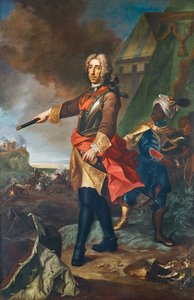
eugen von savoy
1663 - 1736 , France
Quick Facts
- Artistic Movement Or Style: Baroque
- Artists Or Movements Influenced By This Artist:
- Modern Art
- Contemporary Art
- Artists Who Influenced This Artist:
- Guido Reni
- Rembrandt
- Date Of Birth: October 31, 1632
- Date Of Death: December 16, 1675
- Full Name: Johannes Vermeer
- Nationality: Dutch
- Notable Artworks:
- Girl with a Pearl Earring
- Woman Holding a Balance
- The Milkmaid
- Place Of Birth: Delft, Netherlands
Related Articles

Beyond the Horizon: 10 Landscape Masterpieces for Your Home Decor
Journey through 10 breathtaking landscape paintings by Monet, Van Gogh & more! Explore iconic artworks, artistic techniques & find inspiration for your home decor. Museum-quality reproductions at ArtsDot.com. Discover all masterpieces on ArtsDot.com

Evocations of Place: A Historical Journey Through Landscape Art
Explore the rich history of landscape art with ArtsDot. Discover renowned artists, movements like Impressionism & Romanticism, and expert guidance for collecting timeless pieces. Find your perfect serene escape today!

Romantic Landscapes: 10 Masterpieces for Your Home | ArtsDot
Journey through 10 Romantic landscape masterpieces by Friedrich, Turner & Cole. Explore emotional art, sublime nature scenes & iconic 19th-century paintings. Find museum-quality reproductions for your home at ArtsDot.com – discover the full collection online!
Johan Krouthén: Navigating Swedish Romanticism Through Landscape & Light
Explore the captivating landscapes of Johan Krouthén, a Swedish artist who broke from tradition to embrace realism & idealism. Discover his technique, influences, and legacy with ArtsDot.

Evocations of Place: A Historical Journey Through Landscape Art
Explore the rich history of landscape art with ArtsDot. Discover renowned artists, movements like Impressionism & tonalism, and expert guidance for collecting timeless pieces. Find your perfect serene escape today!