 Preview
 Send
Send Share
Share
 Details

 Download
 Similars
 X-Ray
X-Ray Diaporama
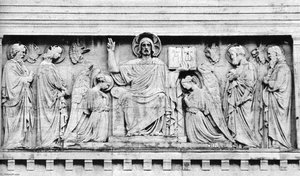
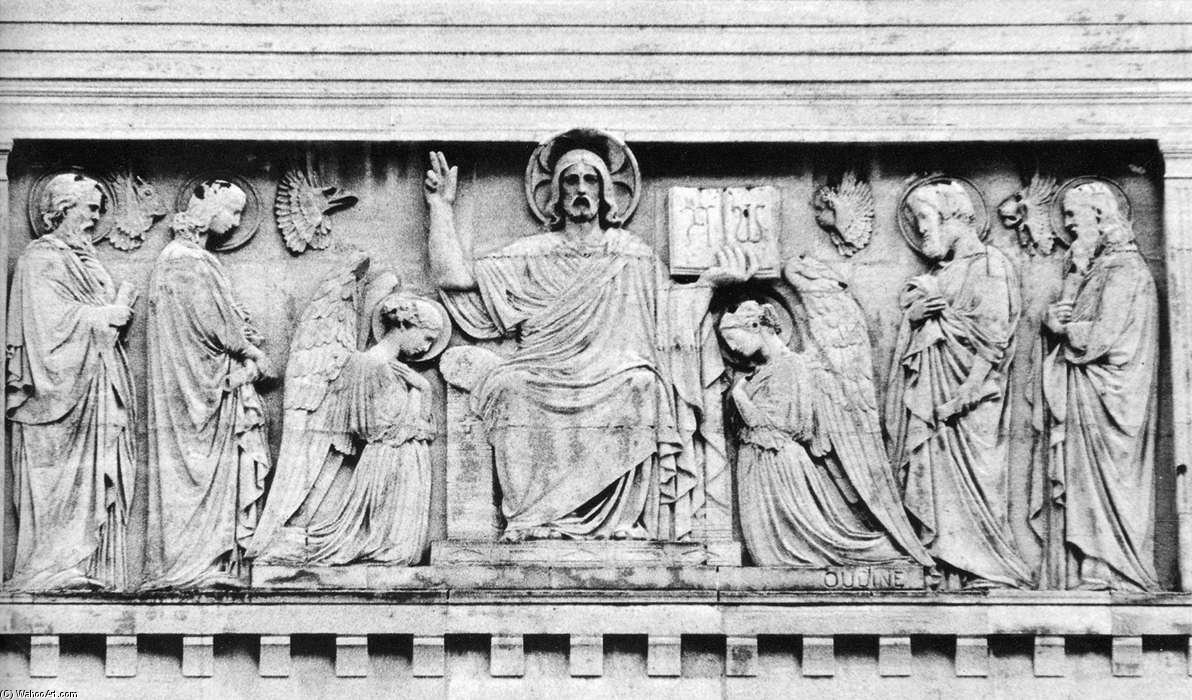
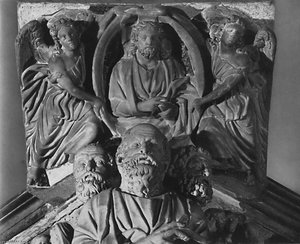
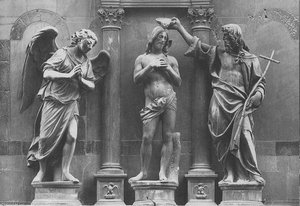
Christ Between Two Angels And The Four Evangelists
 Read More
Hand Made Oil Reproduction
Hand-painted oil on canvas in your size and frame, made to order by our artists. ( Buy Print Buy Image)




































Pick from our preset sizes that match the artwork's original proportions.

You may enter your own dimensions to fit a specific frame or space. If your selected size does not match the original image's proportions, we will either crop the artwork or extend the painting with additional hand-painted elements. A digital mockup will be sent for your approval before production begins.
Please note that the on-screen preview does not reflect the actual cropping or extension. Only the mockup will accurately show the final composition.
While custom sizes are available, we recommend selecting a dimension from the predefined list to preserve the original proportions.
After order, ArtsDot.com team will email client for instructions and provide a mockup preview
Worldwide Delivery () in 3/4 weeks instead of standard 5 weeks. (24 August). No compromise on quality.

Free Worldwide Express Shipping

High-Quality Linen Canvas

Full Shipping Insurance

Customs Tax Refund Guarantee

True Color Matching Guarantee

60-Day Return Policy (Defects Only)

100% Money-Back Guarantee

Bulk Discount Offer
 Glass option is only available in size under 110 CM

Christ Between Two Angels And The Four Evangelists
Reproduction Medium
Reproduction Size
-


Total Price
$ 438
Related Artworks
Artist Biography
The Sculptor of Shadows and Light
In the heart of Paris, amidst the vibrant pulse of the nineteenth century, a talent was forged that would forever alter the landscape of French commemorative art. Eugène André Oudiné, born in 1810, emerged from the shadows of the Romantic era to become a master of both the monumental and the minute. His early years were steeped in the rigorous traditions of the Parisian academy, where he absorbed the stylistic nuances of legendary figures such as Alexandre Barye and François Rude. This formative period was not merely an education in technique but an immersion into a world where stone and metal could breathe with life.The year 1831 marked a definitive turning point; having secured the prestigious Prix de Rome for engraving, Oudiné unveiled his masterpiece, The Wounded Gladiator. This work, characterized by its profound anatomical accuracy and a haunting use of chiaroscuro, did more than just showcase his skill—it captured the collective imagination of France, establishing him as a sculptor capable of translating human suffering and heroic endurance into tangible form.
The Architect of History in Miniature
While many sculptors sought immortality through massive marble monuments, Oudiné found a unique calling in the delicate, intricate realm of the medallist. As he transitioned into official roles at the Inland Revenue Office and later at the Mint, his artistry became inextricably linked with the political and social pulse of France. He was often regarded as the father of modern medal design, a title earned through his ability to transform small discs of silver and gold into powerful instruments of historical narrative.His medals were far more than mere decorations; they were ephemeral chronicles of an era. Through his hands, the annexation of Savoy and the peace of Villafranca were etched into the very fabric of French identity. Whether commemorating the triumphs of Napoleon or celebrating the establishment of a Republic, Oudiné utilized the medium of the medal to weave propaganda and celebration into a single, exquisite thread, ensuring that even the smallest object could carry the weight of an empire.
A Lasting Impression on the Parisian Landscape
The legacy of Eugène André Oudiné extends far beyond the confines of a collector's cabinet or the halls of the Mint. His vision is etched into the very geography of Paris, visible to any wanderer strolling through its most storied gardens and monuments. From the graceful Daphnis and Hebe in the Tuileries to the solemn presence of his works within the Louvre and the Invalides, Oudiné’s ability to balance neoclassical restraint with Romantic emotion remains palpable.His career was a testament to the power of versatility—the capacity to move seamlessly between the grand scale of portrait busts and the microscopic precision of coin engraving. As he passed away in 1887, he left behind a body of work that serves as a bridge between eras, a collection of stone and metal that continues to whisper the stories of a bygone age to all who pause to look closely at his craftsmanship.
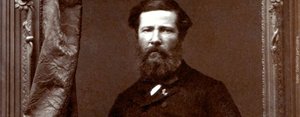
eugène andré oudiné
1810 - 1887 , France
Quick Facts
- Artistic Movement Or Style: Neoclassical
- Artists Or Movements Influenced By This Artist: ['Romanticism']
- Artists Who Influenced This Artist: ['Antonio Canova']
- Date Of Birth: January 1, 1810
- Date Of Death: April 12, 1887
- Full Name: Eugène André Oudiné
- Nationality: French
- Notable Artworks:
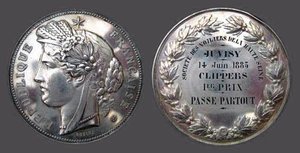
- Ceres Award Medal
- Christ Between Two Angels And The Four Evangelists
- Place Of Birth: Paris, France