 Preview
 Send
Send Share
Share
 Details

 Download
 Similars
 X-Ray
X-Ray Diaporama
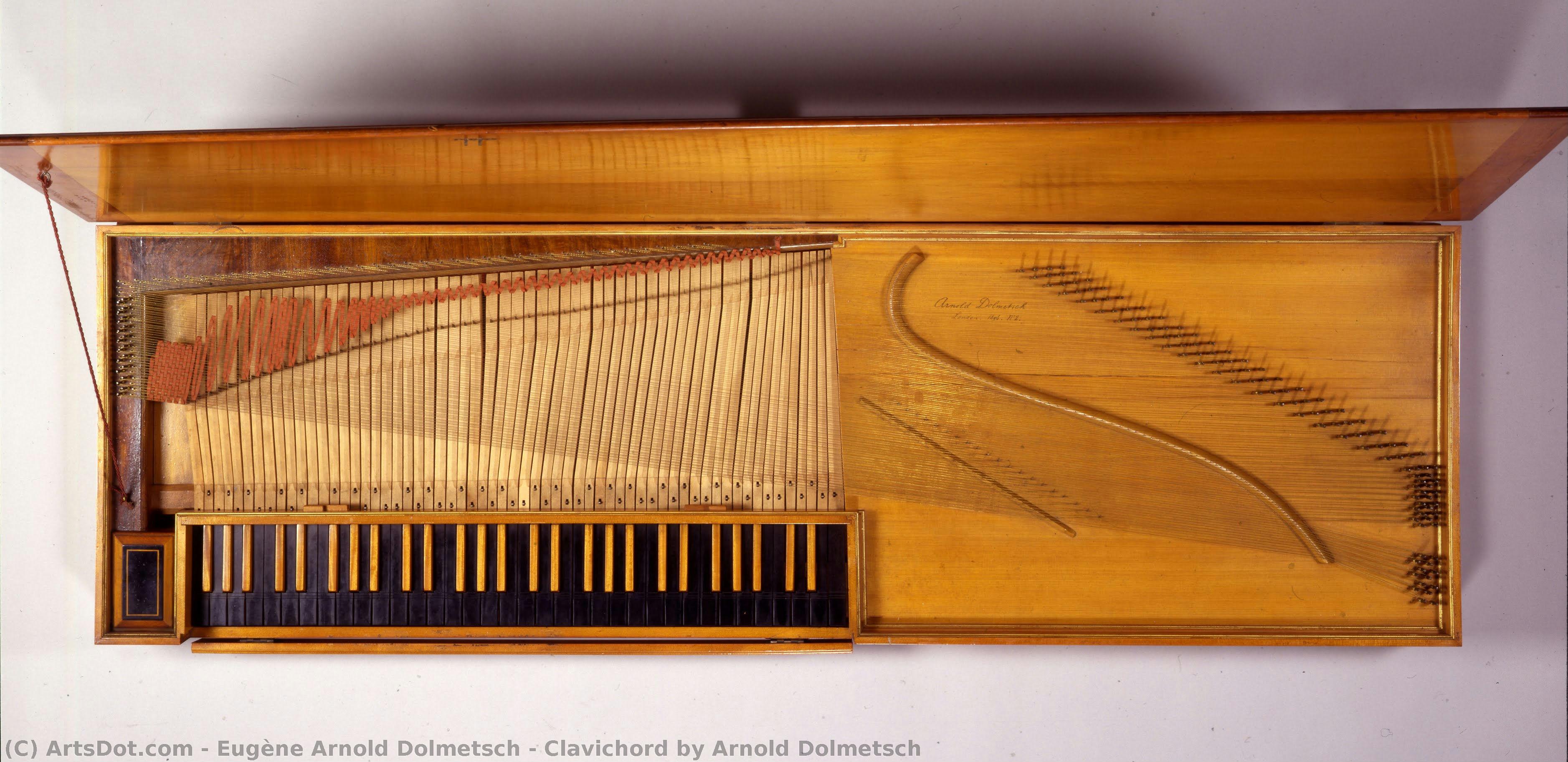
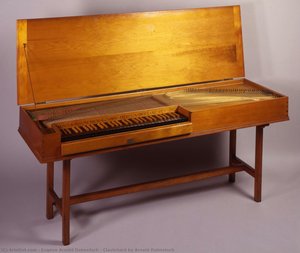
Clavichord by Arnold Dolmetsch


 Read More
Hand Made Oil Reproduction
Hand-painted oil on canvas in your size and frame, made to order by our artists. ( Buy Print Buy Image)




P118B $10

P118H $10

P118W $10

P438Z $10

P508JH $12

P508YH $12

P805H $10

P805Z $10

P919BZ $10

P919G $10

P919XJ $10

P959ZH $10

P968JZ $12

W106C $8

W218G $10

W218JH $8

W218Y $10

W307PJ $10

W316G $10

W316PJ $8

W316Y $10

W398PJ $8

W4111J $10

W500HY $15

W500JH $15

W692G $12

W849H $8

W940BG $15

W953PJ $8




Pick from our preset sizes that match the artwork's original proportions.

You may enter your own dimensions to fit a specific frame or space. If your selected size does not match the original image's proportions, we will either crop the artwork or extend the painting with additional hand-painted elements. A digital mockup will be sent for your approval before production begins.
Please note that the on-screen preview does not reflect the actual cropping or extension. Only the mockup will accurately show the final composition.
While custom sizes are available, we recommend selecting a dimension from the predefined list to preserve the original proportions.
After order, ArtsDot.com team will email client for instructions and provide a mockup preview
Worldwide Delivery () in 3/4 weeks instead of standard 5 weeks. (18 August). No compromise on quality.

Free Worldwide Express Shipping

High-Quality Linen Canvas

Full Shipping Insurance

Customs Tax Refund Guarantee

True Color Matching Guarantee

60-Day Return Policy (Defects Only)

100% Money-Back Guarantee

Bulk Discount Offer
 Glass option is only available in size under 110 CM

Clavichord by Arnold Dolmetsch
Reproduction Medium
Reproduction Size
-


Total Price
$ 263
Artwork Description
The Resonance of Craftsmanship: A Glimpse into Dolmetsch’s Clavichord
In the quiet intersection of musical history and fine artistry lies the Clavichord by Eugène Arnold Dolmetsch, a piece that transcends its identity as a mere instrument to become a profound meditation on texture, light, and heritage. This evocative depiction captures more than just a wooden frame and metal strings; it invites the viewer into the very workshop of a master. The painting focuses our gaze upon the intricate anatomy of the keys, where the interplay of shadow and highlight reveals the meticulous craftsmanship of the late 19th century. Through a masterful use of detail, the artist allows us to feel the weight of the wood and the tension of the strings, creating an atmosphere that is both intimate and intellectually stimulating.
The composition serves as a window into the Arts and Crafts movement, a period defined by a reverence for manual skill and the beauty of natural materials. As we observe the close-up view of the instrument's structure, the painting highlights the organic elegance of the wooden frame and the complex geometry of the visible strings. There is a rhythmic quality to the arrangement of the keys, which guides the eye across the surface in a way that mimics the very music this instrument was built to produce. For the collector or interior designer, this artwork offers a sophisticated focal point, bringing a sense of historical depth and tactile richness to any curated space.
Beyond its visual splendor, the work carries a deep symbolic resonance, representing the revival of early music and the preservation of lost voices. Dolmetsch was not merely an observer but a pioneer who sought to resurrect the authentic sounds of the 18th century. This painting honors that legacy, capturing the soul of an instrument designed to bridge the gap between the past and the present. The emotional impact is one of profound nostalgia and reverence; it evokes a sense of stillness, as if the viewer has stumbled upon a private moment of musical creation. It is a piece that does not merely decorate a room but breathes life into it, offering a timeless connection to the artistry of human hands.
For those seeking to adorn their homes with pieces that tell a story, this reproduction offers an unparalleled opportunity. It is an investment in historical narrative and aesthetic excellence. Whether placed in a sunlit library or a contemporary study, the Clavichord by Dolmetsch acts as a conversation starter, prompting reflections on the enduring beauty of tradition and the delicate balance between science and art. To possess this work is to hold a fragment of musical history, rendered with a passion that continues to inspire generations of art lovers.
Related Artworks
Artist Biography
The Echoes of Antiquity: The Life and Legacy of Eugène Arnold Dolmetsch
Eugène Arnold Dolmetsch, a name synonymous with the fervent revival of early music in the 20th century, wasn’t merely a musician; he was a meticulous craftsman, a passionate scholar, and a devoted advocate for authentic performance. Born in Le Mans, France, in 1858, into a family steeped in musical tradition – his father a piano maker – Dolmetsch's life became inextricably linked with the rediscovery of sound from centuries past. His journey wasn’t one of grand concert halls and revolutionary compositions, but rather a quiet, persistent quest to resurrect the voices of composers long silenced by time and neglect. This biography seeks to unravel the intricate tapestry of his extraordinary existence, exploring the forces that shaped him and the profound impact he had on our understanding and appreciation of music history.Early Years and the Birth of an Instrument Maker
Dolmetsch’s childhood was far from a conventional one. His father's piano-making workshop provided a grounding in the mechanics of musical instruments, a skill that would prove invaluable later in his life. However, it was through exposure to the British Museum’s collection of ancient instruments – particularly viols – that his true passion ignited. These relics of a bygone era sparked an insatiable curiosity and a determination to not just study them, but to *understand* them, to recreate their sound with painstaking accuracy. He initially pursued formal musical training in Brussels and London, mastering the violin and gaining a solid foundation in music theory. Yet, it was his apprenticeship under Frederick Bridge at the Royal College of Music that truly cemented his commitment to historical performance practice – a concept radically different from the prevailing interpretations of the time. Bridge’s emphasis on researching original sources and recreating instruments as closely as possible would become Dolmetsch's guiding principle.The Pursuit of Authenticity: Instrument Making and Performance
Dolmetsch didn’t simply listen to early music; he *built* it. His workshop in Haslemere, Surrey, became a legendary center for instrument restoration and creation. He meticulously crafted viols, harpsichords, clavichords, and other instruments from the 15th to the 18th centuries, employing traditional techniques and materials. This wasn’t mere imitation; it was an act of profound respect for the composers whose music he sought to revive. He understood that the sound of a modern instrument could fundamentally distort the character of a piece written for its historical counterpart. Dolmetsch's instruments were not simply replicas; they were carefully constructed embodiments of their time, designed to capture the nuances and subtleties of early musical expression. His performances, often alongside his family – including his sisters and brother – were equally remarkable. They presented concerts featuring music by composers like Byrd, Dowland, Purcell, and Lawes, utilizing Dolmetsch’s meticulously crafted instruments and employing performance practices rooted in historical research.A Revolution in Musical Interpretation
Dolmetsch's influence extended far beyond his own performances. He challenged the established norms of musical interpretation, advocating for a shift away from romanticized readings and towards a more historically informed approach. His work directly influenced the development of “historically informed performance” (HIP), a methodology that continues to shape how early music is approached today. He meticulously documented his research in books like "The Interpretation of the Music of the 17th and 18th Centuries," providing invaluable insights into the construction, tuning, and playing techniques of early instruments. His insistence on using original sources – manuscripts, treatises, and contemporary accounts – forced musicologists to re-evaluate long-held assumptions about musical practice. Furthermore, he actively promoted the revival of forgotten composers and genres, bringing their works back to life for a modern audience.Legacy and Enduring Influence
Eugène Arnold Dolmetsch’s legacy is profound and multifaceted. He didn't seek fame or fortune; his reward was the satisfaction of resurrecting lost musical treasures and sharing them with the world. His dedication to authenticity, combined with his exceptional craftsmanship and scholarly rigor, established him as a pivotal figure in the 20th-century revival of early music. His family continued his work after his death, ensuring that his passion for historical performance practice would endure. Today, Dolmetsch’s instruments are treasured by museums and performers worldwide, and his influence can be heard in countless recordings and concerts. He left behind not just a collection of beautiful instruments, but a methodology—a way of listening to the past—that continues to shape our understanding and appreciation of music's rich and complex history. His work stands as a testament to the power of dedication, scholarship, and a deep love for the art of music.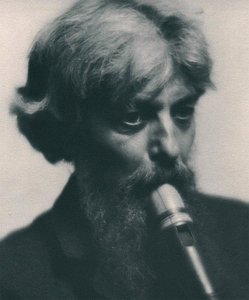
eugène arnold dolmetsch
1858 - 1940 , France
Quick Facts
- Artistic Movement Or Style: Early Music Revival
- Artists Or Movements Influenced By This Artist:
- William Morris
- George Bernard Shaw
- Artists Who Influenced This Artist:
- Henri Vieuxtemps
- Frederick Bridge
- Date Of Birth: Feb 24, 1858
- Date Of Death: Feb 28, 1940
- Full Name: Eugène Arnold Dolmetsch
- Nationality: French-British
- Notable Artworks:
- Clavichord
- Harpsichord
- Viols
- Place Of Birth: Le Mans, France
Related Articles
Harmonies on Canvas: Exploring the Visual Representation of Music in Art History
Explore the fascinating history of music's visual representation in art! From ancient symbolism to modern abstraction, discover how artists have captured sound and emotion on canvas. Expert insights & stunning examples.
Art Nouveau's Golden Age: 10 Masterpieces for Your Home |
Journey into Art Nouveau's golden age! Explore 10 masterpieces by Klimt, Mucha & more. Discover captivating stories behind iconic paintings, floral motifs & flowing lines. Find museum-quality art reproductions for your home at .

Walter Crane: Aestheticism, Socialism & the Evolution of British Decorative Art
Explore the life & work of Walter Crane, a pivotal figure in Aestheticism & the Arts & Crafts movement. Discover his socialist ideals, stunning illustrations, and lasting impact on British art & design.
Albrecht Dürer's Masterpieces: 25 Iconic Artworks for Your Home | ArtsDot
Explore 25 iconic artworks by Albrecht Dürer, a master of the German Renaissance. Discover the stories behind Melencolia I, Knight Death and Devil & more. Find museum-quality art reproductions for your home at ArtsDot.com.

25 Klimt Masterpieces: A Journey Through Iconic Art & Decor
Delve into the world of Gustav Klimt with our top 25 masterpieces! Explore his iconic paintings – 'The Kiss,' 'Portrait of Adele,' and more. Discover museum-quality reproductions & curated decor ideas. Explore the full collection online at ArtsDot.com.