 Preview
 Send
Send Share
Share
 Details

 Download
 Similars
 X-Ray
X-Ray Diaporama
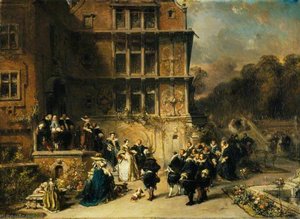
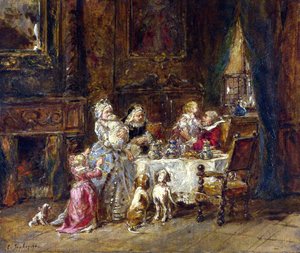
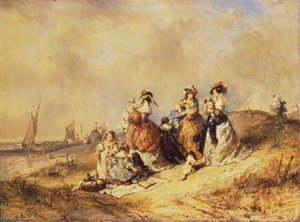
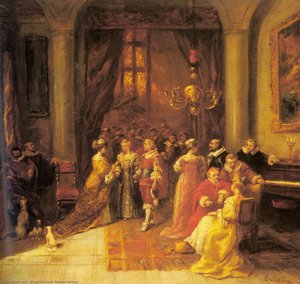
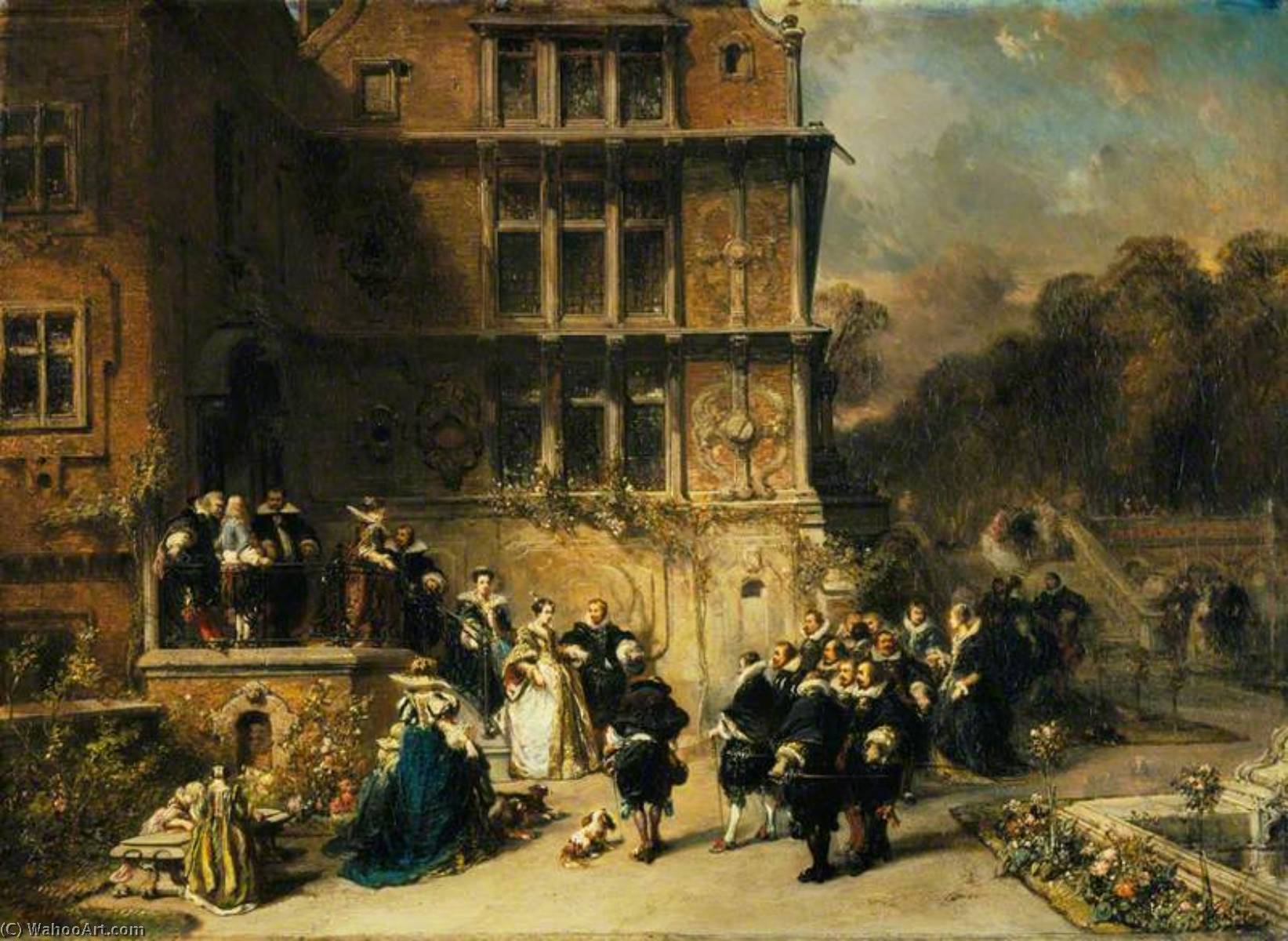
Court Reception at a Château
 Oil On Canvas
- WallArt
- Realism
 1851
1851 65.0 x 90.0 cm
 The Wallace Collection
 Read More
Hand Made Oil Reproduction
Hand-painted oil on canvas in your size and frame, made to order by our artists. ( Buy Print Buy Image)




P118B $10

P118H $10

P118W $10

P438Z $10

P508JH $12

P508YH $12

P805H $10

P805Z $10

P919BZ $10

P919G $10

P919XJ $10

P959ZH $10

P968JZ $12

W106C $8

W218G $10

W218JH $8

W218Y $10

W307PJ $10

W316G $10

W316PJ $8

W316Y $10

W398PJ $8

W4111J $10

W500HY $15

W500JH $15

W692G $12

W849H $8

W940BG $15

W953PJ $8




Pick from our preset sizes that match the artwork's original proportions.

You may enter your own dimensions to fit a specific frame or space. If your selected size does not match the original image's proportions, we will either crop the artwork or extend the painting with additional hand-painted elements. A digital mockup will be sent for your approval before production begins.
Please note that the on-screen preview does not reflect the actual cropping or extension. Only the mockup will accurately show the final composition.
While custom sizes are available, we recommend selecting a dimension from the predefined list to preserve the original proportions.
After order, ArtsDot.com team will email client for instructions and provide a mockup preview
Worldwide Delivery () in 3/4 weeks instead of standard 5 weeks. (16 August). No compromise on quality.

Free Worldwide Express Shipping

High-Quality Linen Canvas

Full Shipping Insurance

Customs Tax Refund Guarantee

True Color Matching Guarantee

60-Day Return Policy (Defects Only)

100% Money-Back Guarantee

Bulk Discount Offer
 Glass option is only available in size under 110 CM

Court Reception at a Château
Reproduction Medium
Reproduction Size
-


Total Price
$ 263
Artwork Description
Court Reception at a Château – An Impressionist Vision of Aristocratic Life
The painting “Court Reception at a Château,” executed by Eugène Louis Gabriel Isabey in 1851, stands as a quintessential example of Romantic landscape painting infused with the nascent influences of Impressionism. More than just a depiction of an opulent gathering within a stately château, it’s a masterful exploration of light, atmosphere, and subtle emotional resonance—elements that would soon define the artistic movement Isabey helped usher in.A Scene Frozen in Time
Captured with remarkable realism for its era, the artwork transports viewers back to mid-19th century France. The château itself dominates the composition, rendered with meticulous architectural detail – arched windows reflecting sunlight, ornate facades hinting at centuries of aristocratic grandeur. However, Isabey doesn’t simply present a static portrait; he captures a vibrant moment of social interaction. A multitude of figures populate the courtyard, dressed in elaborate gowns and formal attire, engaged in animated conversation. These individuals aren't merely subjects of observation but embodiments of societal status and refinement—a key preoccupation of Romantic artists who sought to portray idealized visions of human experience.The Painter’s Technique – Light and Atmosphere
Isabey’s artistic prowess lies primarily in his masterful manipulation of light and color. Unlike the darker, more dramatic palettes favored by earlier Romantic painters, he employs a subdued palette dominated by earthy tones—ochres, browns, and muted greens—creating an environment imbued with tranquility and warmth. Yet, this calmness isn't achieved through mere monochrome; instead, Isabey skillfully utilizes broken brushstrokes to capture the diffused glow of sunlight filtering through the château’s windows and foliage. This technique anticipates Impressionist principles, prioritizing fleeting impressions over precise representation – a deliberate departure from academic conventions that championed meticulous detail. The artist’s careful observation of natural light is evident in every shade and tone, contributing significantly to the painting's overall mood.Symbolism Within the Landscape
Beyond its visual beauty, “Court Reception at a Château” carries symbolic weight. The château itself represents power, tradition, and social hierarchy—concepts central to Romantic thought. Simultaneously, the surrounding landscape serves as a backdrop for human activity, emphasizing the harmonious relationship between man and nature – a theme frequently explored by Romantic artists who celebrated the sublime grandeur of the natural world. The inclusion of a fountain adds an element of serenity and elegance, reinforcing the painting’s overarching impression of refined leisure and aristocratic refinement.Emotional Resonance: A Moment Preserved
Ultimately, Isabey succeeds in conveying a profound emotional experience—a snapshot of a joyous occasion amidst breathtaking surroundings. The artist's subtle brushwork and nuanced color choices evoke feelings of warmth, sophistication, and contemplation. “Court Reception at a Château” isn’t merely an aesthetically pleasing image; it’s a testament to the Romantic spirit’s fascination with capturing fleeting beauty and conveying complex emotions—a legacy that continues to inspire artists and collectors alike.- Artist: Eugène Louis Gabriel Isabey
- Year: 1851
- Medium: Oil on canvas
- Size: 65 x 90 cm
- Location: Wallace Collection
Further Exploration:
Discover more about Eugène Isabey and his artistic contributions at The Wallace Collection Online. Explore the artwork’s detailed information, including its provenance and stylistic influences.
Related Artwork:
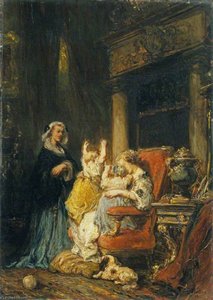
The Young Mother: Another captivating Impressionist painting showcasing maternal tenderness and serene beauty.
Recommended Reproduction:
Consider commissioning a high-quality hand-painted reproduction of “Court Reception at a Château” to bring this iconic artwork into your home or interior design project.
Related Artworks

Artist Biography
Eugène Louis Gabriel Isabey: A Romantic Master of Marine Landscapes
Eugène Louis Gabriel Isabey (1803-1886) stands as a pivotal figure in French Romantic painting, particularly renowned for his breathtaking depictions of the sea and coastline. Born into a family steeped in artistic tradition – his father, Jean-Baptiste Isabey, was himself a celebrated painter favored by the imperial court – Isabey’s early life foreshadowed a creative destiny. Initially drawn to seafaring adventures, he swiftly recognized that his true vocation lay within the realm of art, spurred on by his father's insistence against pursuing a more conventional path. This decision proved transformative, propelling him toward intensive study at the Louvre and collaborative endeavors with fellow landscape artist Xavier Leprince in Honfleur, establishing a formative partnership that would endure until Leprince’s untimely demise.- Early Training & Influences: Isabey's artistic education began under his father’s tutelage, where he diligently absorbed the stylistic principles of Old Masters like Rembrandt and Vermeer. The Louvre served as a crucible for honing his observational skills and developing an appreciation for tonal harmony—a technique that would become characteristic of his oeuvre.
- Honfleur & Collaboration: His association with Leprince at Honfleur proved invaluable, fostering a shared passion for capturing the dramatic beauty of Brittany’s coastline. Together, they produced canvases brimming with atmospheric perspective and nuanced color palettes, reflecting the burgeoning Impressionist movement's nascent explorations of light and shadow.
- Salon Exhibitions & Recognition: Isabey debuted his artistic talent at the Salon in 1831, garnering initial acclaim for landscapes showcasing the naval campaign in Morocco—a journey undertaken with Eugène Delacroix, whose influence extended beyond mere companionship; Delacroix’s bold experimentation with color and brushwork undoubtedly shaped Isabey's evolving style.
Royal Patronage & Artistic Evolution
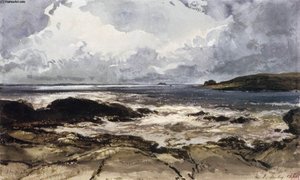
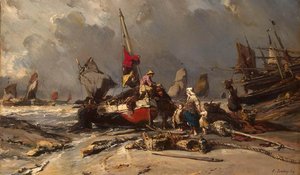
Isabey ascended to prominence during Louis-Philippe’s reign (1830-1848), securing a prestigious position as court painter—a distinction symbolized by his knighthood in the Légion d'honneur. This patronage afforded him access to influential circles and fueled his artistic ambition, resulting in monumental canvases like “The Return of Napoleon from Elba,” commemorating Napoleon Bonaparte’s triumphant return from exile aboard the Belle Poule. During this period, Isabey embraced a more expressive approach, prioritizing dramatic lighting and emotive color combinations—a stylistic hallmark that distinguishes him from earlier Romantic painters. Notably, he studied Turner's masterful handling of atmospheric effects, recognizing the power of tonal gradation to convey mood and grandeur.- Notable Paintings: Among Isabey’s most celebrated works are “Rocks at Saint-Malo,” “Fishing Boats on a Beach,” and “The Return of Napoleon from Elba,” each demonstrating his exceptional ability to render the subtleties of marine landscapes with remarkable precision and emotional resonance.
- Teaching & Mentorship: Recognizing the importance of artistic transmission, Isabey established a studio where he nurtured the talents of aspiring artists—including Eugène Boudin, Johan Barthold Jongkind, and Durand-Brager—solidifying his legacy as a formative influence on subsequent generations of painters.
Legacy & Historical Significance
Isabey’s contribution to French Romantic art transcends mere stylistic innovation; he embodies the spirit of the era's fascination with nature and its exploration of psychological depth. His canvases serve as windows into a bygone world, capturing not only visual splendor but also the emotional complexities inherent in human experience—particularly the anxieties surrounding change and uncertainty. Isabey’s unwavering dedication to his craft and his enduring influence on fellow artists cemented his place among the luminaries of 19th-century art, ensuring that his evocative depictions of the sea continue to captivate audiences today. He remains a testament to the transformative power of artistic passion and the indelible mark left by those who strive to capture the sublime beauty of the natural world.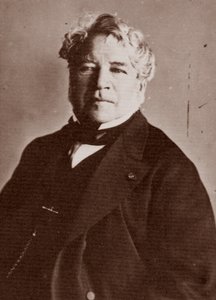
eugène louis gabriel isabey
1803 - 1886 , France
Quick Facts
- Artistic Movement Or Style: Romanticism
- Artists Or Movements Influenced By This Artist: ['Claude Joseph Vernet']
- Artists Who Influenced This Artist:
- Jean Auguste Dominique Ingres
- Jacques-Nicolas Augustin Cochin
- Date Of Birth: Paris, France (1803)
- Date Of Death: 1886
- Full Name: Eugène Louis Gabriel Isabey
- Nationality: French
- Notable Artworks:
- L'embarquement de l'Amiral Ruyter
- Rocks at Saint-Malo
- Fishing Boats on a Beach
- Place Of Birth: Paris
Related Articles
Romantic Realism's Finest: 10 Masterpieces for Your Home | ArtsDot
Explore 10 defining masterpieces of Romantic Realism! Discover Courbet, Millet & Daumier's powerful paintings—capturing emotion and social realities. Find museum-quality reproductions for your home at ArtsDot.com.
The Poetic Truth of Observation: Exploring 19th-Century Realism in Painting
Explore the captivating world of 19th-century Realism! Discover key artists like Courbet & Millet, masterpieces, and the powerful social commentary behind this influential art movement. Expert insights at ArtsDot.
The Evocative Embrace of Reality: Exploring Romantic Realism in 19th-Century Painting
Explore the captivating world of Romantic Realism! Discover key artists like Courbet & Millet, masterpieces, and the social context behind this influential art movement. Expert insights for collectors at ArtsDot.
Historical Realism: A Pursuit of Truthful Representation in 19th-Century Art
Explore the captivating world of 19th-century Realism! Discover key artists like Courbet, groundbreaking techniques & the social context behind this influential art movement. Expert insights at ArtsDot.
Émile Jean Horace Vernet: Romantic Realism & Depicting 19th-Century Life
Explore the life & art of Émile Jean Horace Vernet, a master of Romantic Realism. Discover his captivating battle scenes, portraits, and Orientalist works – a window into 19th-century France. Learn about his techniques & enduring legacy.