 Preview
 Send
Send Share
Share
 Details

 Download
 Similars
 X-Ray
X-Ray Diaporama
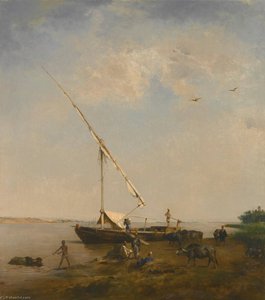
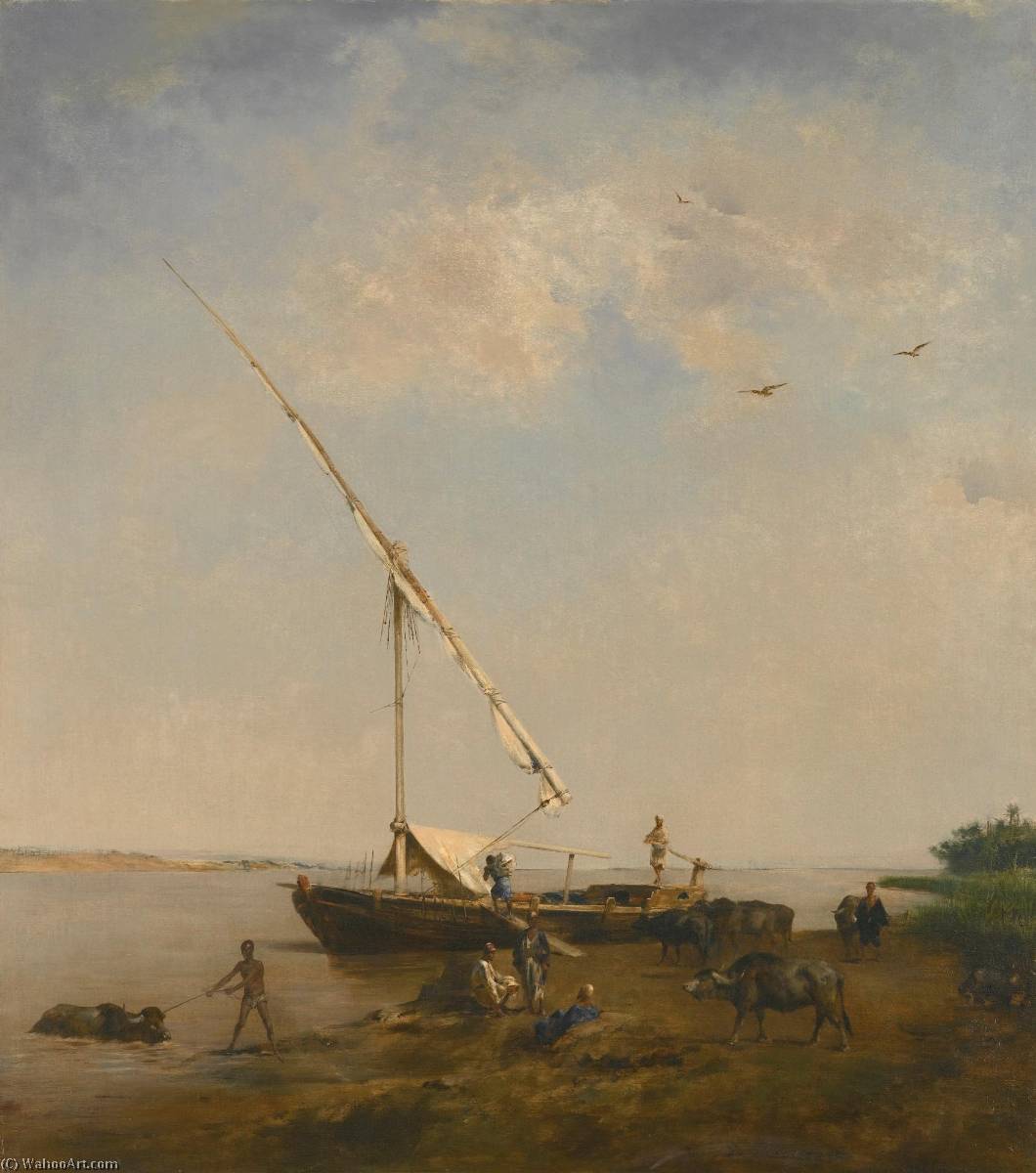
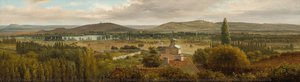
Felucca au bord du nil

 Read More
Hand Made Oil Reproduction
Hand-painted oil on canvas in your size and frame, made to order by our artists. ( Buy Print Buy Image)




































Pick from our preset sizes that match the artwork's original proportions.

You may enter your own dimensions to fit a specific frame or space. If your selected size does not match the original image's proportions, we will either crop the artwork or extend the painting with additional hand-painted elements. A digital mockup will be sent for your approval before production begins.
Please note that the on-screen preview does not reflect the actual cropping or extension. Only the mockup will accurately show the final composition.
While custom sizes are available, we recommend selecting a dimension from the predefined list to preserve the original proportions.
After order, ArtsDot.com team will email client for instructions and provide a mockup preview
Worldwide Delivery () in 3/4 weeks instead of standard 5 weeks. (17 August). No compromise on quality.

Free Worldwide Express Shipping

High-Quality Linen Canvas

Full Shipping Insurance

Customs Tax Refund Guarantee

True Color Matching Guarantee

60-Day Return Policy (Defects Only)

100% Money-Back Guarantee

Bulk Discount Offer
 Glass option is only available in size under 110 CM

Felucca au bord du nil
Reproduction Medium
Reproduction Size
-


Total Price
$ 413
Related Artworks
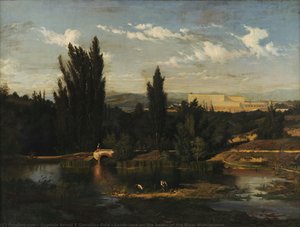
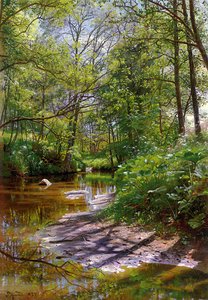
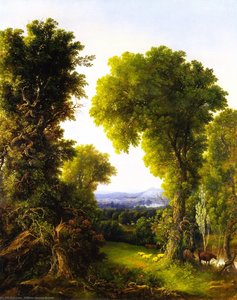
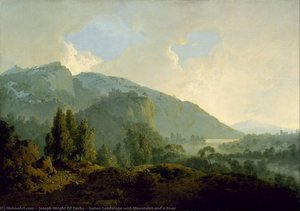
Artist Biography
Eugène Fromentin: Painter of Algerian Landscapes and Literary Critic
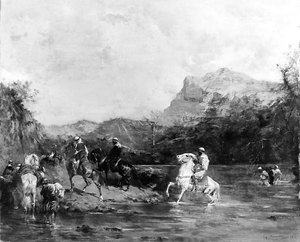
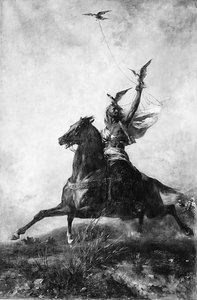
Eugène Fromentin (1820-1876) stands as a pivotal figure in French Orientalist painting, yet his legacy extends far beyond mere visual representation. Born in La Rochelle, France, he embarked on an artistic journey marked by early exposure to landscape painting under Louis Cabat and propelled him toward a profound engagement with the vibrant culture of Algeria—a fascination that would define both his oeuvre and his intellectual pursuits. More than just capturing picturesque vistas, Fromentin sought to distill the essence of Algerian life, blending meticulous observation with expressive brushstrokes to create images imbued with palpable atmosphere. Fromentin’s artistic breakthrough arrived in 1847 with “Les gorges de la Chiffa,” a monumental canvas that immediately garnered acclaim at the Salon and established him as one of the foremost interpreters of Algeria's dramatic topography. This painting, alongside others like "The Arab Falconer" and "Arabs Crossing a Ford," exemplifies his distinctive style—characterized by luminous color palettes, dynamic compositions, and an unwavering commitment to realism. He meticulously documented the flora and fauna of the Sahara Desert, capturing the rugged beauty of its landscapes with remarkable accuracy. Notably, Fromentin’s artistic vision was deeply informed by the influence of Eugène Delacroix, whose Romantic fervor resonated within his own approach to painting. However, Fromentin's contribution to art history transcends purely visual aesthetics. He emerged as a pioneering art critic and writer, notably through his seminal work “Les maîtres d’autrefois,” published in 1876. This book constitutes an ambitious undertaking—a comprehensive analysis of early Netherlandish painting and the Northern Baroque masters—presented not merely as scholarly exposition but as a deeply personal reflection on artistic achievement. Fromentin argued that understanding a painter's context – social, political, and economic – was crucial to appreciating the artwork’s significance. He championed a humanist perspective, emphasizing the artist’s emotional engagement with his subject matter and recognizing the broader cultural currents shaping artistic expression. His meticulous dissection of Rembrandt’s “The Night Watch,” for instance, demonstrated an unparalleled grasp of visual technique alongside astute psychological insight. Fromentin's literary endeavors mirrored his artistic sensibilities—a dedication to capturing authentic experience and conveying nuanced observations. He traveled extensively throughout Europe and North Africa, documenting his journeys with vivid prose that captured the spirit of each locale. His novel “Dominique” explored themes of love, loss, and social conscience, reflecting a broader intellectual curiosity that extended beyond the realm of art. Ultimately, Eugène Fromentin’s artistic legacy rests on his ability to fuse meticulous observation with expressive artistry—a synthesis that cemented his place as one of the most influential painters of the 19th century and established him as an innovator in critical thought. His work continues to inspire admiration for its beauty and intellectual depth, reminding us of the transformative power of art to illuminate both visual splendor and human understanding.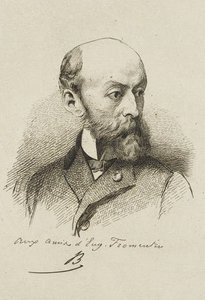
eugène samuel auguste fromentin
1820 - 1876
Quick Facts
- Artistic Movement Or Style: Orientalism
- Artists Or Movements Influenced By This Artist: ['Delacroix']
- Artists Who Influenced This Artist: ['Louis Cabat']
- Date Of Birth: October 24, 1820
- Date Of Death: August 27, 1876
- Full Name: Eugène Samuel Auguste Fromentin
- Nationality: French
- Notable Artworks:
- The Land of Thirst
- The Arab Falconer
- Arabs Crossing a Ford
- Place Of Birth: La Rochelle, France
Related Articles

Beyond the Horizon: 10 Landscape Masterpieces for Your Home Decor
Journey through 10 breathtaking landscape paintings by Monet, Van Gogh & more! Explore iconic artworks, artistic techniques & find inspiration for your home decor. Museum-quality reproductions at ArtsDot.com. Discover all masterpieces on ArtsDot.com
Evoking Nature's Sublime: A Comprehensive Exploration of 19th-Century Landscape Painting
Explore the captivating world of 19th-century landscape painting! Discover renowned artists like Friedrich & Monet, key movements, and find the perfect artwork to bring nature's serenity into your home. Expert insights at ArtsDot.

Romantic Landscapes: 10 Masterpieces for Your Home | ArtsDot
Journey through 10 Romantic landscape masterpieces by Friedrich, Turner & Cole. Explore emotional art, sublime nature scenes & iconic 19th-century paintings. Find museum-quality reproductions for your home at ArtsDot.com – discover the full collection online!
Flowing Narratives: Rivers in Painting – A Historical Exploration
Explore the rich history of rivers in painting! Discover masterpieces from ancient times to Impressionism & beyond. Learn about symbolism, artists like Monet & Daubigny, and find your perfect serene artwork at ArtsDot.

John Constable's Masterpieces: Explore 25 Iconic Landscapes for Your Home
Journey through John Constable's 25 most celebrated landscapes. Explore Romanticism, Dedham Vale & his masterful use of light in iconic paintings like 'Hay Wain'. Find museum-quality art reproductions and elevate your home decor on ArtsDot.com.