 Preview
 Send
Send Share
Share
 Details

 Download
 Similars
 X-Ray
X-Ray Diaporama
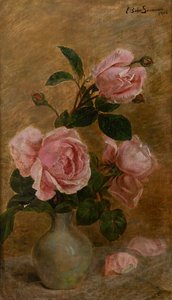
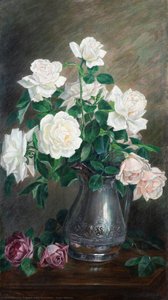
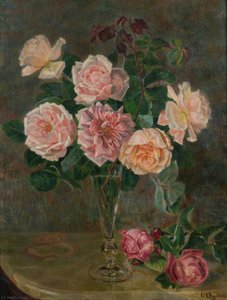
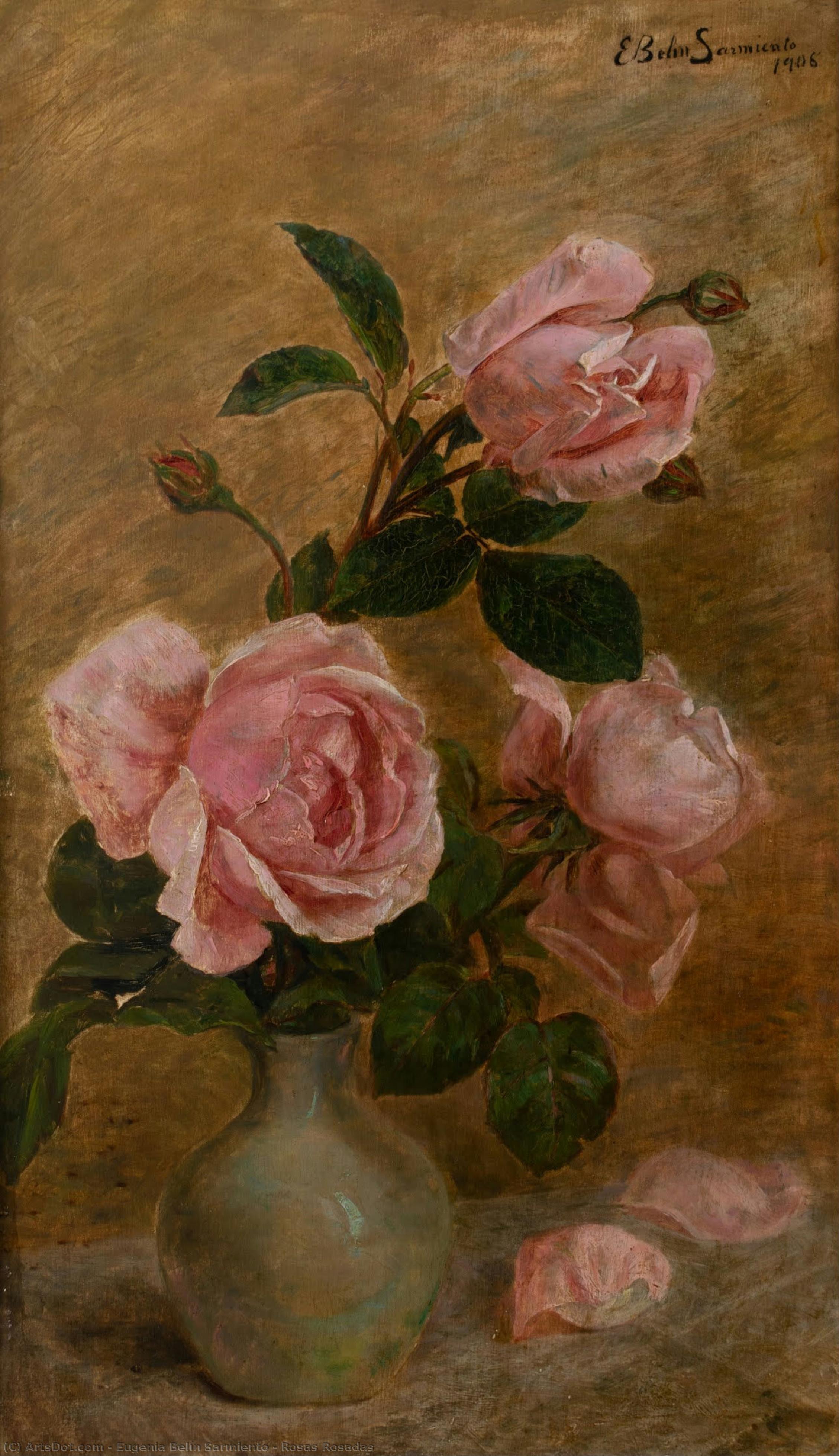
Rosas Rosadas


 Read More
Hand Made Oil Reproduction
Hand-painted oil on canvas in your size and frame, made to order by our artists. ( Buy Print Buy Image)




P118B $10

P118H $10

P118W $10

P438Z $10

P508JH $12

P508YH $12

P805H $10

P805Z $10

P919BZ $10

P919G $10

P919XJ $10

P959ZH $10

P968JZ $12

W106C $8

W218G $10

W218JH $8

W218Y $10

W307PJ $10

W316G $10

W316PJ $8

W316Y $10

W398PJ $8

W4111J $10

W500HY $15

W500JH $15

W692G $12

W849H $8

W940BG $15

W953PJ $8




Pick from our preset sizes that match the artwork's original proportions.

You may enter your own dimensions to fit a specific frame or space. If your selected size does not match the original image's proportions, we will either crop the artwork or extend the painting with additional hand-painted elements. A digital mockup will be sent for your approval before production begins.
Please note that the on-screen preview does not reflect the actual cropping or extension. Only the mockup will accurately show the final composition.
While custom sizes are available, we recommend selecting a dimension from the predefined list to preserve the original proportions.
After order, ArtsDot.com team will email client for instructions and provide a mockup preview
Worldwide Delivery () in 3/4 weeks instead of standard 5 weeks. (17 August). No compromise on quality.

Free Worldwide Express Shipping

High-Quality Linen Canvas

Full Shipping Insurance

Customs Tax Refund Guarantee

True Color Matching Guarantee

60-Day Return Policy (Defects Only)

100% Money-Back Guarantee

Bulk Discount Offer
 Glass option is only available in size under 110 CM

Rosas Rosadas
Reproduction Medium
Reproduction Size
-


Total Price
$ 263
Artwork Description
A Delicate Bloom Amidst Legacy: Exploring Eugenia Belín Sarmiento’s “Rosas Rosadas”
“Rosas Rosadas,” painted in 1906 by Argentine artist Eugenia Belín Sarmiento, transcends mere botanical representation; it embodies a profound connection to familial history and the burgeoning Impressionistic movement. This captivating still life captures a bouquet of roses nestled within a subtly shaded vase upon a wooden table—a deceptively simple composition that speaks volumes about artistic vision and personal sentiment.Style and Technique: Embracing Impressionistic Light
Sarmiento’s approach aligns seamlessly with the tenets of Impressionism, prioritizing fleeting moments of light and color over meticulous detail. Unlike academic painting traditions of her time, which sought to faithfully reproduce reality, Belín Sarmiento skillfully employs loose brushstrokes—characteristic of Impressionists like Monet and Renoir—to convey an atmospheric impression rather than a photographic likeness. The muted greens of the vase’s base and the table surface create a tranquil backdrop that allows the vibrant hues of the roses to dominate the visual field. Careful layering of glazes contributes to the painting's luminous quality, capturing the way sunlight filters through the petals and casts delicate shadows across their surfaces.Historical Context: Argentina Under Sarmiento’s Influence
The artwork’s creation coincided with Domingo Faustino Sarmiento’s presidency—a period marked by significant reforms aimed at bolstering Argentine education and fostering intellectual discourse. Belín Sarmiento's grandfather, a staunch advocate for liberal ideals and cultural enrichment, undoubtedly instilled in her a deep appreciation for beauty and artistic expression. This familial connection is palpable not only in the artist’s biographical details but also subtly reflected in the painting’s serene mood—a testament to the enduring legacy of Sarmiento’s progressive vision. The Impressionist style itself was gaining traction across Europe during this era, representing a deliberate break from realism and embracing subjective experience as central to artistic endeavor.Symbolism: Roses – Remembrance and Renewal
Roses have long held symbolic significance throughout Western art history—representing love, beauty, passion, and remembrance. In “Rosas Rosadas,” the three roses—one bearing two buds—likely symbolize resilience and hope amidst life’s challenges. The fallen petals scattered beneath the vase serve as poignant reminders of transience and decay, juxtaposed against the enduring vibrancy of the blossoms themselves. This duality underscores a broader thematic concern with capturing the ephemeral nature of beauty and conveying an emotional resonance that transcends literal depiction.Emotional Impact: Tranquility and Nostalgia
The painting’s overall effect is one of quiet contemplation—a feeling evoked by its harmonious color palette, soft brushstrokes, and evocative lighting. “Rosas Rosadas” invites viewers to pause and appreciate the subtle nuances of visual perception, fostering a sense of nostalgia for a bygone era while simultaneously celebrating the enduring power of artistic beauty. It’s a piece that speaks to the human desire for solace and contemplation—a timeless meditation on nature's grace and the complexities of memory.Related Artworks
Artist Biography
A Legacy Etched in Portraiture: The Life and Art of Eugenia Belín Sarmiento
Eugenia Belín Sarmiento, born in 1860 amidst the vibrant cultural currents of San Juan, Puerto Rico – though deeply rooted in Argentina’s artistic landscape – stands as a compelling figure in 19th-century Latin American art. Her life was inextricably linked to one of Argentina's most pivotal historical figures: her grandfather, Domingo Faustino Sarmiento, president from 1868 to 1874 and a champion of education and progress. This familial connection profoundly shaped not only her personal trajectory but also the thematic core of much of her artistic output. While she explored still lifes and miniatures, it is through her portraits – particularly those of Sarmiento himself – that Belín Sarmiento’s unique talent truly shines, offering intimate glimpses into character and a nuanced reflection of an era. Her work isn't merely representation; it’s an interpretation, imbued with both affection and insightful observation.Artistic Development and the Embrace of Impressionism
Belín Sarmiento’s artistic journey unfolded against a backdrop of evolving European styles, most notably the burgeoning Impressionist movement. Her canvases demonstrate a clear embrace of its tenets: visible brushstrokes that capture the fleeting effects of light, an emphasis on atmosphere, and a desire to convey subjective experience. However, she didn't simply adopt these techniques wholesale. She skillfully blended them with a meticulous attention to detail, particularly in rendering facial features – a hallmark of her portraiture. This fusion created a distinctive aesthetic, one that moved beyond mere likeness to explore the psychological depth of her subjects. Her training included studies under José Agujari in Buenos Aires and periods of study abroad in Belgium, where she honed her skills with established masters. The influence of French painting is subtly present, yet Belín Sarmiento forged her own path, imbuing her work with a distinctly Argentine sensibility.Portraits as Historical Documents: Capturing a Generation
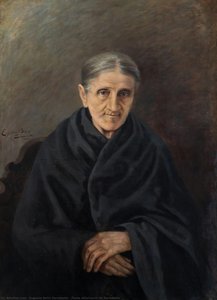
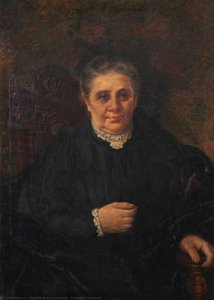
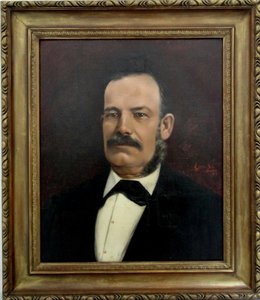
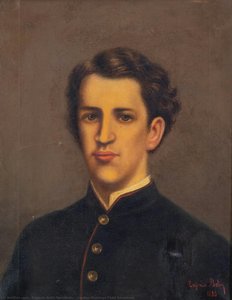
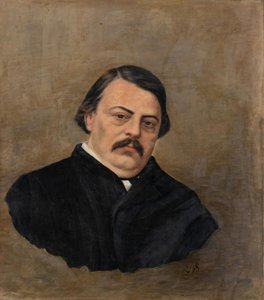
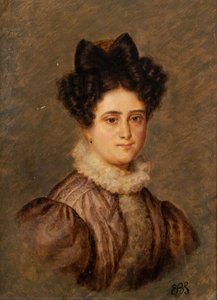
While proficient across various genres, Eugenia Belín Sarmiento’s enduring legacy rests on her portraits. Her most celebrated works are undoubtedly those depicting Domingo Faustino Sarmiento. These aren't idealized representations intended for political propaganda; rather, they offer insightful interpretations of his personality and intellectual presence. Each portrait seems to delve beneath the surface, revealing a man grappling with complex ideas and burdened by the weight of leadership. Beyond her grandfather, she extended her talent to portray other members of her family – Capitan Domingo Fidel Sarmiento, Paula Albarracín de Sarmiento, Adelaida Mandar de Belin, and Julio Belin – each portrait a testament to her ability to capture individual character. These familial portraits, alongside those of other prominent figures like Dalmacio Vélez Sarsfield, Francisco Muniz, and José María Estrada, serve as invaluable visual records of the Argentine elite during a period of significant social and political transformation.Recognition and Lasting Significance
Belín Sarmiento’s talent garnered recognition beyond Argentina's borders. A pivotal moment in her career came with her participation in the first Exposición Anual de Pintura, Dibujo y Escultura (Annual Exhibition of Painting, Drawing, and Sculpture) for artists of South America held in 1893. This exhibition was a landmark event, showcasing Latin American art on an international stage and establishing Belín Sarmiento as a rising star within the region’s artistic community. Her work continues to be studied not only for its aesthetic qualities but also for its historical context. She provides valuable insights into the social and political climate of 19th-century Argentina, offering a visual counterpoint to written accounts of the era. Her paintings are more than just beautiful objects; they are windows into a bygone world, meticulously rendered by an artist deeply connected to the figures she portrayed. Her contribution lies in her ability to document her time through artistic skill and personal connection, leaving behind a legacy that resonates with both art historians and those interested in Argentine history.A Continuing Dialogue with the Past
Eugenia Belín Sarmiento’s influence extends beyond the immediate impact of her artwork. Her dedication to portraiture, combined with her unique stylistic blend, paved the way for future generations of Argentine artists. While specific influences on her work remain somewhat elusive – though Impressionism is clearly evident – it's reasonable to assume she engaged with the broader European art movements of her time and the tradition of historical painting. Today, her paintings are held in both public and private collections, continuing to spark dialogue about Argentina’s cultural heritage. The Sarmiento Historical Museum, dedicated to the life and legacy of her grandfather, also preserves examples of her work, ensuring that her artistic contribution remains accessible to future generations. Her story is a reminder that art can be both a personal expression and a powerful tool for preserving history, offering a lasting tribute to a remarkable woman and a pivotal era in Argentine history.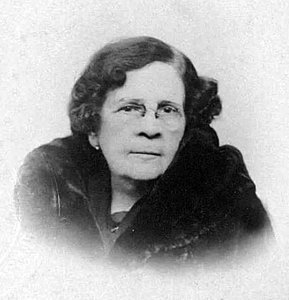
Eugenia Belín Sarmiento
1860 - 1952 , Argentina
Quick Facts
- Artistic Movement Or Style: Impressionism
- Date Of Birth: 1860
- Date Of Death: 1952
- Full Name: Eugenia Belín Sarmiento
- Nationality: Argentine
- Notable Artworks:
- Rosas blancas
- Domingo Faustino Sarmiento
- Dibujo
- Place Of Birth: San Juan, Argentina
Related Articles

Cézanne's Masterpieces: 25 Iconic Artworks to Transform Your Space
Journey through 25 iconic artworks by Paul Cézanne – a master of Impressionism and Post-Impressionism. Explore his landscapes, still lifes, and the stories behind these timeless masterpieces. Discover museum-quality reproductions & curated decor at ArtsDot.com.
Guy Rose: Luminism, Impressionism & the Californian Aesthetic – A Comprehensive Exploration of Life and Legacy
Explore the life & art of Guy Rose, a leading American Impressionist painter. Discover his luminous California landscapes, Giverny scenes, and enduring legacy. A comprehensive guide for collectors & enthusiasts.
Silent Narratives: Exploring the Enduring Appeal of Still Life Painting Across Centuries
Explore the rich history of still life painting with ArtsDot. Discover Dutch Masters, decode vanitas symbolism & learn about collecting timeless art. Expert insights and museum-quality reproductions.
Guy Orlando Rose: Capturing California's Luminosity in American Impressionism
Explore the luminous landscapes of Guy Orlando Rose, a leading American Impressionist painter deeply influenced by Monet. Discover his mastery of light, atmospheric perspective & California scenes. Learn about his legacy and find high-quality reproductions.

Impressionism's Masterpieces: 10 Paintings That Defined a Movement | ArtsDot
Journey through Impressionism's heart with 10 iconic paintings by Monet, Renoir & Degas. Explore light, color & the stories behind these masterpieces. Find museum-quality art reproductions and elevate your home decor on ArtsDot.com.