

 Preview
 Send
Send Share
Share
 Details

 Download
 Similars
 X-Ray
X-Ray Diaporama
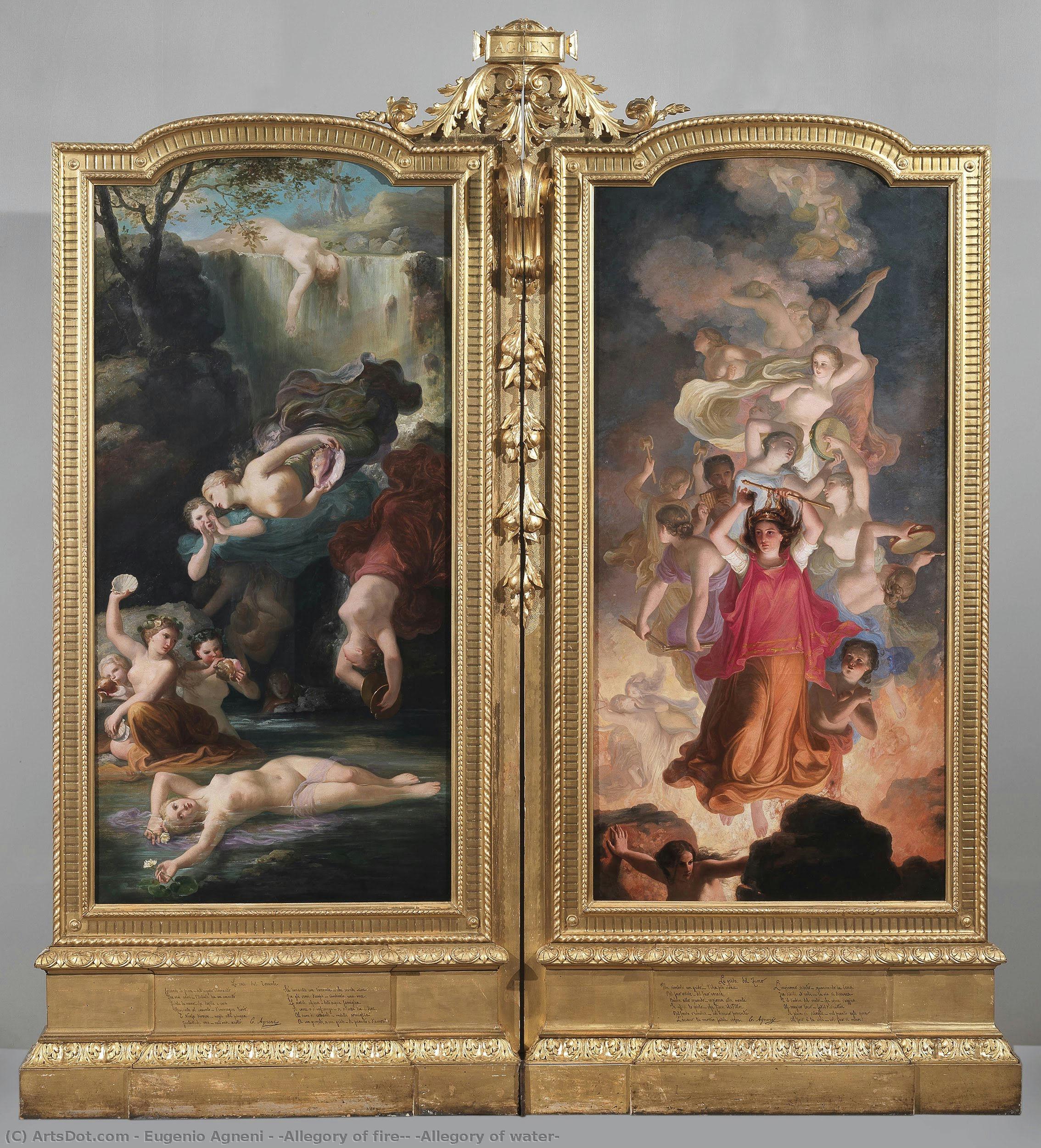
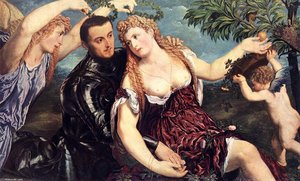
“Allegory of fire”; “Allegory of water”


 Read More
Purchase a high-resolution, enhanced digital image, far superior to the online preview.
Each file is meticulously prepared by our in-house specialists using advanced tools and expert manual retouching. We ensure every image has exceptional clarity, precise color accuracy, and fine detail.
The final file is delivered via email within 72 hours, optimized for immediate use in professional, editorial, and print environments. This is the same quality trusted by top-tier design studios, publishers, and galleries.
Digital Image
Download a high-resolution file for personal display, printing, and creative projects. ( Buy Print Buy Hand Made Painting)
Included in Every Digital Image Order
Expert Digital Delivery, Guaranteed
When you choose ArtsDot.com, you're not just getting an image - you're receiving a professionally enhanced digital artwork, crafted with precision and backed by a satisfaction guarantee. Here's everything that comes with your order, automatically:

Fast Email Delivery
Your high-resolution digital image file will be emailed to you within 72 hours of ordering - ready for immediate use.

AI-Enhanced Digital File
Your artwork is professionally optimized using advanced AI tools and manual editing, ensuring maximum detail, clarity, and color accuracy.

Free Lifetime Re-Delivery
Accidentally deleted or lost your file? No worries - we'll resend it to you anytime, free of charge.

No Import Fees - Ever
Enjoy your artwork instantly with zero customs, duties, or delivery fees - digital downloads are always tax-free.

Color Accuracy Guarantee
We ensure your digital image reflects the original colors as closely as possible using professional tools and color management.

60-Day Satisfaction Guarantee
If you're not satisfied with your digital image, we'll revise it or refund 100% within 60 days - no questions asked.

100% Money-Back Guarantee
Not satisfied? Get a full refund within 60 days of receiving your digital file - no questions asked.

Bulk Order Discounts
Buy 3 images, save 10% - Buy 5, save 15% - Buy 10+, save 20%. Great for creative projects, galleries, and agencies.
A Celestial Dance of Elements
In the grand tradition of Italian Romanticism, Eugenio Agneni’s “Allegory of Fire” and “Allegory of Water” stand as breathtaking testaments to the power of mythic storytelling. This monumental oil on canvas invites the viewer into a realm where the boundaries between the physical world and the divine dissolve. The composition is anchored by two central figures: a graceful woman embodying the fluid, life-giving essence of water, and a powerful man representing the transformative, untamed heat of fire. As they stand side by side, their presence creates a profound tension—a cosmic balance between destruction and creation that has captivated onlookers for generations.
The mastery of Agneni is evident in the way he orchestrates movement across the canvas. Beyond the primary protagonists, the painting breathes with life through a delicate arrangement of smaller figures, including ethereal angels and mythical creatures that drift through the periphery. These secondary characters are not merely decorative; they serve to deepen the narrative complexity, acting as witnesses to the elemental struggle. For the discerning collector or interior designer, this piece offers an unparalleled sense of depth, making it a commanding focal point for any space that seeks to evoke grandeur and intellectual curiosity.
Technique and the Venetian Legacy
To understand the visual splendor of these allegories, one must look to Agneni’s prestigious training. Having honed his craft in the Roman ateliers under masters like Erzoche and Beretta, Agneni infused his work with a meticulous draftsmanship that is characteristic of classical tradition. However, it is the Venetian influence that truly breathes soul into the pigment. The artist utilizes a vibrant palette and a sophisticated handling of light to simulate the shimmering surface of water and the flickering intensity of flames.
The technique employed here is nothing short of virtuosic. Agneni uses layers of oil paint to create a luminous quality, where light seems to emanate from within the canvas itself. This interplay of light and shadow—the chiaroscuro effect—enhances the three-dimensionality of the figures, making them appear almost sculptural. For those seeking a high-quality reproduction, capturing these subtle gradations of color and the rich texture of the brushwork is essential to preserving the emotional weight and historical prestige that Agneni intended.
Symbolism and Interior Inspiration
Beyond its aesthetic brilliance, the artwork serves as a profound meditation on the duality of nature. The Allegory of Water speaks to tranquility, fertility, and the subconscious, while the Allegory of Fire evokes passion, energy, and the spark of life. Together, they represent the fundamental forces that shape our existence. This symbolic richness makes the painting an extraordinary choice for curated environments, such as luxury libraries, formal dining rooms, or sophisticated gallery spaces, where conversation and contemplation are encouraged.
Integrating a reproduction of this caliber into a modern or classical interior allows a designer to introduce a sense of timelessness. The artwork does more than decorate a wall; it establishes an atmosphere of historical significance and emotional resonance. Whether placed in a sunlit hall to highlight the watery themes or in a cozy, dimly lit study to emphasize the warmth of fire, Agneni’s work remains a captivating window into the romantic spirit of the nineteenth century.
Related Artworks


Artist Biography
Eugenio Agneni: A Visionary of the Italian Risorgimento
The life of Eugenio Agneni (1816–1879) was as dramatic and turbulent as the historical era he helped to visually define. Born in the ancient town of Sutri, within the Province of Viterbo, Agneni emerged from the heart of Italy during a period of profound political transformation. His artistic journey began in earnest in Rome around 1833, where he immersed himself in the rigorous traditions of classical draftsmanship. Under the guidance of masters such as Erzoche and the Beretta brothers of Bergamo, and later through the refined instruction of Francesco Coghetti, Agneni developed a technical prowess that allowed him to navigate both the delicate nuances of fresco and the grand scale of historical canvas. His early training provided him with more than just skill; it instilled in him a profound understanding of how light and composition could be harnessed to serve much larger narratives of power, faith, and national identity.
As his talent matured, Agneni’s work became inextricably linked to the architectural splendor of Italy's most prestigious institutions. His ability to breathe life into stone and plaster earned him significant commissions that remain landmarks of 19th-century decorative art. In 1847, he contributed to the breathtaking decoration of the throne room at the Palazzo Quirinale, a feat that placed him at the very center of papal and political prestige. His hand also graced the walls of the Villa Torlonia in Porta Pia and the chapel in Montecitorio, where he depicted moving episodes from the life of San Vincenzo di Paola. These works were not merely decorative; they were exercises in spiritual and historical storytelling, utilizing a vibrant palette and an atmospheric perspective that echoed the luminous traditions of Venetian masters like Tiepolo, yet remained grounded in a Roman sense of monumental gravity.
A Life in Exile and the Spirit of Patriotism
Beyond the quiet sanctity of the studio, Agneni was a man of action whose brush was often guided by the fervor of the Risorgimento. His commitment to the cause of Italian independence led him to join the insurgency of the brief Roman Republic in 1849. This political defiance carried heavy personal costs; when the papal government was restored, Agnenio found himself a man without a country, forced into a wandering exile that would ultimately expand his artistic horizons far beyond the borders of Italy. His flight took him through Savona and Genoa—where he left his mark on the Palazzo Rocca—and eventually to Florence and Paris. This period of displacement, while marked by hardship, allowed his style to absorb the cosmopolitan influences of Europe, blending Italian classical rigor with a broader, more international sensibility.
The final chapter of his travels brought him to London, where he achieved a level of international acclaim that few of his contemporaries could claim. In the heart of the British capital, Agneni applied his mastery of mythological themes to the ceilings of the Royal Opera House at Covent Garden and the prestigious rooms of Buckingham Palace. These works, characterized by their ethereal beauty and complex allegorical layers, demonstrated his ability to communicate universal truths through the language of myth. Even as he moved through the great art capitals of Europe, his heart remained tethered to the Italian struggle; his later return to Italy to fight alongside Garibaldi’s forces in 1859 and 1866 serves as a testament to a life where art and activism were one and the same.
Legacy of a Master Storyteller
The historical significance of Eugenio Agneni lies in his unique ability to synthesize the grandiosity of the past with the urgent political realities of his time. He was an artist who could paint the divine in a chapel and the heroic in a palace, all while navigating the shifting tides of revolution and restoration. His oeuvre remains a vital record of the 19th-century Italian spirit—a blend of classical elegance, romantic passion, and patriotic resolve. To look upon his canvases is to witness the echoes of a period when art was not merely an aesthetic pursuit, but a powerful instrument of national memory and cultural identity.
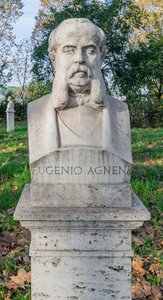
eugenio agneni
1816 - 1879 , Italy
Quick Facts
- Artistic Movement Or Style: Venetian Painting Art Movement
- Artists Who Influenced This Artist: ['Francesco Coghetti']
- Date Of Birth: January 26, 1816
- Date Of Death: May 25, 1879
- Full Name: Eugenio Agneni
- Nationality: Italian
- Notable Artworks:
- Departed Spirits of Great Florentines Protest Foreign Invasions
- Allegory of Fire";"Allegory of Water
- Place Of Birth: Sutri, Italy

