 Preview
 Send
Send Share
Share
 Details

 Download
 Similars
 X-Ray
X-Ray Diaporama
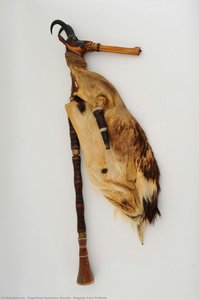
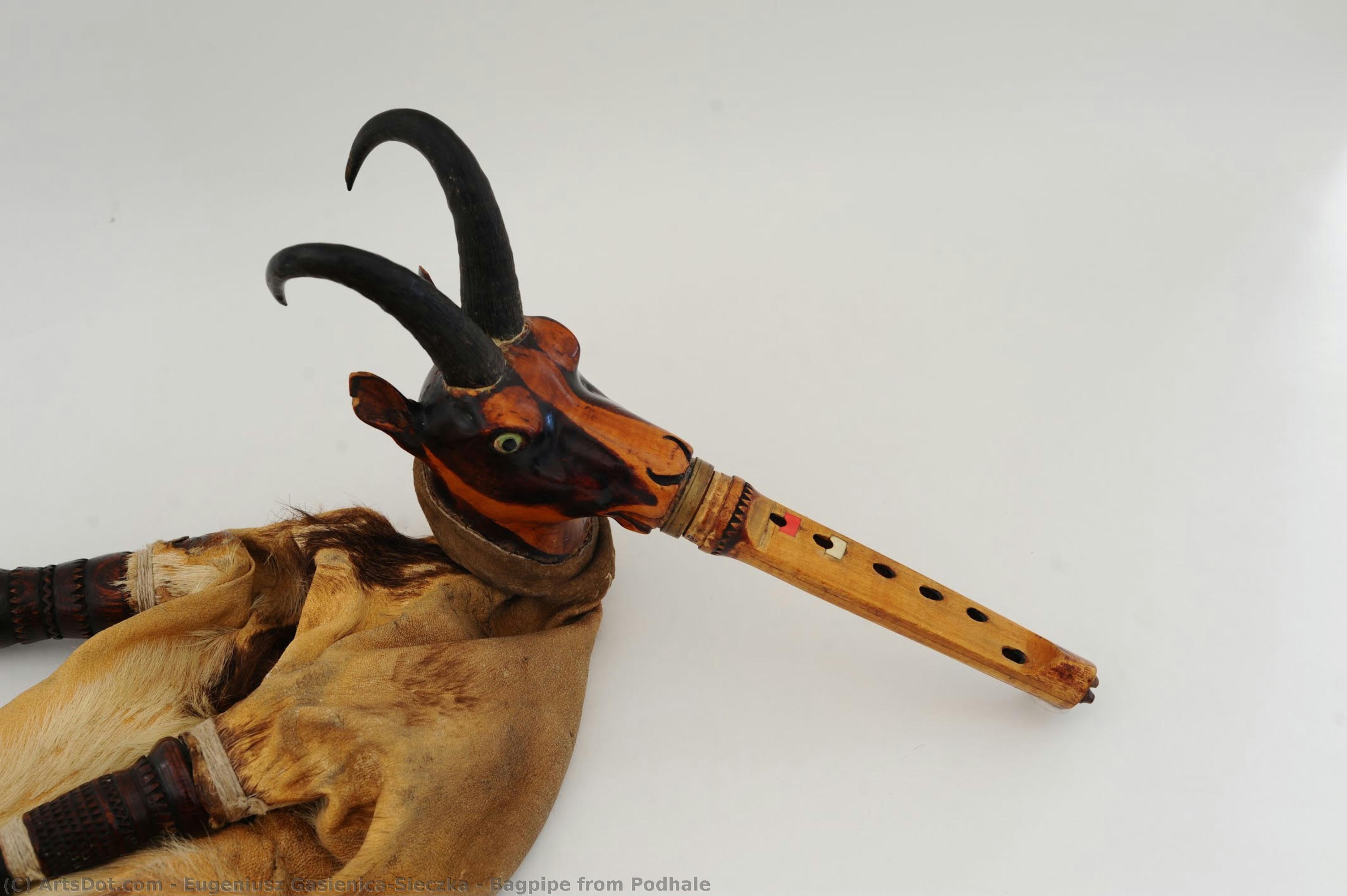
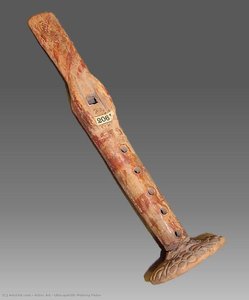
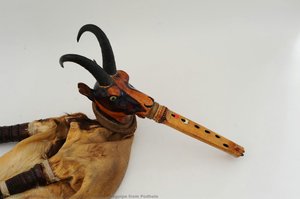
Bagpipe from Podhale


 Read More
Hand Made Oil Reproduction
Hand-painted oil on canvas in your size and frame, made to order by our artists. ( Buy Print Buy Image)




































Pick from our preset sizes that match the artwork's original proportions.

You may enter your own dimensions to fit a specific frame or space. If your selected size does not match the original image's proportions, we will either crop the artwork or extend the painting with additional hand-painted elements. A digital mockup will be sent for your approval before production begins.
Please note that the on-screen preview does not reflect the actual cropping or extension. Only the mockup will accurately show the final composition.
While custom sizes are available, we recommend selecting a dimension from the predefined list to preserve the original proportions.
After order, ArtsDot.com team will email client for instructions and provide a mockup preview
Worldwide Delivery () in 3/4 weeks instead of standard 5 weeks. (22 August). No compromise on quality.

Free Worldwide Express Shipping

High-Quality Linen Canvas

Full Shipping Insurance

Customs Tax Refund Guarantee

True Color Matching Guarantee

60-Day Return Policy (Defects Only)

100% Money-Back Guarantee

Bulk Discount Offer
 Glass option is only available in size under 110 CM

Bagpipe from Podhale
Reproduction Medium
Reproduction Size
-


Total Price
$ 263
Related Artworks




Artist Biography
The Alpinist of Art: The Soulful Craft of Eugeniusz Sieczka
In the annals of Polish art history, few figures possess a legacy as ruggedly beautiful and multifaceted as Eugeniusz Sieczka. Born in Warsaw in 1907, Sieczka lived a life defined by the pursuit of extremes—the physical heights of the European mountains and the meticulous depths of traditional craftsmanship. He was a man who existed at the intersection of adventure and preservation, a mountaineer whose spirit was forged in the frost of the Tatras and whose hands were skilled in the ancient, tactile language of leatherwork. His life, though tragically short, concluded in 1948, yet it left behind a profound connection to the Podhale region, a mountainous landscape in southern Poland where folklore and nature intertwine.
Sieczka’s artistic sensibility was inextricably linked to his passion for alpinism. As an accomplished mountaineer, he participated in demanding expeditions across Europe, facing the raw, unyielding elements of the high peaks. These experiences were far more than mere athletic feats; they served as a foundational influence on his creative vision. The resilience required to navigate treacherous terrain and the deep reverence for the enduring beauty of natural materials instilled in him a unique aesthetic. To Sieczka, the ruggedness of a mountain landscape was not something to be merely observed, but something to be felt and replicated through the medium of texture and form.
A Legacy Carved in Leather
While his mountaineering exploits are well-documented, it is through his mastery of leatherwork that Sieczka truly achieved a lasting artistic significance. He did not merely create objects; he sought to capture the very essence of Polish folk identity. His work represents a bridge between the ephemeral spirit of mountain life and the permanence of sculptural art. By utilizing traditional techniques, he breathed new life into the cultural heritage of the Podhale region, ensuring that the textures of rural tradition were preserved through his meticulous artistry.
The pinnacle of his creative output is perhaps best embodied in his iconic 1930 creation, Bagpipe from Podhale. This piece stands as a monumental achievement in Polish folk art, serving as both a sculpture and a cultural symbol. In this work, Sieczka demonstrated an extraordinary ability to translate the stylized forms of regional instruments into a tactile masterpiece. Through the careful manipulation of leather, he mirrored the simplicity and ruggedness of the mountainous terrain from which his inspiration flowed. The piece is more than a mere representation; it is an ethnographic window into a way of life, executed with a level of detail that speaks to his profound respect for the subject matter.
The enduring impact of Sieczka’s work can be summarized through several key elements of his contribution to art:
- Cultural Preservation: His dedication to traditional leatherworking techniques helped safeguard the artisanal heritage of the Podhale region.
- Synthesis of Disciplines: He successfully merged the physical bravery of mountaineering with the disciplined precision of fine craftsmanship.
- Regional Identity: Through works like the Bagpipe from Podhale, he provided a visual language for the folklore and spirit of southern Poland.
- Material Mastery: His ability to use organic, rugged materials to evoke complex emotional landscapes remains a hallmark of his unique style.
Ultimately, Eugeniusz Sieczka remains a singular figure whose work continues to fascinate scholars and collectors. He reminds us that art is not always found in the ethereal or the abstract, but often in the grit of the earth, the strength of tradition, and the enduring spirit of those who dare to climb both mountains and the heights of human creativity.
eugeniusz gasienica-sieczka
1907 - 1948 , Poland
Quick Facts
- Artistic Movement Or Style: Leatherwork
- Date Of Birth: 1907
- Full Name: eugeniusz sieczka
- Nationality: Polish
- Notable Artworks: ['Bagpipe from Podhale']
- Place Of Birth: Warsaw, Poland