 Preview
 Send
Send Share
Share
 Details

 Download
 Similars
 X-Ray
X-Ray Diaporama
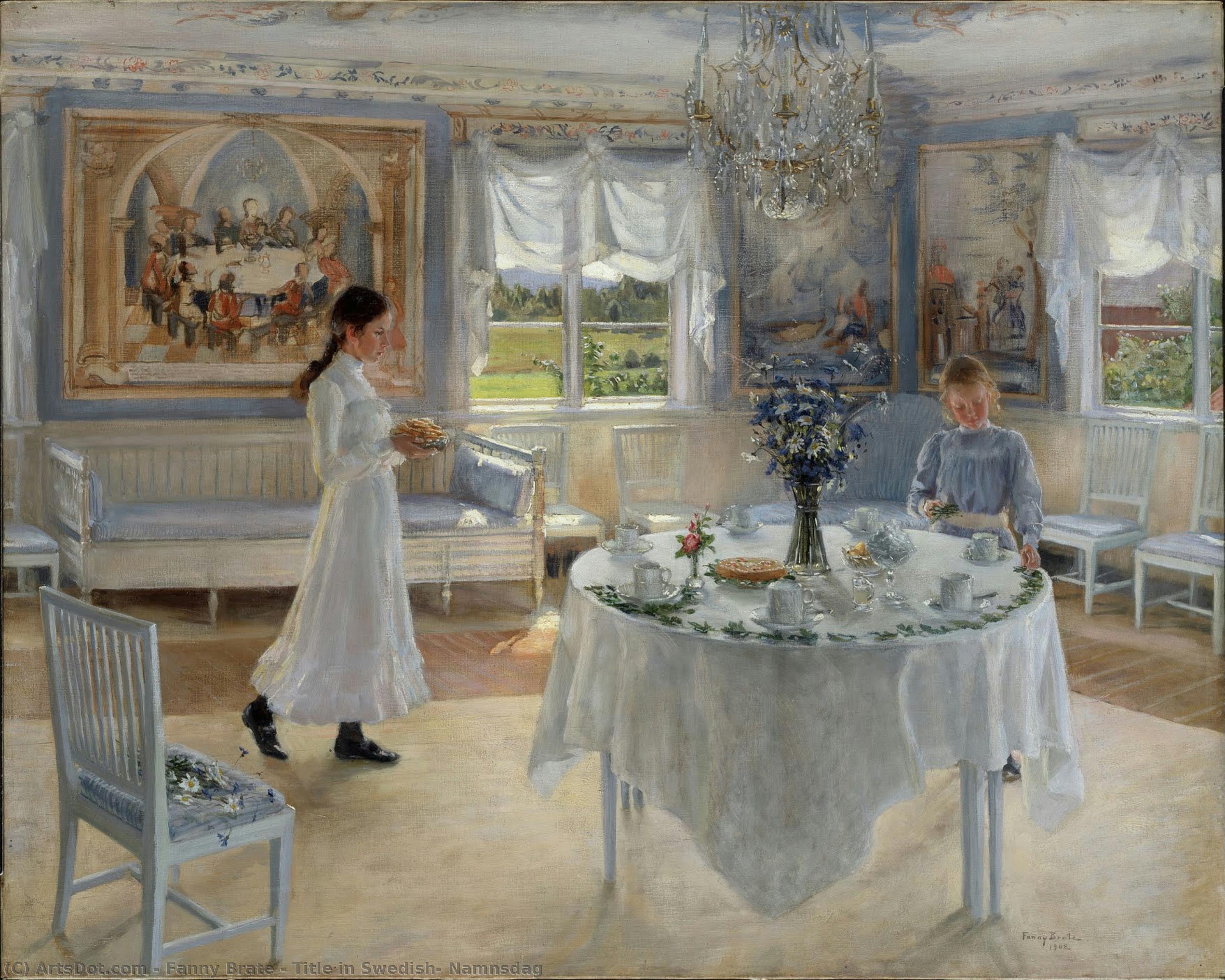
Title in Swedish: Namnsdag
 Oil On Canvas
- WallArt
- Swedish Genre Painting
 1902
1902- 19th Century
 100.0 x 880.0 cm
 Nationalmuseum
 Read More
Hand Made Oil Reproduction
Hand-painted oil on canvas in your size and frame, made to order by our artists. ( Buy Print Buy Image)




P118B $10

P118H $10

P118W $10

P438Z $10

P508JH $12

P508YH $12

P805H $10

P805Z $10

P919BZ $10

P919G $10

P919XJ $10

P959ZH $10

P968JZ $12

W106C $8

W218G $10

W218JH $8

W218Y $10

W307PJ $10

W316G $10

W316PJ $8

W316Y $10

W398PJ $8

W4111J $10

W500HY $15

W500JH $15

W692G $12

W849H $8

W940BG $15

W953PJ $8




Pick from our preset sizes that match the artwork's original proportions.

You may enter your own dimensions to fit a specific frame or space. If your selected size does not match the original image's proportions, we will either crop the artwork or extend the painting with additional hand-painted elements. A digital mockup will be sent for your approval before production begins.
Please note that the on-screen preview does not reflect the actual cropping or extension. Only the mockup will accurately show the final composition.
While custom sizes are available, we recommend selecting a dimension from the predefined list to preserve the original proportions.
After order, ArtsDot.com team will email client for instructions and provide a mockup preview
Worldwide Delivery () in 3/4 weeks instead of standard 5 weeks. (22 August). No compromise on quality.

Free Worldwide Express Shipping

High-Quality Linen Canvas

Full Shipping Insurance

Customs Tax Refund Guarantee

True Color Matching Guarantee

60-Day Return Policy (Defects Only)

100% Money-Back Guarantee

Bulk Discount Offer
 Glass option is only available in size under 110 CM

Title in Swedish: Namnsdag
Reproduction Medium
Reproduction Size
-


Total Price
$ 263
Artwork Description
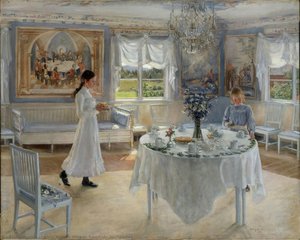
A Window into Domestic Tranquility: Exploring Fanny Brate’s “A Day of Celebration”
Fanny Brate stands as a cornerstone of Swedish genre painting, an artist whose canvases captured the essence of bourgeois life at the cusp of the 20th century with remarkable sensitivity and detail. Her masterpiece, “A Day of Celebration,” painted in 1902, transcends mere depiction; it’s an invitation into a meticulously crafted tableau that speaks volumes about Victorian ideals of family harmony and refined domesticity—a vision powerfully echoed in the work of Carl Larsson. This stunning oil on canvas portrays a scene unfolding within Brategården, Larsson's family estate nestled in Bergslagen, Sweden, offering viewers a glimpse into a moment frozen in time.The Scene Unfolds: Composition and Setting
The painting’s central focus is a dining room bathed in soft light, dominated by a large Gustavian table adorned with wildflowers and ivy—a deliberate juxtaposition of the natural world encroaching upon the formal confines of aristocratic interiors. Two women are seated at the table, engaged in conversation amidst cups and plates, while a third woman stands beside them, adding to the dynamic interplay of figures within the space. The room’s furnishings – predominantly white furniture – exemplify the prevailing aesthetic of the era, blending elegance with practicality. Notably, Brate skillfully incorporates older-style painted wall hangings alongside modern window dressings, highlighting the layering of influences characteristic of artistic expression during this period.Technique and Artistic Vision: Impressionistic Influences
Brate’s technique is informed by Impressionism, albeit tempered with a distinctly Swedish sensibility. She eschews harsh contrasts of light and shadow, favoring instead diffused illumination that imbues the scene with an ethereal quality. Brushstrokes are loose yet controlled, capturing the textures of fabrics—particularly the tablecloth—and conveying the vibrancy of the floral arrangements. This approach isn’t merely stylistic; it reflects Brate's desire to convey not just what she sees but how she *feels* about the subject matter – a profound appreciation for beauty and tranquility found within the domestic sphere. The artist achieves this remarkable feat by portraying an interior that feels remarkably open-air, mirroring the influence of plein air painting techniques prevalent at the time.Symbolism and Emotional Resonance
“A Day of Celebration” is more than just a depiction of a social gathering; it embodies broader symbolic meanings related to Swedish cultural values. The flowers symbolize fertility and renewal, reflecting the importance of family life and tradition within Victorian society. The careful arrangement of objects—books, vases, tableware—suggests intellectual curiosity alongside comfort and refinement. Ultimately, Brate’s painting evokes feelings of warmth, contentment, and nostalgia for a bygone era – emotions that continue to resonate with audiences today. It serves as an enduring testament to the power of art to capture not just visual appearances but also the intangible essence of human experience.Legacy and Influence: Shaping Swedish Artistic Identity
Fanny Brate’s work profoundly impacted Carl Larsson, who admired her ability to portray domestic life with honesty and grace. Her influence can be seen in Larsson's own paintings, which similarly celebrate family values and idealized landscapes—establishing Brate as a pivotal figure in shaping the artistic identity of Sweden at the turn of the century. Reproductions of “A Day of Celebration” continue to inspire interior designers and collectors alike, offering a timeless glimpse into a beautifully realized vision of Victorian comfort and serenity.Related Artworks


Artist Biography
A Life Painted in Light and Domesticity
Born amidst the regal surroundings of Stockholm’s Arvfurstens palats, Fanny Ingeborg Matilda Brate entered a world where art was an omnipresent companion. As the daughter of Johan Frans Gustaf Oskar Ekbom, a clerk in the household of the future King Oscar II, her early years were steeped in the refined aesthetics of the Swedish court. This privileged upbringing provided more than just comfort; it offered a profound exposure to various artistic mediums that would later inform her delicate touch and keen eye for detail. From the age of ten, Brate began formal drawing and painting lessons, demonstrating an innate talent that would eventually lead her to the prestigious Royal Swedish Academy of Fine Arts.
Her educational journey was marked by a relentless pursuit of mastery. After studying at the Arts and Crafts School, known as Konstfack, she sought further refinement under the guidance of master August Malmström. However, it was her transformative period in Paris that truly reshaped her artistic soul. Supported by a travel scholarship from the Royal Academy, Brate immersed herself in the vibrant atmosphere of the French capital, attending the Académie Colarossi and encountering the revolutionary works of the Impressionists. This encounter with light, movement, and loose brushwork infused her Swedish sensibilities with a new, luminous vitality, allowing her to bridge the gap between traditional realism and modern impressionistic flair.
The Heart of the Swedish Home
While Paris provided the technical vocabulary, Brate’s heart remained anchored in the quiet, evocative landscapes of her homeland. She became a premier chronicler of 19th-century Swedish bourgeois life, specializing in genre paintings that captured the tender, often overlooked moments of domesticity. Her canvases serve as windows into a bygone era, portraying mothers tending to children, families gathered around meals, and the serene stillness of sunlit interiors. There is a palpable warmth in her work—a sense of affection and stability that transcends mere representation.
Her technical evolution saw her master both oil and watercolor, using each to different ends. In her oils, she often employed nuanced tonal variations and meticulous realism to ground her scenes in reality, while her watercolors allowed for a more ethereal, light-filled quality. Notable works such as Namnsdag (1902) exemplify this ability to capture a tranquil moment of family celebration with timeless elegance. Through her eyes, the mundane became monumental; a simple afternoon outdoors or a quiet corner of a room was elevated to a study in peace and familial bond.
Legacy and Artistic Influence
The historical significance of Fanny Brate extends far beyond her individual achievements. She is frequently cited as a vital precursor and inspiration for the legendary Carl Larsson, whose iconic depictions of Swedish domestic life share a profound spiritual kinship with her own work. Her ability to romanticize the everyday without sacrificing its truth laid the groundwork for a specific brand of Scandinavian genre painting that celebrates national identity through the lens of the home.
Throughout her career, Brate achieved significant recognition, including the prestigious Royal Medal in 1885 for her painting Art Friends (Konstvänner). This work itself stands as a testament to her skill, depicting a plein-air scene of children gathered around an artist at work, blending her love for nature with her dedication to the craft. Her legacy is defined by several key contributions:
- Pioneering Genre Painting: She elevated the depiction of everyday family life into a respected and emotive art form within Sweden.
- Technical Synthesis: Successfully merging the rigorous training of the Swedish Academy with the light-driven innovations of French Impressionism.
- Cultural Documentation: Providing a visual record of the social fabric and domestic aesthetics of the late 19th and early 20th-century Swedish middle class.
- Inspirational Role: Serving as a foundational influence for the broader movement of Swedish national romanticism and artists like Carl Larsson.
Today, Brate’s work continues to resonate, offering modern viewers a nostalgic and deeply moving connection to the enduring values of family, light, and the quiet beauty found within the walls of home.
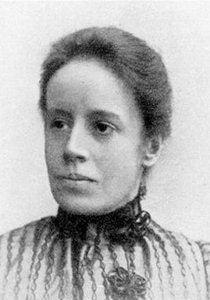
Fanny Brate
1861 - 1940 , Sweden
Quick Facts
- Artistic Movement Or Style: Genre Painting
- Artists Or Movements Influenced By This Artist: ['Impressionism']
- Artists Who Influenced This Artist: ['Carl Larsson']
- Date Of Birth: February 26, 1861
- Date Of Death: April 22, 1940
- Full Name: Fanny Ingeborg Matilda Brate
- Nationality: Swedish
- Notable Artworks:
- Namnsdag
- Portrait Of Astrid Brate
- Place Of Birth: Stockholm, Sweden
Related Articles

Serene Masterpieces: 10 Artworks That Define Tranquility | ArtsDot
Find peace with 10 iconic artworks embodying tranquility! Explore Monet's water lilies, Van Gogh’s starry night & more. Discover the stories behind these serene masterpieces and bring calming art into your home with museum-quality reproductions from ArtsDot.com.
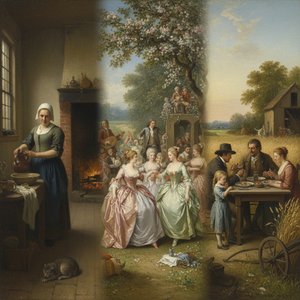
Scenes of Daily Life: A Comprehensive Exploration of Genre Painting Through History
Explore the rich history of genre painting! Discover Dutch Masters & European artists who captured everyday life with stunning realism. Learn about symbolism, techniques & lasting influence.
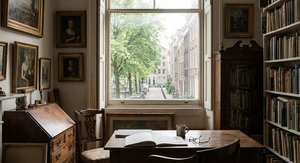
The Interior Gaze: Exploring Representations of Domestic Space in Art History
Explore the fascinating history of domestic interiors in art! From Dutch Masters to Impressionism, discover how artists captured home life & social meaning. Expert analysis and insights at ArtsDot.

Robert Lillie: A Study in Victorian Genre Painting and Domestic Narrative
Explore the captivating Victorian genre paintings of Robert Lillie (1867-1949). Discover his serene Scottish landscapes and intimate domestic scenes, reflecting a unique artistic vision. Learn about his life, style & legacy.

Tranquil Masterpieces: 10 Artworks for Serene Decor & Emotional Well-being |
Find serenity with our Top 10 tranquil artworks! Explore masterpieces by Monet, Van Gogh & more. Discover the stories behind calming Impressionist landscapes and peaceful Japanese art. Museum-quality reproductions at .