

 Preview
 Send
Send Share
Share
 Details

 Download
 Similars
 X-Ray
X-Ray Diaporama
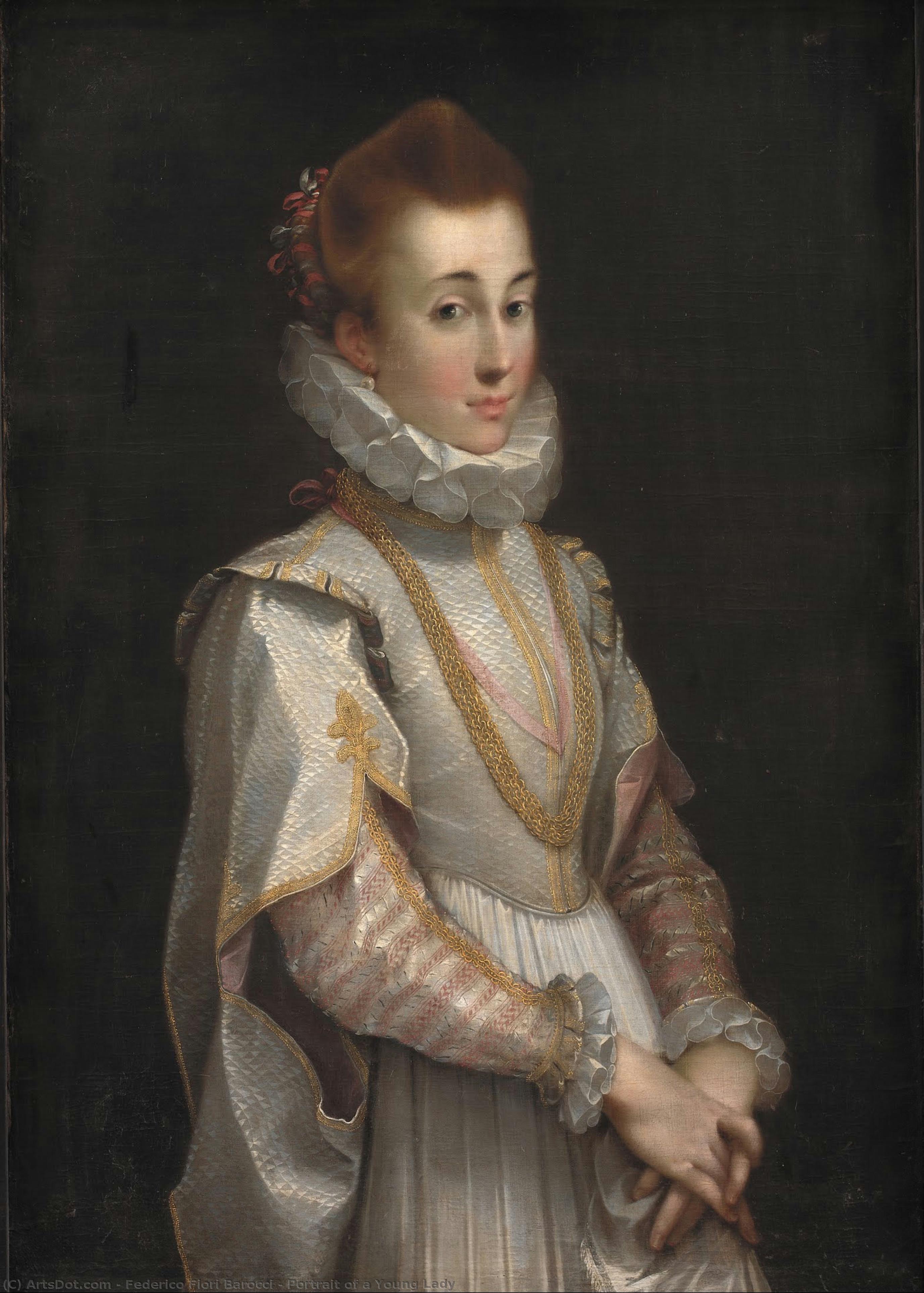
Portrait of a Young Lady
 Oil On Canvas
- WallArt
- Italian Baroque
 1600
1600- Renaissance
 83.0 x 119.0 cm
 National Gallery of Denmark
 Read More
Purchase a high-resolution, enhanced digital image, far superior to the online preview.
Each file is meticulously prepared by our in-house specialists using advanced tools and expert manual retouching. We ensure every image has exceptional clarity, precise color accuracy, and fine detail.
The final file is delivered via email within 72 hours, optimized for immediate use in professional, editorial, and print environments. This is the same quality trusted by top-tier design studios, publishers, and galleries.
Digital Image
Download a high-resolution file for personal display, printing, and creative projects. ( Buy Print Buy Hand Made Painting)
Included in Every Digital Image Order
Expert Digital Delivery, Guaranteed
When you choose ArtsDot.com, you're not just getting an image - you're receiving a professionally enhanced digital artwork, crafted with precision and backed by a satisfaction guarantee. Here's everything that comes with your order, automatically:

Fast Email Delivery
Your high-resolution digital image file will be emailed to you within 72 hours of ordering - ready for immediate use.

AI-Enhanced Digital File
Your artwork is professionally optimized using advanced AI tools and manual editing, ensuring maximum detail, clarity, and color accuracy.

Free Lifetime Re-Delivery
Accidentally deleted or lost your file? No worries - we'll resend it to you anytime, free of charge.

No Import Fees - Ever
Enjoy your artwork instantly with zero customs, duties, or delivery fees - digital downloads are always tax-free.

Color Accuracy Guarantee
We ensure your digital image reflects the original colors as closely as possible using professional tools and color management.

60-Day Satisfaction Guarantee
If you're not satisfied with your digital image, we'll revise it or refund 100% within 60 days - no questions asked.

100% Money-Back Guarantee
Not satisfied? Get a full refund within 60 days of receiving your digital file - no questions asked.

Bulk Order Discounts
Buy 3 images, save 10% - Buy 5, save 15% - Buy 10+, save 20%. Great for creative projects, galleries, and agencies.
A Vision of Grace: The Luminous Presence of Barocci’s Young Lady
In the quiet corridors of the National Gallery of Denmark, there exists a window into a vanished era of aristocratic splendor. Federico Fiori Barocci’s Portrait of a Young Lady is not merely a depiction of a face, but an evocative encounter with the very essence of the Italian late Renaissance. Painted around 1600, this exquisite oil on canvas captures a moment of profound serenity, where the sitter’s youthful vitality meets a poised, almost meditative stillness. The subject, likely a woman of noble lineage, emerges from a deep, shadowy void, her presence illuminated by a soft, ethereal light that seems to emanate from within the canvas itself. Her blonde hair cascades in gentle waves around a face marked by an unmistakable dignity, while her gaze—direct and engaging—creates an intimate bridge between the historical past and the modern viewer.
The composition is a masterclass in subtle movement and visual rhythm. Barocci employs a sophisticated arrangement of elements to guide the eye through a narrative of refinement. The woman’s hands, positioned in an intricate, interlacing gesture, serve as a focal point that draws attention upward toward her expressive eyes. This deliberate movement creates a sense of inner contemplation, suggesting a soul caught in a moment of quiet thought. Adorned with a delicate pearl necklace and a single flower nestled in her hair, the sitter embodies the period's fascination with the beauty of nature intertwined with human elegance. The luminous white of her gown, meticulously rendered with fine lace details, provides a brilliant contrast to the dark, atmospheric background, a technique that breathes life and three-dimensionality into the figure.
The Dawn of Baroque Brilliance
To look upon this portrait is to witness a pivotal moment in art history—the delicate transition from the idealized perfection of the Renaissance to the dramatic emotionalism of the Baroque. Barocci, an artist whose influence would later resonate in the works of masters like Peter Paul Rubens, utilizes chiaroscuro to sculpt form out of shadow. This interplay of light and dark does more than create depth; it imbues the portrait with a psychological weight. The subdued palette, dominated by creams, whites, and soft flesh tones, avoids the garish in favor of the sublime, allowing the textures of silk, lace, and skin to be felt as much as seen.
For the discerning collector or interior designer, this piece offers more than just aesthetic pleasure; it provides a sense of timelessness. The painting’s ability to command a room through its quiet intensity makes it an ideal centerpiece for spaces that value sophistication and historical depth. Whether placed in a sunlit gallery or a moody, classically appointed study, the Portrait of a Young Lady acts as an anchor of elegance. It is a work that invites long periods of study, rewarding the observer with new layers of detail—the shimmer of a pearl, the delicate weave of lace, or the subtle flicker of a smile—each time it is encountered. Owning a high-quality reproduction of such a masterpiece allows one to surround themselves with the enduring legacy of Italian mastery, bringing a touch of museum-grade grandeur into the private sanctuary of the home.
Related Artworks



Artist Biography
Early Life and Training
- Born: Urbino, Italy (1535)
- Died: 1612
- Federico Fiori Barocci, an Italian Renaissance painter and printmaker, was born in 1535 in Urbino, Italy.
- His original name was Federico Fiori, and he was nicknamed "il Baroccio," which means a two-wheel cart drawn by oxen in northwestern Italian dialects.
- Barocci received his earliest apprenticeship with his father, Ambrogio Barocci, a sculptor of some local eminence.
- He was then apprenticed with the painter Battista Franco in Urbino. This training laid the foundation for his future success.
Artistic Career and Influences
- Barocci's work was highly esteemed and influential, foreshadowing the Baroque style of Peter Paul Rubens.
- He worked in the pre-eminent studio of Taddeo and Federico Zuccari in Rome, where he was exposed to various artistic influences.
- His first notable work was a "St. Margaret" executed for the confraternity of the Holy Sacrament.
- He was invited by Pope Pius IV to assist in the decoration of the Vatican Belvedere Palace at Rome, where he painted the Virgin Mary and infant, with several saints and a ceiling in fresco, representing the Annunciation.
- Barocci's style was characterized by a mix of Mannerism and Baroque elements.
Notable Works and Legacy
- Five Studies of Male Figure and two of His Right Hand and Arm (Uffizi Gallery, Florence, Italy) - A testament to Barocci’s skill in capturing the human form.
- Composition Study (for “Circumcision”, Paris, Musée du Louvre) – Demonstrates his ability to balance composition and emotion.
- Man’s Head (for “Calling of Saint Andrew”, Bruxelles, Musées Royaux des Beaux-Arts de Belgique) - Showcases Barocci's attention to detail and expression.
- The Nativity (1597 oil painting at the Prado).
- Madonna del Popolo (Uffizi Gallery, Florence, Italy).
- The Madonna of the Cat (La Madonna del Gatto)
- Annunciation (1582)
Artistic Impact and Followers
- Barocci's influence can be seen in the work of various artists, including Peter Paul Rubens, who was inspired by Barocci’s dramatic and emotive brushwork.
- His legacy continues to be celebrated through his numerous works, now housed in museums such as the Uffizi Gallery (Florence, Italy) and the Musée du Louvre (Paris, France).
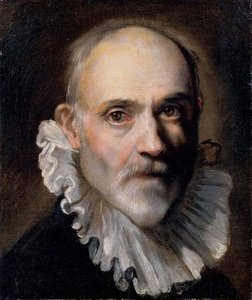
Federico Fiori Barocci
1535 - 1612 , Italy
Quick Facts
- Artistic Movement Or Style: Renaissance, Baroque
- Artists Or Movements Influenced By This Artist: ['Peter Paul Rubens']
- Artists Who Influenced This Artist: ['Battista Franco']
- Date Of Birth: 1535
- Date Of Death: 1612
- Full Name: Federico Fiori Barocci
- Nationality: Italian
- Notable Artworks:
- The Nativity
- Madonna del Popolo
- Annunciation
- Stigmatization of Saint Francis
- Rest on the Flight to Egypt
- Place Of Birth: Urbino, Italy

