 Preview
 Send
Send Share
Share
 Details

 Download
 Similars
 X-Ray
X-Ray Diaporama
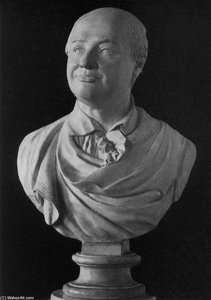
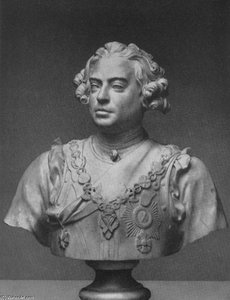
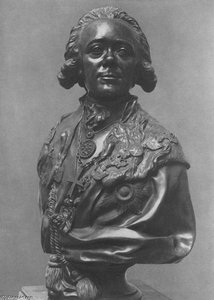
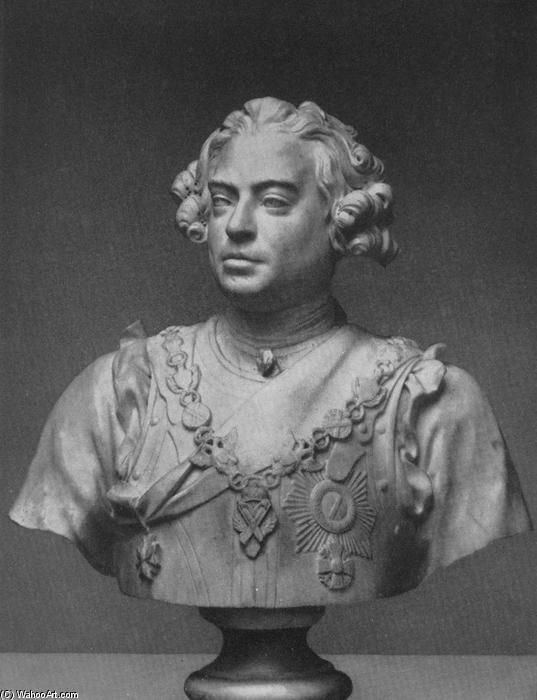
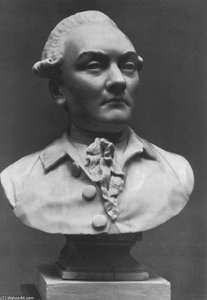
Bust of P. G. Chernishev


 Read More
Hand Made Oil Reproduction
Hand-painted oil on canvas in your size and frame, made to order by our artists. ( Buy Print Buy Image)




P118B $10

P118H $10

P118W $10

P438Z $10

P508JH $12

P508YH $12

P805H $10

P805Z $10

P919BZ $10

P919G $10

P919XJ $10

P959ZH $10

P968JZ $12

W106C $8

W218G $10

W218JH $8

W218Y $10

W307PJ $10

W316G $10

W316PJ $8

W316Y $10

W398PJ $8

W4111J $10

W500HY $15

W500JH $15

W692G $12

W849H $8

W940BG $15

W953PJ $8




Pick from our preset sizes that match the artwork's original proportions.

You may enter your own dimensions to fit a specific frame or space. If your selected size does not match the original image's proportions, we will either crop the artwork or extend the painting with additional hand-painted elements. A digital mockup will be sent for your approval before production begins.
Please note that the on-screen preview does not reflect the actual cropping or extension. Only the mockup will accurately show the final composition.
While custom sizes are available, we recommend selecting a dimension from the predefined list to preserve the original proportions.
After order, ArtsDot.com team will email client for instructions and provide a mockup preview
Worldwide Delivery () in 3/4 weeks instead of standard 5 weeks. (25 August). No compromise on quality.

Free Worldwide Express Shipping

High-Quality Linen Canvas

Full Shipping Insurance

Customs Tax Refund Guarantee

True Color Matching Guarantee

60-Day Return Policy (Defects Only)

100% Money-Back Guarantee

Bulk Discount Offer
 Glass option is only available in size under 110 CM

Bust of P. G. Chernishev
Reproduction Medium
Reproduction Size
-


Total Price
$ 263
Artwork Description
The Stoic Dignity of P.G. Chernishev – A Portrait by Fedot Shubin
Within the hallowed halls of the State Tretyakov Gallery resides a captivating study in marble, a portrait that transcends mere representation and speaks volumes about the intellectual and moral landscape of 18th-century Russia: the bust of P.G. Chernishev, sculpted by the masterful Fedot Shubin around 1779. More than just a likeness, this piece embodies a profound sense of contained strength, quiet contemplation, and the weighty responsibility borne by a man of thought – qualities that resonate powerfully even today.
Shubin, arguably Russia’s greatest sculptor of his era, possessed an extraordinary ability to imbue stone with life. His work, particularly during this period, reflects a Neoclassical sensibility deeply influenced by the classical ideals of antiquity and the burgeoning Enlightenment. The bust itself is executed in subtractive marble carving – a painstaking process involving the removal of material to reveal the desired form, demanding immense skill and patience from the artist. The choice of marble, known for its durability and ability to capture subtle tonal variations, further enhances the sculpture’s enduring quality.
A Study in Form and Light
The composition is remarkably balanced, presenting Chernishev in a three-quarter pose that invites intimate scrutiny. The artist skillfully employs the principles of chiaroscuro – the interplay of light and shadow – to create a sense of volume and depth within the confines of the marble. Notice how the light gently caresses the brow, highlighting the lines of concentration etched upon his face; conversely, the folds of his garment are plunged into subtle shadows, adding a layer of mystery and reinforcing the impression of introspection. The slightly angled head contributes to a dynamic tension, preventing the portrait from feeling static or overly formal.
Shubin’s attention to detail is breathtaking. The meticulously rendered texture of the hair, the delicate curve of the lips, and the subtle wrinkles around the eyes all speak to his profound understanding of human anatomy and expression. The folds in the clothing – a dark, draped garment suggesting both status and restraint – are particularly noteworthy for their realistic depiction and the way they subtly frame the subject’s face. The pedestal, a simple yet elegant structure, provides a grounding element, anchoring the bust within its historical context.
Symbolism of Status and Thought
Beyond the purely aesthetic qualities, the portrait is laden with symbolic meaning. The elaborate wig, a hallmark of 18th-century aristocratic fashion, signifies wealth, social standing, and adherence to prevailing conventions. However, it’s not merely an adornment; its voluminousness subtly emphasizes the subject's intellectual pursuits – suggesting a mind that seeks knowledge and engages in complex thought. Chernishev’s expression is remarkably neutral, avoiding overt emotion while simultaneously conveying a sense of seriousness and perhaps even melancholy. This restraint invites viewers to project their own interpretations onto the portrait, fostering a deeper connection with the figure.
A Legacy of Neoclassicism
The bust of P.G. Chernishev stands as a testament to Shubin’s genius and a remarkable example of 18th-century Russian sculpture. It embodies the ideals of Neoclassicism – a movement that sought inspiration from the art and philosophy of ancient Greece and Rome – while simultaneously reflecting the unique cultural context of Russia at the time. It's a piece that invites contemplation, prompting us to consider not only the individual depicted but also the broader themes of intellect, responsibility, and the enduring power of artistic representation. Reproductions of this iconic work offer a tangible connection to a pivotal moment in Russian art history, bringing a touch of dignified serenity to any space.
Related Artworks
Artist Biography
Philip James de Loutherbourg: A Pioneer of Theatrical Illusion and Landscape Painting
Born in Strasbourg, France, in 1740, Philip James de Loutherbourg’s life was a fascinating blend of artistic pursuits, theatrical innovation, and scientific curiosity. His early training under Carle van Loo and Giovanni Battista Casanova in Paris laid the foundation for his skills as a landscape painter, but it was his subsequent move to London in 1771 that truly cemented his legacy. Loutherbourg’s career wasn't defined by a single medium; instead, he masterfully navigated the evolving artistic landscape of the late 18th century, becoming a pivotal figure in both painting and theatrical design.
Initially gaining recognition for his landscapes – often characterized as ‘stagy’ yet imbued with a vibrant sense of the Picturesque and Sublime – Loutherbourg quickly established himself within the Royal Academy exhibitions. However, it was his work at Drury Lane Theatre under David Garrick that propelled him to international acclaim. Garrick recognized Loutherbourg's inventive spirit and commissioned him to design spectacular stage sets, transforming the theatre into a realm of illusion and wonder. These weren’t merely backdrops; they were meticulously crafted environments, incorporating innovative techniques like painted scenery that appeared to recede into the distance, creating an unprecedented sense of depth and realism. His Eidophusikon, a theatrical entertainment showcasing elaborate mechanical devices and fantastical scenes, was a resounding success, demonstrating his ability to blend art, engineering, and spectacle.
The Influence of Garrick and Sheridan
Loutherbourg’s relationship with David Garrick was particularly significant. Garrick's retirement in 1776 didn't mark the end of Loutherbourg’s theatrical career; instead, he continued to design for Richard Brinsley Sheridan, a protégé of Garrick’s, at Drury Lane. This succession demonstrated the enduring value of Loutherbourg’s designs and his ability to adapt his vision to new artistic sensibilities. Sheridan's influence likely encouraged further experimentation with illusionistic techniques, pushing the boundaries of theatrical spectacle.
Beyond the theatre, Loutherbourg maintained a strong interest in landscape painting. His travels throughout England and Wales provided him with an extensive repertoire of subjects, capturing the diverse beauty of the British countryside. His paintings weren’t simply representations of scenery; they were infused with a sense of movement and atmosphere, reflecting his theatrical background and his fascination with creating immersive experiences for the viewer.
Scientific Curiosity and Later Works
Loutherbourg's artistic pursuits were intertwined with a deep-seated scientific curiosity. He was fascinated by optics, mechanics, and the principles of illusion – all of which informed his work in both painting and theatre. In the 1780s, he turned to instrument making, demonstrating a remarkable versatility and a desire to understand the mechanisms behind visual perception. This shift is often linked to a period of disillusionment with faith healing, during which he abandoned art for religious practice before returning to his artistic endeavors.
His later works increasingly focused on history painting, depicting battle scenes and biblical narratives with a dramatic flair reminiscent of his theatrical designs. He meticulously researched historical events and employed a dynamic composition style that captured the energy and chaos of warfare. Loutherbourg’s final major project was the publication of two illustrated volumes: *The Picturesque Scenery of Great Britain* (1801) and *The Romantic and Picturesque Scenery of England and Wales* (1805). These collections showcased his artistic skill and provided a valuable record of the British landscape during his time.
Legacy and Historical Significance
Philip James de Loutherbourg’s contribution to art history is multifaceted. He was a pioneer in theatrical design, revolutionizing stagecraft with his innovative use of illusion and spectacle. His work at Drury Lane set a new standard for theatrical production, influencing generations of designers. Furthermore, he demonstrated the interconnectedness of art, science, and technology, embodying the spirit of Enlightenment inquiry.
Loutherbourg’s legacy extends beyond his individual achievements. He helped to establish landscape painting as a respected genre, challenging the dominance of Italianate styles and paving the way for Romanticism. His emphasis on capturing atmosphere and emotion in his paintings resonated with contemporary viewers and continues to inspire artists today. Born in 1740 and dying in 1812, he left an indelible mark on both the world of theatre and the landscape art scene.
fedot ivanovich shubin
1740 - 1805 , Russia
Quick Facts
- Artistic Movement Or Style: Stage design, landscape
- Artists Or Movements Influenced By This Artist:
- Richard Brinsley Sheridan
- Picturesque movement
- Artists Who Influenced This Artist:
- Carle van Loo
- Giovanni Battista Casanova
- Date Of Birth: 1740
- Date Of Death: 1812
- Full Name: Philip James de Loutherbourg
- Nationality: French
- Notable Artworks:
- Eidophusikon designs
- Royal Academy landscapes
- Place Of Birth: Strasbourg, France
Related Articles
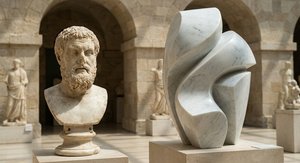
The Enduring Allure of Marble in Art History: From Classical Sculpture to Modern Abstraction
Explore the captivating history of marble sculpture from ancient Greece to modern art. Discover renowned artists like Canova & Michelangelo, carving techniques, and investment insights at ArtsDot.

Bronze Sculptures That Defined Art History | ArtsDot
Journey through art history with our Top 10 bronze sculptures! Explore masterpieces by Rodin, Michelangelo & more. Discover stories behind iconic statues and find museum-quality reproductions for your home decor at ArtsDot.com.

The Enduring Form: Exploring Themes & Techniques in Sculpture Across Historical Periods
Explore the rich history of sculpture from ancient masterpieces to contemporary innovations. Discover key techniques, influential artists & investment potential for discerning art collectors.
The Enduring Form: Sculpture Across History, Technique & Emotional Resonance
Explore the rich history of sculpture with ArtsDot. Discover key techniques, influential artists & investment potential for discerning collectors. Expert insights into valuing and collecting timeless masterpieces.
Antonio Canova: Neoclassical Sculpture & the Pursuit of Emotional Perfection
Explore the life & art of Antonio Canova, the greatest Neoclassical sculptor. Discover his masterpieces, innovative techniques, and lasting influence on fine art collecting. Expert insights for discerning investors.