

 Preview
 Send
Send Share
Share
 Details

 Download
 Similars
 X-Ray
X-Ray Diaporama
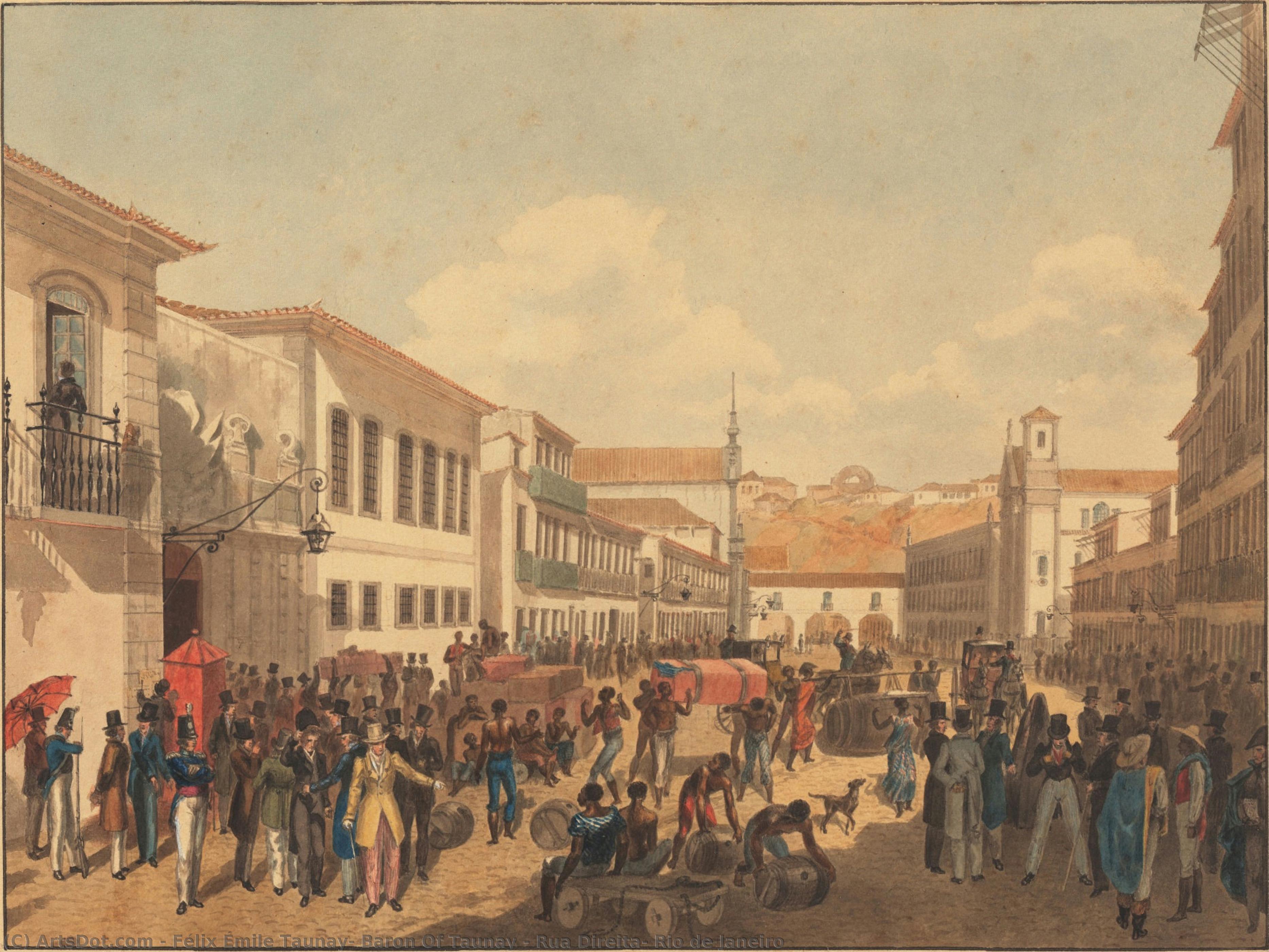
Rua Direita, Rio de Janeiro
 Oil On Canvas
- WallArt
- Romantic Landscape
 1823
1823 22.0 x 28.0 cm
 Pinacoteca do Estado de São Paulo
 Read More
Purchase a high-resolution, enhanced digital image, far superior to the online preview.
Each file is meticulously prepared by our in-house specialists using advanced tools and expert manual retouching. We ensure every image has exceptional clarity, precise color accuracy, and fine detail.
The final file is delivered via email within 72 hours, optimized for immediate use in professional, editorial, and print environments. This is the same quality trusted by top-tier design studios, publishers, and galleries.
Digital Image
Download a high-resolution file for personal display, printing, and creative projects. ( Buy Print Buy Hand Made Painting)
Included in Every Digital Image Order
Expert Digital Delivery, Guaranteed
When you choose ArtsDot.com, you're not just getting an image - you're receiving a professionally enhanced digital artwork, crafted with precision and backed by a satisfaction guarantee. Here's everything that comes with your order, automatically:

Fast Email Delivery
Your high-resolution digital image file will be emailed to you within 72 hours of ordering - ready for immediate use.

AI-Enhanced Digital File
Your artwork is professionally optimized using advanced AI tools and manual editing, ensuring maximum detail, clarity, and color accuracy.

Free Lifetime Re-Delivery
Accidentally deleted or lost your file? No worries - we'll resend it to you anytime, free of charge.

No Import Fees - Ever
Enjoy your artwork instantly with zero customs, duties, or delivery fees - digital downloads are always tax-free.

Color Accuracy Guarantee
We ensure your digital image reflects the original colors as closely as possible using professional tools and color management.

60-Day Satisfaction Guarantee
If you're not satisfied with your digital image, we'll revise it or refund 100% within 60 days - no questions asked.

100% Money-Back Guarantee
Not satisfied? Get a full refund within 60 days of receiving your digital file - no questions asked.

Bulk Order Discounts
Buy 3 images, save 10% - Buy 5, save 15% - Buy 10+, save 20%. Great for creative projects, galleries, and agencies.
Rua Direita, Rio de Janeiro – Félix Émile Taunay
Félix Émile Taunay’s “Rua Direita,” painted in 1823, stands as a cornerstone of Brazilian Romanticism and a testament to the artist's masterful observation of urban life during a pivotal moment in Brazilian history. Captured on canvas with meticulous detail—a vibrant watercolor executed in shades of ochre, umber, and ivory black—the painting transports viewers back to Rio de Janeiro’s bustling streets nearly two centuries ago. More than just a depiction of scenery, “Rua Direita” embodies the spirit of its time, reflecting anxieties about social change and capturing the complex interplay between tradition and modernity.A Window into Imperial Brazil
The artwork emerged from Taunay's involvement in the French Artistic Mission dispatched to Brazil by Napoleon Bonaparte. This ambitious endeavor aimed to establish a formal academy for artistic instruction—the Imperial Academy of Fine Arts—marking a significant step towards elevating Brazilian art and culture. Taunay’s residency in Rio allowed him to immerse himself in the city’s vibrant atmosphere, documenting its architectural grandeur alongside the everyday realities of its inhabitants. The painting serves as invaluable historical record, offering insights into the social fabric of Brazil under Pedro II's reign—a period characterized by rapid urbanization and growing tensions between elites and marginalized communities.Technique and Style: Impressionistic Detail
Taunay’s artistic approach aligns closely with emerging Impressionist tendencies, prioritizing atmospheric perspective and capturing fleeting moments of light and color. Unlike the polished surfaces favored by Neoclassical painters, Taunay employed loose brushstrokes—a technique characteristic of Romanticism—to convey a sense of movement and immediacy. The artist skillfully blended pigments to achieve subtle tonal variations, creating depth and luminosity that bring the street scene to life. Careful attention was paid to capturing the interplay between sunlight and shadow, enhancing the painting’s emotional impact and conveying a palpable feeling of urban energy.Symbolism and Emotional Resonance
Beyond its technical prowess, “Rua Direita” resonates with profound symbolic significance. The densely populated street—filled with figures engaged in animated conversation—represents the dynamism of Brazilian society during this transformative era. The presence of both affluent gentlemen and laborers underscores the social stratification prevalent at the time, prompting contemplation on issues of equality and justice. Furthermore, Taunay’s masterful use of color contributes to the painting's emotive power, evoking feelings of warmth, vibrancy, and perhaps even a hint of melancholy—a reflection of the anxieties inherent in navigating rapid societal change.A Legacy Enduring Through Reproduction
Today, “Rua Direita” resides within the Pinacoteca do Estado de São Paulo’s collection, ensuring its enduring presence as an emblem of Brazilian artistic heritage. High-quality reproductions offer art enthusiasts and interior designers alike a chance to experience Taunay's vision—a captivating glimpse into Rio de Janeiro’s past and a celebration of Romanticism’s expressive power. Its timeless beauty continues to inspire admiration and serves as a reminder of the transformative role that art plays in documenting history and conveying emotion.Related Artworks


![Praia Dom Manuel [dom Manuel Beach] — Félix Émile Taunay, Baron Of Taunay, Romanticism](/media/artworks/images-thumb/30/f5/30f5f6a7971c1d1d10f94900ca4c9e09.jpg)
Artist Biography
Félix Émile Taunay, Baron of Taunay: A Life in Art
Early Life and Education
Félix Émile Taunay, Baron of Taunay, a renowned French-Brazilian painter, was born on March 1, 1795, in Montmorency, France – a house once belonging to Jean-Jacques Rousseau. His father, Nicolas-Antoine Taunay, was also a painter and an aristocrat, holding membership in the newly founded Institut de France. This familial artistic background profoundly shaped Félix’s early development.
Journey to Brazil and Early Career
In 1816, following Napoleon Bonaparte's defeat, Félix Émile Taunay and his father embarked on a new chapter in Brazil. Invited by the Marquis of Marialva, Pedro José Joaquim Vito de Meneses Coutinho, they sought to establish an artistic presence in the burgeoning South American nation. Three years later, Nicolas-Antoine returned to France, leaving Félix to assume his post at the Escola Nacional de Belas Artes (then known as Academia Imperial de Belas Artes).
Artistic Development and Style
Taunay’s artistic style evolved through a blend of Neoclassical training inherited from his father and the vibrant landscapes of Brazil. He became particularly celebrated for his landscape paintings, capturing the beauty and grandeur of Brazilian nature with meticulous detail. His portraits also demonstrate a keen observation of character and social standing.
Royal Tutorship and Recognition
In 1834, Félix Émile Taunay ascended to the position of headmaster at the Academia Imperial de Belas Artes. A pivotal moment arrived in 1835 when he was appointed as a tutor to the young Emperor Pedro II, instructing him in Greek, drawing, and literature. This fostered a close friendship that lasted for years. His contributions were formally recognized with the title of Baron of Taunay, along with appointments to the Order of the Rose, Order of Merit, and as a Chevalier of the Légion d'honneur in 1851.
Major Achievements and Legacy
- Captured the essence of Brazilian landscapes in numerous paintings.
- Played a crucial role in shaping art education at the Escola Nacional de Belas Artes.
- Cultivated a close relationship with Emperor Pedro II, influencing cultural life.
- Became a member of the Brazilian Historic and Geographic Institute, contributing to scholarly pursuits.
Later Life and Historical Significance
Despite his successes, Taunay’s later years were marked by declining health, specifically blindness, which led to his premature retirement. He passed away on April 10, 1881, uttering the poignant words, “Adieu, belle nature du Brésil! Adieu, ma belle cascade!” (Farewell, beautiful nature of Brazil! Farewell, my beautiful waterfall!).
Félix Émile Taunay remains a significant figure in Brazilian art history. He bridged European artistic traditions with the unique beauty of Brazil, leaving behind a legacy that continues to inspire and captivate.
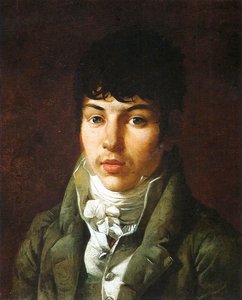
félix émile taunay, baron of taunay
1795 - 1881 , France
Quick Facts
- Birth Date: March 1, 1795
- Birth Place: Montmorency, France
- Death Date: April 10, 1881
- Influenced: Alfredo d'Escragnolle Taunay
- Influenced By: Nicolas-Antoine Taunay
- Movement: 19th Century Painting
- Name: Félix Émile Taunay, Baron of Taunay
- Nationality: French-Brazilian
- Notable Works:
- Praia Dom Manuel [Dom Manuel Beach]
- Rua Direita, Rio de Janeiro

