

 Preview
 Send
Send Share
Share
 Details

 Download
 Similars
 X-Ray
X-Ray Diaporama
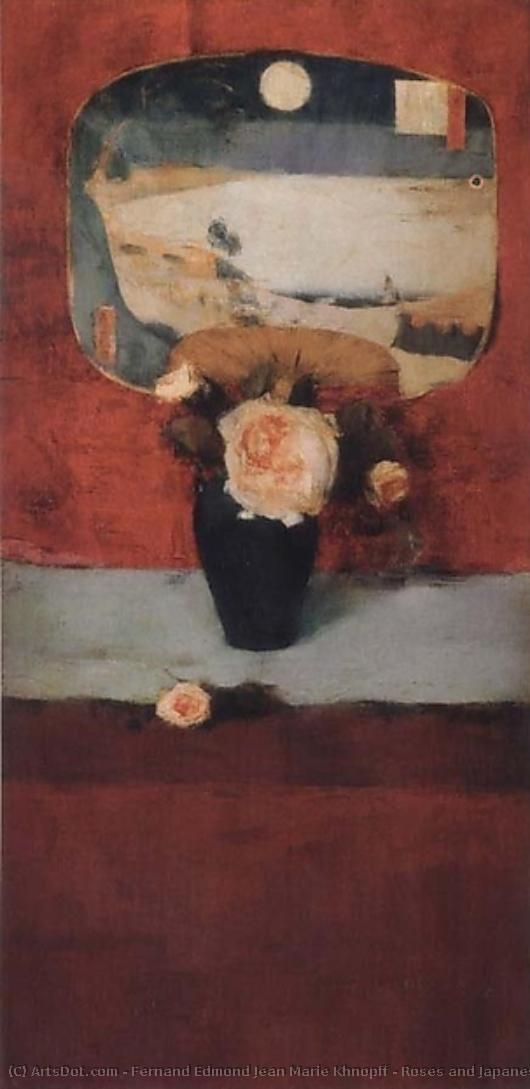
Roses and Japanese Fan
 Oil On Canvas
- WallArt
- Symbolism
 1885
1885- 19th Century
 50.0 x 26.0 cm
 Metropolitan Museum of Art
 Read More
Purchase a high-resolution, enhanced digital image, far superior to the online preview.
Each file is meticulously prepared by our in-house specialists using advanced tools and expert manual retouching. We ensure every image has exceptional clarity, precise color accuracy, and fine detail.
The final file is delivered via email within 72 hours, optimized for immediate use in professional, editorial, and print environments. This is the same quality trusted by top-tier design studios, publishers, and galleries.
Digital Image
Download a high-resolution file for personal display, printing, and creative projects. ( Buy Print Buy Hand Made Painting)
Included in Every Digital Image Order
Expert Digital Delivery, Guaranteed
When you choose ArtsDot.com, you're not just getting an image - you're receiving a professionally enhanced digital artwork, crafted with precision and backed by a satisfaction guarantee. Here's everything that comes with your order, automatically:

Fast Email Delivery
Your high-resolution digital image file will be emailed to you within 72 hours of ordering - ready for immediate use.

AI-Enhanced Digital File
Your artwork is professionally optimized using advanced AI tools and manual editing, ensuring maximum detail, clarity, and color accuracy.

Free Lifetime Re-Delivery
Accidentally deleted or lost your file? No worries - we'll resend it to you anytime, free of charge.

No Import Fees - Ever
Enjoy your artwork instantly with zero customs, duties, or delivery fees - digital downloads are always tax-free.

Color Accuracy Guarantee
We ensure your digital image reflects the original colors as closely as possible using professional tools and color management.

60-Day Satisfaction Guarantee
If you're not satisfied with your digital image, we'll revise it or refund 100% within 60 days - no questions asked.

100% Money-Back Guarantee
Not satisfied? Get a full refund within 60 days of receiving your digital file - no questions asked.

Bulk Order Discounts
Buy 3 images, save 10% - Buy 5, save 15% - Buy 10+, save 20%. Great for creative projects, galleries, and agencies.
A Dream Woven in Blue and Rose: Exploring Fernand Khnopff’s “Roses and Japanese Fan”
Fernand Edmond Jean Marie Khnopff (1858-1921) wasn't merely a Belgian painter; he was an architect of the dream, a master of Symbolism who sculpted intensely personal and often unsettling visions from the depths of his psyche. Born in Grevelingen, Belgium, into a family steeped in bourgeois tradition – a lineage that initially dictated a path toward law – Khnopff’s true vocation blossomed amidst a complex interplay of familial expectations and an undeniable artistic fire. This tension, this quiet rebellion against prescribed paths, profoundly shaped the ethereal landscapes he would later conjure on canvas, particularly evident in his captivating 1885 work, “Roses and Japanese Fan.” The painting isn't simply a still life; it’s a carefully constructed meditation on memory, desire, and the elusive nature of beauty, rendered with a haunting blend of realism and dreamlike abstraction.The Composition: A Symphony of Subdued Colors and Subtle Shifts
At first glance, “Roses and Japanese Fan” presents a deceptively simple arrangement: a vase overflowing with velvety roses sits before a reflective surface – likely a mirror or polished wood panel – against a backdrop of textured, almost bruised, blues and reds. However, closer inspection reveals a masterful manipulation of perspective and light. Khnopff deliberately downplays indicators of depth, transforming the shelf supporting the vase into an abstract stripe of blue that aggressively contrasts with a crimson background. This isn’t a realistic depiction; it's a carefully orchestrated illusion designed to draw the viewer into the painting’s emotional core. The Japanese fan itself, rendered in delicate shades of pink and cream, acts as a focal point, its intricate folds hinting at secrets and unspoken desires. A subtle, almost ghostly, circular element – resembling a moon or sun – is embedded within the reflective surface, adding an enigmatic layer to the composition and suggesting a hidden realm beyond the visible.Symbolism and Influences: Whistler’s Echoes and Victorian Sensibilities
Khnopff's artistic journey was deeply influenced by the Symbolist movement, but also by his admiration for earlier masters like James McNeill Whistler. The muted color palette – predominantly blues, pinks, creams, and reds – echoes Whistler’s penchant for atmospheric effects and a rejection of overt realism. The painting subtly references Whistler’s innovative style, particularly in its emphasis on capturing light and atmosphere rather than precise detail. Furthermore, the inclusion of the Japanese fan speaks to the artistic currents of the late 19th century, when Japan's art and culture were experiencing a surge of popularity in Europe. Khnopff’s choice reflects an appreciation for the delicate beauty and symbolic richness of Japanese aesthetics – a fascination that extended beyond mere imitation. The painting also carries echoes of Pre-Raphaelite sensibilities, particularly in its focus on idealized beauty and the exploration of emotional states.Technique and Emotional Resonance: A Masterful Blend of Impressionism and Symbolism
Khnopff’s technique is characterized by loose brushstrokes and a deliberate avoidance of sharp outlines. The oil paint is applied with a tactile quality, creating visible textures that enhance the painting's dreamlike atmosphere. The background isn't smoothly rendered; it’s layered with subtle variations in color and tone, suggesting an underlying sense of unease or melancholy. The roses themselves are depicted with a delicate realism, yet their velvety texture is softened by Khnopff’s expressive brushwork. This combination of meticulous detail and atmospheric effect creates a powerful emotional resonance – a feeling of quiet contemplation, perhaps tinged with longing or regret. The overall impression is one of intimacy and vulnerability, as if the viewer has stumbled upon a private moment of reflection.A Legacy of Dreamscapes: Khnopff’s Enduring Influence
Fernand Khnopff's work continues to captivate viewers with its haunting beauty and psychological depth. “Roses and Japanese Fan” stands as a prime example of his unique artistic vision, demonstrating his ability to transform everyday objects into symbols of profound emotion. Reproductions of this evocative painting offer a glimpse into the artist’s inner world – a world where dreams and reality intertwine, and where the most poignant truths are often found in the shadows. It's a piece that invites repeated viewing, revealing new layers of meaning with each encounter, solidifying Khnopff’s place as one of Belgium’s most significant artistic figures.Related Artworks
Artist Biography
Fernand Khnopff: Architect of the Dream
Fernand Edmond Jean Marie Khnopff (1858-1921) stands as a singular figure in Belgian art, a master of Symbolism who crafted intensely personal and often unsettling visions. Born in Grevelingen, Belgium, into a wealthy bourgeois family, his early life was shaped by a complex blend of familial expectations and burgeoning artistic passion – a tension that would profoundly inform his work. Initially destined for a legal career, Khnopff’s true calling emerged through the influence of Xavier Mellery at the Académie Royale des Beaux-Arts in Brussels, where he began to explore the evocative power of painting. His early years were marked by trips to Paris, immersing himself in the works of Delacroix, Ingres, and Millais, laying the groundwork for his distinctive style – a haunting synthesis of realism and ethereal dreamscapes. Khnopff’s artistic journey wasn't simply about replicating reality; it was about capturing the hidden currents of emotion, memory, and the subconscious.The Language of Symbolism: Themes and Motifs
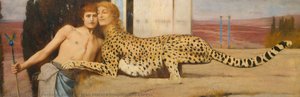
Khnopff’s art is deeply rooted in the Symbolist movement, yet he forged a unique path within its framework. Unlike many of his contemporaries who embraced overtly mythological or literary themes, Khnopff focused on intensely psychological explorations. His paintings are populated by enigmatic figures – often women – caught in moments of quiet contemplation, veiled desire, and profound isolation. Recurring motifs include the female nude, frequently rendered with an almost sculptural quality; the cheetah, a symbol of both predatory instinct and alluring beauty (most famously depicted in “The Caress”); and interiors that feel simultaneously familiar and unsettlingly alien. His use of muted color palettes – predominantly blues, grays, and browns – contributes to the overall atmosphere of melancholy and introspection. The figures in his works rarely engage directly with the viewer; instead, they seem lost within their own private worlds, inviting us to contemplate the mysteries of human experience.Key Works: “The Caress” and Beyond
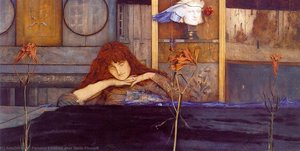
Perhaps Khnopff’s most celebrated work, "The Caress" (1896), exemplifies his signature style. The painting depicts a nude couple, seemingly lost in an unspoken exchange, with a cheetah lurking nearby – a potent symbol of both desire and danger. The scene is bathed in a soft, diffused light, creating a dreamlike atmosphere that defies easy interpretation. Khnopff’s meticulous attention to detail—the texture of the skin, the subtle shifts in expression—grounds the ethereal quality of the work in a palpable sense of realism. Other notable works include “I Lock My Door” (1895), which explores themes of confinement and solitude; "The Mirror" (1897), a haunting meditation on identity and self-reflection; and numerous portraits of his sister, Marguerite, often imbued with an aura of melancholy and timeless beauty. These paintings demonstrate Khnopff’s ability to transform ordinary subjects into vehicles for profound psychological exploration.Influence and Legacy: Vienna Secession and Gesamtkunstwerk
Khnopff's work exerted a significant influence on the artistic landscape of late 19th-century Europe, particularly within the burgeoning avant-garde movements. His enigmatic style resonated deeply with artists in Vienna, notably Gustav Klimt, who exhibited several of Khnopff’s paintings at the Secession’s first exhibition in 1898. The influence extended beyond painting; Khnopff's designs for theater sets and opera costumes further solidified his reputation as a visionary artist. Later in life, he dedicated himself to creating a “Gesamtkunstwerk” – a total work of art – within his own home and studio in Brussels. This meticulously designed space, incorporating mosaic floors, golden circles, and symbolic furnishings, served as a physical manifestation of his artistic philosophy, reflecting his belief that art should encompass all aspects of human experience.A Lasting Vision: The Artist’s Temple
Fernand Khnopff died in Brussels in 1921, leaving behind a body of work that continues to captivate and challenge viewers today. His paintings are not merely beautiful images; they are invitations to delve into the depths of the human psyche, to confront our own anxieties and desires, and to contemplate the mysteries of existence. Khnopff’s legacy lies in his ability to create art that is both intensely personal and universally resonant—a testament to the enduring power of Symbolism and the visionary genius of a Belgian master. His work remains a poignant reminder of the beauty and complexity of the human experience, rendered with an unparalleled blend of realism and ethereal dreaminess.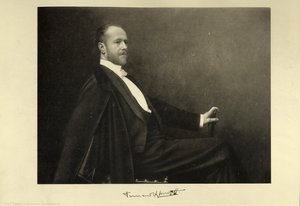
fernand edmond jean marie khnopff
1858 - 1921 , Belgium
Quick Facts
- Artistic Movement Or Style: Symbolism
- Artists Or Movements Influenced By This Artist:
- Vienna Secession
- British Pre-Raphaelitism
- Artists Who Influenced This Artist:
- Burne-Jones
- Millais
- Date Of Birth: September 12, 1858
- Date Of Death: November 12, 1921
- Full Name: Fernand Edmond Jean Marie Khnopff
- Nationality: Belgian
- Notable Artworks:
- The Caress
- I Lock My Door
- Place Of Birth: Grevelingen, Belgium

