

 Preview
 Send
Send Share
Share
 Details

 Download
 Similars
 X-Ray
X-Ray Diaporama
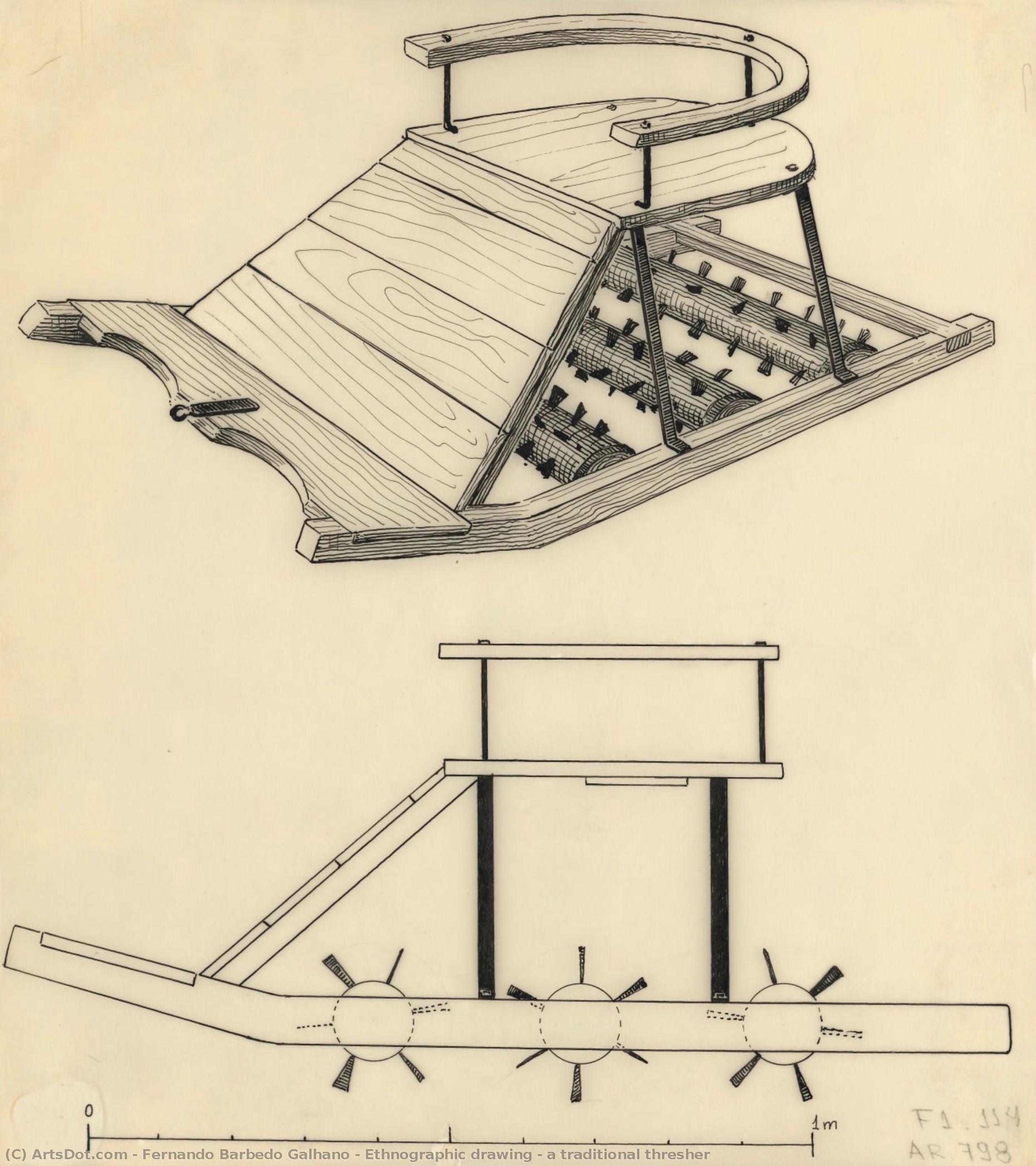
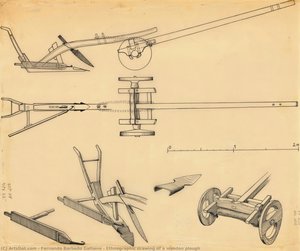
Ethnographic drawing - a traditional thresher
 Drawing
- WallArt
- Ethnographic Realism
 1900
1900- Modern
 43.0 x 30.0 cm
 National Museum of Ethnology
 Read More
Purchase a high-resolution, enhanced digital image, far superior to the online preview.
Each file is meticulously prepared by our in-house specialists using advanced tools and expert manual retouching. We ensure every image has exceptional clarity, precise color accuracy, and fine detail.
The final file is delivered via email within 72 hours, optimized for immediate use in professional, editorial, and print environments. This is the same quality trusted by top-tier design studios, publishers, and galleries.
Digital Image
Download a high-resolution file for personal display, printing, and creative projects. ( Buy Print Buy Hand Made Painting)
Included in Every Digital Image Order
Expert Digital Delivery, Guaranteed
When you choose ArtsDot.com, you're not just getting an image - you're receiving a professionally enhanced digital artwork, crafted with precision and backed by a satisfaction guarantee. Here's everything that comes with your order, automatically:

Fast Email Delivery
Your high-resolution digital image file will be emailed to you within 72 hours of ordering - ready for immediate use.

AI-Enhanced Digital File
Your artwork is professionally optimized using advanced AI tools and manual editing, ensuring maximum detail, clarity, and color accuracy.

Free Lifetime Re-Delivery
Accidentally deleted or lost your file? No worries - we'll resend it to you anytime, free of charge.

No Import Fees - Ever
Enjoy your artwork instantly with zero customs, duties, or delivery fees - digital downloads are always tax-free.

Color Accuracy Guarantee
We ensure your digital image reflects the original colors as closely as possible using professional tools and color management.

60-Day Satisfaction Guarantee
If you're not satisfied with your digital image, we'll revise it or refund 100% within 60 days - no questions asked.

100% Money-Back Guarantee
Not satisfied? Get a full refund within 60 days of receiving your digital file - no questions asked.

Bulk Order Discounts
Buy 3 images, save 10% - Buy 5, save 15% - Buy 10+, save 20%. Great for creative projects, galleries, and agencies.
Collectible Description
A Window into a Vanished Era
In the delicate lines of "Ethnographic drawing - a traditional thresher," we are transported back to the turn of the twentieth century, a time when the rhythm of human life was dictated by the seasons and the mechanical ingenuity of manual labor. This exquisite drawing by the Portuguese master Fernando Barbedo Galhano serves as more than just a technical illustration; it is a poignant piece of visual archaeology. Through his meticulous hand, we encounter a complex wooden thresher, an intricate assembly of timber and metal that once stood at the heart of agricultural life. The composition captures the structural soul of the machine, detailing the large central wheel, the smaller supporting gears, and even the presence of a chair positioned for the operator, suggesting a silent, ghostly presence of the laborer who once commanded this device.
The artistry lies in Galhano's ability to marry the precision of an ethnographer with the soul of a fine artist. Every stroke conveys the weight of the wood and the cold reality of the metal components. There is a profound sense of structural honesty in the work, where the interplay of light and shadow defines the depth of the wheels and the complexity of the interconnected parts. For the collector or the interior designer, this piece offers a sophisticated layer of texture and historical gravity. It does not merely decorate a wall; it anchors a room with a sense of heritage and the quiet dignity of traditional craftsmanship.
The Intersection of Art and Ethnography
To understand this work, one must look through the eyes of Galhano himself—a man who was as much a researcher as he was a painter. As a key figure in the Centro de Estudos de Etnografia Peninsular, his mission was to document the vanishing cultural nuances of Portugal. This drawing is a testament to that scholarly devotion. The technique used here reflects a disciplined observation, where the artist seeks to preserve the mechanical logic of the thresher for future generations. There is no unnecessary flourish; instead, there is a rhythmic clarity that celebrates the functional beauty of pre-industrial technology.
The emotional impact of the piece stems from its nostalgic resonance. In an age of digital ephemeralness and mass production, Galhano’s depiction of a singular, tactile, and labor-intensive tool evokes a deep longing for authenticity. It invites the viewer to contemplate the relationship between humanity and the earth, and the ingenuity required to sustain life through mechanical harmony. For those seeking to curate a space that reflects intellectual depth and a respect for history, this reproduction offers an unparalleled opportunity to possess a fragment of Portugal's cultural soul.
Related Artworks
Artist Biography
The Visionary Chronicler: The Life and Legacy of Fernando Barbedo Galhano
In the tapestry of twentieth-century Portuguese art, few threads are as intricate or as culturally vital as those woven by Fernando Barbedo Galhano. Born in the historic city of Porto in 1904, Galhano was far more than a mere painter; he was a visual historian, an ethnographer, and a meticulous observer of the vanishing rhythms of Portuguese life. His journey began under the watchful eye of the master Artur Loureiro, whose guidance provided the technical foundation upon which Galhano would build a career defined by both aesthetic grace and scientific precision. As his talent matured, he became a fixture in the prestigious Salão Silva Porto exhibitions throughout the 1930s, 40s, and 50s, establishing himself as a significant voice within the national art community.
Galhano’s true genius, however, lay in his ability to merge the delicate touch of an illustrator with the rigorous eye of a researcher. His work transcended the boundaries of traditional fine art, venturing into the profound territory of ethnography. During the late 1940s, through his involvement with the Centro de Estudos de Etnografia Peninsular, he collaborated with luminaries such as Jorge Dias and Ernesto Veiga de Oliveira. This period marked a transformative era in his development, as he began to use his brush and pencil to document the very soul of the nation. He did not merely paint subjects; he captured the essence of a way of life that was rapidly being altered by the tides of modernity.
A Tapestry of Tradition and Technique
The breadth of Galhano’s subject matter is nothing short of breathtaking, acting as a comprehensive visual encyclopedia of Portuguese heritage. His compositions often focused on the humble yet profound elements of rural existence, breathing life into subjects that might otherwise have been forgotten by history. Through his detailed renderings, one can wander through the vibrant landscapes of traditional ox carts, marvel at the intricate geometry of popular architecture, and feel the weight of the agricultural tools that once defined the country's landscape. His artistry possessed a unique ability to find beauty in the utilitarian, elevating simple basketry, pottery, and textile technology to the status of high art.
Beyond the terrestrial, Galhano’s gaze turned toward the sea, capturing the salt-sprayed essence of fishing culture with an intimacy that speaks to the maritime heart of Portugal. His work serves as a bridge between different eras, documenting:
- The rhythmic complexity of traditional transport systems and milling processes.
- The structural elegance of vernacular architecture and rural dwellings.
- The tactile richness of artisanal crafts, from weaving to ceramics.
- The cultural nuances of Portugal’s former colonies, preserved through his expansive collection of drawings.
A Lasting Monument to Cultural Heritage
The historical significance of Fernando Barbedo Galhano cannot be overstated. He was not merely a witness to change but an active participant in the preservation of identity. As one of the foundational figures behind the Museu Nacional de Etnologia in Lisbon, he played a pivotal role in ensuring that the cultural artifacts and traditions he so lovingly documented would be protected for future generations. His thousands of drawings remain a treasure trove for researchers, historians, and art enthusiasts alike, offering an unparalleled window into the social fabric of a bygone era.
Passing away in 1995, Galhano left behind a legacy that is both academic and deeply emotional. To look upon his work is to experience a profound sense of nostalgia and reverence for the craftsmanship and customs of the past. He remains a monumental figure whose multidisciplinary approach—blending the roles of painter, illustrator, and ethnographer—created a permanent record of the human spirit within the Portuguese landscape. His life stands as a testament to the power of art to serve as a guardian of memory.
fernando barbedo galhano
1904 - 1995 , Portugal
Quick Facts
- Artistic Movement Or Style: Ethnographic illustration and painting
- Artists Who Influenced This Artist: ['Artur Loureiro']
- Date Of Birth: 1904
- Date Of Death: 1995
- Full Name: Fernando Barbedo Galhano
- Nationality: Portuguese
- Place Of Birth: Porto, Portugal

