

 Preview
 Send
Send Share
Share
 Details

 Download
 Similars
 X-Ray
X-Ray Diaporama
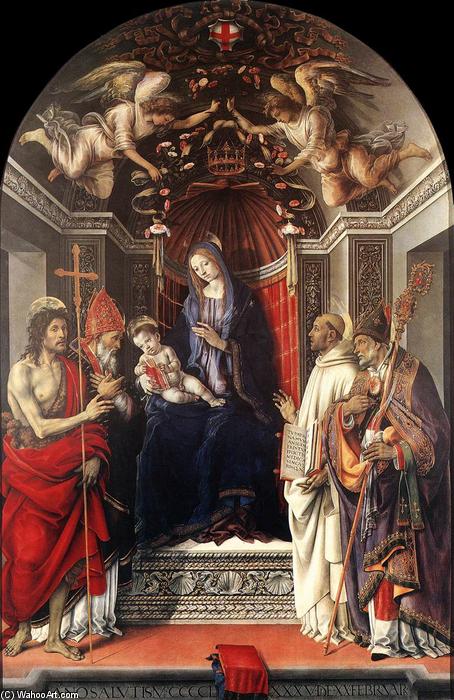
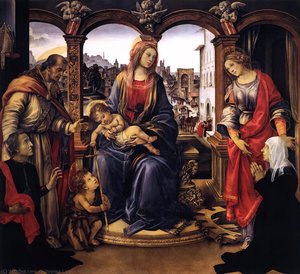
Signoria Altarpiece (Pala degli Otto)
 Acrylic On Canvas
- WallArt
- High Renaissance
 1486
1486 355.0 x 255.0 cm
 Galleria degli Uffizi
 Read More
Purchase a high-resolution, enhanced digital image, far superior to the online preview.
Each file is meticulously prepared by our in-house specialists using advanced tools and expert manual retouching. We ensure every image has exceptional clarity, precise color accuracy, and fine detail.
The final file is delivered via email within 72 hours, optimized for immediate use in professional, editorial, and print environments. This is the same quality trusted by top-tier design studios, publishers, and galleries.
Digital Image
Download a high-resolution file for personal display, printing, and creative projects. ( Buy Print Buy Hand Made Painting)
Included in Every Digital Image Order
Expert Digital Delivery, Guaranteed
When you choose ArtsDot.com, you're not just getting an image - you're receiving a professionally enhanced digital artwork, crafted with precision and backed by a satisfaction guarantee. Here's everything that comes with your order, automatically:

Fast Email Delivery
Your high-resolution digital image file will be emailed to you within 72 hours of ordering - ready for immediate use.

AI-Enhanced Digital File
Your artwork is professionally optimized using advanced AI tools and manual editing, ensuring maximum detail, clarity, and color accuracy.

Free Lifetime Re-Delivery
Accidentally deleted or lost your file? No worries - we'll resend it to you anytime, free of charge.

No Import Fees - Ever
Enjoy your artwork instantly with zero customs, duties, or delivery fees - digital downloads are always tax-free.

Color Accuracy Guarantee
We ensure your digital image reflects the original colors as closely as possible using professional tools and color management.

60-Day Satisfaction Guarantee
If you're not satisfied with your digital image, we'll revise it or refund 100% within 60 days - no questions asked.

100% Money-Back Guarantee
Not satisfied? Get a full refund within 60 days of receiving your digital file - no questions asked.

Bulk Order Discounts
Buy 3 images, save 10% - Buy 5, save 15% - Buy 10+, save 20%. Great for creative projects, galleries, and agencies.
Collectible Description
Signoria Altarpiece (Pala degli Otto): A Renaissance Masterpiece Illuminated
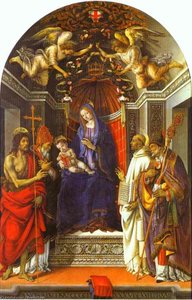
The Signoria Altarpiece, formally known as Pala degli Otto, stands as a testament to Filippino Lippi’s mastery of High Renaissance artistic principles and his collaborative spirit within Florence's vibrant cultural landscape. Painted in 1486, this monumental wooden panel depicts the Virgin Mary cradling Jesus Christ amidst an ensemble of saints—John the Baptist, Victor, Bernard, and Zenobius—creating a scene brimming with religious devotion and visual splendor.
Photographic Detail: The painting’s luminous palette – dominated by rich reds, deep blues, and opulent purples – immediately draws the eye. Careful observation reveals intricate detailing in drapery folds, facial expressions, and architectural ornamentation. Light plays across surfaces with remarkable realism, enhancing the sense of depth and conveying a palpable atmosphere of solemn reverence.
Artist Biography & Early Career: Filippino Lippi (1457 – 1504), born into an illegitimate union between Fra Filippo Lippi and Lucrezia Buti, benefited from his father’s considerable artistic influence. Initially apprenticed to Andrea Mantegna, Lippi honed his skills in Padua before embarking on a prolific career marked by collaborations with luminaries like Perugino, Ghirlandaio, and Botticelli at Lorenzo de' Medici’s villa. His early works showcased a somewhat restrained style, initially attributed to an anonymous artist known as “amico di Sandro,” but swiftly evolved into a more personal and expressive approach.
Style & Technique: Lippi’s signature style embodies the ideals of the High Renaissance – characterized by balanced compositions, idealized figures, and masterful use of perspective. The altarpiece exemplifies this ethos through its carefully constructed pyramidal structure, directing the viewer's gaze towards Mary and Christ at its apex. Employing tempera on wood—a technique favored for its durability and ability to achieve brilliant colors—Lippi meticulously layered pigments onto the surface, achieving remarkable textural richness and luminosity. Notably, scholars debate whether Leonardo da Vinci influenced Lippi’s artistic vision, citing similarities in compositional techniques and color palettes.
Historical Context & Symbolism: Commissioned for the Lesser Council Hall of Palazzo Vecchio—Florence's seat of government—the Pala degli Otto reflects the humanist fervor of the era. The depiction of Mary and Christ symbolizes divine grace and redemption, while the saints represent various facets of Christian faith and piety. The prominent crosses serve as reminders of Christ’s sacrifice and underscore the spiritual significance of the scene. Furthermore, Lippi's meticulous attention to architectural detail—evident in the gilded reliefs adorning the panel—mirrors the revival of classical ideals prevalent during the Renaissance.
Emotional Impact & Legacy: The Signoria Altarpiece transcends mere visual representation; it communicates profound emotion – compassion, serenity, and unwavering faith. Its enduring beauty continues to inspire artists and collectors alike, cementing Lippi’s place as one of Florence's foremost painters and a pivotal figure in the artistic canon of the High Renaissance.
Related Artworks
Artist Biography
Early Life and Training
- Born: April 1457, Prato, Italy
- Died: April 1504
- Parents: Fra Filippo Lippi (painter) and Lucrezia Buti
- Filippino was the illegitimate son of a renowned painter.
- Early training under his father laid the foundation for his artistic career.
Artistic Career and Development
- Early Period (1475-1480): Initial works, such as Madonnas, showed a less refined style. These were initially attributed to an anonymous artist known as "amico di Sandro."
- Evolution (1480-1485): Development of a more personal and effective approach in works like the *Journeys of Tobias*.
- Maturity (1485-1504): Mastery of the High Renaissance style, exemplified by *The Apparition of Christ to the Virgin*.
Major Works and Collaborations
- Collaboration with Perugino, Ghirlandaio, and Botticelli on frescoes at Lorenzo de' Medici’s villa.
- Completion of Masaccio's unfinished decoration in the Brancacci Chapel alongside Masolino.
- Notable works include: *The Coronation of the Virgin*, *Tobias and the Angel*, *St Jerome*, and *Scene from the Life of St Thomas Aquinas*.
Influences and Artistic Style
- Early Influences: Sandro Botticelli, Fra Filippo Lippi.
- Style Characteristics: Animated form and line, warm colorism, detailed landscapes, expressive figures, and a blend of perspective geometry with intimate interiors.
- Roman Antiquities: Studies after Roman antiquities during his time in Rome influenced his work, incorporating an antique vocabulary into his art.
Historical Significance and Legacy
- A leading Florentine exponent of the tradition of great fresco cycles.
- His influence on the High Renaissance is undeniable.
- Works are found in museums worldwide, including the Uffizi Gallery in Florence.
- Known for bridging the gap between earlier Renaissance styles and the emerging High Renaissance aesthetic.
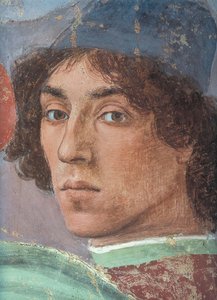
Filippino Lippi
1457 - 1504 , Italy
Quick Facts
- Artistic Movement Or Style: High Renaissance
- Artists Or Movements Influenced By This Artist: ['Raffaellino del Garbo']
- Artists Who Influenced This Artist:
- Fra Filippo Lippi
- Sandro Botticelli
- Date Of Birth: April 1457
- Date Of Death: April 1504
- Full Name: Filippino Lippi
- Nationality: Italian
- Notable Artworks:
- The Coronation of the Virgin
- Tobias and the Angel
- Scene from the Life of St Thomas Aquinas
- St Jerome
- Place Of Birth: Prato, Italy

