

 Preview
 Send
Send Share
Share
 Details

 Download
 Similars
 X-Ray
X-Ray Diaporama
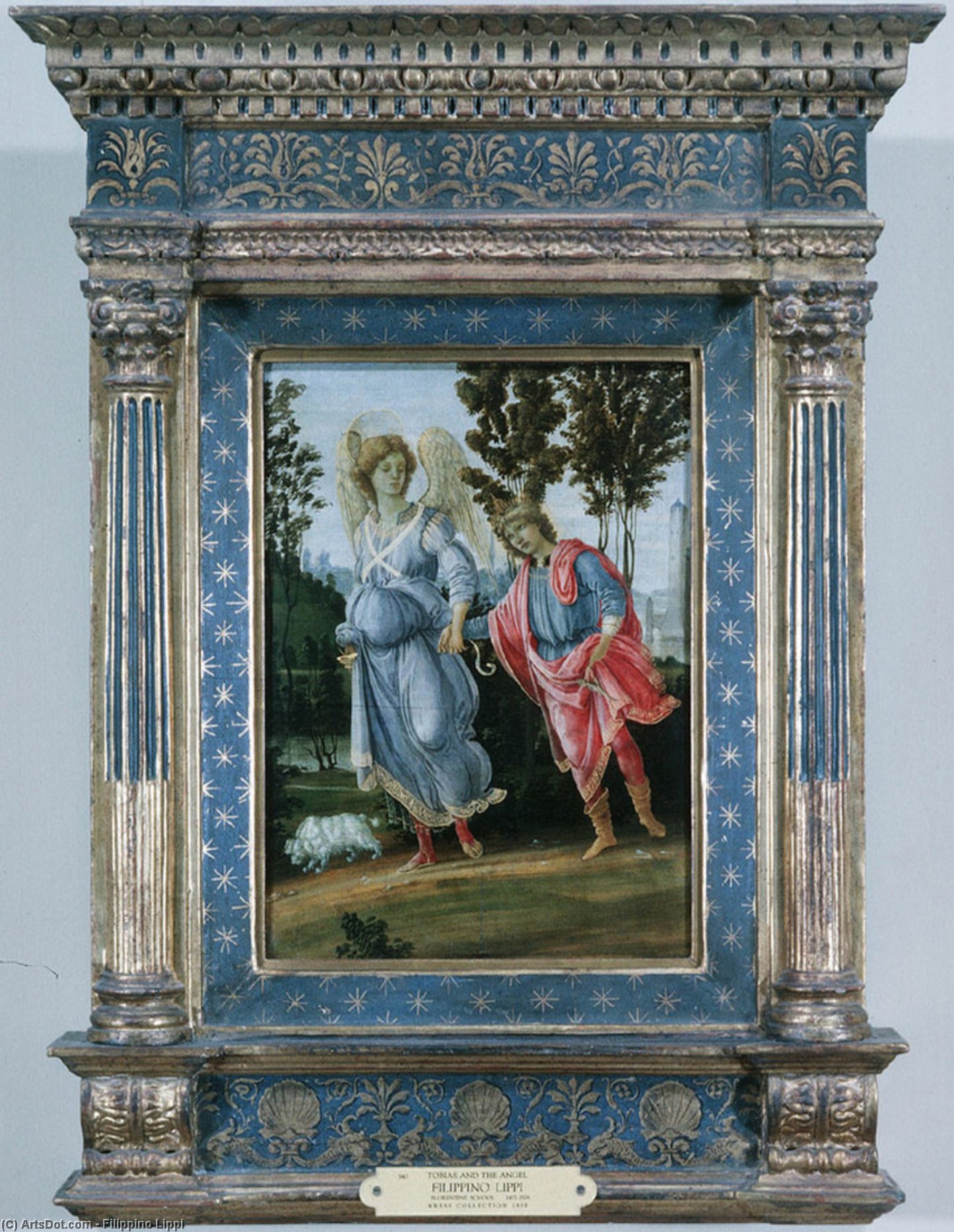
Tobias and the Angel


 Read More
Purchase a high-resolution, enhanced digital image, far superior to the online preview.
Each file is meticulously prepared by our in-house specialists using advanced tools and expert manual retouching. We ensure every image has exceptional clarity, precise color accuracy, and fine detail.
The final file is delivered via email within 72 hours, optimized for immediate use in professional, editorial, and print environments. This is the same quality trusted by top-tier design studios, publishers, and galleries.
Digital Image
Download a high-resolution file for personal display, printing, and creative projects. ( Buy Print Buy Hand Made Painting)
Included in Every Digital Image Order
Expert Digital Delivery, Guaranteed
When you choose ArtsDot.com, you're not just getting an image - you're receiving a professionally enhanced digital artwork, crafted with precision and backed by a satisfaction guarantee. Here's everything that comes with your order, automatically:

Fast Email Delivery
Your high-resolution digital image file will be emailed to you within 72 hours of ordering - ready for immediate use.

AI-Enhanced Digital File
Your artwork is professionally optimized using advanced AI tools and manual editing, ensuring maximum detail, clarity, and color accuracy.

Free Lifetime Re-Delivery
Accidentally deleted or lost your file? No worries - we'll resend it to you anytime, free of charge.

No Import Fees - Ever
Enjoy your artwork instantly with zero customs, duties, or delivery fees - digital downloads are always tax-free.

Color Accuracy Guarantee
We ensure your digital image reflects the original colors as closely as possible using professional tools and color management.

60-Day Satisfaction Guarantee
If you're not satisfied with your digital image, we'll revise it or refund 100% within 60 days - no questions asked.

100% Money-Back Guarantee
Not satisfied? Get a full refund within 60 days of receiving your digital file - no questions asked.

Bulk Order Discounts
Buy 3 images, save 10% - Buy 5, save 15% - Buy 10+, save 20%. Great for creative projects, galleries, and agencies.
Collectible Description
Tobias and the Angel – A Renaissance Dialogue Between Faith and Artistic Vision
“Tobias and the Angel,” painted by Filippino Lippi around 1480, stands as a testament to the burgeoning humanist spirit of the High Renaissance while simultaneously anchoring itself firmly in Christian iconography. This captivating fresco resides within the Cappella Maggiore of Santa Maria Nuova in Florence—a space commissioned by Lorenzo de' Medici—and embodies the artistic fervor that characterized Florentine culture during its golden age.
- Subject Matter: The scene depicts Tobias, a biblical figure renowned for his piety and miraculous deliverance from illness, accompanied by an angel who delivers him a divine message. This narrative underscores themes of divine providence and spiritual transformation—central concerns within Renaissance theology.
- Style & Technique: Lippi’s masterful execution showcases the stylistic hallmarks of the High Renaissance. Characterized by meticulous detail, balanced compositions, and luminous color palettes, “Tobias and the Angel” exemplifies Botticelli's influence, particularly in its graceful drapery folds and idealized figures. The fresco employs tempera paint on plaster—a technique favored for its durability and ability to achieve brilliant hues.
- Historical Context: Created during Lorenzo de’ Medici’s reign, “Tobias and the Angel” reflects the humanist preoccupation with classical ideals and human beauty alongside religious devotion. It represents one of several ambitious frescoes undertaken at Santa Maria Nuova as part of a larger project to decorate the chapel—a collaborative effort involving prominent artists like Masaccio and Ghirlandaio.
The angel’s outstretched hand holding a knife is particularly noteworthy, symbolizing divine judgment and purification. Simultaneously, the man presenting the bowl represents humility and receptiveness to God's grace – mirroring Tobias’s unwavering faith. Lippi skillfully captures these concepts through expressive gestures and nuanced facial expressions, conveying profound emotion.
- Color Palette: The fresco utilizes a rich tapestry of colors—primarily blues and greens dominating the background landscape, contrasted by vibrant reds and yellows highlighting the figures themselves. These hues contribute to an atmosphere of serenity and spiritual contemplation, aligning perfectly with the chapel’s purpose as a place of prayer.
- Symbolism: Beyond its biblical narrative, “Tobias and the Angel” speaks to broader humanist concerns about human virtue and moral responsibility. The angel's knife symbolizes divine correction, urging viewers toward righteousness—a concept deeply rooted in Renaissance philosophy.
More than just a beautiful depiction of scripture, Filippino Lippi’s “Tobias and the Angel” is an emblem of Renaissance artistic achievement. Its enduring appeal lies in its ability to evoke contemplation on faith, morality, and the sublime beauty attainable through divine grace—qualities that continue to resonate with audiences today.
Related Artworks
Artist Biography
Early Life and Training
- Born: April 1457, Prato, Italy
- Died: April 1504
- Parents: Fra Filippo Lippi (painter) and Lucrezia Buti
- Filippino was the illegitimate son of a renowned painter.
- Early training under his father laid the foundation for his artistic career.
Artistic Career and Development
- Early Period (1475-1480): Initial works, such as Madonnas, showed a less refined style. These were initially attributed to an anonymous artist known as "amico di Sandro."
- Evolution (1480-1485): Development of a more personal and effective approach in works like the *Journeys of Tobias*.
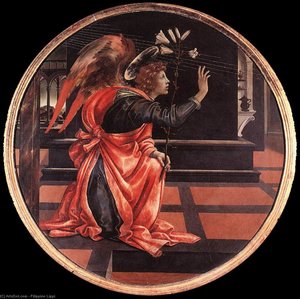
- Maturity (1485-1504): Mastery of the High Renaissance style, exemplified by *The Apparition of Christ to the Virgin*.
Major Works and Collaborations
- Collaboration with Perugino, Ghirlandaio, and Botticelli on frescoes at Lorenzo de' Medici’s villa.
- Completion of Masaccio's unfinished decoration in the Brancacci Chapel alongside Masolino.
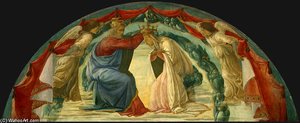
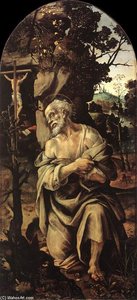
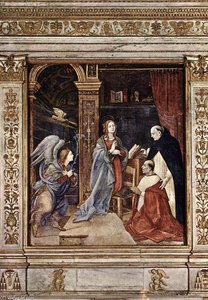
- Notable works include: *The Coronation of the Virgin*, *Tobias and the Angel*, *St Jerome*, and *Scene from the Life of St Thomas Aquinas*.
Influences and Artistic Style
- Early Influences: Sandro Botticelli, Fra Filippo Lippi.
- Style Characteristics: Animated form and line, warm colorism, detailed landscapes, expressive figures, and a blend of perspective geometry with intimate interiors.
- Roman Antiquities: Studies after Roman antiquities during his time in Rome influenced his work, incorporating an antique vocabulary into his art.
Historical Significance and Legacy
- A leading Florentine exponent of the tradition of great fresco cycles.
- His influence on the High Renaissance is undeniable.
- Works are found in museums worldwide, including the Uffizi Gallery in Florence.
- Known for bridging the gap between earlier Renaissance styles and the emerging High Renaissance aesthetic.
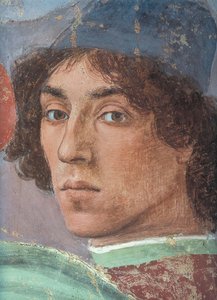
Filippino Lippi
1457 - 1504 , Italy
Quick Facts
- Artistic Movement Or Style: High Renaissance
- Artists Or Movements Influenced By This Artist: ['Raffaellino del Garbo']
- Artists Who Influenced This Artist:
- Fra Filippo Lippi
- Sandro Botticelli
- Date Of Birth: April 1457
- Date Of Death: April 1504
- Full Name: Filippino Lippi
- Nationality: Italian
- Notable Artworks:
- The Coronation of the Virgin
- Tobias and the Angel
- Scene from the Life of St Thomas Aquinas
- St Jerome
- Place Of Birth: Prato, Italy

