

 Preview
 Send
Send Share
Share
 Details

 Download
 Similars
 X-Ray
X-Ray Diaporama
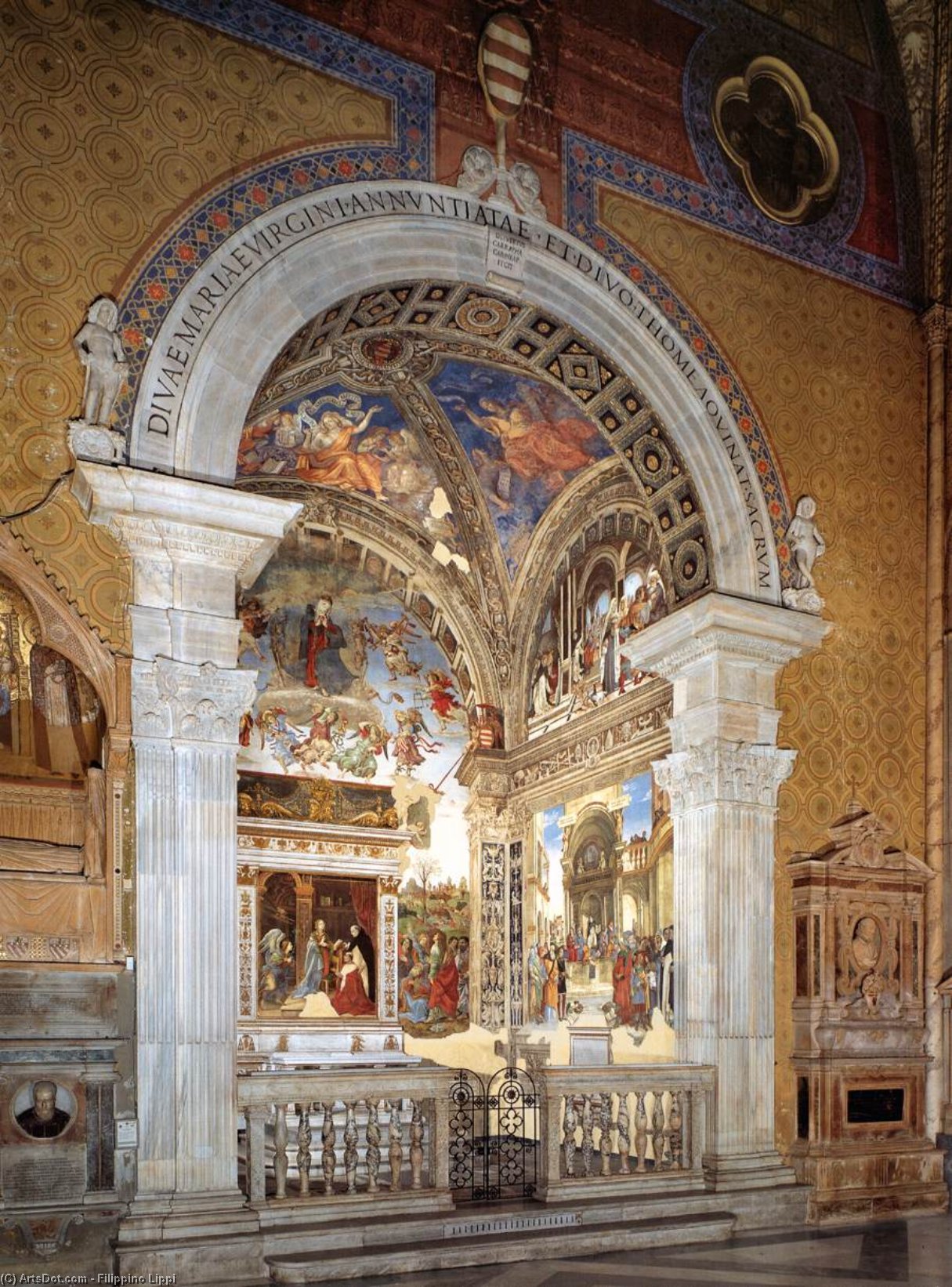
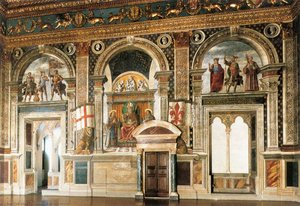
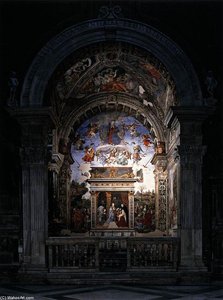
View of the Carafa Chapel


 Read More
Purchase a high-resolution, enhanced digital image, far superior to the online preview.
Each file is meticulously prepared by our in-house specialists using advanced tools and expert manual retouching. We ensure every image has exceptional clarity, precise color accuracy, and fine detail.
The final file is delivered via email within 72 hours, optimized for immediate use in professional, editorial, and print environments. This is the same quality trusted by top-tier design studios, publishers, and galleries.
Digital Image
Download a high-resolution file for personal display, printing, and creative projects. ( Buy Print Buy Hand Made Painting)
Included in Every Digital Image Order
Expert Digital Delivery, Guaranteed
When you choose ArtsDot.com, you're not just getting an image - you're receiving a professionally enhanced digital artwork, crafted with precision and backed by a satisfaction guarantee. Here's everything that comes with your order, automatically:

Fast Email Delivery
Your high-resolution digital image file will be emailed to you within 72 hours of ordering - ready for immediate use.

AI-Enhanced Digital File
Your artwork is professionally optimized using advanced AI tools and manual editing, ensuring maximum detail, clarity, and color accuracy.

Free Lifetime Re-Delivery
Accidentally deleted or lost your file? No worries - we'll resend it to you anytime, free of charge.

No Import Fees - Ever
Enjoy your artwork instantly with zero customs, duties, or delivery fees - digital downloads are always tax-free.

Color Accuracy Guarantee
We ensure your digital image reflects the original colors as closely as possible using professional tools and color management.

60-Day Satisfaction Guarantee
If you're not satisfied with your digital image, we'll revise it or refund 100% within 60 days - no questions asked.

100% Money-Back Guarantee
Not satisfied? Get a full refund within 60 days of receiving your digital file - no questions asked.

Bulk Order Discounts
Buy 3 images, save 10% - Buy 5, save 15% - Buy 10+, save 20%. Great for creative projects, galleries, and agencies.
Collectible Description
A Glimpse into Divine Grandeur: Filippino Lippi’s *View of the Carafa Chapel*
Filippino Lippi's View of the Carafa Chapel, painted in 1489, offers a breathtaking immersion into the heart of Renaissance religious devotion. This remarkable fresco, recently brought to life through meticulous hand-painting reproduction, transports us to the Carafa Chapel, a space meticulously crafted for worship and imbued with layers of symbolic meaning. The scene captures not merely an architectural marvel but also the fervent spirit of late medieval piety, offering a tangible connection to a pivotal moment in Italian art history.
- Architectural Majesty: The composition immediately draws the eye to the chapel’s imposing scale and refined design. Supported by robust columns, a grand archway dominates the central space, directing the viewer's gaze towards the inscription – “DIVVS MARIAE VIRGINIS ET DOMINVS IESVS CHRISTVS” – a testament to the chapel’s dedication to Mary and Christ. The use of large stone slabs for the floor reinforces the solemnity and formality of the setting, reflecting the importance of this sacred space.
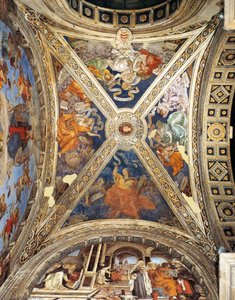
- Frescoes as Narrative: Above the archway, the frescoes are the true heart of the work. Vibrant colors – reds, blues, and golds – depict likely scenes from the Bible or representations of saints, a common practice in Renaissance chapels. The intricate decorative borders surrounding these figures add another layer of visual richness, showcasing the artist’s mastery of perspective and detail.
The Hand of a Master: Filippino Lippi's Technique
Filippino Lippi was a pivotal figure in the Florentine Renaissance, known for his innovative approach to fresco painting and his collaborative spirit. Trained by his renowned father, Fra Filippo Lippi, Filippino inherited a deep understanding of color theory, composition, and illusionistic techniques. His style evolved significantly throughout his career, moving from earlier, somewhat less refined works towards the sophisticated realism characteristic of the High Renaissance. In View of the Carafa Chapel, we witness this evolution fully realized – a masterful command of *trompe-l'oeil* effects creates an astonishing sense of depth and space, while the meticulous rendering of textures—the stone, the drapery, even the light itself—demonstrates Filippino’s dedication to capturing the world with unparalleled accuracy. The use of layering techniques, typical of fresco painting, ensures the longevity and vibrancy of the colors, a testament to the artist's skill.
Symbolism and Spiritual Resonance
Beyond its aesthetic beauty, the chapel itself is laden with symbolism. The placement of the statue on the right side of the archway likely represents a specific saint or religious figure venerated within the Carafa family. The overall atmosphere evokes a sense of reverence and contemplation, inviting viewers to reflect on themes of faith, redemption, and divine grace. The natural light source, strategically placed, further enhances the dramatic effect, illuminating the frescoes and creating a powerful emotional response.
A Timeless Masterpiece – Reproduced for Today
ArtsDot is proud to offer a meticulously hand-painted reproduction of Filippino Lippi’s View of the Carafa Chapel. This isn't simply a print; it's an artistic interpretation, created by skilled artisans who have painstakingly recreated the original fresco’s beauty and detail. Perfect for adorning grand halls, private residences, or inspiring interior design projects, this reproduction allows you to experience the grandeur and spiritual power of one of the Renaissance’s most captivating works of art. Bring a piece of history into your space – a testament to Filippino Lippi's genius and the enduring legacy of Italian artistic achievement.
Related Artworks
Artist Biography
Early Life and Training
- Born: April 1457, Prato, Italy
- Died: April 1504
- Parents: Fra Filippo Lippi (painter) and Lucrezia Buti
- Filippino was the illegitimate son of a renowned painter.
- Early training under his father laid the foundation for his artistic career.
Artistic Career and Development
- Early Period (1475-1480): Initial works, such as Madonnas, showed a less refined style. These were initially attributed to an anonymous artist known as "amico di Sandro."
- Evolution (1480-1485): Development of a more personal and effective approach in works like the *Journeys of Tobias*.
- Maturity (1485-1504): Mastery of the High Renaissance style, exemplified by *The Apparition of Christ to the Virgin*.
Major Works and Collaborations
- Collaboration with Perugino, Ghirlandaio, and Botticelli on frescoes at Lorenzo de' Medici’s villa.
- Completion of Masaccio's unfinished decoration in the Brancacci Chapel alongside Masolino.
- Notable works include: *The Coronation of the Virgin*, *Tobias and the Angel*, *St Jerome*, and *Scene from the Life of St Thomas Aquinas*.
Influences and Artistic Style
- Early Influences: Sandro Botticelli, Fra Filippo Lippi.
- Style Characteristics: Animated form and line, warm colorism, detailed landscapes, expressive figures, and a blend of perspective geometry with intimate interiors.
- Roman Antiquities: Studies after Roman antiquities during his time in Rome influenced his work, incorporating an antique vocabulary into his art.
Historical Significance and Legacy
- A leading Florentine exponent of the tradition of great fresco cycles.
- His influence on the High Renaissance is undeniable.
- Works are found in museums worldwide, including the Uffizi Gallery in Florence.
- Known for bridging the gap between earlier Renaissance styles and the emerging High Renaissance aesthetic.
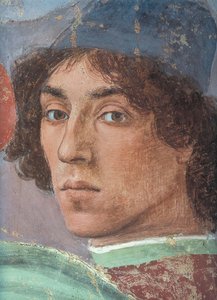
Filippino Lippi
1457 - 1504 , Italy
Quick Facts
- Artistic Movement Or Style: High Renaissance
- Artists Or Movements Influenced By This Artist: ['Raffaellino del Garbo']
- Artists Who Influenced This Artist:
- Fra Filippo Lippi
- Sandro Botticelli
- Date Of Birth: April 1457
- Date Of Death: April 1504
- Full Name: Filippino Lippi
- Nationality: Italian
- Notable Artworks:
- The Coronation of the Virgin
- Tobias and the Angel
- Scene from the Life of St Thomas Aquinas
- St Jerome
- Place Of Birth: Prato, Italy

