 Preview
 Send
Send Share
Share
 Details

 Download
 Similars
 X-Ray
X-Ray Diaporama
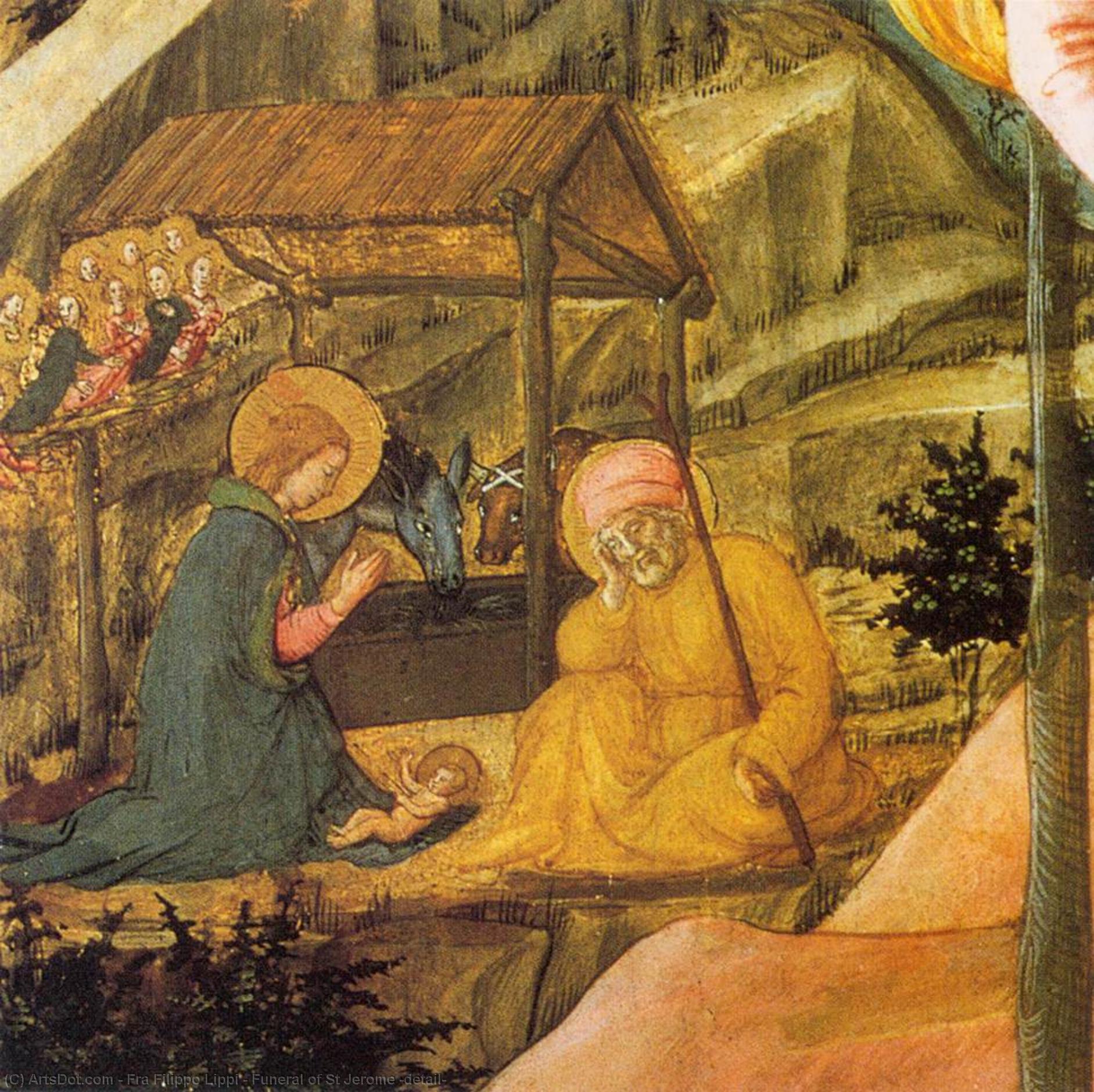
Funeral of St Jerome (detail)


 Read More
Hand Made Oil Reproduction
Hand-painted oil on canvas in your size and frame, made to order by our artists. ( Buy Print Buy Image)




P118B $10

P118H $10

P118W $10

P438Z $10

P508JH $12

P508YH $12

P805H $10

P805Z $10

P919BZ $10

P919G $10

P919XJ $10

P959ZH $10

P968JZ $12

W106C $8

W218G $10

W218JH $8

W218Y $10

W307PJ $10

W316G $10

W316PJ $8

W316Y $10

W398PJ $8

W4111J $10

W500HY $15

W500JH $15

W692G $12

W849H $8

W940BG $15

W953PJ $8




Pick from our preset sizes that match the artwork's original proportions.

You may enter your own dimensions to fit a specific frame or space. If your selected size does not match the original image's proportions, we will either crop the artwork or extend the painting with additional hand-painted elements. A digital mockup will be sent for your approval before production begins.
Please note that the on-screen preview does not reflect the actual cropping or extension. Only the mockup will accurately show the final composition.
While custom sizes are available, we recommend selecting a dimension from the predefined list to preserve the original proportions.
After order, ArtsDot.com team will email client for instructions and provide a mockup preview
Worldwide Delivery () in 3/4 weeks instead of standard 5 weeks. (31 August). No compromise on quality.

Free Worldwide Express Shipping

High-Quality Linen Canvas

Full Shipping Insurance

Customs Tax Refund Guarantee

True Color Matching Guarantee

60-Day Return Policy (Defects Only)

100% Money-Back Guarantee

Bulk Discount Offer
 Glass option is only available in size under 110 CM

Funeral of St Jerome (detail)
Reproduction Medium
Reproduction Size
-


Total Price
$ 263
A Moment Frozen in Faith: Exploring Filippo Lippi’s ‘Funeral of St Jerome’
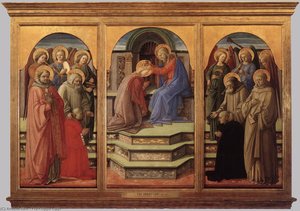
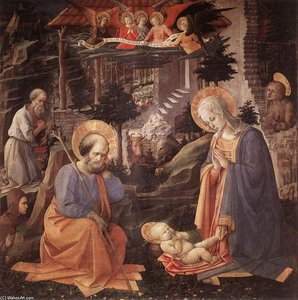
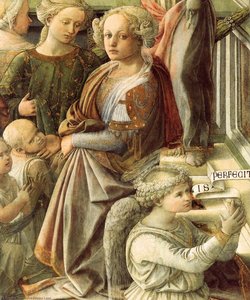
The painting “Funeral of St Jerome” by Filippo di Tommaso Lippi, completed around 1460, stands as a testament to the artistic fervor and spiritual contemplation characteristic of Renaissance Florence. More than just a depiction of religious iconography, it's an exquisitely crafted tableau that invites viewers into a profound meditation on mortality and devotion—a subject explored with remarkable sensitivity by one of Florence’s most celebrated artists.Subject Matter and Composition
At its core, the artwork portrays a solemn funeral procession honoring Saint Jerome, the patron saint of scholars and translators, revered for his unwavering faith and tireless efforts in translating biblical scripture into Latin. The scene unfolds within an enclosed space—likely a tent or chapel—populated by figures representing various roles involved in the ritual: mourners, clergy, and attendants. Notably prominent is a woman cradling a baby, symbolizing maternal piety and the continuation of divine grace through lineage. Scattered throughout the composition are animals – horses and birds – serving as visual anchors and reinforcing themes of nobility and spiritual ascension. The careful arrangement of these elements contributes to an atmosphere of solemn reverence and reinforces the narrative’s central message.Renaissance Style and Artistic Technique
Lippi's masterful execution exemplifies the stylistic hallmarks of Florentine Renaissance painting. Employing tempera on panel—a technique favored for its luminosity and durability—he achieved astonishing detail and tonal subtlety. The artist skillfully utilized chiaroscuro, manipulating light and shadow to sculpt forms and imbue the scene with emotional depth. Observe particularly the meticulous rendering of drapery folds, conveying texture and movement while simultaneously emphasizing the solemn dignity of the figures involved. Furthermore, Lippi’s masterful use of gold leaf—a hallmark of Florentine art at the time—adds a radiant glow to certain areas of the painting, symbolizing divine illumination and elevating the spiritual significance of the event.Historical Context and Symbolism
Created during a period marked by papal patronage and burgeoning humanist thought, “Funeral of St Jerome” reflects the broader cultural landscape of Renaissance Florence. The revival of classical ideals—particularly those concerning human dignity and contemplation—influenced artistic sensibilities, prompting artists to explore themes of spirituality alongside earthly concerns. The depiction of Saint Jerome himself embodies Christian virtues: humility, piety, and intellectual rigor – qualities highly valued by humanist scholars who sought to reconcile faith with reason. The inclusion of animals carries symbolic weight; horses represent nobility and majesty, mirroring the saint’s spiritual stature, while birds symbolize hope and resurrection—affirming the promise of eternal life beyond earthly suffering.Emotional Impact and Legacy
“Funeral of St Jerome” transcends mere visual representation; it communicates a powerful emotional resonance that continues to captivate audiences centuries later. The painting's subdued palette—dominated by earthy tones—creates an atmosphere of solemn contemplation, inviting viewers to reflect on the fragility of human existence and the enduring power of faith. Lippi’s ability to convey profound emotion through subtle gestures and facial expressions underscores his artistic genius. Considered one of Lippi’s finest achievements, “Funeral of St Jerome” remains a cornerstone of Renaissance art history—a poignant reminder of the era's preoccupation with spiritual contemplation and its unwavering belief in divine grace. Its enduring beauty speaks volumes about the artist’s skill and the timeless appeal of themes exploring mortality and devotion.Related Artworks
Artist Biography
A Florentine Rebel: The Life and Art of Filippo Lippi
Filippo di Tommaso Lippi, known as Fra Filippo Lippi, was a figure both blessed by artistic genius and shadowed by a life brimming with scandal and unconventional choices. Born in Florence in 1406 to a butcher family, his early years were marked by loss; orphaned at the tender age of two, he found himself entrusted to the care of his aunt, Mona Lapaccia. This arrangement ultimately led him, at eight years old, to the Carmelites’ convent – a path that would shape not only his artistic development but also define the complexities of his character. It was within those cloistered walls that young Filippo began his formal education and, crucially, discovered his passion for painting. The influence of this environment is palpable in much of his work; a delicate balance between spiritual devotion and an increasingly humanistic sensibility.From Religious Vows to Artistic Innovation
Lippi’s entry into the Carmelite order in 1420 wasn't merely a matter of circumstance, but seemingly ignited within him a fervent artistic drive. He took his vows at sixteen and was ordained as a priest around 1425, remaining at the priory until 1432. It’s during this period that art historian Giorgio Vasari recounts how Lippi became captivated by Masaccio's groundbreaking frescoes in the Brancacci Chapel – an encounter that proved pivotal. The impact of Masaccio’s naturalism and innovative use of light is clearly visible in Lippi’s early works, such as the *Tarquinia Madonna*, where a newfound realism begins to emerge. However, Lippi wasn’t simply an imitator; he quickly developed his own distinctive style, characterized by lyrical grace, delicate coloring, and a subtle emotional depth that set him apart from his contemporaries. He began to infuse religious scenes with a sense of intimacy and human connection, moving away from the more rigid formality of earlier devotional art.A Master of Composition and Controversy
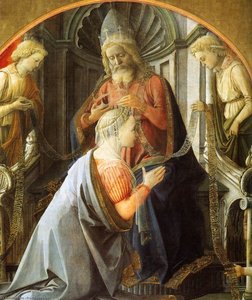
Lippi’s artistic career flourished in Florence, attracting commissions from prominent families like the Medici. Works such as *The Annunciation and the Seven Saints* demonstrate his ability to create complex compositions filled with symbolic meaning and elegant detail. The *Coronation of the Virgin*, completed in 1441 for the nuns of Sant'Ambrogio, is particularly noteworthy; it features a half-length figure that many believe to be a self-portrait of Lippi himself – a bold assertion of artistic identity within a religious context. But his life was far from serene. He frequently found himself embroiled in financial difficulties, legal disputes, and accusations of forgery. Perhaps the most sensational episode involved his abduction of Lucrezia Buti, a nun from Prato, with whom he eventually married after years of scandal and controversy. This act, while shocking for its time, speaks to Lippi’s rebellious spirit and his willingness to defy societal norms in pursuit of personal happiness.Legacy and Influence
Despite the turbulence of his life, Filippo Lippi left an indelible mark on Renaissance art. He was a highly sought-after painter, and his workshop became a breeding ground for future masters. Among his most distinguished pupils were Sandro Botticelli and Francesco di Pesello (Pesellino), both of whom would go on to achieve significant acclaim in their own right. Lippi’s influence can be seen in the lyrical beauty and emotional expressiveness that characterize much of Florentine painting during the late Quattrocento. He bridged the gap between the early Renaissance naturalism of Masaccio and the more refined aesthetic of the High Renaissance, paving the way for a new generation of artists to explore the possibilities of human form and emotion. His ability to blend religious piety with worldly realism, coupled with his innovative compositions and exquisite technique, cemented his place as one of the most important and captivating figures of the Italian Renaissance. He died in Spoleto in 1469, leaving behind a legacy that continues to inspire awe and admiration centuries later. His art remains a testament to the power of human creativity and the enduring allure of beauty.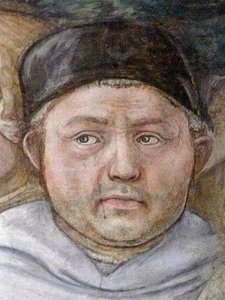
Filippo di Tommaso Lippi
1406 - 1469 , Italy
Quick Facts
- Artistic Movement Or Style: Early Renaissance
- Artists Or Movements Influenced By This Artist:
- Sandro Botticelli
- Filippino Lippi
- Artists Who Influenced This Artist: ['Masaccio']
- Date Of Birth: 1406
- Date Of Death: 1469
- Full Name: Filippo di Tommaso Lippi
- Nationality: Italian
- Notable Artworks:
- Tarquinia Madonna
- The Annunciation
- Coronation of the Virgin
- Place Of Birth: Florence, Italy
Related Articles
Filippo Lippi: Bridging Renaissance Devotion & Artistic Innovation
Explore the life & revolutionary art of Filippo Lippi, a pivotal Renaissance painter. Discover his masterpieces, influence on Botticelli, and investment potential. Expert analysis at ArtsDot.
Filippino Lippi: Renaissance Innovation Bridging Faith & Humanism
Explore the captivating world of Filippino Lippi, a Renaissance master bridging faith & humanism through innovative art. Discover his key works, influences, and lasting legacy with ArtsDot.

El Greco's Masterpieces: Explore 25 Iconic Paintings & Spiritual Visions | ArtsDot
Journey through El Greco's 25 most iconic paintings! Explore the spiritual depth & dramatic beauty of this Spanish Renaissance master. Discover art history, techniques & find museum-quality reproductions for your home at ArtsDot.com.
Sacred Narratives Embodied: A Comprehensive Exploration of Religious Iconography in Art History
Explore the rich history of religious iconography in art! Discover symbolism, movements & masterpieces from Byzantine to Renaissance periods. Expert insights for collectors and enthusiasts at ArtsDot.

Sacred Narratives on Canvas: Exploring Religious Painting Through History
Explore the rich history of religious painting with ArtsDot.com! Discover iconic artworks, symbolism & techniques from antiquity to the Renaissance. Enhance your art appreciation today.