

 Preview
 Send
Send Share
Share
 Details

 Download
 Similars
 X-Ray
X-Ray Diaporama
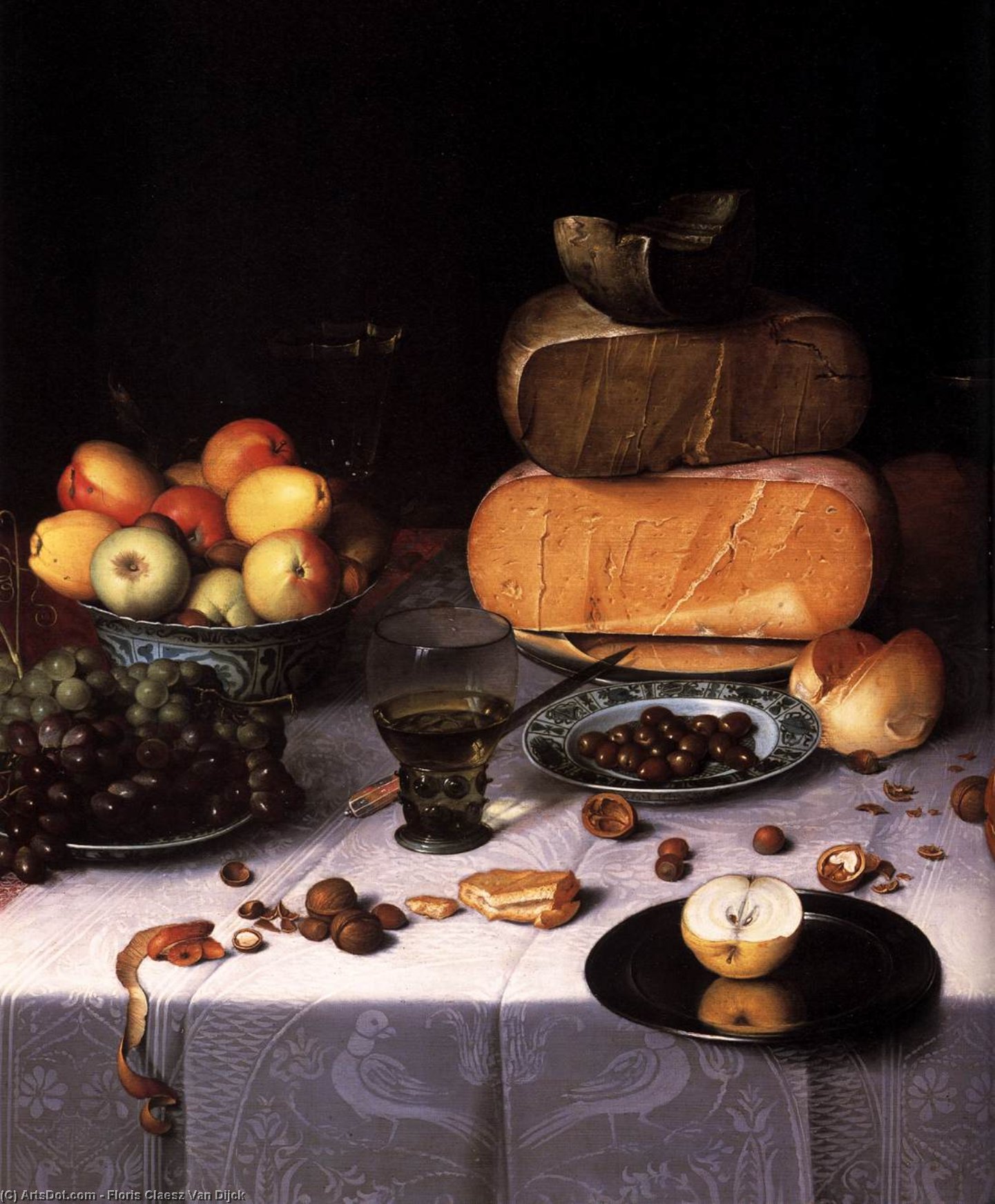
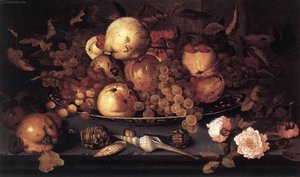
Laid Table with Cheeses and Fruit (detail)


 Read More
Purchase a high-resolution, enhanced digital image, far superior to the online preview.
Each file is meticulously prepared by our in-house specialists using advanced tools and expert manual retouching. We ensure every image has exceptional clarity, precise color accuracy, and fine detail.
The final file is delivered via email within 72 hours, optimized for immediate use in professional, editorial, and print environments. This is the same quality trusted by top-tier design studios, publishers, and galleries.
Digital Image
Download a high-resolution file for personal display, printing, and creative projects. ( Buy Print Buy Hand Made Painting)
Included in Every Digital Image Order
Expert Digital Delivery, Guaranteed
When you choose ArtsDot.com, you're not just getting an image - you're receiving a professionally enhanced digital artwork, crafted with precision and backed by a satisfaction guarantee. Here's everything that comes with your order, automatically:

Fast Email Delivery
Your high-resolution digital image file will be emailed to you within 72 hours of ordering - ready for immediate use.

AI-Enhanced Digital File
Your artwork is professionally optimized using advanced AI tools and manual editing, ensuring maximum detail, clarity, and color accuracy.

Free Lifetime Re-Delivery
Accidentally deleted or lost your file? No worries - we'll resend it to you anytime, free of charge.

No Import Fees - Ever
Enjoy your artwork instantly with zero customs, duties, or delivery fees - digital downloads are always tax-free.

Color Accuracy Guarantee
We ensure your digital image reflects the original colors as closely as possible using professional tools and color management.

60-Day Satisfaction Guarantee
If you're not satisfied with your digital image, we'll revise it or refund 100% within 60 days - no questions asked.

100% Money-Back Guarantee
Not satisfied? Get a full refund within 60 days of receiving your digital file - no questions asked.

Bulk Order Discounts
Buy 3 images, save 10% - Buy 5, save 15% - Buy 10+, save 20%. Great for creative projects, galleries, and agencies.
Collectible Description
Floris Claesz van Dijck: Capturing Still Life’s Delicate Balance
Floris Claesz van Dijck (c. 1575 – before 26 April 1651) stands as a pivotal figure in the transition between Mannerism and Baroque painting, embodying the refined sensibilities of the Dutch Golden Age. Often lauded as “The Divine Guido,” his legacy rests not solely on groundbreaking innovation but on a masterful distillation of classical ideals—particularly those championed by Raphael—creating an aesthetic that resonated profoundly with patrons throughout Europe. His prolific output spanned across Italy – Bologna, Rome, Naples – each location contributing to the evolution of his distinctive style and cementing his reputation as one of the most sought-after artists of his era. Examining “Laid Table with Cheeses and Fruit (detail)” offers a window into this remarkable artistic journey.A Symphony of Light and Texture
The painting’s immediate impact is achieved through masterful manipulation of light—a hallmark of van Dijck's technique. Unlike the dramatic chiaroscuro favored by Caravaggio, he employs subtle gradations of illumination to sculpt the surfaces of his subjects. Observe how light kisses the polished pewter plate, highlighting its reflective sheen and creating an illusion of depth that draws the viewer’s eye inwards. Similarly, diffused light softens the contours of the apples scattered across the table, emphasizing their velvety skin texture and conveying a sense of quiet contemplation. This careful consideration of illumination underscores van Dijck's commitment to realism—a crucial element distinguishing him from the more stylized conventions of Mannerism.The Baroque Influence: Order Amidst Abundance
Despite its serene atmosphere, “Laid Table with Cheeses and Fruit” bears unmistakable traces of Baroque influence. The meticulously arranged composition—the symmetrical placement of bowls and glasses—reflects a desire for balance and harmony characteristic of the period. This stylistic choice aligns perfectly with the broader artistic movement’s preoccupation with grandeur and theatricality, albeit tempered by van Dijck's inherent restraint. The artist skillfully portrays an opulent feast, yet avoids overwhelming the viewer with excessive ornamentation; instead, he invites contemplation on beauty and sensory experience—themes central to Baroque art’s expressive aims.Symbolism Embedded in Everyday Objects
Beyond its technical brilliance, “Laid Table with Cheeses and Fruit” is rich in symbolic meaning. The apples themselves represent fertility and prosperity – a common motif in Renaissance and Baroque iconography. Their varied hues—red, yellow, green—suggest the richness of life’s seasons and symbolize hope for future generations. Furthermore, the inclusion of cheeses—particularly Gouda and Edam—references Dutch mercantile traditions and speaks to the importance of trade and wealth within the cultural landscape of the time. These seemingly simple objects are elevated by van Dijck's artistic vision into emblems of virtue and contemplation.A Legacy Enduring Through Reproduction
Today, “Laid Table with Cheeses and Fruit (detail)” continues to inspire admiration for its exquisite craftsmanship and profound aesthetic qualities. Reproductions crafted by skilled artisans like Ocean’s Bridge allow art enthusiasts worldwide to experience the beauty of this iconic masterpiece firsthand—preserving van Dijck's legacy for generations to come. Bringing a piece of Dutch Golden Age artistry into your home is more than just decorating; it’s engaging with a timeless exploration of light, texture, and symbolic representation.Related Artworks
Artist Biography
Guido Reni: The Divine Echo of Raphael
Guido Reni, born in Calvenzano near Bologna in 1575 and passing away in the same city in 1642, stands as a pivotal figure in the transition between Mannerism and Baroque painting. Often described as the “Divine Guido,” his legacy rests not solely on groundbreaking innovation but on a masterful distillation of classical ideals, particularly those championed by Raphael, creating an aesthetic that resonated profoundly with patrons throughout Europe. His career unfolded across Italy – Bologna, Rome, Naples – each location contributing to the evolution of his distinctive style and cementing his reputation as one of the most sought-after artists of his era.
Reni’s early artistic development was shaped by a rigorous apprenticeship under Denys Calvaert in Bologna. This formative period instilled within him a deep appreciation for draughtsmanship, a cornerstone of his later work. However, Reni's exposure to the Carracci family’s Accademia – specifically Ludovico Carracci – proved transformative. He absorbed their commitment to clarity, anatomical accuracy, and a direct engagement with classical antiquity, moving beyond the stylized complexities of Mannerism towards a more balanced and harmonious approach. This shift is particularly evident in his early works like “The Martyrdom of Saint Sebastian,” showcasing a nascent ability to convey emotion through carefully rendered figures and a subtle use of color.
The Roman Years: Caravaggesque Echoes and Borghese Patronage
Reni’s relocation to Rome in 1600 marked a crucial phase in his artistic journey. Initially, he flirted with the dramatic intensity of Caravaggio, as evidenced by “Crucifixion of Saint Peter,” a work characterized by stark contrasts of light and shadow and a heightened sense of emotional turmoil. Yet, Reni quickly recognized that this style didn’t align with his broader aesthetic goals. Instead, he embraced the refined elegance of Raphael, drawing inspiration from the antique and meticulously recreating the idealized beauty of classical forms. This pursuit led him to become a favored artist of Cardinal Scipione Borghese, a position that afforded him considerable influence and access to luxurious commissions.
The Borghese collection became a showcase for Reni’s most celebrated works, including “Aurora,” a breathtaking ceiling fresco depicting the goddess of dawn. This masterpiece exemplifies his mastery of color, composition, and atmospheric perspective, creating an illusion of depth and luminosity that captivated viewers. The sheer scale and technical brilliance of "Aurora" solidified Reni's reputation as one of Rome’s leading painters, attracting attention from across Europe.
Bolognese Mastery: A Studio of Refinement
Returning to Bologna in 1614, Reni established a prolific studio that became the heart of Bolognese painting for decades. He attracted a talented group of assistants and pupils, fostering an environment of artistic exchange and refinement. His workshop produced a vast output of religious paintings – altarpieces, panel paintings, and frescoes – all characterized by their serene beauty, balanced compositions, and subtle emotional depth. Unlike the more dramatic styles prevalent in other parts of Italy, Reni’s work exuded a sense of tranquility and grace.
Reni's influence extended far beyond his immediate workshop. He mentored numerous artists who went on to establish their own careers, ensuring that his artistic principles and techniques were disseminated throughout the Bolognese school. His dedication to anatomical accuracy, his refined color palette, and his ability to evoke a sense of timeless beauty made him an enduring model for generations of painters.
A Legacy of Grace: Reni’s Enduring Appeal
Despite periods of critical neglect – particularly following the scathing critiques of Ruskin in the late 19th century who dismissed Bolognese painting as vulgar and sentimental – Guido Reni's artistic merit has been firmly re-established. His paintings are now recognized for their exquisite beauty, technical skill, and profound understanding of classical ideals. The rediscovery of his work in the mid-20th century sparked a renewed appreciation for his contributions to Italian art history.
Reni’s legacy lies not only in his individual masterpieces but also in his role as a pivotal figure in the transition from Mannerism to Baroque, and in his establishment of a vibrant artistic community in Bologna. His paintings continue to resonate with viewers today, offering a glimpse into a world of serene beauty, classical grace, and enduring artistic refinement – a testament to the “Divine Guido’s” lasting influence on the history of art.
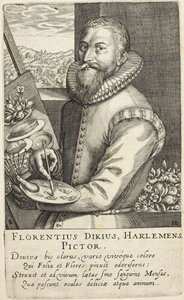
floris claesz van dijck
1575 - 1651 , Netherlands
Quick Facts
- Artistic Movement Or Style: Baroque, Classical
- Artists Or Movements Influenced By This Artist:
- Simon Vouet
- Poussin
- Champaigne
- Artists Who Influenced This Artist:
- Calvaert
- Carracci
- Date Of Birth: November 4, 1575
- Date Of Death: August 18, 1642
- Full Name: Guido Reni
- Nationality: Italian
- Notable Artworks:
- Aurora
- Crucifixion of St. Peter
- Saint Cecilia
- Place Of Birth: Calvenzano, Bologna

