 Preview
 Send
Send Share
Share
 Details

 Download
 Similars
 X-Ray
X-Ray Diaporama
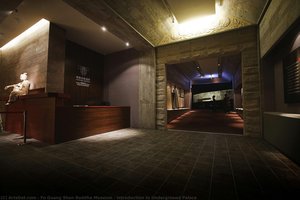
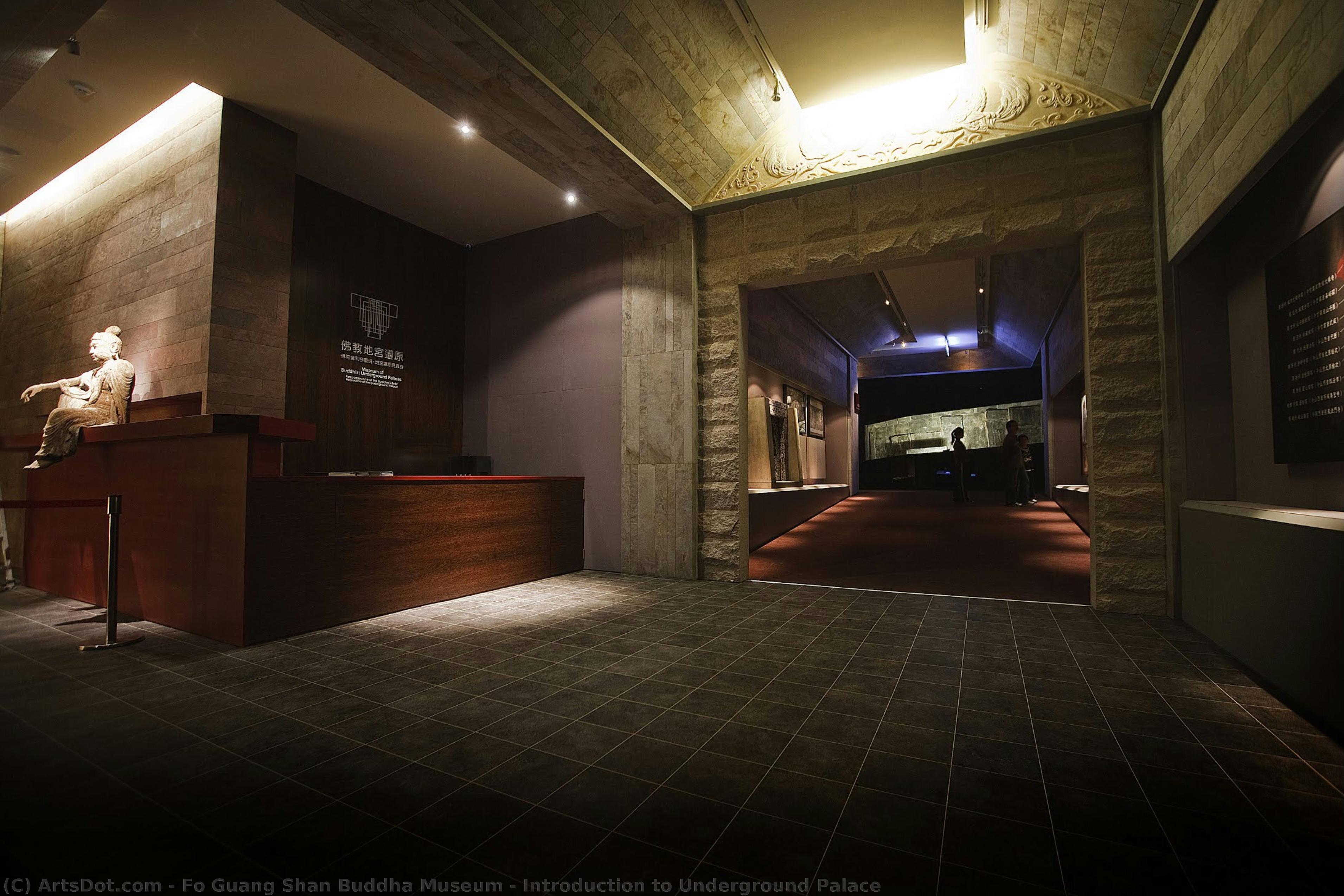
Introduction to Underground Palace


 Read More
Hand Made Oil Reproduction
Hand-painted oil on canvas in your size and frame, made to order by our artists. ( Buy Print Buy Image)




P118B $10

P118H $10

P118W $10

P438Z $10

P508JH $12

P508YH $12

P805H $10

P805Z $10

P919BZ $10

P919G $10

P919XJ $10

P959ZH $10

P968JZ $12

W106C $8

W218G $10

W218JH $8

W218Y $10

W307PJ $10

W316G $10

W316PJ $8

W316Y $10

W398PJ $8

W4111J $10

W500HY $15

W500JH $15

W692G $12

W849H $8

W940BG $15

W953PJ $8




Pick from our preset sizes that match the artwork's original proportions.

You may enter your own dimensions to fit a specific frame or space. If your selected size does not match the original image's proportions, we will either crop the artwork or extend the painting with additional hand-painted elements. A digital mockup will be sent for your approval before production begins.
Please note that the on-screen preview does not reflect the actual cropping or extension. Only the mockup will accurately show the final composition.
While custom sizes are available, we recommend selecting a dimension from the predefined list to preserve the original proportions.
After order, ArtsDot.com team will email client for instructions and provide a mockup preview
Worldwide Delivery () in 3/4 weeks instead of standard 5 weeks. (20 August). No compromise on quality.

Free Worldwide Express Shipping

High-Quality Linen Canvas

Full Shipping Insurance

Customs Tax Refund Guarantee

True Color Matching Guarantee

60-Day Return Policy (Defects Only)

100% Money-Back Guarantee

Bulk Discount Offer
 Glass option is only available in size under 110 CM

Introduction to Underground Palace
Reproduction Medium
Reproduction Size
-


Total Price
$ 263
Artwork Description
Introduction to Underground Palace
The painting “Introduction to Underground Palace,” created by Fo Guang Shan Buddha Museum, offers a glimpse into the fascinating evolution of Buddhist architectural design in China during the Northern Wei and Sui Dynasties. It’s not merely an image; it's a portal back to a pivotal period where religious beliefs profoundly shaped artistic expression.
Initially, Buddhist temples adopted practices from India—specifically, enshrining relics within stupas – adapting these structures to suit the Chinese landscape and aesthetic sensibilities. During the Northern Wei Dynasty (386-534 AD), this adaptation manifested in burying stone caskets containing relics beneath pagoda bases. These tombs weren’t conceived as standalone artistic endeavors but rather as extensions of Buddhist ritual, reflecting a pragmatic approach to incorporating sacred traditions into architectural form.
- Early Tomb Style: The Northern Wei’s underground palaces represented an early step away from purely symbolic stupas, demonstrating the burgeoning influence of funerary art on religious architecture.
- Material Innovation: Rammed earth construction was favored, showcasing a shift towards utilizing locally sourced materials and blending them with traditional building techniques.
The Sui Dynasty (581-618 AD) marked another significant advancement. Architects began layering stone slabs on top and around the casket, creating a more formalized structure reminiscent of imperial tombs. This deliberate mirroring of royal funerary design underscored the growing prestige of Buddhism within the empire.
- Imperial Influence: The Sui’s incorporation of tomb architecture into Buddhist temples signaled a convergence between religious devotion and dynastic power.
- Decorative Elements: Walls were adorned with painted murals depicting Mount Sumeru, symbolizing enlightenment and divine harmony; Arhats, representing enlightened beings striving for liberation; and Apsaras, celestial dancers embodying beauty and grace – elements deeply rooted in Buddhist cosmology.
Tang Dynasty Developments
The Tang Dynasty (618-907 AD) witnessed a dramatic transformation. Inspired by imperial tombs, architects constructed elaborate underground palaces utilizing brick and stone beneath pagodas. These structures became beacons of artistic achievement, elevating Buddhist art to unprecedented heights.
- Monumental Scale: Tang palaces were grand in scale, reflecting the empire’s wealth and ambition – a testament to its cultural flourishing.
- Symbolic Imagery: The corridor guarded by stone warriors served as a powerful visual reminder of protection and vigilance, mirroring themes prevalent in imperial iconography.
Style & Technique
The painting captures the essence of Tang artistic style—characterized by meticulous detail and vibrant color palettes. Observe how the artist skillfully portrays the serene beauty of Mount Sumeru and the ethereal grace of Apsaras, conveying a profound sense of spiritual contemplation. The technique employed likely involved layering pigments onto silk or paper using brushstrokes that meticulously capture texture and luminosity.
“Introduction to Underground Palace” isn’t just an artistic reproduction; it's an invitation to delve into the rich tapestry of Buddhist history and appreciate the enduring legacy of Chinese art. Its evocative imagery speaks volumes about a time when faith and artistry intertwined, shaping the cultural landscape of East Asia.
Related Artworks
Artist Biography
A Sanctuary of Faith and Art: The Fo Guang Shan Buddha Museum
The Fo Guang Shan Buddha Museum, nestled in the Dashu District of Kaohsiung, Taiwan, is more than a repository of sacred objects and artistic creations; it’s a vibrant testament to the enduring power of Buddhist philosophy and its profound influence on East Asian culture. Emerging from the vision of Venerable Master Hsing Yun, founder of Fo Guang Shan—Taiwan's largest Buddhist organization—the museum officially opened its doors in December 2011 after years of dedicated construction beginning in 2008. It stands as a beacon of Mahāyāna Buddhism, meticulously designed to present the Dharma through an immersive experience encompassing art, culture, film, humanistic inquiry, and international exchange. The very genesis of the museum is rooted in a remarkable story: in 1998, Master Hsing Yun was entrusted with a tooth relic of Sakyamuni Buddha by Kunga Dorje Rinpoche, a Tibetan lama who had safeguarded it for three decades. This sacred gift became the catalyst for creating a space worthy of its reverence and capable of sharing Buddhist wisdom with the world.Architectural Symbolism and Artistic Treasures
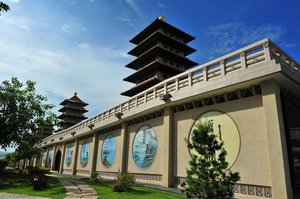
The museum’s design is deeply symbolic, reflecting core tenets of Buddhist thought. The architectural journey begins at the Gate of Perfect Ease and continues through the Gate of Liberation, both adorned with majestic lion and elephant statues—powerful emblems of strength, wisdom, and protection. These entrances lead visitors into a sprawling complex dominated by the Fo Guang Big Buddha, an imposing figure that serves as a focal point for contemplation. Eight uniquely designed pagodas punctuate the landscape, each holding distinct significance within Buddhist cosmology. Within these structures and throughout the museum’s halls resides a diverse collection of artworks reflecting Chinese and Taiwanese cultural heritage, with Buddhism as its central theme. Paintings, sculptures, and installations represent a spectrum of artistic styles, showcasing both traditional techniques and contemporary interpretations. The museum doesn't merely display art; it *embodies* Buddhist principles through aesthetic expression.Featured Artists and Notable Works
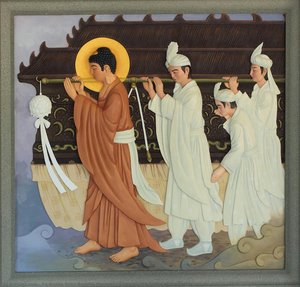
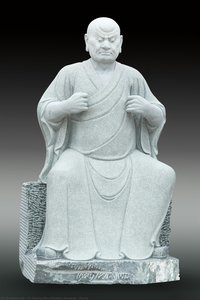
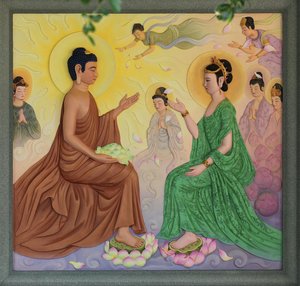
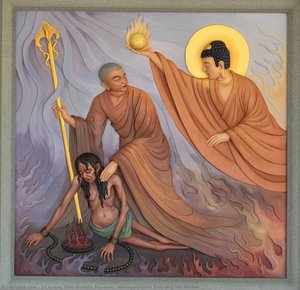
While the Fo Guang Shan Buddha Museum functions as an institution rather than being defined by individual artists in the conventional sense, several creators have contributed significantly to its artistic landscape. Chen Cheng Po, renowned for his evocative oil painting “English Street of Summer,” offers a glimpse into everyday life imbued with subtle beauty and contemplative stillness. Similarly, the stone sculptures of Hou Lien-Chin bring a tactile quality to Buddhist iconography, grounding spiritual concepts in tangible form. Beyond these individual contributions, the museum’s collection features captivating pieces that exemplify its commitment to Buddhist art and culture. “The Buddha Entering Parinirvana,” captured through photography, powerfully conveys a pivotal moment of transcendence. "Teaching Sujata" is a stunning artwork expressing the true nature of reality. “Daoist Ritual” provides a fascinating intersection of Taiwanese cultural practices, while “Sewing Three Robes for Aniruddha” illustrates compassion and Buddhist symbolism with delicate artistry. The museum also houses digital paintings like “Maudgalyayana Rescuing His Mother”, which depicts scenes from Buddhist stories with vibrant detail. Paintings such as "Carrying the Coffin of His Father" showcase reverence and spiritual transcendence through East Asian artistic traditions.Commitment to Preservation, Education, and Global Dialogue
The Fo Guang Shan Buddha Museum is not simply a place for passive observation; it’s an active center for education, cultural exchange, and the preservation of Buddhist heritage. The museum actively participates in inter-museum programs globally, fostering dialogue and collaboration with institutions worldwide. Life education initiatives aim to promote understanding of Buddhist principles and their application to daily life, offering workshops, lectures, and guided meditations. Public services are readily available, providing accessible resources for those seeking to learn more about Buddhism. This dedication to accessibility is underscored by the museum’s free admission policy, ensuring that its treasures are open to all. Recognized internationally for its commitment to quality and preservation, the Fo Guang Shan Buddha Museum holds membership in the International Council of Museums (ICOM) and has achieved ISO 50001 2011 certification since 2015, demonstrating adherence to rigorous standards of museum management and environmental responsibility. The museum stands as a living embodiment of Venerable Master Hsing Yun’s vision: a space where the wisdom of the Buddha can inspire peace, compassion, and understanding in an ever-changing world.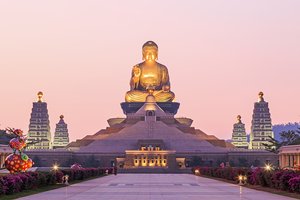
Fo Guang Shan Buddha Museum
Taiwan
Quick Facts
- Artistic Movement Or Style: Buddhist Art
- Full Name: Fo Guang Shan Buddha Museum
- Nationality: Taiwanese
- Notable Artworks:
- The Buddha Entering Parinirvana
- Teaching Sujata
- Daoist Ritual
- Sewing Three Robes…
- Other Names: Buddha Memorial Center
- Place Of Birth: Dashu District, Taiwan
Related Articles
The Northern Renaissance: A Flourishing of Realism, Religious Reform & Artistic Innovation
Explore the Northern Renaissance! Discover Jan van Eyck's innovations, religious shifts, & key artists of this influential period. Expert analysis and insights into Early Netherlandish painting at ArtsDot.
Northern Renaissance Masters: 10 Artworks That Shaped History |
Journey through the Northern Renaissance! Explore 10 iconic paintings by Jan van Eyck, Dürer & Bosch. Discover their stories, techniques & lasting impact. Find museum-quality art reproductions & elevate your home decor on .
The Northern Awakening: Artistic Innovation & Cultural Transformation in the German Renaissance
Explore the artistic innovation of the German Renaissance! Discover Dürer, the Danube School & Reformation art. Learn about techniques, materials & lasting influence. Find museum-quality reproductions at ArtsDot.
Albrecht Altdorfer: Innovation, Spirituality & the Northern Renaissance Landscape
Explore the groundbreaking art of Albrecht Altdorfer, a pioneer of the Northern Renaissance's Danube School. Discover his innovative landscapes, spiritual symbolism & lasting influence on German painting.
Marianne North's Masterpieces: 25 Botanical Paintings That Bloom With Adventure | ArtsDot
Journey through the vibrant world of Marianne North’s botanical paintings! Explore 25 iconic artworks from this Victorian artist, celebrating exotic flora & travel. Find museum-quality reproductions and curated decor ideas at ArtsDot.com.