

 Preview
 Send
Send Share
Share
 Details

 Download
 Similars
 X-Ray
X-Ray Diaporama
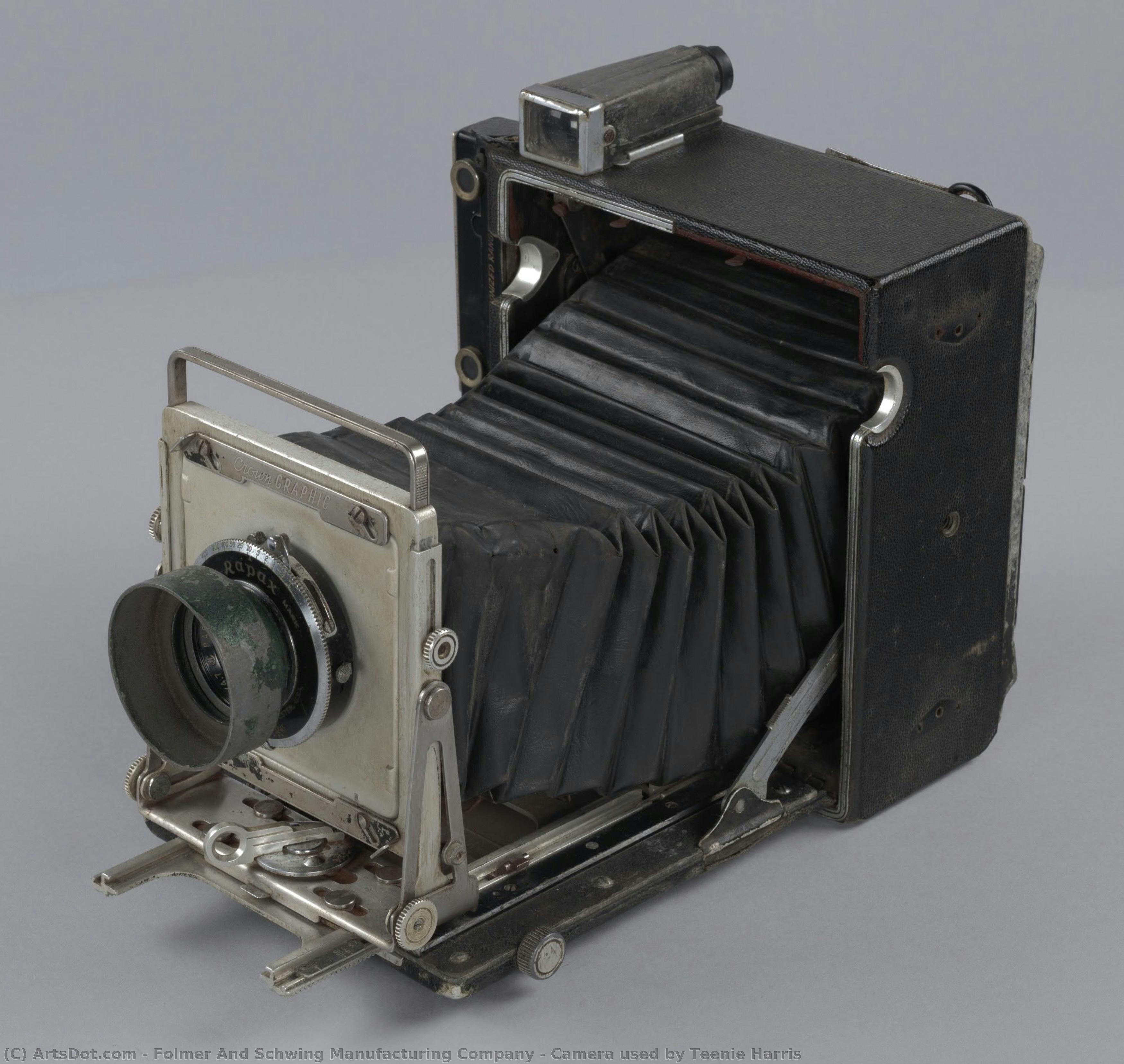
Camera used by Teenie Harris
 1900
1900 21.0 x 19.0 cm
 National Museum of African American History and Culture
 Read More
Purchase a high-resolution, enhanced digital image, far superior to the online preview.
Each file is meticulously prepared by our in-house specialists using advanced tools and expert manual retouching. We ensure every image has exceptional clarity, precise color accuracy, and fine detail.
The final file is delivered via email within 72 hours, optimized for immediate use in professional, editorial, and print environments. This is the same quality trusted by top-tier design studios, publishers, and galleries.
Digital Image
Download a high-resolution file for personal display, printing, and creative projects. ( Buy Print Buy Hand Made Painting)
Included in Every Digital Image Order
Expert Digital Delivery, Guaranteed
When you choose ArtsDot.com, you're not just getting an image - you're receiving a professionally enhanced digital artwork, crafted with precision and backed by a satisfaction guarantee. Here's everything that comes with your order, automatically:

Fast Email Delivery
Your high-resolution digital image file will be emailed to you within 72 hours of ordering - ready for immediate use.

AI-Enhanced Digital File
Your artwork is professionally optimized using advanced AI tools and manual editing, ensuring maximum detail, clarity, and color accuracy.

Free Lifetime Re-Delivery
Accidentally deleted or lost your file? No worries - we'll resend it to you anytime, free of charge.

No Import Fees - Ever
Enjoy your artwork instantly with zero customs, duties, or delivery fees - digital downloads are always tax-free.

Color Accuracy Guarantee
We ensure your digital image reflects the original colors as closely as possible using professional tools and color management.

60-Day Satisfaction Guarantee
If you're not satisfied with your digital image, we'll revise it or refund 100% within 60 days - no questions asked.

100% Money-Back Guarantee
Not satisfied? Get a full refund within 60 days of receiving your digital file - no questions asked.

Bulk Order Discounts
Buy 3 images, save 10% - Buy 5, save 15% - Buy 10+, save 20%. Great for creative projects, galleries, and agencies.
Related Artworks










Artist Biography
The Pioneering Vision of Folmer & Schwing: From Gaslight to Graflex
The story of Folmer & Schwing Manufacturing Company is a fascinating testament to American ingenuity and the relentless pursuit of innovation. Founded in New York City in 1887 by William F. Folmer, an inventor with a keen eye for opportunity, and William E. Schwing, the company initially carved its niche producing gas light fixtures and chandeliers—products emblematic of the era’s burgeoning industrial landscape. However, as the demand for gas lighting waned, Folmer & Schwing demonstrated remarkable adaptability, branching into bicycle manufacturing before ultimately finding their enduring legacy in the world of photography. This early diversification wasn't merely a response to market forces; it was a reflection of the partners’ shared spirit of experimentation and a willingness to embrace new technologies.
The late 19th century witnessed an explosion in photographic technology, with amateur and professional photographers alike clamoring for better equipment. Recognizing this need, Folmer & Schwing began producing cameras, quickly establishing themselves as a force within the industry. Their early models were characterized by robust construction and a commitment to quality—traits that would become hallmarks of their brand. The company’s initial success stemmed from a focus on practical design, catering to the needs of working photographers who demanded reliability in their tools. This dedication wasn't simply about building cameras; it was about empowering image-makers with instruments capable of capturing the world around them.
The Rise of Graflex and Eastman Kodak’s Influence
By 1909, Folmer & Schwing had become a prominent name in American photography. This success attracted the attention of George Eastman, the visionary founder of Eastman Kodak Company. In that year, Eastman acquired Folmer & Schwing, integrating it into his burgeoning photographic empire as the Folmer & Schwing Division. The move to Rochester, New York, in 1928 marked a significant shift for the company, solidifying its connection with Kodak’s vast resources and manufacturing capabilities. However, this integration wasn't without its complexities.
Despite being under the Kodak umbrella, the spirit of innovation that defined Folmer & Schwing persisted. The division continued to develop groundbreaking camera designs, most notably the iconic Speed Graphic series. This press camera became synonymous with photojournalism throughout much of the 20th century, favored by photographers for its speed, versatility, and ability to capture decisive moments in history. The Speed Graphic wasn’t just a tool; it was an extension of the photographer's eye, enabling them to document events with unparalleled immediacy.
Divestment, Rebirth, and Legacy
In 1926, Kodak faced antitrust pressures and was compelled to divest itself of Folmer & Schwing. This led to the formation of the Folmer Graflex Corporation in 1928, a new entity dedicated solely to camera manufacturing. The name change reflected a conscious effort to capitalize on the established reputation of the Graflex brand. Over the following decades, the company continued to refine its designs and introduce new models, cementing its position as a leader in large-format photography.
The subsequent history of Graflex is one of further transitions—name changes to Graflex Inc. (1946), acquisitions by General Precision Equipment (1956) and Singer Corporation (1968), and ultimately, the sale of its tooling to Toyo Co. in 1973. While the original Folmer & Schwing Manufacturing Company no longer exists as an independent entity, its legacy endures through the enduring designs of the Graflex cameras and their profound impact on the art of photography. The Speed Graphic, in particular, remains a coveted collectible among photographers and historians alike—a tangible reminder of a bygone era of craftsmanship and journalistic integrity.
The story of Folmer & Schwing is more than just a corporate timeline; it’s a narrative about adaptation, innovation, and the power of vision. From humble beginnings as a gaslight manufacturer to becoming an icon in the world of photography, the company's journey exemplifies the American spirit of enterprise and its lasting contribution to visual culture.
Quick Facts
- Date Of Death: Living
- Full Name: Folmer And Schwing Manufacturing Company
- Notable Artworks: ['Camera used by Teenie Harris']

