 Preview
 Send
Send Share
Share
 Details

 Download
 Similars
 X-Ray
X-Ray Diaporama
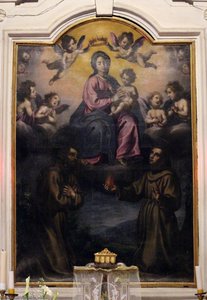
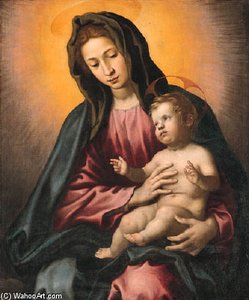
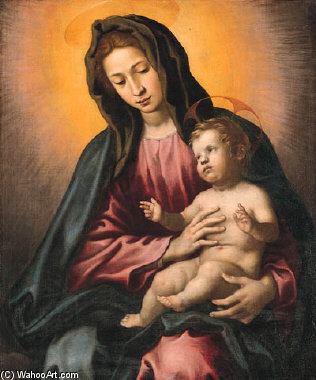
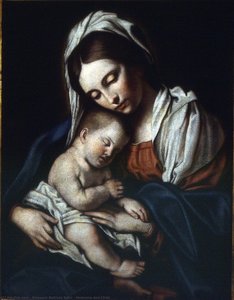
The Madonna And Child

 Read More
Hand Made Oil Reproduction
Hand-painted oil on canvas in your size and frame, made to order by our artists. ( Buy Print Buy Image)




































Pick from our preset sizes that match the artwork's original proportions.

You may enter your own dimensions to fit a specific frame or space. If your selected size does not match the original image's proportions, we will either crop the artwork or extend the painting with additional hand-painted elements. A digital mockup will be sent for your approval before production begins.
Please note that the on-screen preview does not reflect the actual cropping or extension. Only the mockup will accurately show the final composition.
While custom sizes are available, we recommend selecting a dimension from the predefined list to preserve the original proportions.
After order, ArtsDot.com team will email client for instructions and provide a mockup preview
Worldwide Delivery () in 3/4 weeks instead of standard 5 weeks. (17 August). No compromise on quality.

Free Worldwide Express Shipping

High-Quality Linen Canvas

Full Shipping Insurance

Customs Tax Refund Guarantee

True Color Matching Guarantee

60-Day Return Policy (Defects Only)

100% Money-Back Guarantee

Bulk Discount Offer
 Glass option is only available in size under 110 CM

The Madonna And Child
Reproduction Medium
Reproduction Size
-


Total Price
$ 288
Related Artworks
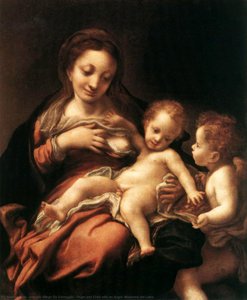
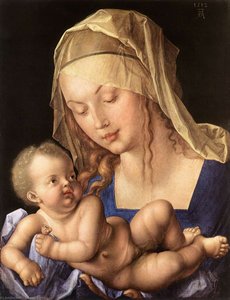
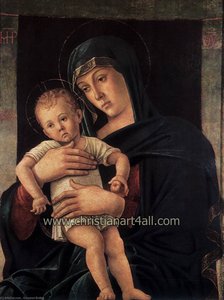
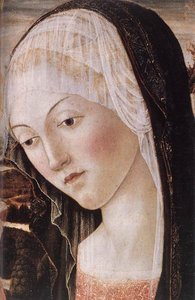
Artist Biography
The Grace of Counter-Mannerism: The Life of Francesco Curradi
In the vibrant, transitioning landscape of early seventeenth-century Florence, Francesco Curradi emerged as a painter of profound emotional clarity and stylistic distinction. Born in 1570 into a family deeply rooted in the Florentine artistic tradition—the son of the sculptor Taddeo Curradi—his upbringing was steeped in the very essence of craftsmanship and classical discipline. While many of his contemporaries remained tethered to the complex, often distorted elegance of late Mannerism, Curradi sought a different path. He became a leading figure of the counter-maniera, a movement that favored a return to more legible, harmonious, and naturalistic forms. This stylistic pivot was not merely a technical choice but a spiritual one, aiming to bring a sense of sweetness and accessibility to the religious narratives that dominated the era.
Curradi’s artistic foundation was laid under the tutelage of Giovanni Battista Naldini, an education that provided him with a rigorous command of draughtsmanship. This early training allowed him to navigate the delicate balance between the structural strength of the Renaissance and the burgeoning emotionality of the Baroque. His early commissions, particularly those for the churches in Volterra around 1597, reveal an artist already experimenting with vibrant palettes and dynamic compositions. These works, such as his depictions within the chapel of the Duomo dedicated to Saint Michael, showcased a budding ability to breathe life into biblical scenes through a masterful use of color and light.
A Legacy of Devotion and Grandeur
As his career matured, Curradi’s reputation expanded far beyond the borders of Florence, attracting a prestigious clientele that included high-ranking clergy and noble families. His ability to blend sacred narrative with a gentle, almost melancholic beauty made him a sought-after master for large-scale devotional projects. One of his most significant achievements was his contribution to the frescoes of Casa Buonarroti, where he worked alongside Alessandro Galli Bibiena to celebrate the monumental genius of Michelangelo. This project served as a testament to Curradi's ability to engage with the highest levels of historical and cultural commemoration.
The breadth of his talent is perhaps most evident in the diversity of his subject matter. While deeply committed to religious iconography, he also possessed a keen eye for the human condition and genre elements. His works often featured:
- Devotional Masterpieces: Such as Saint Francis Xavier Preaching in India, which demonstrates his skill in capturing intense spiritual fervor through texture and light.
- Narrative Lunettes: Including the series for Cardinal Carlo de’ Medici at Villa del Poggio Imperiale, recounting the life of Mary Magdalene with elegance and grace.
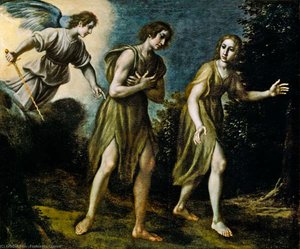
- Genre-Infused Religious Art: Notable in works like Adam and Eve, where the intersection of biblical tragedy and realistic human emotion became a hallmark of his influential style.
Historical Significance and Artistic Spirit
The enduring significance of Francesco Curradi lies in his role as a bridge between eras. He did not simply reject the complexities of Mannerism; rather, he distilled them into something more profound and sincere. His figures, often described as possessing a certain sweetness of expression and lucid draughtsmanship, offered a sense of peace to the viewer during a period of intense religious and political upheaval. Even in his preparatory studies and drawings, one can observe a meticulous attention to detail—a youthful vitality that suggests he was always looking toward the future of Italian painting.
By the time of his death in 1661, Curradi had left an indelible mark on the Florentine school. His ability to marry the monumental scale of the Baroque with a refined, classical restraint ensured that his works remained both powerful and intimate. Today, as we look upon his canvases, we see more than just historical artifacts; we witness the triumph of a painter who believed that art should not only dazzle the eye but also touch the soul through clarity, beauty, and an unwavering devotion to truth.
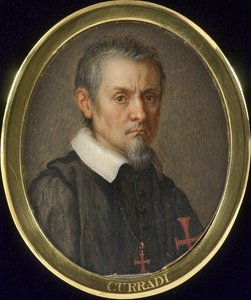
Francesco Curradi
1570 - 1661 , Italy
Quick Facts
- Artistic Movement Or Style: Counter-Maniera
- Artists Or Movements Influenced By This Artist: ['Renaissance']
- Artists Who Influenced This Artist: ['Giovanni Battista Naldini']
- Date Of Birth: Florence, Italy (1570)
- Date Of Death: 1661
- Full Name: Francesco Curradi
- Nationality: Italian
- Notable Artworks:
- Santa Maria Maddalena
- The Expulsion Of Adam And Eve
- The Madonna And Child
- Place Of Birth: Florence
Related Articles

The Enduring Legacy of Oil on Canvas: Technique, History & Aesthetic Impact
Explore the rich history & techniques of oil painting – from Renaissance masters to Impressionism. Discover pigments, layering methods, and why this timeless medium endures. Expert insights for artists & art enthusiasts.
Raphael's Masterpieces: 25 Iconic Paintings & Renaissance Art for Your Home
Explore 25 breathtaking Raphael paintings! Journey through the Italian Renaissance with masterpieces like 'School of Athens' & iconic Madonnas. Find museum-quality art reproductions and elevate your home decor on ArtsDot.com.

Oil on Canvas: A Historical & Technical Exploration of a Timeless Artistic Medium
Explore the rich history & enduring techniques of oil painting on canvas. Discover the science behind its longevity, conservation practices, and contemporary relevance. Expert insights for art enthusiasts.

The Enduring Power of Painting: A Historical & Contemporary Exploration of Form and Emotion
Explore the rich history & enduring techniques of oil painting with ArtsDot. Discover masterpieces, learn about art collecting, and find authentic handmade reproductions crafted by skilled artists.

The Enduring Legacy of Oil on Canvas: Technique, History & Contemporary Practice
Explore the rich history & enduring techniques of oil painting on canvas. Discover the science behind its longevity, conservation practices, and contemporary relevance. Expert insights for art enthusiasts.