 Preview
 Send
Send Share
Share
 Details

 Download
 Similars
 X-Ray
X-Ray Diaporama
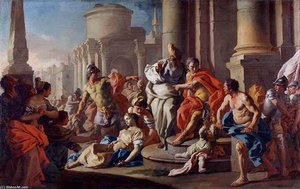
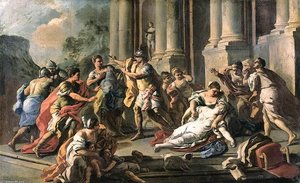
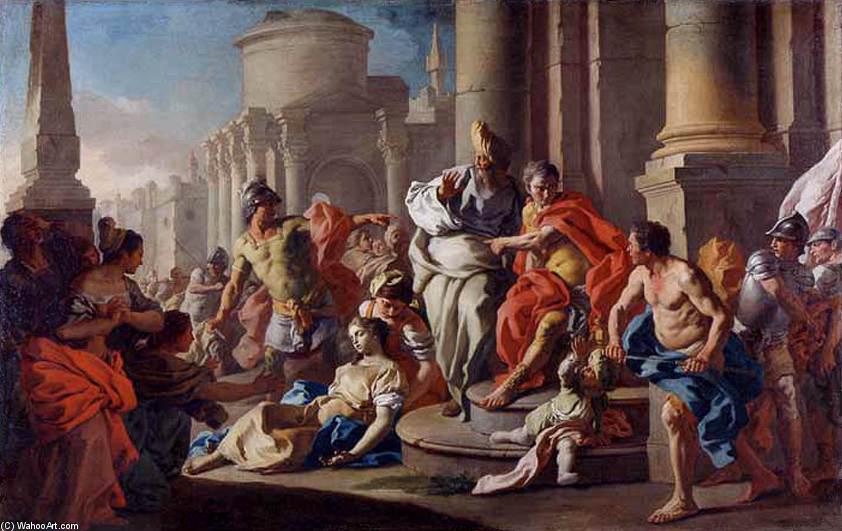
The Death of Virginia
 Oil On Canvas
- WallArt
- Baroque
 1760
1760 91.0 x 144.0 cm
 Manchester Art Gallery
 Read More
Hand Made Oil Reproduction
Hand-painted oil on canvas in your size and frame, made to order by our artists. ( Buy Print Buy Image)




P118B $10

P118H $10

P118W $10

P438Z $10

P508JH $12

P508YH $12

P805H $10

P805Z $10

P919BZ $10

P919G $10

P919XJ $10

P959ZH $10

P968JZ $12

W106C $8

W218G $10

W218JH $8

W218Y $10

W307PJ $10

W316G $10

W316PJ $8

W316Y $10

W398PJ $8

W4111J $10

W500HY $15

W500JH $15

W692G $12

W849H $8

W940BG $15

W953PJ $8




Pick from our preset sizes that match the artwork's original proportions.

You may enter your own dimensions to fit a specific frame or space. If your selected size does not match the original image's proportions, we will either crop the artwork or extend the painting with additional hand-painted elements. A digital mockup will be sent for your approval before production begins.
Please note that the on-screen preview does not reflect the actual cropping or extension. Only the mockup will accurately show the final composition.
While custom sizes are available, we recommend selecting a dimension from the predefined list to preserve the original proportions.
After order, ArtsDot.com team will email client for instructions and provide a mockup preview
Worldwide Delivery () in 3/4 weeks instead of standard 5 weeks. (24 August). No compromise on quality.

Free Worldwide Express Shipping

High-Quality Linen Canvas

Full Shipping Insurance

Customs Tax Refund Guarantee

True Color Matching Guarantee

60-Day Return Policy (Defects Only)

100% Money-Back Guarantee

Bulk Discount Offer
 Glass option is only available in size under 110 CM

The Death of Virginia
Reproduction Medium
Reproduction Size
-


Total Price
$ 263
Artwork Description
A Dramatic Echo of Roman Tragedy: Francesco de Mura’s “The Death of Virginia”
Francesco de Mura's "The Death of Virginia," completed in 1750–1760, stands as a testament to the enduring power of Baroque art—a genre characterized by theatrical grandeur and profound emotional resonance. Currently residing within the Manchester Art Gallery’s collection, this monumental oil on canvas (91 x 144 cm) transcends mere depiction; it strives to convey the visceral horror of a pivotal moment in Roman history.The Narrative Canvas: A Scene from Antiquity
The painting recounts the gruesome tale of Virginia, daughter of Marcus Tullius Rufus, who bravely defended herself against assassination by her father—a desperate act intended to prevent him from handing her over to Appius Claudius Pulcher, a corrupt magistrate notorious for his abuses of power. The scene unfolds outdoors, likely in a Roman piazza or forum, bathed in an overcast sky that reinforces the solemnity of the occasion. Figures representing Virgina’s family and associates surround her lifeless body—a chilling tableau designed to elicit empathy and contemplation.Baroque Mastery: Technique and Composition
De Mura expertly employs chiaroscuro – dramatic contrasts between light and dark – to sculpt the figures and heighten the emotional impact. Light illuminates Virginia's pallid flesh, emphasizing her vulnerability against the encroaching darkness of death. The artist’s meticulous attention to detail extends beyond anatomical accuracy; he captures subtle expressions of grief and shock on the faces of those present. Furthermore, the pyramidal composition—with Virginia’s body at its apex—creates a sense of stability amidst the chaos of the event, directing the viewer's gaze towards the central figure and reinforcing the narrative’s core emotion.Symbolism Embedded in Color Palette
The muted color palette—dominated by earthy tones—reflects the somber mood of the scene but is punctuated by the arresting crimson hue of Virginia’s dress. This bold splash of red serves as a visual symbol of passion, sacrifice, and ultimately, tragedy. It draws immediate attention to Virgina's fate, underscoring the painting’s thematic preoccupation with mortality and moral courage. The architectural backdrop—columns and arches—references classical Roman grandeur, subtly elevating the narrative beyond mere realism into a realm of timeless drama.Emotional Resonance: A Legacy of Baroque Expression
“The Death of Virginia” embodies the Baroque spirit's commitment to conveying intense emotion through visual means. Like Caravaggio’s “St. Augustine,” De Mura skillfully utilizes dramatic lighting and expressive gestures to elicit profound psychological responses from the audience. The painting continues to captivate viewers today, prompting reflection on themes of filial piety, justice, and the devastating consequences of corruption—a timeless reminder of art's ability to transcend historical boundaries and speak directly to the human condition. Its enduring appeal lies in its masterful execution and its poignant portrayal of a dramatic episode from antiquity.Related Artworks
Artist Biography
Francesco de Mura: A Life in Art
Early Life and Training
Francesco de Mura (born Naples, Italy, April 21, 1696 – died Naples, August 19, 1782), also known as *Franceschiello*, was a prominent Italian painter of the late Baroque period. His artistic journey began with an apprenticeship under the esteemed Francesco Solimena, a leading figure in Neapolitan painting. Later, he further honed his skills with Domenico Viola, where he encountered and worked alongside his contemporary, Mattia Preti. This early training laid a solid foundation for his future artistic endeavors.
Early Career and Frescoes
De Mura demonstrated his talent early on, receiving commissions even as a teenager. In 1715, he painted frescoes in the church of San Nicola alla Carità in Naples, marking an important milestone in his career. He continued to develop his style and reputation through subsequent projects, including ten canvases depicting the Virtues and an *Adoration of the Magi* (1728) for the church of Santa Maria Donnaromita.
Artistic Development and Style
De Mura’s artistic style evolved over time. Initially rooted in the Baroque tradition, characterized by dramatic compositions and vibrant colors, his later works increasingly reflected the emerging Neoclassical aesthetic. This transition is evident in his refined brushwork, emphasis on clarity of form, and a more restrained palette. He skillfully blended these influences to create a unique visual language.
Major Works and Achievements
- Frescoes at the Nunziatella: His frescoes of the *Adoration of the Magi* (1732) in the apsidal dome of the church of the Nunziatella are considered among his most significant achievements.
- Portraiture: De Mura was also a skilled portraitist, capturing the likenesses of prominent figures with sensitivity and detail.
- Religious Scenes: Throughout his career, he produced numerous religious paintings characterized by their emotional intensity and masterful use of light and shadow.
Influences and Legacy
De Mura’s work was influenced by the artistic currents of his time, particularly the Baroque masters active in Naples. He absorbed elements from Solimena's dramatic compositions and Preti’s vibrant color palette. He, in turn, became an influential figure himself, mentoring a generation of Neapolitan painters including Pietro Bardellino, Giacinto Diano, and others.
Historical Significance
Francesco de Mura occupies an important position in the history of Neapolitan art. He bridged the gap between the Baroque and Neoclassical periods, adapting his style to reflect changing artistic tastes while maintaining a distinct personal vision. His prolific output and skillful execution ensured his lasting legacy as one of Naples’ most celebrated painters.
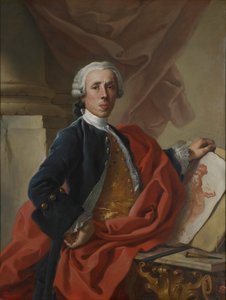
Francesco de Mura
1696 - 1782 , Italy
Quick Facts
- Birth Date: April 21, 1696
- Birth Place: Naples, Italy
- Death Date: August 19, 1782
- Influenced:
- Pietro Bardellino
- Giacinto Diano
- Fedele Fischetti
- Oronzo Tiso
- Nicola Menzele
- Vincenzo De Mita
- Girolamo Starace
- Influenced By:
- Francesco Solimena
- Domenico Viola
- Mattia Preti
- Movement:
- Late Baroque
- Neoclassicism
- Name: Francesco de Mura
- Nationality: Italian
- Notable Works:
- Adoration of the Magi (Santa Maria Donnaromita)
- Frescoes at Nunziatella
- Self-portrait (Minneapolis Institute of Arts)
Related Articles

Goya's Masterpieces: Explore 25 Iconic Paintings & Art Prints | ArtsDot
Delve into the world of Francisco Goya with ArtsDot. Explore 25 iconic paintings – from 'The Third of May' to his haunting Black Paintings. Discover the stories, techniques & emotions behind these Spanish masterpieces. Find museum-quality art reproductions for your home at ArtsDot.com!

About Us
Discover our story! We bring world-class art into your life through expert curation, personalized creations, and free previews. Trusted by individuals and businesses since 2000.
Juan de Valdés Leal: Baroque Realism, Memento Mori & Theatricality of Spanish Grief
Explore the powerful Baroque realism of Juan de Valdés Leal (1622-1690). Discover his somber masterpieces, iconic 'In Ictu Oculi', and profound explorations of mortality. Museum-quality reproductions available at ArtsDot.

Baroque Masterpieces: 10 Paintings That Defined an Era |
Journey through the drama & grandeur of Baroque art! Explore 10 masterpieces by Caravaggio, Rembrandt, Rubens & more. Discover stunning oil paintings, rich colors & timeless stories. Find museum-quality reproductions at .

Baroque Drama: Bringing Opulence & Emotion into Contemporary Interiors
Explore the opulent world of Baroque interior design! Discover key elements, modern applications & how to bring dramatic elegance into your home with 's authentic reproductions.