

 Preview
 Send
Send Share
Share
 Details

 Download
 Similars
 X-Ray
X-Ray Diaporama
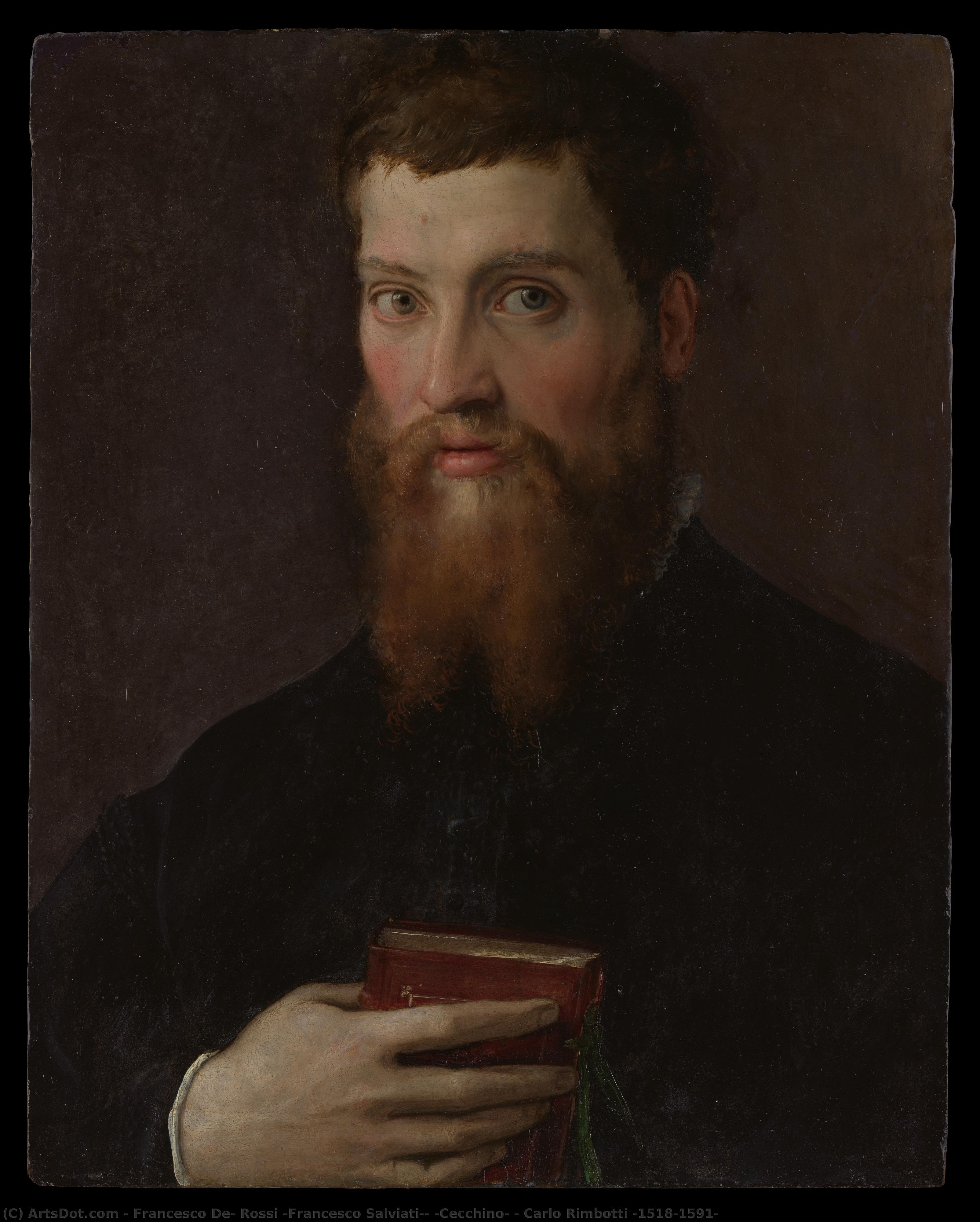
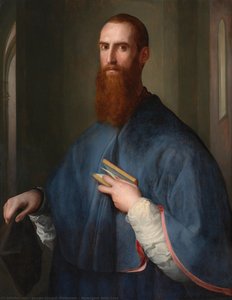
Carlo Rimbotti (1518–1591)
 Mannerist Portrait
 1548
1548 53.0 x 42.0 cm
 Metropolitan Museum of Art
 Read More
Purchase a high-resolution, enhanced digital image, far superior to the online preview.
Each file is meticulously prepared by our in-house specialists using advanced tools and expert manual retouching. We ensure every image has exceptional clarity, precise color accuracy, and fine detail.
The final file is delivered via email within 72 hours, optimized for immediate use in professional, editorial, and print environments. This is the same quality trusted by top-tier design studios, publishers, and galleries.
Digital Image
Download a high-resolution file for personal display, printing, and creative projects. ( Buy Print Buy Hand Made Painting)
Included in Every Digital Image Order
Expert Digital Delivery, Guaranteed
When you choose ArtsDot.com, you're not just getting an image - you're receiving a professionally enhanced digital artwork, crafted with precision and backed by a satisfaction guarantee. Here's everything that comes with your order, automatically:

Fast Email Delivery
Your high-resolution digital image file will be emailed to you within 72 hours of ordering - ready for immediate use.

AI-Enhanced Digital File
Your artwork is professionally optimized using advanced AI tools and manual editing, ensuring maximum detail, clarity, and color accuracy.

Free Lifetime Re-Delivery
Accidentally deleted or lost your file? No worries - we'll resend it to you anytime, free of charge.

No Import Fees - Ever
Enjoy your artwork instantly with zero customs, duties, or delivery fees - digital downloads are always tax-free.

Color Accuracy Guarantee
We ensure your digital image reflects the original colors as closely as possible using professional tools and color management.

60-Day Satisfaction Guarantee
If you're not satisfied with your digital image, we'll revise it or refund 100% within 60 days - no questions asked.

100% Money-Back Guarantee
Not satisfied? Get a full refund within 60 days of receiving your digital file - no questions asked.

Bulk Order Discounts
Buy 3 images, save 10% - Buy 5, save 15% - Buy 10+, save 20%. Great for creative projects, galleries, and agencies.
A Portrait of Renaissance Intellect: Carlo Rimbotti by Francesco Salviati
The year is 1548. Florence pulses with the energy of the High Renaissance, yet beneath the surface of opulent palaces and grand commissions, a quieter world of scholarship and philosophical discourse thrives within the walls of the Accademia Fiorentina. It’s here that Francesco Salviati, already establishing himself as one of the era's most daring Mannerist painters, captured the essence of Carlo Rimbotti – a physician, humanist, and dedicated member of this influential intellectual circle. This intimate portrait, now housed within the Metropolitan Museum of Art (object number 2017.401), offers a rare glimpse into the life and mind of a man deeply engaged with the complexities of his time.
Salviati’s masterful handling of oil paint on wood creates an arresting visual experience. The surface is remarkably smooth, achieved through painstaking layering – a technique known as *glazure*, where thin, translucent washes of color are applied over dry underlayers. This method lends the painting an ethereal quality, almost as if the light itself seems to emanate from within the figure. The muted palette—primarily deep browns, ochres, and subtle blues—contrasts dramatically with the vibrant colors often associated with Renaissance portraiture, reflecting a deliberate shift towards the introspective and psychologically charged aesthetic of Mannerism.
A Symbol of Knowledge and Humanism
Rimbotti himself is depicted in a pose that speaks volumes about his intellectual pursuits. He’s seated, holding a small book open before him – a clear reference to *petrarchini*, short poems by Petrarch, the celebrated poet and humanist. The placement of the book directly over his heart is particularly significant. It's a potent symbol of knowledge, virtue, and the connection between intellect and emotion—a core tenet of Renaissance humanism. The gesture suggests an active engagement with learning, a constant striving for understanding that defined Rimbotti’s life.
Beyond the immediate symbolism, Salviati employs a sophisticated use of perspective and spatial arrangement to draw the viewer into the scene. The slightly off-center composition creates a sense of dynamism and movement, as if Rimbotti is actively engaged in his studies. The careful rendering of folds in his clothing and the subtle modeling of his face demonstrate Salviati’s remarkable ability to capture not just physical likeness but also the character and personality of his subject.
The Painter's Context: Francesco Salviati and the Florentine Academy
Understanding Salviati requires understanding the context of the Florentine Academy. Founded in 1540, it was a haven for intellectuals, artists, and scholars—a space where humanist ideals were debated, artistic techniques were refined, and new visual languages were explored. Salviati himself was deeply involved in the Academy’s activities, serving as its architect of visual drama. He wasn't simply a painter; he was a conceptual artist who sought to evoke emotion and psychological intensity through his compositions.
Salviati’s artistic lineage is equally important. He apprenticed under masters like Giuliano Bugiardini and Andrea del Brescianino, absorbing their technical skills while forging his own distinctive style—one characterized by elongated figures, dramatic lighting, and a focus on emotional expression. His collaboration with Carlo Rimbotti exemplifies this dynamic interplay between tradition and innovation.
A Timeless Portrait of Humanistic Engagement
“Carlo Rimbotti” is more than just a portrait; it’s a testament to the intellectual ferment of the Renaissance. Salviati's masterful technique, combined with his profound understanding of humanist ideals, has created an enduring work of art that continues to resonate today. The painting invites us to contemplate the pursuit of knowledge, the importance of human connection, and the power of art to capture the essence of a complex individual. It remains a poignant reminder of a time when intellect and beauty intertwined in the heart of Florence.
Related Artworks


Artist Biography
Francesco Salviati: The Architect of Mannerist Drama
Francesco Salviati, a name often intertwined with Cecchino del Salviati and Francesco Rossi, stands as a pivotal figure in the vibrant tapestry of 16th-century Italian art. Born in Florence around 1510 and tragically dying in Rome in 1563, his life was a journey through artistic apprenticeship, patronage, and ultimately, mastery over the dramatic complexities of Mannerism. More than simply a painter, Salviati was an architect of visual experience, meticulously crafting scenes brimming with movement, psychological intensity, and a profound sense of theatricality – qualities that cemented his legacy as one of the era’s most innovative artists.- Early Influences & Training: Salviati's artistic foundation began under the tutelage of several prominent Florentine masters. He initially apprenticed with Giuliano Bugiardini, Baccio Bandinelli, and Andrea del Brescianino, absorbing techniques and stylistic nuances from each. However, it was his time with Andrea del Sarto that proved particularly formative, providing him with a solid grounding in classical principles and realistic representation. Crucially, he also encountered the burgeoning influence of Michelangelo and Raphael during his sojourn in Rome, experiences which would profoundly shape his later artistic vision.
- Rome: A Crucible of Innovation: Salviati’s relocation to Rome in 1531 marked a turning point, transforming him from a promising Florentine apprentice into a dynamic participant within the city's thriving artistic scene. Here, he immersed himself in the Mannerist style, absorbing its characteristic elongated figures, distorted perspectives, and heightened emotionalism. His early work, notably the *Visitation* fresco in the Oratory of San Giovanni Battista Decollato (1537-38), demonstrates this influence vividly – a complex composition teeming with swirling drapery, exaggerated gestures, and an almost claustrophobic sense of drama.
The Medici Patronage & The Sala dell’Udienza
Salviati's career reached its zenith during his long tenure as a court painter for the Grand Duke Cosimo I de’ Medici in Florence. This period witnessed the creation of some of his most ambitious and celebrated works, culminating in the magnificent *Triumph of Camillus* fresco adorning the Sala dell’Udienza (Audience Hall) of the Palazzo Vecchio (1543-1545). This monumental undertaking showcased Salviati's unparalleled skill in managing complex compositions, orchestrating a multitude of figures and narratives within a single space. The fresco is not merely a historical depiction; it’s a carefully constructed stage set, brimming with symbolism and designed to project an image of Medici power and authority. The sheer scale and intricate detail of the *Triumph of Camillus* established Salviati as a leading decorator of his time, solidifying his reputation for dramatic flair and technical virtuosity.- Tapestry Design: Beyond fresco painting, Salviati’s talents extended to tapestry design. He created cartoons for the Medici Arazzeria, producing iconic images such as *Ecce Homo*, *The Resurrection*, and *Joseph explains the Pharaoh's dreams*. These tapestries further demonstrated his ability to translate complex narratives into visually arresting forms, showcasing his mastery of color, composition, and decorative detail.
Mannerist Techniques & Artistic Style
Salviati’s artistic style is characterized by a distinctive blend of influences – the realism of del Sarto, the dynamism of Michelangelo, and the elegance of Raphael, all filtered through the lens of Mannerism. His figures are often elongated and contorted, their poses imbued with an almost theatrical intensity. He employed dramatic lighting effects to heighten the sense of drama and create a palpable atmosphere of psychological tension. Salviati’s use of color is equally striking – rich, saturated hues juxtaposed against muted tones to draw attention to key elements within the composition. His compositions are frequently crowded with figures, creating a sense of visual density that mirrors the emotional turmoil he sought to convey.- Portraiture: While primarily known for his frescoes and decorative works, Salviati also excelled as a portrait painter. His portraits often capture subjects in moments of intense emotion or dramatic action, reflecting his broader artistic concerns.
Legacy & Historical Significance
Francesco Salviati’s impact on the development of Italian Mannerism is undeniable. He pushed the boundaries of traditional painting techniques, embracing distortion and exaggeration to create works that were both visually arresting and psychologically profound. His influence can be seen in the work of subsequent generations of artists, including Giulio Romano and Pontormo. His frescoes continue to captivate viewers with their dramatic intensity and masterful execution, offering a window into the turbulent and transformative era of 16th-century Italy. He remains a testament to the power of art to evoke emotion, challenge conventions, and shape our understanding of history.
francesco de rossi (francesco salviati) (cecchino)
1510 - 1563 , Italy
Quick Facts
- Artistic Movement Or Style: Mannerism”
- Artists Or Movements Influenced By This Artist:
- Giulio Romano
- Giorgio Vasari
- Cecchino Del Salviati: Date of birth": "1510, Florence, Italy
- Date Of Death: 1563, Rome, Italy
- Full Name: Francesco de' Rossi / Francesco Salviati”
- Late Renaissance: Notable artworks": [ "Triumph of Camillus”, "Wedding at Cana”, "Deposition”
- Nationality: Italian
- Parmigianino: Andrea del Sarto
- Place Of Birth: Florence, Italy
- Visitation: Artists who influenced this artist": [ "Michelangelo”

