 Preview
 Send
Send Share
Share
 Details

 Download
 Similars
 X-Ray
X-Ray Diaporama
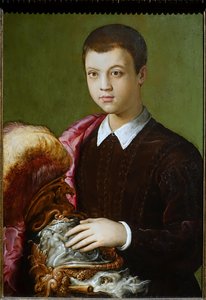
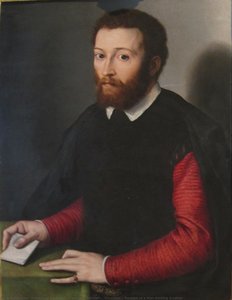
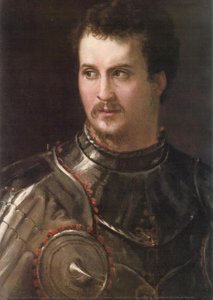
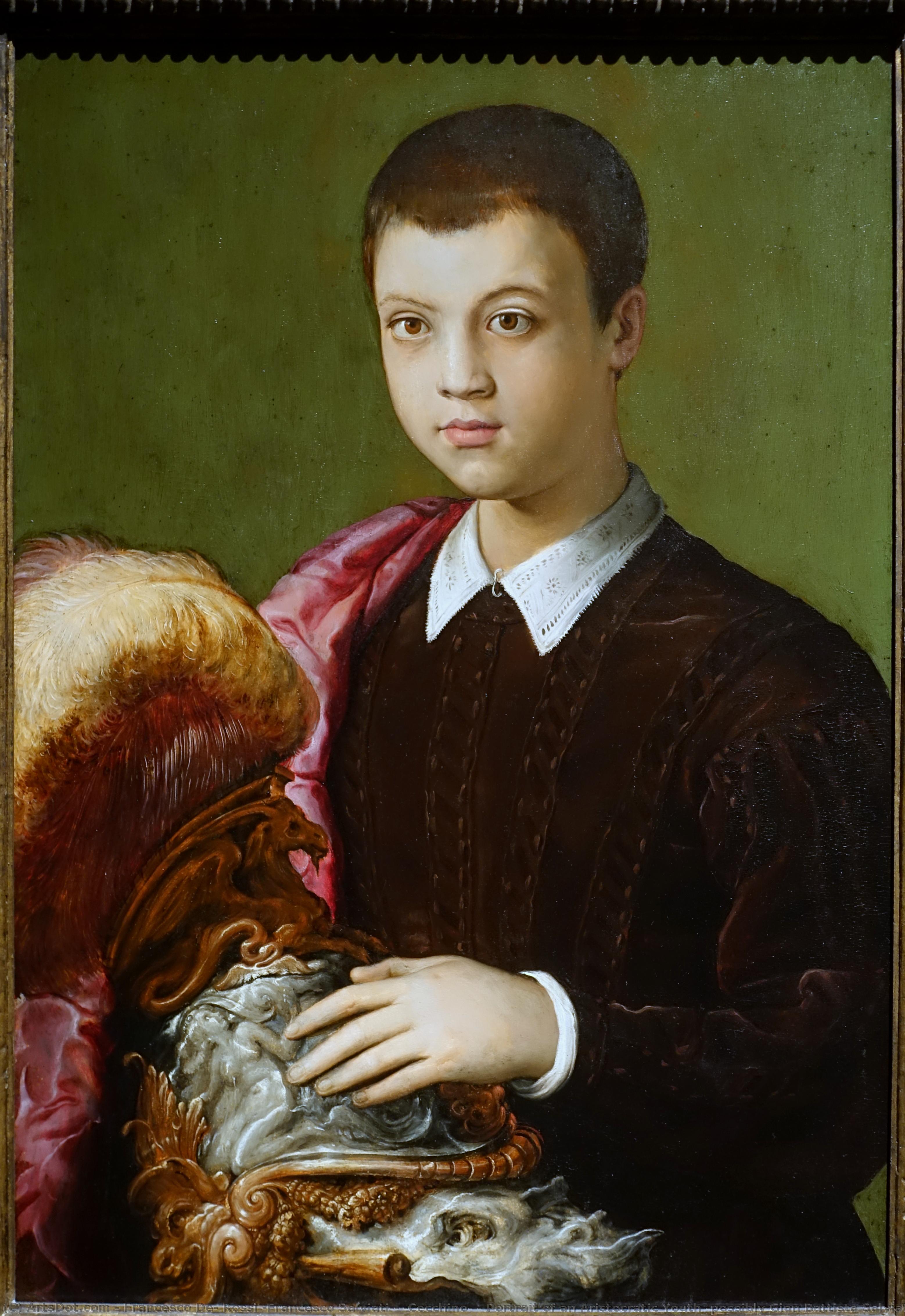
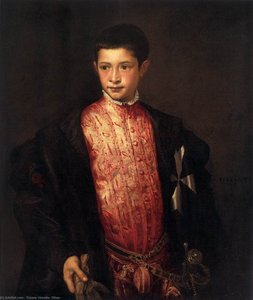
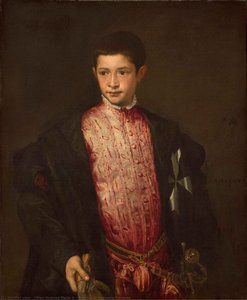
Portrait of an Aristocratic Youth (possibly Gian Battista Salviati)


 Read More
Hand Made Oil Reproduction
Hand-painted oil on canvas in your size and frame, made to order by our artists. ( Buy Print Buy Image)




P118B $10

P118H $10

P118W $10

P438Z $10

P508JH $12

P508YH $12

P805H $10

P805Z $10

P919BZ $10

P919G $10

P919XJ $10

P959ZH $10

P968JZ $12

W106C $8

W218G $10

W218JH $8

W218Y $10

W307PJ $10

W316G $10

W316PJ $8

W316Y $10

W398PJ $8

W4111J $10

W500HY $15

W500JH $15

W692G $12

W849H $8

W940BG $15

W953PJ $8




Pick from our preset sizes that match the artwork's original proportions.

You may enter your own dimensions to fit a specific frame or space. If your selected size does not match the original image's proportions, we will either crop the artwork or extend the painting with additional hand-painted elements. A digital mockup will be sent for your approval before production begins.
Please note that the on-screen preview does not reflect the actual cropping or extension. Only the mockup will accurately show the final composition.
While custom sizes are available, we recommend selecting a dimension from the predefined list to preserve the original proportions.
After order, ArtsDot.com team will email client for instructions and provide a mockup preview
Worldwide Delivery () in 3/4 weeks instead of standard 5 weeks. (16 August). No compromise on quality.

Free Worldwide Express Shipping

High-Quality Linen Canvas

Full Shipping Insurance

Customs Tax Refund Guarantee

True Color Matching Guarantee

60-Day Return Policy (Defects Only)

100% Money-Back Guarantee

Bulk Discount Offer
 Glass option is only available in size under 110 CM

Portrait of an Aristocratic Youth (possibly Gian Battista Salviati)
Reproduction Medium
Reproduction Size
-


Total Price
$ 263
Artwork Description
Portrait of an Aristocratic Youth (possibly Gian Battista Salviati): A Window into Mannerist Drama
Francesco Salviati, a name often inextricably linked with Cecchino del Salviati and Francesco Rossi, stands as a monumental figure in the vibrant panorama of 16th-century Italian art. Born around 1510 in Florence and tragically succumbing to illness in Rome in 1563, his life unfolded as an odyssey through artistic apprenticeship, patronage, and ultimately, mastery over the expressive complexities inherent in Mannerism – a stylistic movement that deliberately challenged Renaissance ideals of harmony and balance. More than merely a painter; Salviati was an architect of visual experience, meticulously crafting scenes imbued with dynamism, psychological depth, and theatrical grandeur—qualities that cemented his reputation as one of the era’s most daring innovators.- Early Influences & Training: Salviati's artistic genesis commenced under the watchful eye of several luminaries of Florentine art. Initially apprenticed with Giuliano Bugiardini, Baccio Bandinelli, and Andrea del Brescianino, he absorbed techniques and stylistic cues from each maestro, establishing a foundation rooted in classical observation yet subtly infused with emerging Mannerist tendencies.
- Style & Technique: Salviati’s distinctive style is characterized by elongated figures, distorted perspectives, and an unsettling preoccupation with emotional intensity. He employed oil paint on panel—a favored medium for capturing nuanced tonal gradations and conveying palpable atmosphere—resulting in canvases that pulsate with movement and subtly destabilize the viewer's gaze.
Historical Context: The Rise of Mannerism
The painting’s creation coincided with a period of profound artistic upheaval. Following the High Renaissance’s emphasis on idealized beauty and mathematical precision, Mannerism emerged as a reaction—a deliberate rejection of established conventions in favor of subjective expression and intellectual contemplation. Artists like Salviati sought to evoke emotion rather than simply represent reality, prioritizing psychological drama over anatomical accuracy. This stylistic shift reflected broader anxieties about humanist ideals amidst religious fervor and political instability.- Symbolism & Narrative: The depicted young man—likely a portrait commissioned by an aristocratic family—holds a bird and a fish – symbols laden with significance. The bird represents purity and spiritual aspiration, while the fish symbolizes fertility and divine providence. These carefully chosen emblems contribute to the painting’s overarching narrative of youthful idealism confronted with worldly realities.
- Emotional Impact: Salviati's masterful manipulation of light and shadow—a hallmark of Mannerist technique—creates a palpable sense of unease and intrigue. The gaze of the young man is averted, conveying a subtle vulnerability that compels the viewer to contemplate themes of introspection and existential questioning.
Legacy & Rediscovery
Despite Salviati’s prolific output during his lifetime—including “The Eavesdropper”—his work languished in obscurity for centuries. However, recent scholarship has revived interest in his oeuvre, recognizing him as a crucial voice within the Mannerist movement and highlighting the enduring power of his artistic vision. Reproductions of masterpieces like "Portrait of an Aristocratic Youth" continue to inspire collectors and interior designers alike, offering a glimpse into the dramatic aesthetic sensibilities that defined one of Italy’s most transformative periods.Related Artworks

Artist Biography
Francesco Salviati: The Architect of Mannerist Drama
Francesco Salviati, a name often intertwined with Cecchino del Salviati and Francesco Rossi, stands as a pivotal figure in the vibrant tapestry of 16th-century Italian art. Born in Florence around 1510 and tragically dying in Rome in 1563, his life was a journey through artistic apprenticeship, patronage, and ultimately, mastery over the dramatic complexities of Mannerism. More than simply a painter, Salviati was an architect of visual experience, meticulously crafting scenes brimming with movement, psychological intensity, and a profound sense of theatricality – qualities that cemented his legacy as one of the era’s most innovative artists.- Early Influences & Training: Salviati's artistic foundation began under the tutelage of several prominent Florentine masters. He initially apprenticed with Giuliano Bugiardini, Baccio Bandinelli, and Andrea del Brescianino, absorbing techniques and stylistic nuances from each. However, it was his time with Andrea del Sarto that proved particularly formative, providing him with a solid grounding in classical principles and realistic representation. Crucially, he also encountered the burgeoning influence of Michelangelo and Raphael during his sojourn in Rome, experiences which would profoundly shape his later artistic vision.
- Rome: A Crucible of Innovation: Salviati’s relocation to Rome in 1531 marked a turning point, transforming him from a promising Florentine apprentice into a dynamic participant within the city's thriving artistic scene. Here, he immersed himself in the Mannerist style, absorbing its characteristic elongated figures, distorted perspectives, and heightened emotionalism. His early work, notably the *Visitation* fresco in the Oratory of San Giovanni Battista Decollato (1537-38), demonstrates this influence vividly – a complex composition teeming with swirling drapery, exaggerated gestures, and an almost claustrophobic sense of drama.
The Medici Patronage & The Sala dell’Udienza
Salviati's career reached its zenith during his long tenure as a court painter for the Grand Duke Cosimo I de’ Medici in Florence. This period witnessed the creation of some of his most ambitious and celebrated works, culminating in the magnificent *Triumph of Camillus* fresco adorning the Sala dell’Udienza (Audience Hall) of the Palazzo Vecchio (1543-1545). This monumental undertaking showcased Salviati's unparalleled skill in managing complex compositions, orchestrating a multitude of figures and narratives within a single space. The fresco is not merely a historical depiction; it’s a carefully constructed stage set, brimming with symbolism and designed to project an image of Medici power and authority. The sheer scale and intricate detail of the *Triumph of Camillus* established Salviati as a leading decorator of his time, solidifying his reputation for dramatic flair and technical virtuosity.- Tapestry Design: Beyond fresco painting, Salviati’s talents extended to tapestry design. He created cartoons for the Medici Arazzeria, producing iconic images such as *Ecce Homo*, *The Resurrection*, and *Joseph explains the Pharaoh's dreams*. These tapestries further demonstrated his ability to translate complex narratives into visually arresting forms, showcasing his mastery of color, composition, and decorative detail.
Mannerist Techniques & Artistic Style
Salviati’s artistic style is characterized by a distinctive blend of influences – the realism of del Sarto, the dynamism of Michelangelo, and the elegance of Raphael, all filtered through the lens of Mannerism. His figures are often elongated and contorted, their poses imbued with an almost theatrical intensity. He employed dramatic lighting effects to heighten the sense of drama and create a palpable atmosphere of psychological tension. Salviati’s use of color is equally striking – rich, saturated hues juxtaposed against muted tones to draw attention to key elements within the composition. His compositions are frequently crowded with figures, creating a sense of visual density that mirrors the emotional turmoil he sought to convey.- Portraiture: While primarily known for his frescoes and decorative works, Salviati also excelled as a portrait painter. His portraits often capture subjects in moments of intense emotion or dramatic action, reflecting his broader artistic concerns.
Legacy & Historical Significance
Francesco Salviati’s impact on the development of Italian Mannerism is undeniable. He pushed the boundaries of traditional painting techniques, embracing distortion and exaggeration to create works that were both visually arresting and psychologically profound. His influence can be seen in the work of subsequent generations of artists, including Giulio Romano and Pontormo. His frescoes continue to captivate viewers with their dramatic intensity and masterful execution, offering a window into the turbulent and transformative era of 16th-century Italy. He remains a testament to the power of art to evoke emotion, challenge conventions, and shape our understanding of history.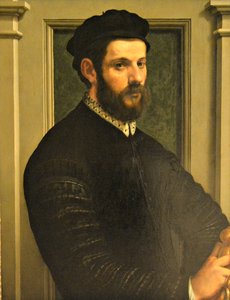
francesco de rossi (francesco salviati) (cecchino)
1510 - 1563 , Italy
Quick Facts
- Artistic Movement Or Style: Mannerism”
- Artists Or Movements Influenced By This Artist:
- Giulio Romano
- Giorgio Vasari
- Cecchino Del Salviati: Date of birth": "1510, Florence, Italy
- Date Of Death: 1563, Rome, Italy
- Full Name: Francesco de' Rossi / Francesco Salviati”
- Late Renaissance: Notable artworks": [ "Triumph of Camillus”, "Wedding at Cana”, "Deposition”
- Nationality: Italian
- Parmigianino: Andrea del Sarto
- Place Of Birth: Florence, Italy
- Visitation: Artists who influenced this artist": [ "Michelangelo”
Related Articles
Mannerism: Bridging Renaissance Harmony & Baroque Drama – A Study of Style & Affectation
Explore the fascinating world of Mannerism! Discover its key characteristics, pioneering artists like Pontormo & Bronzino, and its pivotal role in bridging Renaissance harmony to Baroque drama. A comprehensive guide for art enthusiasts.
The Art of Italian Living: Transform Your Home with Timeless Landscapes and Renaissance Masterpieces
Elevate your home with the timeless romance of Italy. Discover expert-curated, hand-painted Italian landscapes and Renaissance-inspired masterpieces. From bespoke oil reproductions to custom portraits from photos, transform your space with elegance and artistic passion.
Renaissance Mannerism: Style, Subtlety & the Transition from Harmony to Artifice
Explore the captivating world of Renaissance Mannerism! Discover its key characteristics, pioneering artists like Pontormo & Bronzino, and its pivotal role in art history. Expert insights & museum-quality reproductions at ArtsDot.
Mannerism's Masters: 10 Artworks That Redefined Renaissance Style | ArtsDot
Explore 10 defining Mannerism masterpieces – from Pontormo to El Greco. Discover the stories behind these Renaissance paintings, their unique style & symbolism. Find museum-quality art reproductions at ArtsDot.com and elevate your home decor.
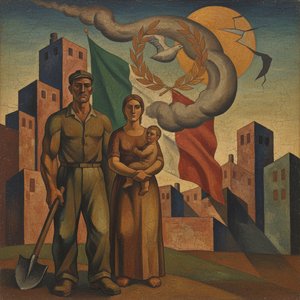
Mario Sironi: A Poetic of Modern Italian Identity Through Symbolism & Social Commentary
Explore the profound works of Mario Sironi, a key figure in Italian Modernism. Discover his evolution from Futurism to Metaphysical painting and his powerful social commentary. Learn about his legacy at ArtsDot.