

 Preview
 Send
Send Share
Share
 Details

 Download
 Similars
 X-Ray
X-Ray Diaporama
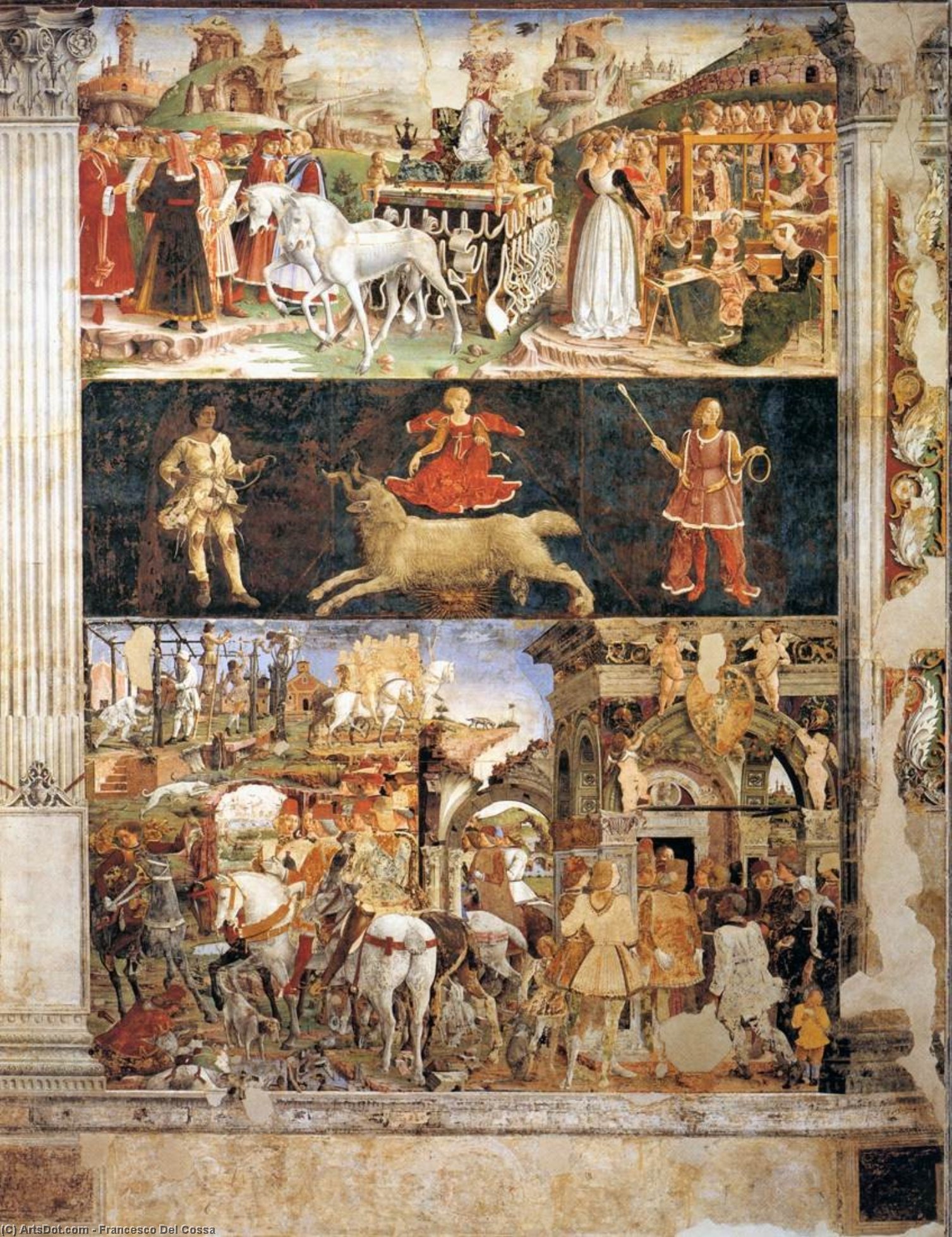
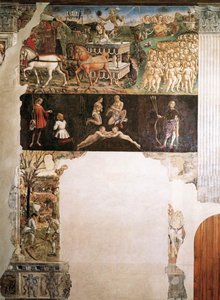
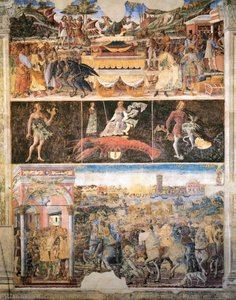
Allegory of March: Triumph of Minerva
 Oil On Canvas
- WallArt
- Early Renaissance
 1476
1476- Renaissance
 500.0 x 320.0 cm
 Palazzo Schifanoia
 Read More
Purchase a high-resolution, enhanced digital image, far superior to the online preview.
Each file is meticulously prepared by our in-house specialists using advanced tools and expert manual retouching. We ensure every image has exceptional clarity, precise color accuracy, and fine detail.
The final file is delivered via email within 72 hours, optimized for immediate use in professional, editorial, and print environments. This is the same quality trusted by top-tier design studios, publishers, and galleries.
Digital Image
Download a high-resolution file for personal display, printing, and creative projects. ( Buy Print Buy Hand Made Painting)
Included in Every Digital Image Order
Expert Digital Delivery, Guaranteed
When you choose ArtsDot.com, you're not just getting an image - you're receiving a professionally enhanced digital artwork, crafted with precision and backed by a satisfaction guarantee. Here's everything that comes with your order, automatically:

Fast Email Delivery
Your high-resolution digital image file will be emailed to you within 72 hours of ordering - ready for immediate use.

AI-Enhanced Digital File
Your artwork is professionally optimized using advanced AI tools and manual editing, ensuring maximum detail, clarity, and color accuracy.

Free Lifetime Re-Delivery
Accidentally deleted or lost your file? No worries - we'll resend it to you anytime, free of charge.

No Import Fees - Ever
Enjoy your artwork instantly with zero customs, duties, or delivery fees - digital downloads are always tax-free.

Color Accuracy Guarantee
We ensure your digital image reflects the original colors as closely as possible using professional tools and color management.

60-Day Satisfaction Guarantee
If you're not satisfied with your digital image, we'll revise it or refund 100% within 60 days - no questions asked.

100% Money-Back Guarantee
Not satisfied? Get a full refund within 60 days of receiving your digital file - no questions asked.

Bulk Order Discounts
Buy 3 images, save 10% - Buy 5, save 15% - Buy 10+, save 20%. Great for creative projects, galleries, and agencies.
Collectible Description
Allegory of March: Triumph of Minerva – A Renaissance Masterpiece
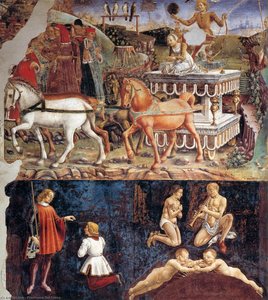
Francesco del Cossa’s “Allegory of March: Triumph of Minerva,” completed in 1476, is more than just a fresco; it's a vibrant embodiment of the Ferrarese school’s artistic spirit during the High Renaissance. Measuring an impressive 500 x 320 cm, this work transports the viewer to a moment of potent allegory – the victory of Minerva, goddess of wisdom and strategic warfare, over the chaotic forces represented by March. The scene unfolds with a dynamic energy, capturing the essence of celebration and triumph that defined much of Renaissance art.
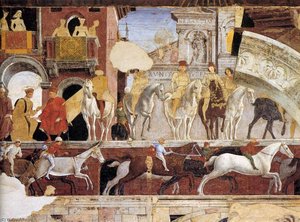
Del Cossa’s masterful technique is immediately apparent in the fresco's rich color palette and remarkably detailed execution. He employs *buon fresco* – a method involving pigments mixed directly into wet plaster – to achieve an unparalleled luminosity and depth. The figures, particularly Minerva herself, are rendered with meticulous attention to anatomical accuracy and drapery, hallmarks of the Ferrarese style which often prioritized elegance and refined detail over the more austere forms favored in Florence. Notice the subtle gradations of color used to depict the horses’ musculature and the shimmering effect on Minerva's chariot – a testament to the artist’s command of light and shadow.
Symbolism and Narrative
The painting is steeped in classical symbolism, reflecting the humanist ideals prevalent at the time. Minerva, depicted as a powerful warrior goddess driving a chariot pulled by horses, represents reason, strategy, and victory over chaos. The surrounding figures – soldiers, attendants, and even natural elements – contribute to this narrative. The horses themselves are not merely decorative; they symbolize untamed forces that Minerva is tasked with controlling. The presence of various individuals engaged in conversation or observation suggests the importance of civic participation and intellectual discourse within the context of the allegory.
Del Cossa’s choice of subject matter – the “Allegory of March” – was a common theme in Renaissance art, often commissioned for public spaces to commemorate significant events or celebrate civic virtues. The month of March, associated with renewal and warfare, provided a perfect framework for depicting Minerva's triumph.
Historical Context and Artistic Influences
Created in 1476, this fresco stands as a pivotal work within Francesco del Cossa’s oeuvre and the broader artistic landscape of Ferrara. The Ferrarese school, under the patronage of the Este family, was renowned for its distinctive style – characterized by elegance, refined detail, and a focus on narrative clarity. Del Cossa's training likely involved exposure to the works of artists like Andrea Mantegna, whose influence can be seen in the composition’s balanced perspective and dramatic use of space. The painting reflects the growing interest in classical antiquity that fueled Renaissance artistic innovation.
Emotional Impact and Artistic Value
"Allegory of March: Triumph of Minerva" continues to resonate with viewers today due to its dynamic energy, masterful execution, and profound symbolism. It’s a powerful reminder of the enduring values of wisdom, strategy, and triumph over adversity – themes that remain relevant across centuries. This hand-painted reproduction offers an exceptional opportunity to experience the beauty and intellectual depth of this Renaissance masterpiece in your own space.
Related Artworks
Artist Biography
Francesco del Cossa: A Renaissance Master of Ferrara
Francesco del Cossa (c. 1436 – 1477) was a pivotal Italian Renaissance painter associated with the Ferrarese school. Born in Ferrara, Italy, he remains an intriguing figure whose life and career are somewhat shrouded in historical detail, yet his artistic contributions, particularly his frescoes, stand as testaments to his skill and innovative approach within the burgeoning Renaissance style.
Early Life and Training
Del Cossa was the son of a stonemason, Cristofano del Cossa, who also worked as an artist. Little is definitively known about Francesco’s early artistic training, but it's believed he assisted his father in painting decorations for the chapel of the Bishop's Palace in Ferrara around 1456. This early exposure to artistic practice undoubtedly shaped his initial development. He appears to have travelled outside of Ferrara during his late twenties or early thirties, gaining experience and potentially encountering new artistic influences.
Major Works and Artistic Style
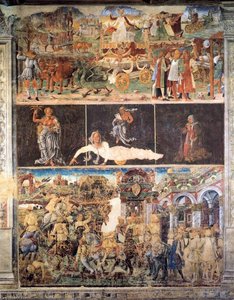
Del Cossa is primarily celebrated for his fresco cycles, most notably those adorning the Palazzo Schifanoia, a summer palace just outside the city gates of Ferrara. In collaboration with Cosimo Tura, he contributed to elaborate allegorical decorations depicting zodiacal signs and months of the year. Specific frescoes attributed to del Cossa include the "Allegory of May – Triumph of Apollo," notable for its striking depiction of a multitude of naked toddlers arranged in a visually arresting formation, and the “Allegory of April,” which features an early representation of the Three Graces, predating Botticelli’s famous version. These frescoes demonstrate his mastery of perspective, detail, and narrative storytelling.
- Palazzo Schifanoia Frescoes: Zodiacal allegories showcasing a blend of classical mythology and Renaissance realism.
- Allegory of May – Triumph of Apollo: Renowned for its unique portrayal of numerous naked children.
- Allegory of April: Features an early depiction of the Three Graces, demonstrating his understanding of classical themes.
Beyond the Palazzo Schifanoia, del Cossa produced other significant works:
- Virgin and Child with Two Saints (Bologna)
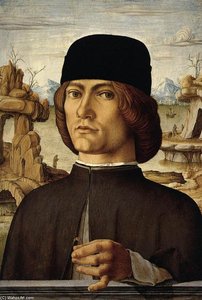
- Portrait of Alberto de' Catanei (Bologna)
- Fresco of Madonna del Baracano (Bologna), depicting the Virgin Mary and Child with portraits of Giovanni Bentivoglio and Maria Vinziguerra.
- Stained glass window at San Giovanni in Monte, Bologna (signed).
Development and Influences
Del Cossa’s style reflects a blend of influences characteristic of the Ferrarese Renaissance. While rooted in earlier Gothic traditions, his work demonstrates an increasing engagement with classical forms and humanist ideals. His attention to detail, particularly in depicting fabrics and textures, reveals a keen observational skill. The influence of early Netherlandish painting can also be detected in his meticulous rendering of details. His brief but impactful period in Bologna under the patronage of the Bentivoglio family further refined his style, leading to some of his most celebrated portraits.
Historical Significance
Francesco del Cossa’s legacy rests on his contributions to Ferrarese Renaissance art and his unique artistic vision. Though his career was relatively short, he left behind a body of work that showcases the dynamism and innovation of the period. His frescoes at Palazzo Schifanoia are invaluable documents of 15th-century courtly life and artistic patronage. His depictions of classical themes, such as the Three Graces, demonstrate an early engagement with humanist ideals. Del Cossa’s recent recognition in Ali Smith's novel "How to Be Both" and his connection to a Google Earth treasure hunt have further brought attention to this often-overlooked Renaissance master.
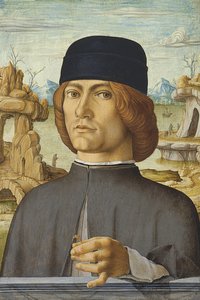
Francesco del Cossa
1436 - 1477 , Italy
Quick Facts
- Artistic Movement Or Style: Italian Renaissance
- Artists Or Movements Influenced By This Artist: ['Leonardo Scaletti']
- Date Of Birth: 1436
- Date Of Death: 1477
- Full Name: Francesco del Cossa
- Nationality: Italian
- Notable Artworks:
- Allegory of May
- Allegory of April
- Portrait of a Man
- Madonna with the Child
- St. Vincent Ferrer
- Place Of Birth (City And Country): Ferrara, Italy

